Jean-Pierre Kuntzer, winemaker at Domaine Saint-Sébaste in Saint-Blaise, works with biodynamic vines and single-varietal Neuchâtel wines there, too.
Cold maceration comes before the Pinot Noir begins its ferment. Jean-Pierre Kuntzer, winemaker at Domaine Saint-Sébaste in Saint-Blaise, keeps that gesture tied to a cellar language built on single-varietal wines and Neuchâtel origin. He owns the estate, and his role here is not separated from the farming. The vineyard decision arrives in the glass as clearly as the barrel decision, because Kuntzer avoids blends and asks each grape to stand on its own name.
The family line begins before this Saint-Blaise chapter. Domaine Saint-Sébaste was founded in 1954 by Anja and Jean Claude Kuntzer in La Coudre; Jean-Pierre Kuntzer took over the estate in 1992. Since then, the work has narrowed rather than widened, with Chasselas, Pinot Noir, Chardonnay and white specialties given a disciplined frame. In 2014, the Saint-Sebaste Chardonnay Fût de Chêne AOC Neuchâtel 2012 received the Sélection d'Or at the Sélection Cantonale des vins de Neuchâtel. The award belongs to that bottle and to this house, but it reads best as one marker in a longer practice: biodynamic vineyards, varietal clarity, and an ambition to make wines that carry the place without explanation.
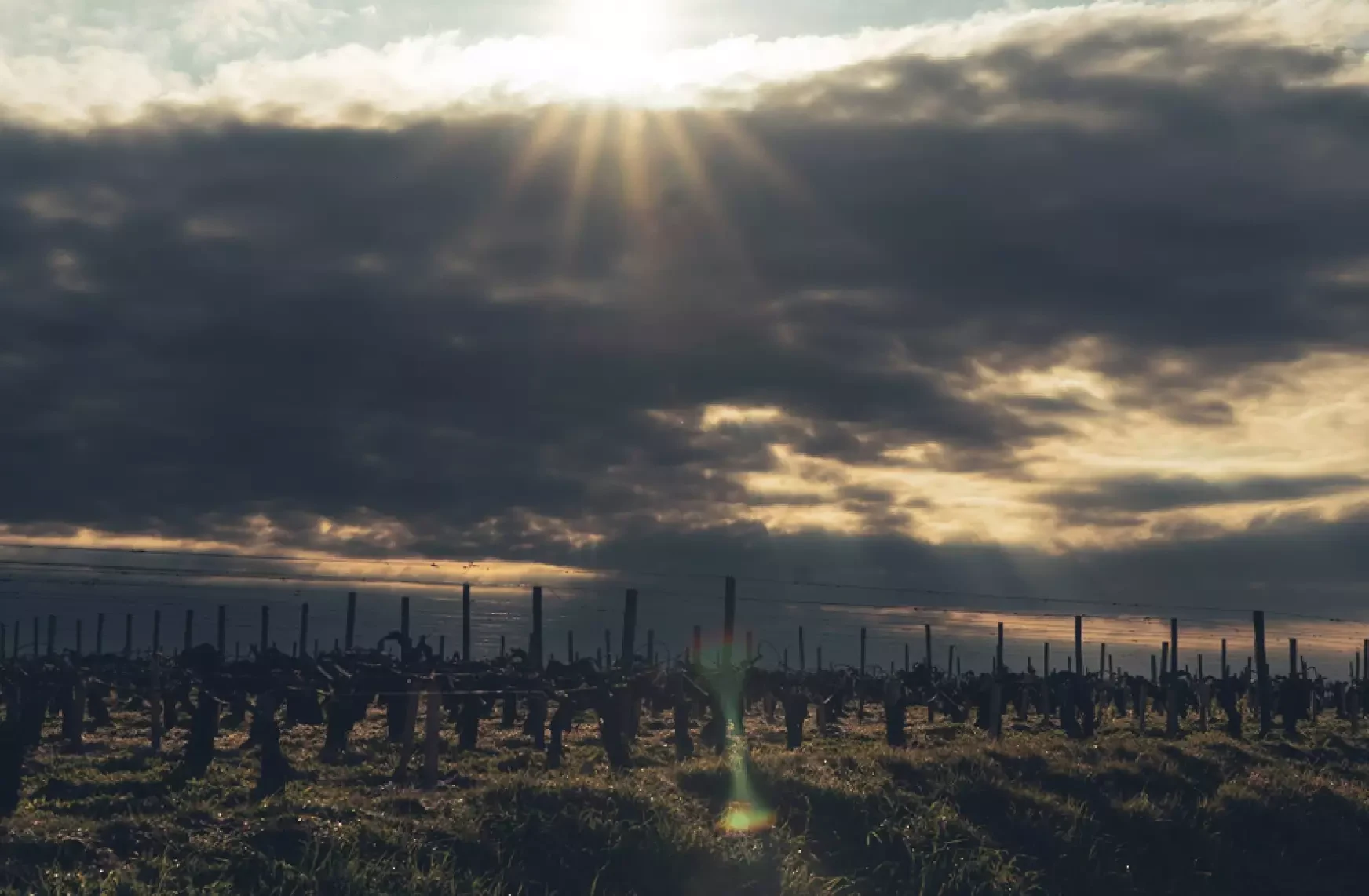
The estate has carried Demeter certification since 2015, a formal sign of the biodynamic method Kuntzer applies to the vines. His stated aim is respect for nature and for the vineyards, which gives the cellar its limits. Single-varietal wines only. No blends. Natural yeasts for fermentation. Pinot Noir begins with cold maceration to draw out fruit aroma, then ages in Burgundian oak barrels for complexity and structure.
That method matters because the portfolio depends on precision rather than breadth. Chasselas comes forward in the Neuchâtel Non-Filtré tradition, where the wine keeps its natural sediment and a direct line to the region’s white-wine language. Pinot Noir carries the estate’s red identity, especially in bottlings such as Clos de la Perrière and fût-de-chêne. The house has not turned biodynamics into ornament; it uses the discipline as a way of keeping cellar intervention legible. Fruitiness, minerality, elegance and regional expression recur around these wines: Kuntzer chooses one variety, one origin, one method, then lets the bottle hold the argument.
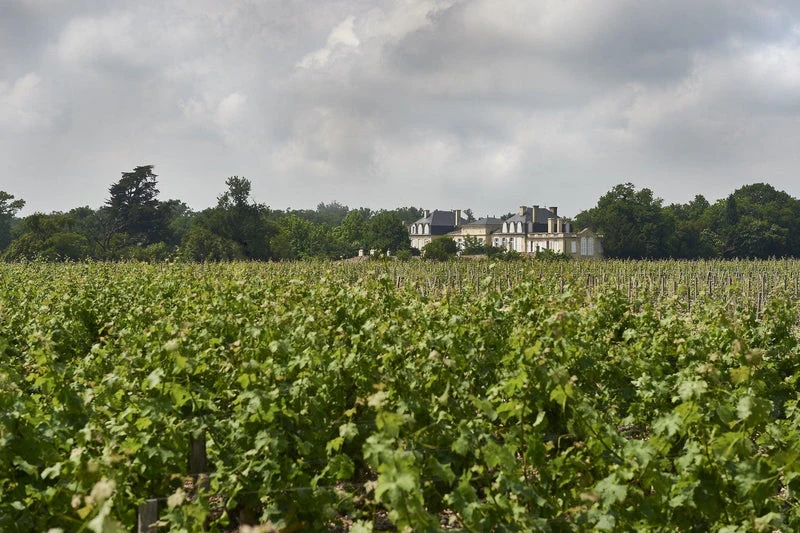
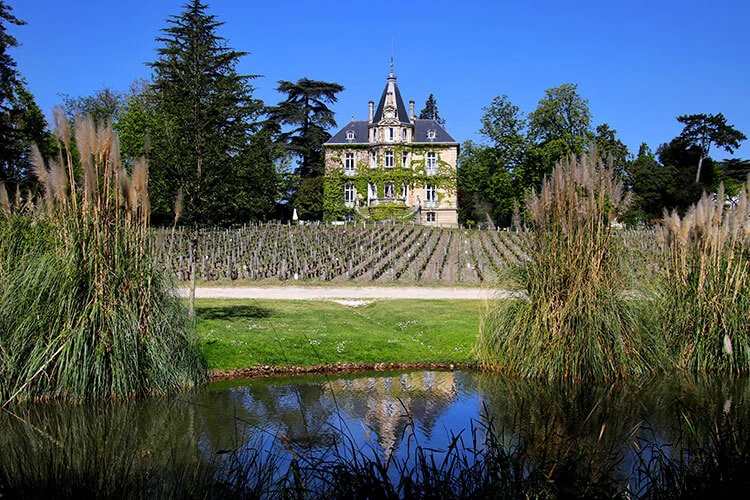
The visitor experience at Domaine Saint-Sébaste appears practical and cellar-led. This is a quiet estate environment in Saint-Blaise, set within Neuchâtel wine country, where direct sales and tastings sit close to the working rhythm of the cave. The room does not need theatre. The subject is the bottle in front of you, the agricultural choices behind it, and the difference between Chasselas with its sediment left in place and Pinot Noir shaped by cold maceration and oak.
In that setting, the luxury is not upholstery or ceremony. It is proximity to a program that has been kept small and exact, where the maker’s hand is visible in the refusal to blend and in the patience of the barrel. A tasting here reads as bench-side work in another register: practical, measured, and quiet enough for Neuchâtel Non-Filtré Chasselas to set the pace.
There is no need to force a future onto this estate. The next movement is the same one that has carried it since 1992: another vintage brought through biodynamic farming, single-varietal choices and a cellar program that gives each wine a narrow path. Follow the next Domaine Saint-Sébaste Pinot Noir Clos de la Perrière.
St-Blaise, Canton of Neuchâtel, Canton of Neuchâtel, Schweiz
Saint-Blaise