Domaine Bernard Reverdy
- 01CityVerdigny, France

- Falstaff Winery - Listed · 2026
Verdigny reads first as vineyard country, not visitor theatre: rural quiet, cellar-and-vine surroundings, and the particular stillness of a Loire village shaped by winegrowing rather than spectacle. In that setting, Domaine Bernard Reverdy is best understood as a small, traditional family estate in the Sancerre hills, focused on vineyard work and classic Loire expressions rather than flashy architecture. The emphasis is on setting and continuity: vines, cellar, village scale, and the unforced atmosphere of a working wine landscape.
For travelers, the useful expectation is restraint. The picture is not of a built-up visitor complex or design-led tasting room, but of a quiet rural domaine where the atmosphere is centered on the cellar, the vines, and the landscape around Verdigny. That distinction matters when planning, because the appeal is not necessarily immediate in the way a large, visitor-facing venue can be. It is more about arriving with the right frame of mind: attentive, patient, and interested in the Sancerre hills as lived wine country. Specific details on wine varieties, vineyard size, visit format, opening hours, or services should be confirmed directly before planning a stop.
Traditional Sancerre-hills character without cellar theatrics
Domaine Bernard Reverdy sits in the traditional register of the Sancerre hills: small in feel, family-estate in character, and oriented toward vineyard work. That makes it a different proposition from venues that rely on architectural showmanship or a highly staged hospitality format. The appeal is quieter and more place-based. It comes from the sense that the estate belongs to its surroundings, rather than standing apart from them as a destination built primarily for visitors.
Rather than overstate those points, the honest reading is simpler: this is a Verdigny domaine whose identity is tied to classic Loire wine country and a rural cellar-and-vine atmosphere. The language around it should stay modest for that reason. Its character is best described through the elements already visible in the setting: village quiet, agricultural rhythm, and a focus on winegrowing rather than performance.
That low-key profile is part of the draw. Visitors looking for a polished, high-traffic tasting venue may need to verify arrangements carefully, while those interested in the slower rhythm of a traditional Sancerre-hills estate will find the positioning easier to understand. The experience, if arranged, should be approached less as a packaged attraction and more as contact with a small domaine in its own rural context. That does not make it less worthwhile; it simply means expectations should be calibrated to the scale and tone of the place.
Why the quiet format suits Verdigny
There is a clear audience for this kind of estate. It suits drinkers and travelers who want Verdigny’s vineyard setting, a family-domaine atmosphere, and a sense of the Loire countryside more than a spectacle-driven visit. The mood is likely quiet and rural, centered on the cellar and vines rather than a purpose-built visitor experience. For those travelers, the absence of obvious theatre can be a strength, because it keeps attention on the landscape and the work behind the wines.
The price level is listed as $$, which gives a broad cost signal without implying a specific tasting fee, bottle price, or visit package. It should be read only as a general indication, not as a promise of what any visit or purchase will cost. As with the visit format itself, the practical details are best checked directly rather than assumed from a summary listing.
The absence of awards or detailed service information should not be turned into a negative claim. For Domaine Bernard Reverdy, the grounded facts are modest but coherent: Verdigny, a small traditional family estate in the Sancerre hills, a rural and quiet atmosphere, and a focus on vineyard work and classic Loire expressions. That is enough to understand the basic identity of the place without adding unsupported flourishes. In a region where vineyard setting and tradition carry their own weight, a restrained description can be more accurate than an embellished one.
Verdigny rewards a wider lens, especially for travelers building a wine-focused day rather than a single stop. Other dining or wine-country stops in Verdigny can be considered generically, but Domaine Bernard Reverdy should be judged on its own quiet, traditional estate character rather than on comparisons. Its value lies in how it fits the village and the Sancerre-hills landscape: as one rural domaine among vines, not as a venue trying to dominate the itinerary.
For the rest of the trip, use current local sources and direct confirmation from venues before relying on specific hours, services, prices, or visit arrangements. The safest expectation here is a small rural domaine experience in Verdigny, not an urban tasting bar or a heavily produced hospitality destination. Arrive, if you arrange to go, with that modest expectation, and the estate’s quiet character will make more sense on its own terms.
Questions
Frequently asked
How expensive is Domaine Bernard Reverdy?
Domaine Bernard Reverdy is listed at a price level of $$.
The field
How it compares
| Place | Notes |
|---|---|
| Domaine Bernard Reverdy | Verdigny, $$ |
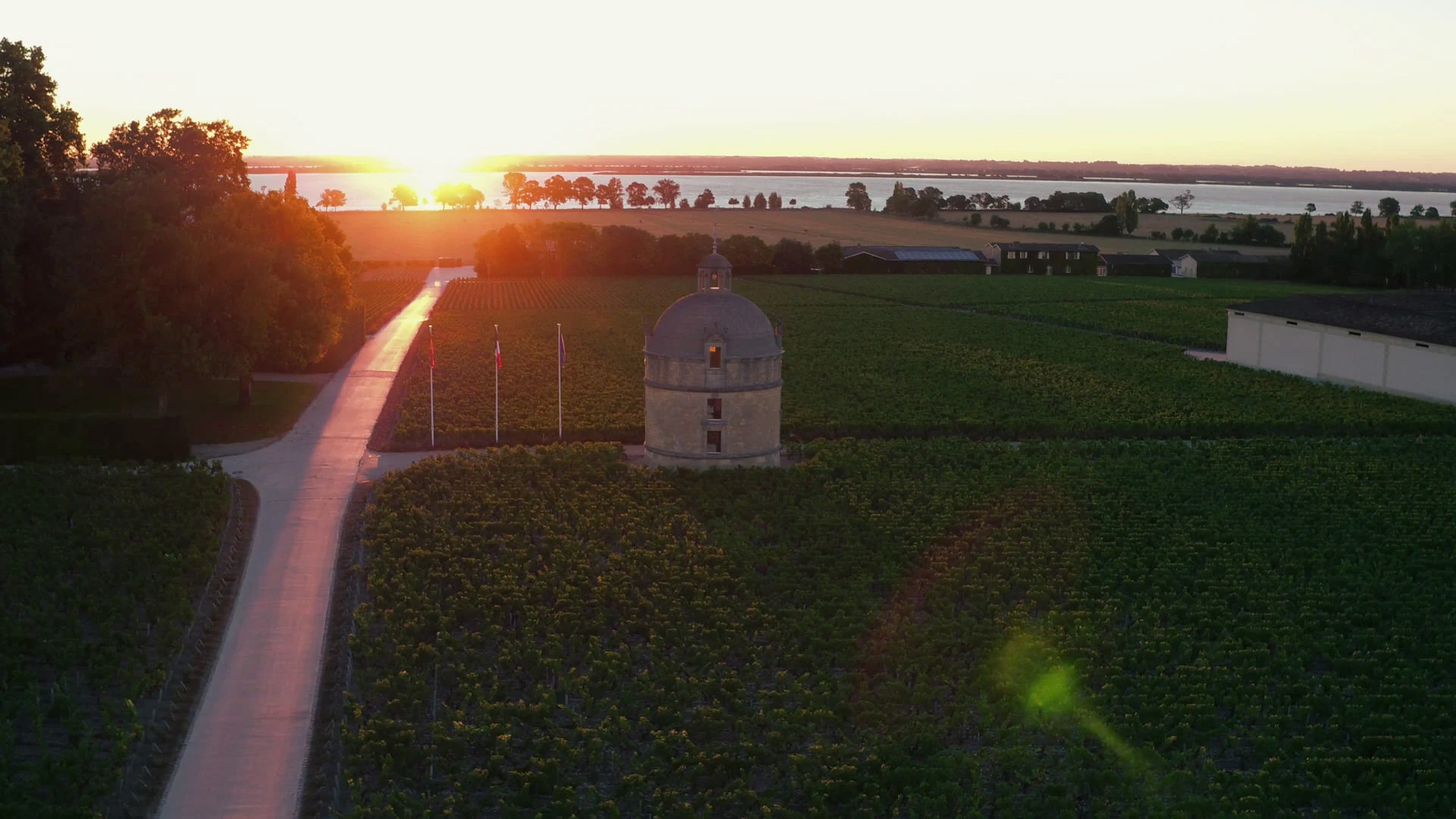
| Château Latour | Pauillac |
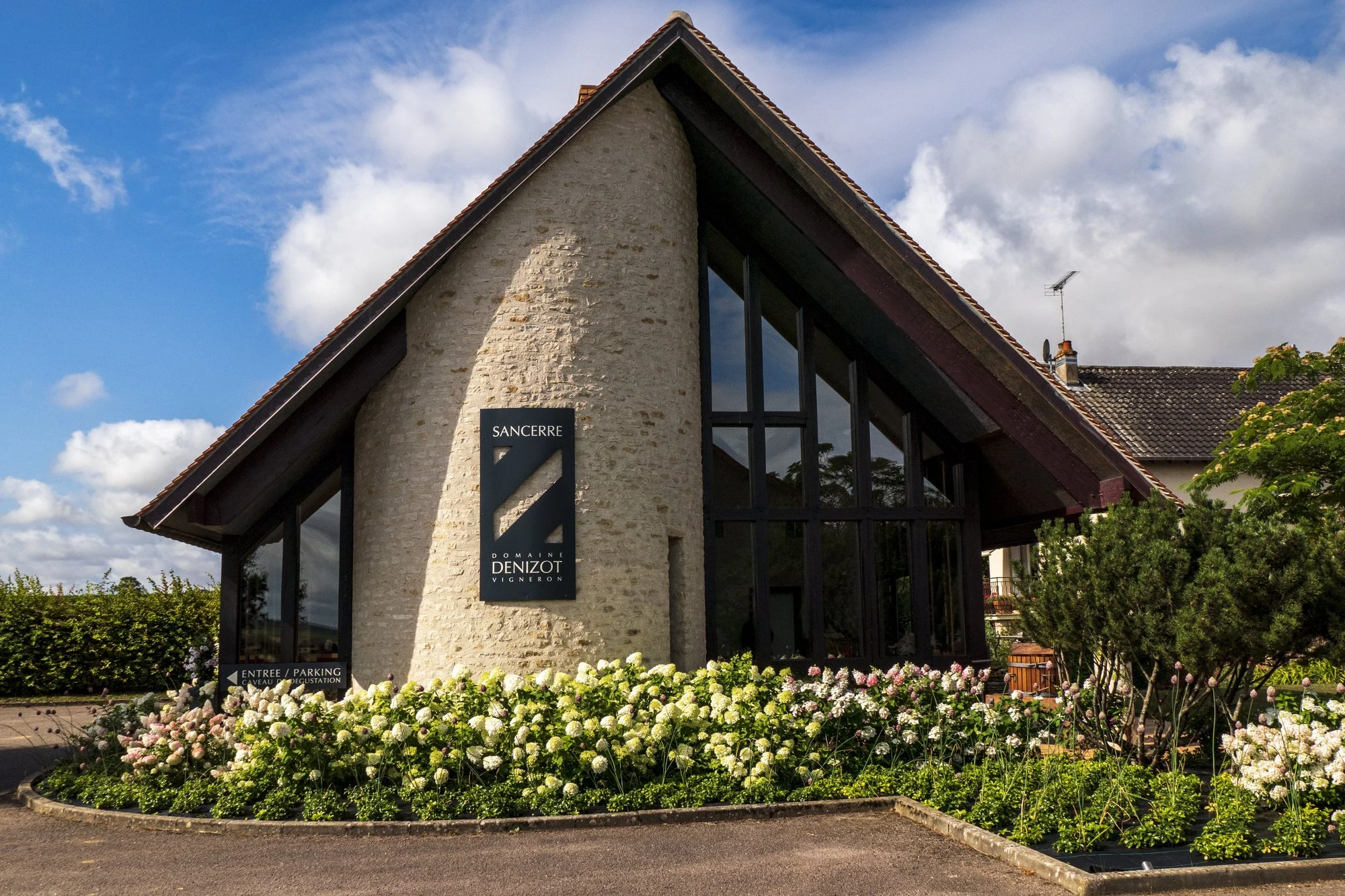
| Domaine Denizot | Verdigny |
| Domaine Fournier Père & Fils | Verdigny |
| Domaine J. de Villebois | Verdigny |
| Jean-Marie Reverdy et Fils | Verdigny |
| La Perrière | Verdigny |