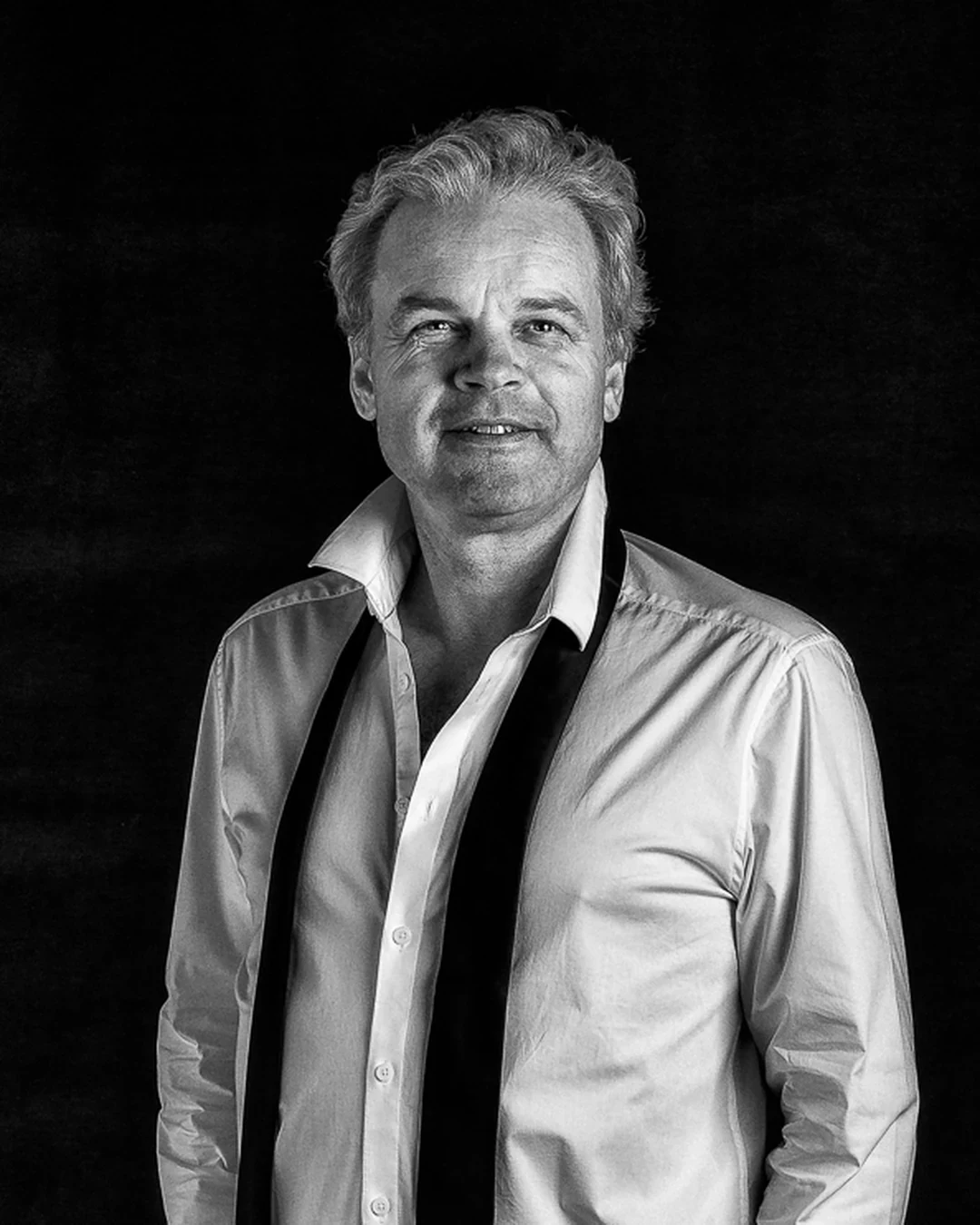
Joost de Willebois, winemaker at Domaine J. de Villebois in Verdigny, reads Loire Sauvignon Blanc by parcel and soil.
Joost de Willebois reads Sauvignon Blanc by parcel as winemaker at Domaine J. de Villebois in Verdigny, where the work begins with the difference between soils rather than a house style imposed over them. The domaine was founded in 2004, after Joost acquired a 10-hectare vineyard in Mareuil sur Cher, near Saint-Aignan in Touraine. That first ground, then known as La Chardoisie and bought from Mr. Marc Buchet, became the foundation for a family Loire estate built with Miguela de Willebois and later anchored more firmly in Sancerre through the Verdigny estate.
His earlier life in finance left a visible discipline in the cellar: structure, sequence, and restraint. The domaine describes its task in his own terms: “We like to think of ourselves as translators; we strive to understand the original language of each of our soils.” That sentence sits close to the method. Sauvignon Blanc remains the center, with Pinot Noir appearing in a smaller role for rosé. The ambition is regional rather than single-vineyard narrowness: Sancerre, Pouilly-Fumé, Menetou-Salon, Touraine, and IGP Val de Loire, each held apart long enough for its accent to matter.
The Touraine Sauvignon Blanc gives the clearest view of the bench-side protocol. Grapes from the Argiles à Silex slopes overlooking the Cher Valley are machine-picked, pressed with a pneumatic press after a 12-hour skin-contact maceration, and fermented in stainless steel tanks for 7 to 15 days. The new wine then rests on fine lees in stainless steel tanks for six months before blending and bottling in the spring after harvest. No oak is needed for that line of work. The tank preserves the cut, while lees time gives the wine its texture.
The wider program keeps the same attention on place. Sancerre Silex draws from flint-rich ground described by the domaine as 45-million-year-old terroir; Sancerre Marnes Kimmeridgiennes points toward fossil-rich marl. In 2008, the house began working with growers in Sancerre and Pouilly-Fumé, extending the reading beyond its first Touraine vineyard. Thierry Merlet and Patrice Merceron joined Joost’s team as Sauvignon Blanc specialists, adding technical depth to a domaine focused almost entirely on one grape. In 2021, the estate received the Vignerons Engagés label, placing its sustainable winegrowing inside a broader chain of responsibility from vineyard to bottle.
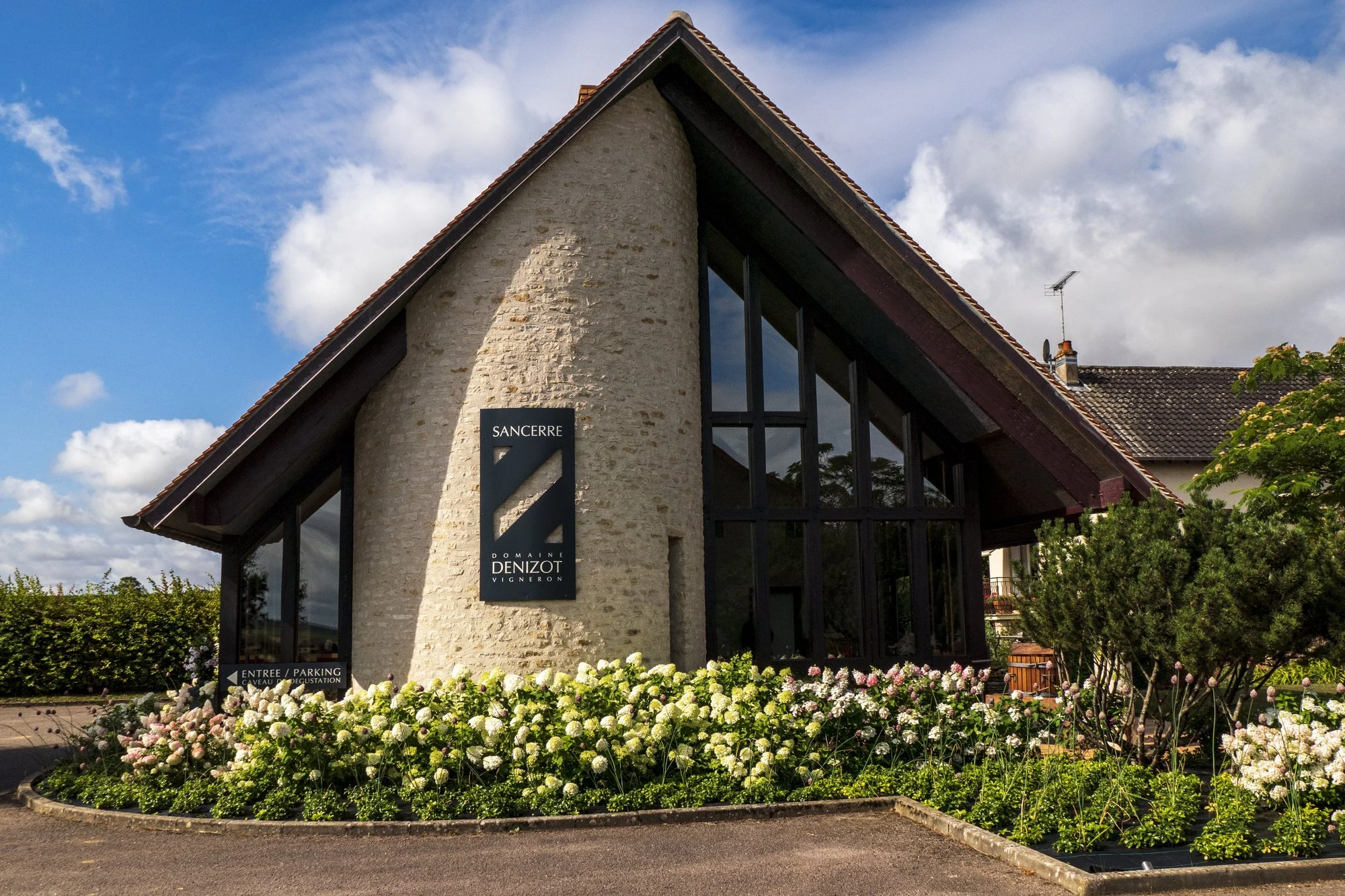
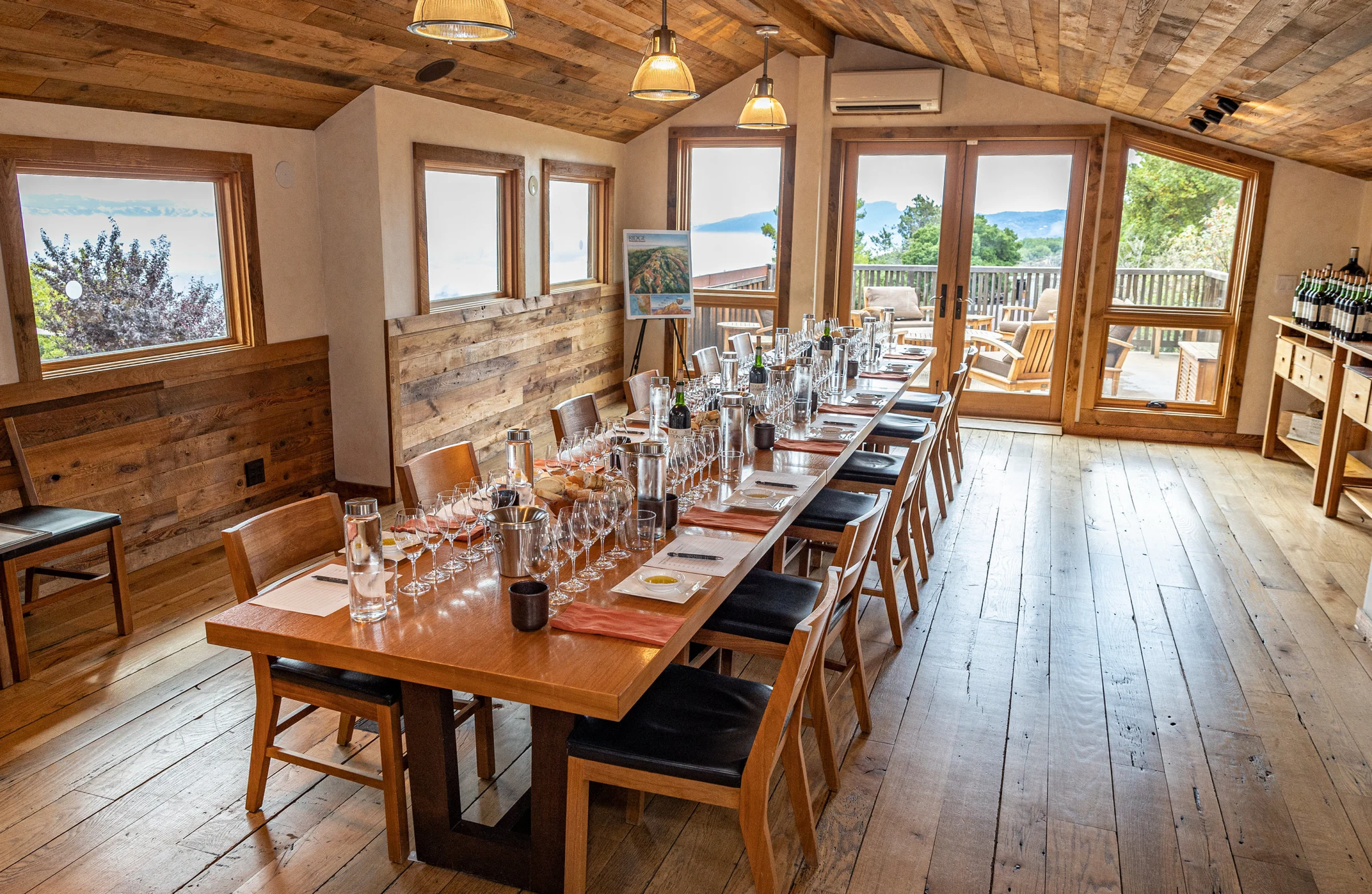
The tasting room at Verdigny keeps the register close to the wines: quiet, classic, and built around comparison. This is not a cellar for spectacle. The room asks the visitor to move from one Loire inflection to another, from Touraine fruit to Sancerre tension, from silex to Kimmeridgian marl. The work is educational without becoming didactic, a guided pass through Sauvignon Blanc as geology, farming, and cellar timing.
Outside, the village places the domaine within the wider Loire landscape, with Sancerre close by and the valley’s cultural inheritance never far from the glass. Inside, the family house keeps the focus on cuvée, appellation, and the exacting patience of stainless steel. The final marker is still the same grape that brought Joost here: Sauvignon Blanc from Domaine J. de Villebois.
Verdigny, Center-Val de Loire, Frankreich
Verdigny