Domaine Binet-Jacquet
- 01CityFaugeres, France

- Falstaff Winery - Listed · 2026
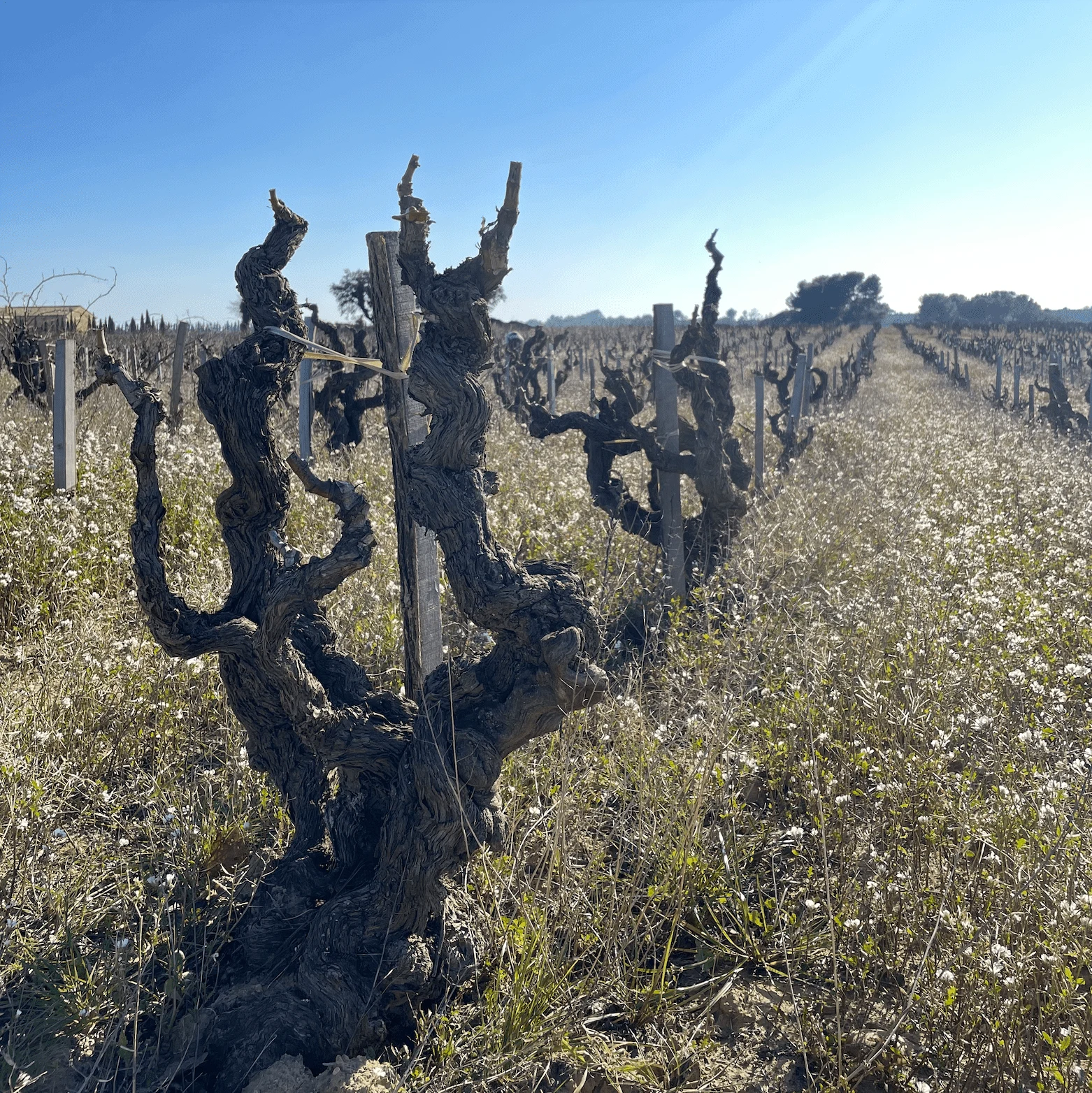
Approaching wine in Faugeres means leaving behind the softer postcard version of the Languedoc. The terrain turns hillier and stonier, and schist becomes the defining material underfoot. Domaine Binet-Jacquet belongs to that harder-edged version of the region: small in scale, quiet in atmosphere, and built around serious red wines that make sense only when the land is taken seriously.
This is not a page for invented spectacle or inflated visitor promises. The picture of Domaine Binet-Jacquet is narrower and more useful: a small, uncompromising biodynamic estate in the hilly, schist-based Faugères landscape, with an intimate rural atmosphere rather than a tourism-infrastructure identity. Its appeal rests on terroir-driven reds and on the particular tension that schist, slope, and inland Languedoc character can bring to southern French wine.
Schist, altitude, and the Faugères argument for serious reds
The estate is best understood through the landscape around Faugeres. Schist is central to the description of the place, and it gives the wines a different frame from softer, broader images of the Languedoc. In this context, “serious reds” does not need to mean heaviness or showmanship. It points instead to wines whose identity is tied to terrain: hilly ground, stony soils, and a rural setting where the vineyard is the main story.
Domaine Binet-Jacquet’s profile is intentionally small and focused. It is described as biodynamic, uncompromising, scenic, rustic, and somewhat hidden-gem in character. Those words matter because they set expectations correctly. This is not a polished, high-traffic destination built around broad hospitality services. It is a place to approach as a rural Languedoc estate where the interest lies in how red wine reflects the schist-based Faugères landscape.
Because the confirmed data is limited, it is better not to overstate the details. Specific grape varieties, cuvée compositions, founding dates, vineyard size, tasting formats, critic scores, or named accolades should not be treated as here. What can be said with confidence is simpler: Domaine Binet-Jacquet is a small biodynamic estate in Faugeres, and its reputation on this guide rests on terroir-driven reds rather than on luxury services, restaurant-style amenities, or a heavily staged visitor experience.
That restraint is part of the editorial value. Many wine pages become less useful when they pile on unsupported claims about exact bottlings, cellar practices, visitor formats, or awards. For Domaine Binet-Jacquet, the grounded case is already clear enough: it belongs to the schist-based, hilly side of the Languedoc conversation, where serious red wine is read through soil, slope, and farming approach.
A rural estate format, not a polished wine-tourism stop
Experience here is better understood through the estate’s rural atmosphere than through assumptions about conventional wine tourism. The description points to intimacy, quiet, and a hidden-gem character. That means expectations should be modest and wine-focused. Visitors interested in terroir, biodynamic farming, and the Faugères landscape are the natural audience; travelers seeking a broad-service hospitality venue should not project that model onto the estate without confirmed details.
The strongest way to frame Domaine Binet-Jacquet is as an address for serious, terroir-driven reds in Faugeres. Its setting is scenic and rustic, but the draw is not scenery alone. The appeal is the connection between a small biodynamic estate and a schist-based landscape whose geology shapes how the wines are understood. In a region often summarized too broadly as “southern French wine,” that specificity matters.
It is also important to separate what is known from what is merely tempting to infer. The guide therefore treats the estate as a wine-focused rural property, not as a dining venue or a guaranteed hospitality stop with fixed services.
For a wider sense of Faugeres, pair this estate with other local dining, lodging, bar, and experience research in the area. Those broader trip-planning categories can help anchor a visit without turning Domaine Binet-Jacquet into something it is not. The winery’s own identity remains concentrated: small scale, biodynamic farming, schist-based landscape, and serious reds.
How to read the wider French wine route around it
Domaine Binet-Jacquet also makes sense within a larger French wine itinerary because it offers a contrast to more formal or better-known wine regions. The point is not to compare it against named prestige estates or to borrow status from unrelated destinations. Its value is local and specific: a grounded example of how the Faugères landscape can produce reds with a strong sense of place.
For travelers moving through southern France, that can be especially useful. Faugeres offers a different register from coastal leisure, city dining, or large-scale regional wine brands. At Domaine Binet-Jacquet, the emphasis is on a small, uncompromising biodynamic estate in a hilly, schist-based setting. That makes it better suited to visitors who want to understand the landscape than to those looking for a checklist of amenities.
The editorial case for Domaine Binet-Jacquet is narrow and strong: this is a Faugeres address for understanding how biodynamic farming, schist, and serious red wine can interact on a small rural estate. Go for terroir literacy, not spectacle. The reward is a clearer reading of why this inland Languedoc landscape deserves attention from drinkers who care about place as much as polish.
Questions
Frequently asked
How expensive is Domaine Binet-Jacquet?
Domaine Binet-Jacquet is listed at a price level of $$.
The field
How it compares
| Place | Notes | Awards |
|---|---|---|
| Domaine Binet-Jacquet | Faugères, $$ | · |
| Billecart-Salmon | Aÿ | World's 50 Best |
| Château Léoville Barton | Saint-Julien-Beychevelle | · |
| Domaine Cébène | Faugeres | · |
| Domaine La Barroche | Châteauneuf-du-Pape | · |
| Schloss Johannisberg | Geisenheim-Johannisberg | World's 50 Best |
| Yamazaki (Suntory) | Shimamoto | · |