Six communes of Sauvignon Blanc
- Falstaff Winery - Listed · 2026
Selections from six communes
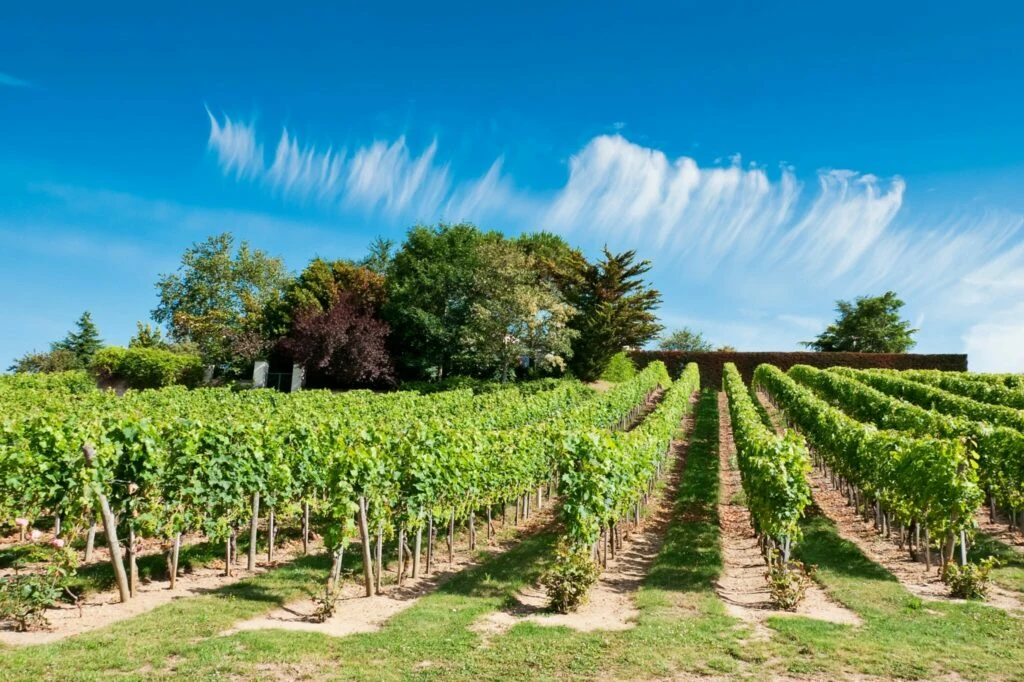
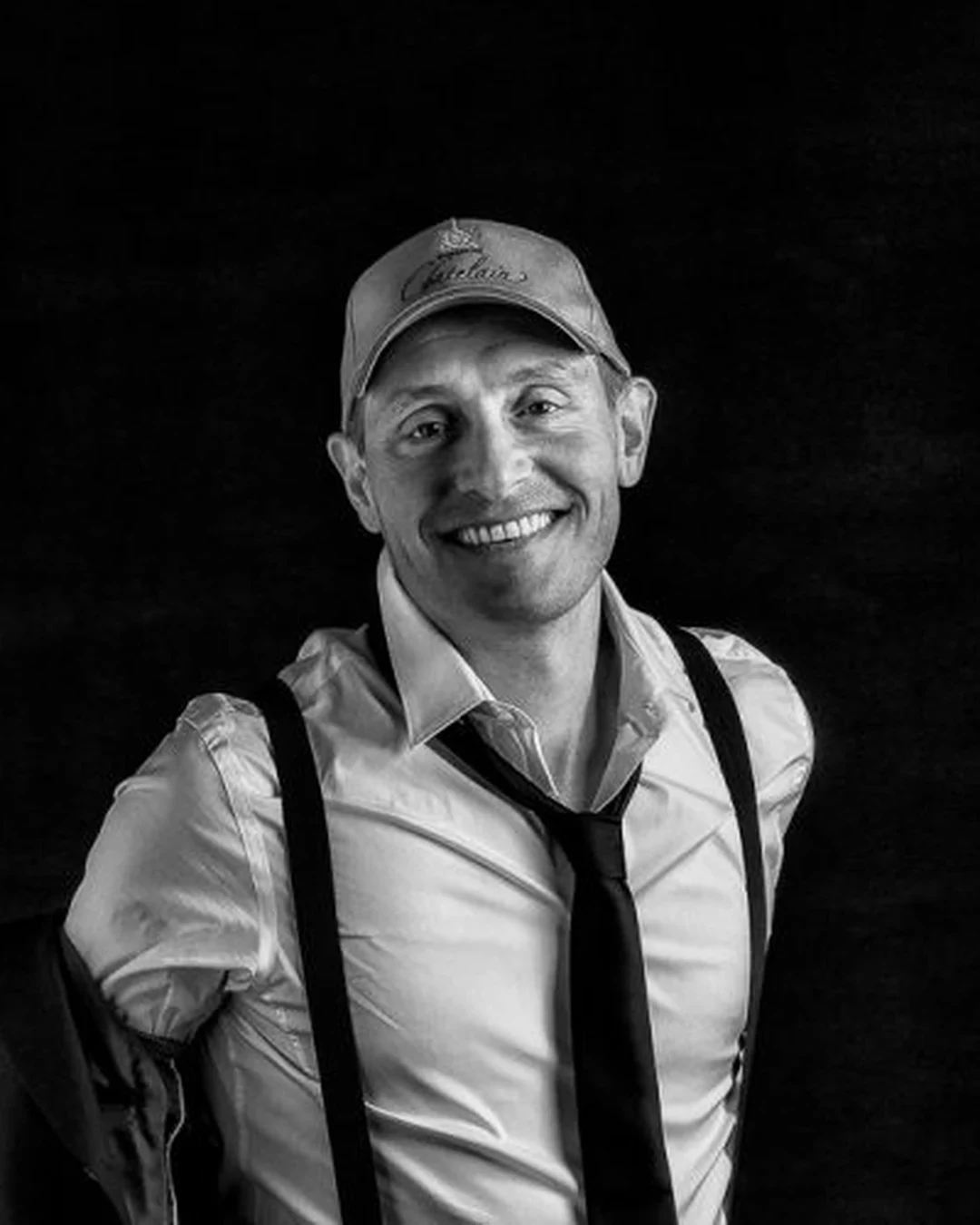
The blending decisions sit with Vincent Chatelain, owner and winemaker at Domaine Chatelain in Saint-Andelain, where Sauvignon Blanc comes in from a family estate with roots in 1630. His work belongs to a 12th-generation line in Pouilly-Fumé, with 30 hectares of vines spread across six communes: Tracy-sur-Loire, Pouilly-sur-Loire, Mesves-sur-Loire, Saint-Andelain, Saint-Laurent l’Abbaye, and Saint-Martin-sur-Nohain. The station is not built around a single slope or a single soil. It asks for comparison, for restraint, for the patience to let one parcel carry fruit while another carries cut.
Before the domaine, Vincent’s public work included practical testing on television in 2013, a role that depended on observation and the ability to make method legible. At the cellar, that impulse has a quieter use. He works as the family’s owner and winemaker, holding the daily choices of an estate that has stayed close to one grape, one appellation, and one inherited discipline. The house describes its aim in terms of balance, elegance, and distinction; the more useful evidence is the vineyard map, because it gives him a broad reading of Pouilly-Fumé rather than a narrow signature.
Stainless steel and Sauvignon Blanc
The program here is still white wine from Sauvignon Blanc, grown within Pouilly-Fumé AOC. The domaine works conventionally and at a small scale, with estate fruit rather than purchased grapes. In the cellar, fermentation takes place in stainless steel with temperature held between 16–18°C, a range chosen to keep the grape’s aromatic line clear while allowing a controlled ferment. It is not a dramatic method. It is a method that leaves little room for disguise.
The vineyard material gives the cellar its range. Barrois limestone warms quickly and can move fruit toward earlier maturity. Flinty clay, present on limestone plateaus in Saint-Andelain, Saint-Laurent Abbey, and Tracy-sur-Loire, gives structure and a firmer mineral line. Kimmeridgian marls cover much of the Pouilly vineyard area and bring fruit and length. Some cuvées draw from vines aged 25–30 years; others use parcels described at 20–30 years. Vincent’s task is to keep those differences audible without letting the blend become a catalogue of soils.
A quiet estate around the cellar
The room at Domaine Chatelain has the cadence of an established family winery rather than a staged tasting address. Visitors come for the cellar, the vineyard surroundings, and the glass, but the feeling is less performance than continuity. The setting in Les Berthiers, Saint-Andelain, keeps the work close to the vines; the cellar visit and the tasting room sit inside the same practical geography as the harvest decisions.
That quiet matters. Pouilly-Fumé can be reduced too easily to a shorthand of flint, yet here the material is broader: limestone, clay, silica, marl, river influence, commune by commune. The pleasure of the place is in watching a small estate hold those distinctions without noise. The final read comes in the glass, particularly when Saint-Andelain’s flinty clay presses its line through Domaine Chatelain’s Sauvignon Blanc.
Questions
Frequently asked
Who runs Domaine Chatelain?
Vincent Chatelain is the owner and winemaker at Domaine Chatelain in Saint-Andelain.
What does the domaine make?
The estate makes white wine from Sauvignon Blanc within Pouilly-Fumé AOC, using estate-grown fruit.
What is the style of winemaking here?
The cellar work is conventional and small scale, with fermentation in stainless steel at 16–18°C.
Is it easy to visit without booking?
The domaine is walk-in friendly, and street parking is available nearby.
The field
How it compares
| Place | Notes |
|---|---|
| Domaine Chatelain | Les Berthiers, $ |
| Didier Dagueneau | Saint-Andelain |
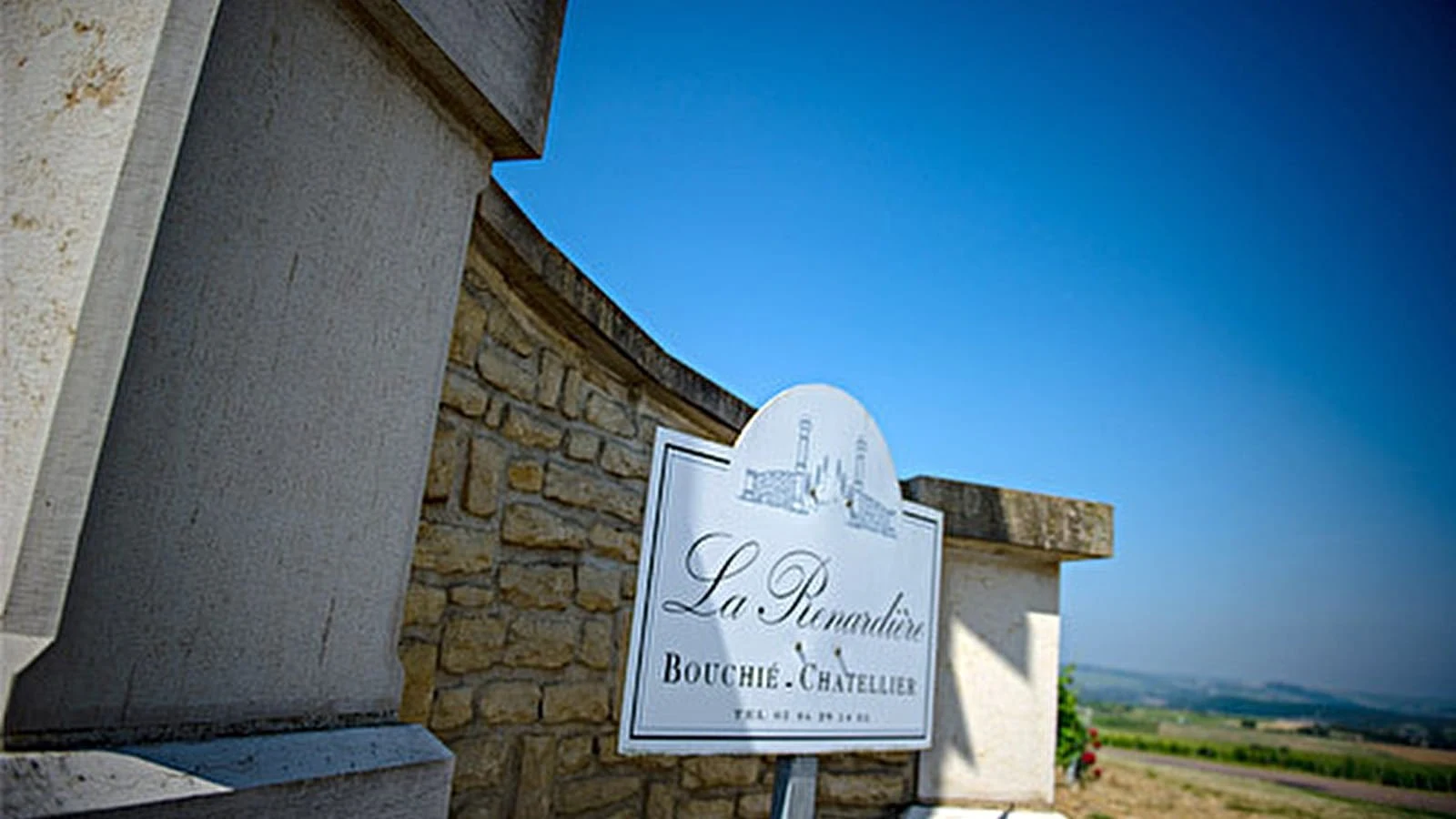
| Domaine Bouchié-Chatellier | Saint-Andelain |
| Domaine de la Loge | Saint-Andelain |
| Domaine de Riaux | Saint-Andelain |
| Domaine du Bouchot | Saint-Andelain |
| Domaine Serge Dagueneau & Filles | Saint-Andelain |