
- Falstaff Winery - Listed · 2026
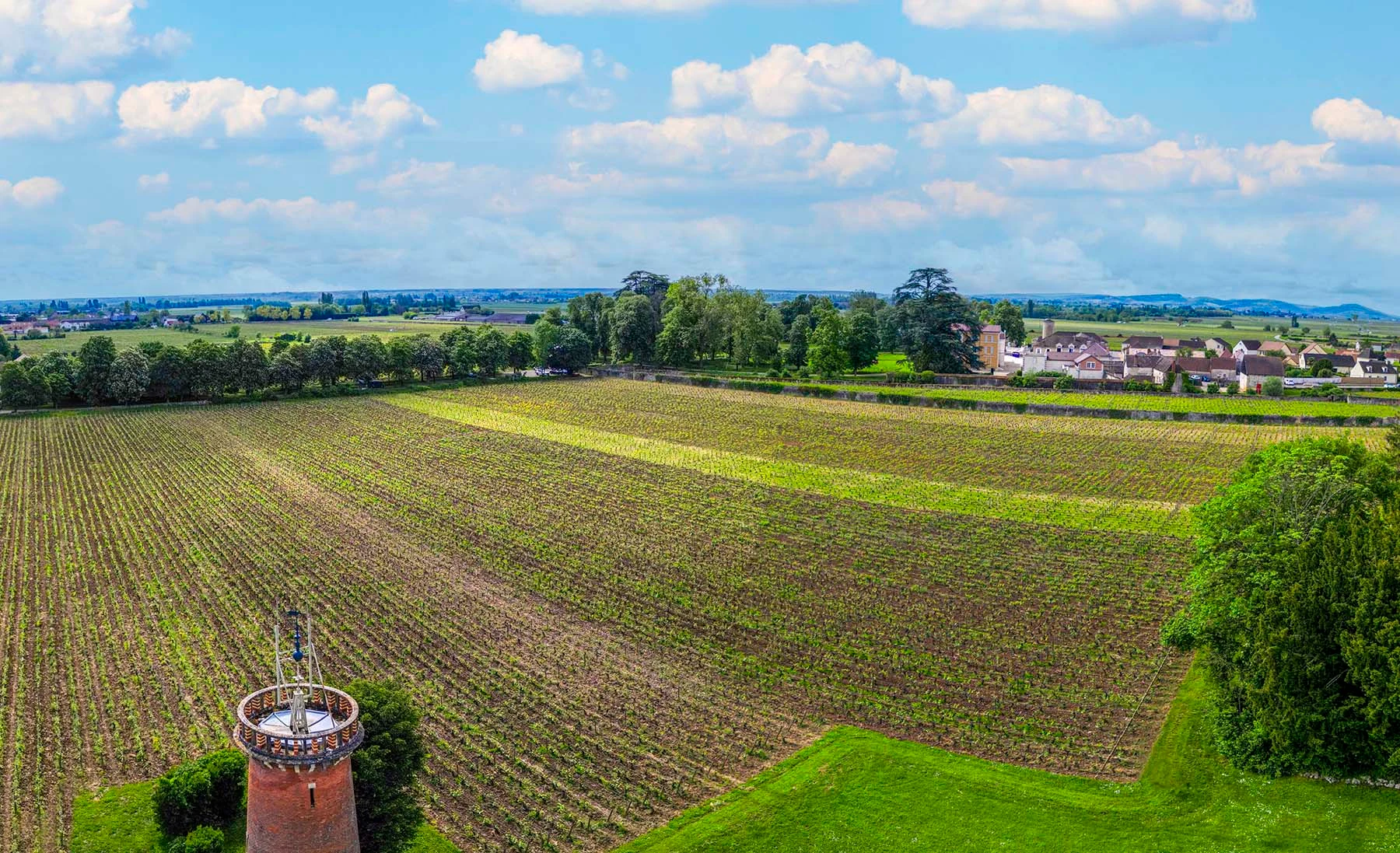
Arriving in Buxy, the first impression at Domaine Cognard Laurent is architectural and atmospheric. This family-run Burgundy estate is housed in the historic Château de Buxy in the center of the medieval village, so the visit begins with a sense of place before any detailed wine conversation is considered. The château setting gives the stop a classic, slightly rustic frame rather than a polished luxury setting, and that distinction matters: the appeal comes from being embedded in an old village environment, not from presenting itself as a highly staged destination.
The most useful way to understand the venue is through that setting. Domaine Cognard Laurent has a dedicated tasting cellar, and its former prison cellars add a historic character to the experience, giving the estate a backdrop that feels more layered than a standard tasting room. Beyond those details, specific claims about grape varieties, appellations, production methods, visit formats, group capacity, reservations, payments, shipping, pets, food pairings, or service options should be confirmed directly with the estate before planning around them. That caution is important because the strongest confirmed information is about the place itself, not a full catalogue of visitor logistics.
Château cellars and a historic Buxy setting
The Château de Buxy is the key visitor detail because it defines the atmosphere. The estate’s position in the center of the medieval village, combined with its tasting cellar and former prison cellars, makes the experience feel rooted in local history rather than detached from its surroundings. The tone is best described as classic, rustic, and grounded in place, with the cellar context doing much of the work in shaping how the visit feels.
For travelers interested in Burgundy wine culture, this is a venue where the building and cellar context are central to the appeal. The information supports a visit framed around Domaine Cognard Laurent’s family-run identity and historic cellar setting, rather than around menu-style tasting details or specific wine claims. In practical terms, that means the estate is best approached as a place to encounter a Burgundy domaine in its village and château context, while leaving more detailed expectations open until they are confirmed directly.
The price level is listed as $$, which gives a broad planning cue without confirming any specific tasting fee, bottle price, or package. It suggests a middle-ground reference point, but it should not be treated as a substitute for current information from the estate. Visitors should check current arrangements directly with Domaine Cognard Laurent if timing, access, language, group size, or particular wines are important to the visit. This is especially true for anyone building a day around the stop, because small differences in access or availability can affect the shape of the experience.
Why this tasting makes sense in Buxy
Buxy is a fitting base for a quieter Burgundy stop, especially for travelers who want a village setting rather than a more formal destination built around prestige labels. Domaine Cognard Laurent’s strengths are its family-run character, its Château de Buxy location, and its dedicated tasting cellar. Those elements combine to make the visit feel local and contained: the estate is not presented here as a broad wine-tourism complex, but as a specific Burgundy address where the surrounding village and old stone setting are part of the reason to go.
Because the available data is limited, the safest way to plan is to treat the estate as a historic cellar visit in Buxy and confirm practical details in advance. Other dining and travel options in Buxy can be considered generically around the visit, but no specific restaurant, hotel, bar, or activity should be assumed from the information provided here. The best planning approach is therefore simple and conservative: decide whether the château-and-cellar atmosphere is what you are looking for, then contact the estate for the details that matter to your visit.
Compared with more elaborate wine-tourism experiences, Domaine Cognard Laurent’s appeal is simpler: a Burgundy estate in a historic château, in the center of a medieval village, with cellars that reinforce the classic and slightly rustic atmosphere. That simplicity can be a strength for travelers who prefer a more grounded stop, where the point is not a long list of programmed features but the experience of being in a family-run estate with a clear connection to its setting. That is enough to make it relevant for travelers seeking a grounded Buxy wine stop without relying on claims that are not supported by the available information.
The reason to come here is the setting. Domaine Cognard Laurent offers a combination of family-run estate identity, Château de Buxy surroundings, a tasting cellar, and former prison cellars. Those are the facts that give the venue its character and make it stand out as a Buxy stop. For anything more specific, from exact wines to booking conditions, visitors should verify directly before going.
Questions
Frequently asked
Who works at Domaine Cognard Laurent?
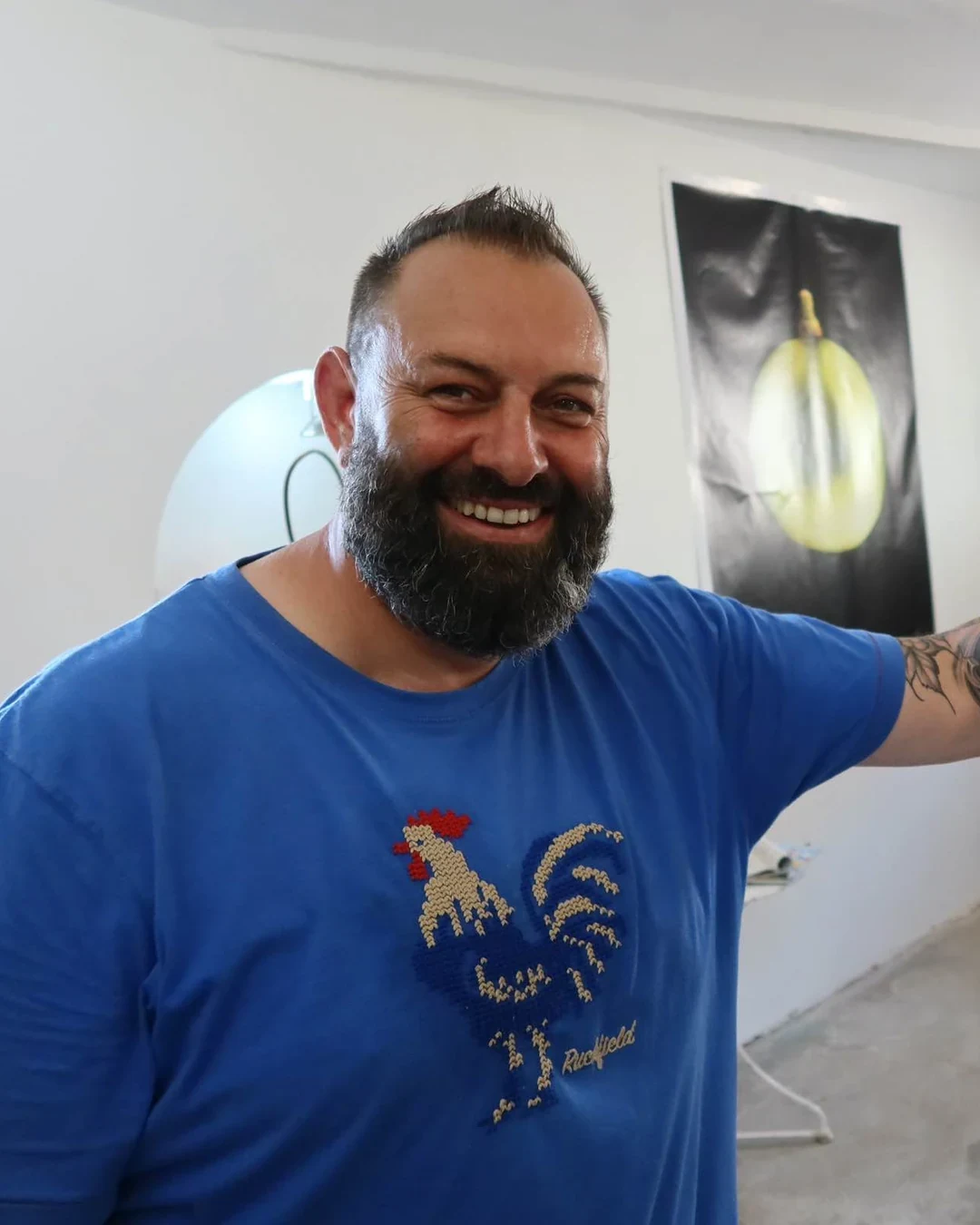
Made By profiles Laurent Cognard (Winemaker) at Domaine Cognard Laurent.
How expensive is Domaine Cognard Laurent?
Domaine Cognard Laurent is listed at a price level of $$.
The field
How it compares
| Place | Notes |
|---|---|
| Domaine Cognard Laurent | Buxy town center, $$ |
| Domaine Arnaud Ente | Meursault |
| Domaine Bonneau du Martray | Pernand-Vergelesses |
| Domaine Emmanuel Rouget | Flagey-Echézeaux |
| Domaines Barons de Rothschild (Lafite) | Bordeaux |
| Hundred Acre | Napa |
| Les Vignerons de Buxy | Buxy |