Jérôme Coursodon, winemaker at Domaine Coursodon in Mauves, crafts Saint-Joseph from granite slopes and estate-grown fruit there, too.
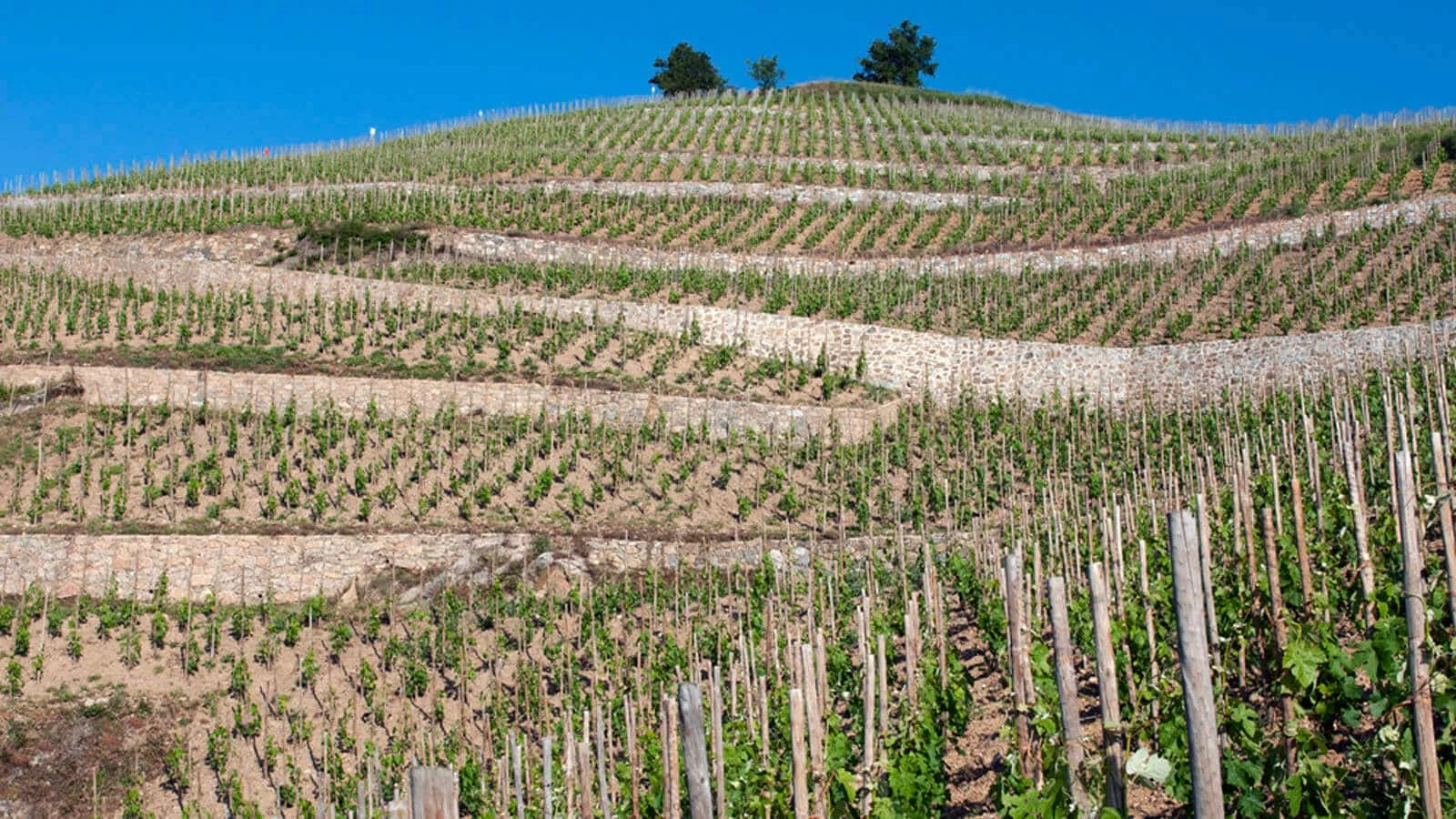
The cellar work stays close to the slopes. Jérôme Coursodon, winemaker at Domaine Coursodon in Mauves, keeps Saint-Joseph as the house language, red and white, drawn from the granitic hillsides around the village. He joined his father Pierre in 1998 and works within a fifth generation Coursodon line, one shaped by Jean-Auguste Coursodon, Antonin Coursodon, and Gustave Coursodon before him. The role is not a broad brief. It is a narrow one, and that is its force: Mauves, Saint-Joseph, estate fruit, cellar decisions made in relation to the contours outside the door. Gustave’s turn toward estate bottling in the 1950s changed the way the family sent its wine into the world, moving beyond barrel sales and carrying Saint-Joseph in bottle toward Parisian cafés. Jérôme’s chapter sits after that shift, with Pierre still named in the family house and the current work centered on continuity rather than display. The estate traces its farming roots on these granite slopes to the mid-1800s, and its formal founding to the end of the 19th century. Time is part of the method here. So is restraint.
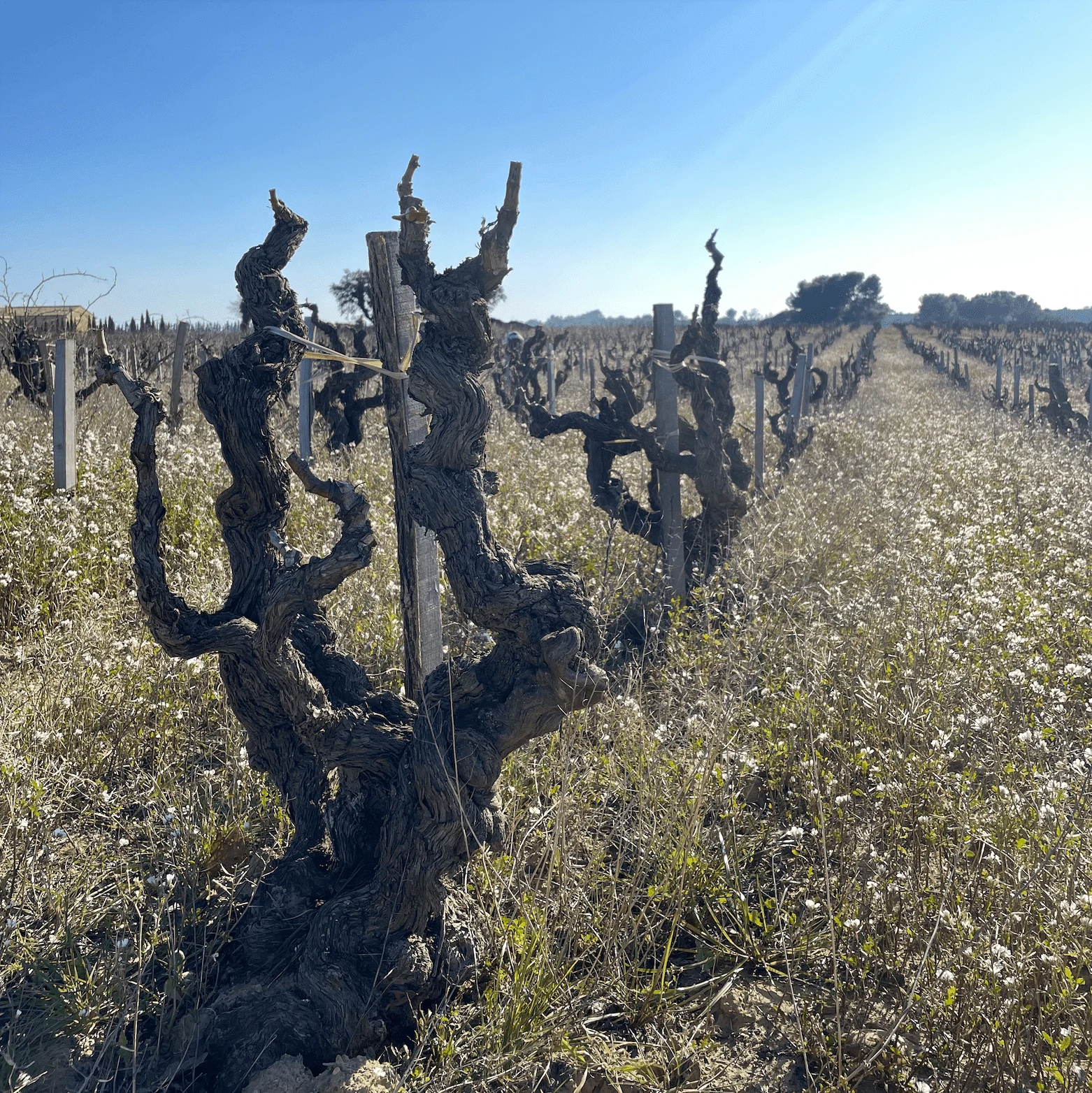
The program is built around 16 hectares, with 13.5 hectares planted to red varieties and 2.5 hectares to white. Syrah carries the reds. The whites draw on Marsanne, Roussanne, and Viognier, with one stated blend composed of 70% Marsanne, 20% Roussanne, and 10% Viognier. The domaine farms organically and works from estate-grown fruit, without purchased grapes. Harvest is manual, a practical necessity on steep ground and a choice that keeps selection at the vine rather than later in the process. The average vine age is 35 years. Those figures matter because Saint-Joseph can become too general when spoken of only as an appellation; here, the work pulls back to Mauves, Glun, Tournon, and Saint-Jean-de-Muzols, with the prized gravity still lying in the granite around Mauves. The red cuvées include Silice, L’Olivaie, La Sensonne, and Le Paradis Saint-Pierre. La Sensonne is old-vine fruit raised under new wood. Le Paradis comes from the plot above Mauves, facing south and south-east. The house does not make breadth the argument. It returns to slope, vine age, and élevage.
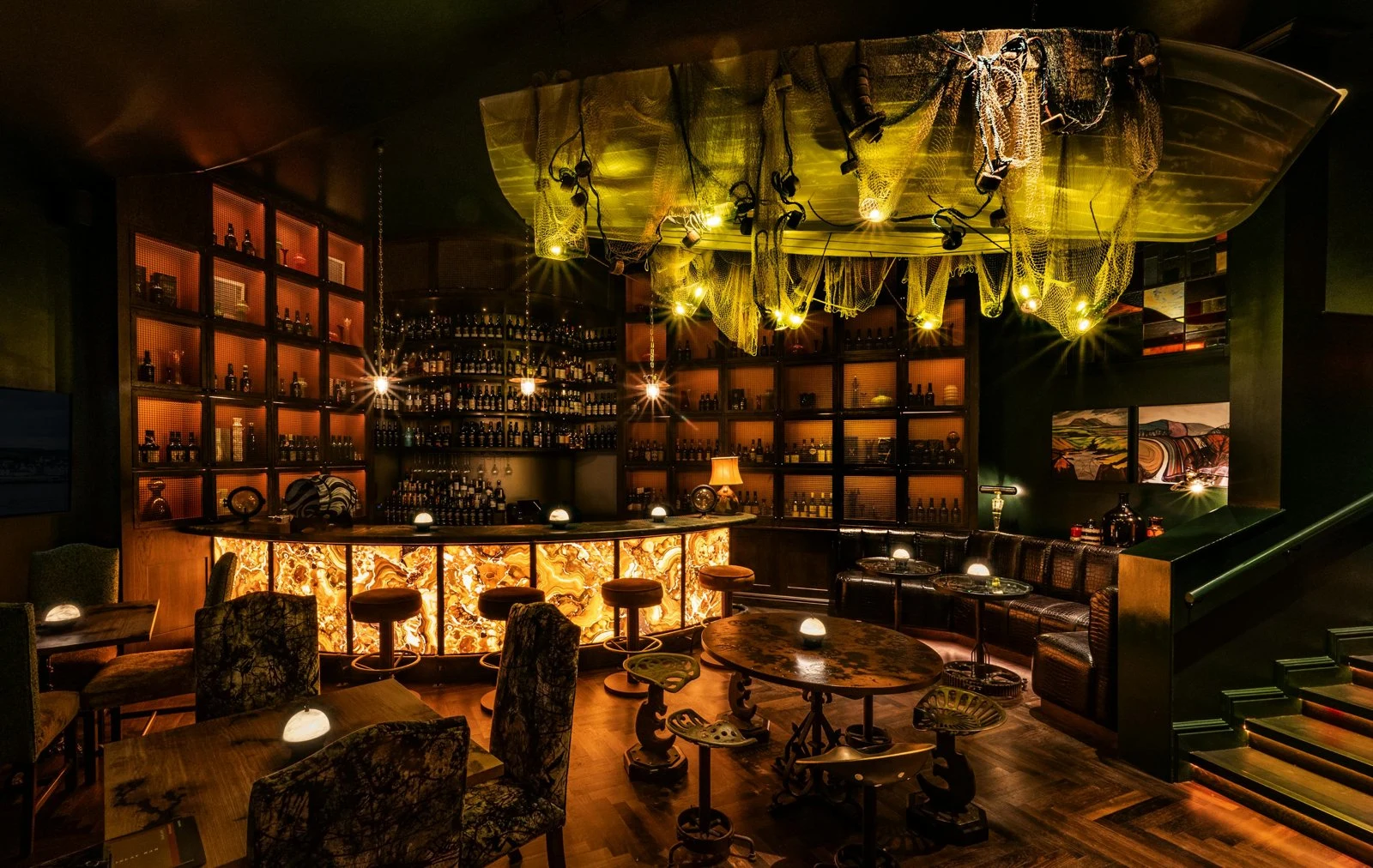
The room at Domaine Coursodon reads as a village cellar before it reads as a tasting room. The Rhône Valley is close, but the important view is upward, toward the hillside parcels that give the wines their shape. In the cellar, the quiet suits the work: Saint-Joseph Blanc beside Saint-Joseph Rouge, Silice beside Le Paradis Saint-Pierre, bottles held not as trophies but as a record of decisions made vineyard by vineyard. The tasting space belongs to the same rhythm. This is not a house built around spectacle; it is a family estate where the counter, the cellar, and the slopes remain connected by daily repetition. Mauves gives the place its scale. Granite gives it its tension.
When Saint-Joseph was established in 1956, it counted six communes: Mauves, Glun, Tournon, St. Jean-de-Muzols, Vion, and Lemps. In 1968, the appellation expanded to twenty, changing the frame around the original granitic slopes. Domaine Coursodon’s importance rests in that older center, where the family’s holdings remain tied to Mauves and the surrounding steep ground. The next vintage will still ask the same question of Jérôme Coursodon: how much of Le Paradis Saint-Pierre can be carried from granite into glass.
Mauves, Auvergne-Rhône-Alpes, Frankreich
Mauves