The Weight of Kimmeridgian Stone
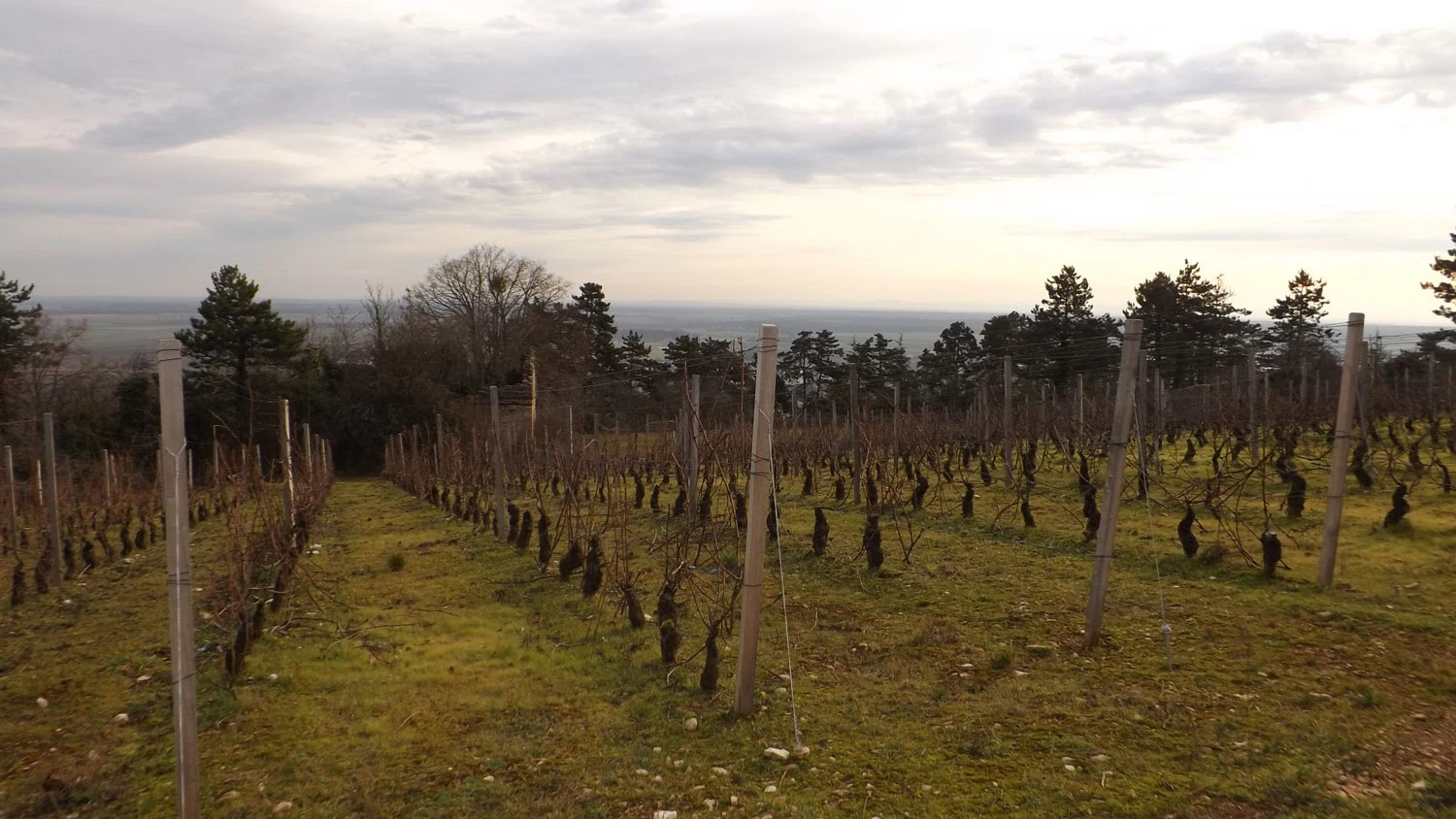
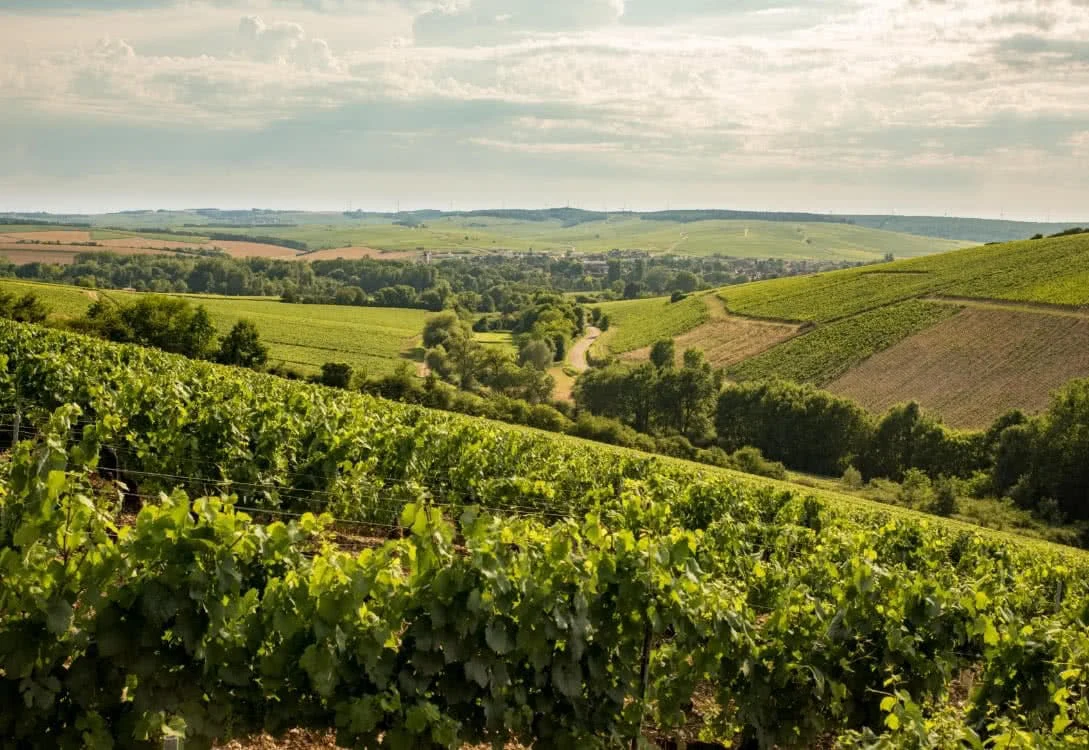
Chablis operates on a different register from the rest of Burgundy. Where the Côte d'Or trades in texture and weight, this northernmost Burgundian appellation produces white wines defined by tension: a limestone and clay soil composition dating back to the Kimmeridgian age that gives the wines their signature mineral edge and their notable capacity to age. Within that appellation, a small group of domaines has spent decades separating itself from the cooperative-led mainstream. Domaine Dauvissat sits at the summit of that group.
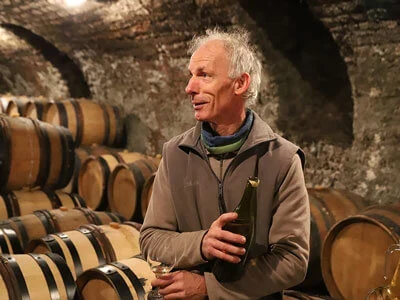
The domaine's address on Rue Émile Zola places it squarely in the town of Chablis itself, a short walk from the Serein river and the limestone slopes above it. The physical setting matters here in a way it doesn't in more industrialised wine regions: the proximity of the winemaker to the vines, across parcels worked with minimal outside intervention, is part of what shapes the house style.
The Sunday email
Read about the people behind wineries like Domaine Dauvissat in the Sunday email.
Every Sunday we send a lead story and up to four more about the chefs, winemakers, sommeliers and hoteliers behind the restaurants, bars, wineries and hotels we cover.
Recent stories
Free. One email a week, and you can unsubscribe from any issue.
Vincent Dauvissat and the Minimal-Intervention Tradition in Chablis
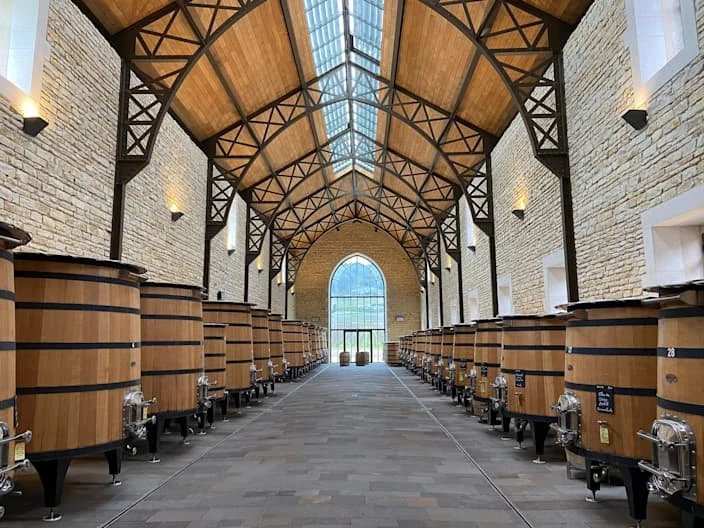
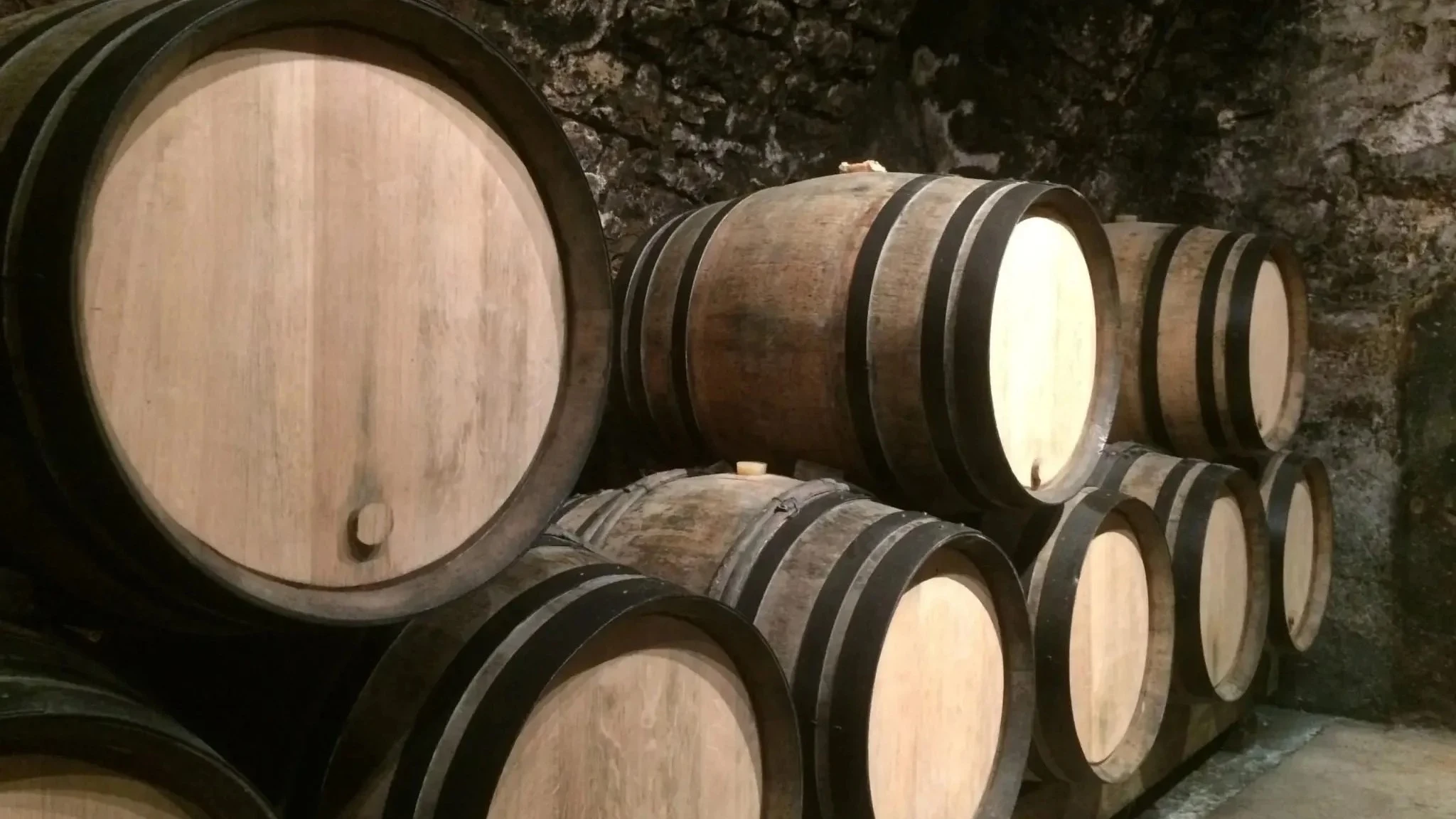
Winemaking philosophy in Chablis has split into two broad camps over the past thirty years. One camp uses stainless steel exclusively, prioritising freshness and the appellation's clean fruit character. The other works with old oak, either large casks or small barrels, to introduce texture and allow longer evolution. Domaine Dauvissat has long represented the oak camp's most rigorous expression, though the barrels here are old enough that their influence is mineral amplification rather than flavour addition.
Vincent Dauvissat's approach to the vines follows the same logic: low yields, old vines, and manual work through the growing season. These are not notable practices in fine wine generally, but in an appellation where volume output and cooperative membership remain dominant, they place the domaine in a genuinely small comparable set. That comparable set includes producers like Domaine William Fevre and Domaine Billaud-Simon at the serious end of the Chablis quality spectrum, though Dauvissat's allocation scarcity and critical recognition place it in a narrower category still.
The first vintage recorded for the domaine is 1947, which puts Dauvissat among the older continuous-production estates in the appellation.
The Wines: Premier Cru and Grand Cru as the Core Argument
Chablis's classification system runs from generic appellation through village, premier cru, and grand cru, with the seven grand cru vineyards, Blanchot, Bougros, Les Clos, Grenouilles, Preuses, Valmur, and Vaudésir, all occupying a single south-facing hillside above the town. Dauvissat holds parcels in several of these grand cru sites alongside premier cru holdings, giving the domaine's range a vertical structure that allows comparison across the classification. Among peers in this category, Domaine Eleni and Edouard Vocoret and the large-scale operations of La Chablisienne offer reference points for different price tiers and production philosophies.
What distinguishes Dauvissat's grand cru wines from those of neighbours is partly textural, the old-oak élevage adds a weight that stainless-steel fermented Chablis doesn't carry, and partly a question of tension held over years. These are wines that reward cellaring of five to fifteen years at grand cru level, which places them in direct conversation with white Burgundy from the Côte de Beaune. The premier cru wines, including parcels in Séchet and Vaillons, are more accessible in youth but track the same mineral logic.
Collectors will find Dauvissat's release structure familiar: production is small, demand exceeds supply, and the bottles that leave the domaine tend to move through specialist importers and trusted accounts before reaching secondary markets. Those who want a comparative reference point in other French appellations might look at what Domaine François Lamarche represents in Vosne-Romanée: a family-owned estate with deep parcel history and allocation constraints that reflect demand far outpacing production.
Chablis in the Broader French Wine Hierarchy
Chablis sits in an interesting position commercially: it is among the more recognisable French wine names globally, which has historically created a two-tier market where cheap imitations and serious estate wines share a name with little else in common. The appellation's northern latitude and its Kimmeridgian subsoil are genuinely distinct from the Portlandian limestone that covers the larger Petit Chablis zone. At the serious end, producers like Dauvissat serve as the appellation's argument for its own premium relevance.
That argument extends beyond Chablis. Elsewhere in France, domaines working with similar philosophies of low-intervention viticulture and patient élevage in old oak occupy comparable allocation positions. Albert Boxler in Niedermorschwihr holds a parallel status in Alsace: small production, old vines, deep parcel knowledge, and a following that consistently exceeds supply.
For those building a comparative framework across French wine regions, Château Bélair-Monange in Saint-Emilion, Château Branaire-Ducru in St-Julien, and Château Batailley in Pauillac each represent the kind of sustained estate reputation across decades that Dauvissat reflects in white Burgundy terms. Further afield, Accendo Cellars in St. Helena and Château Bastor-Lamontagne in Preignac illustrate how the allocation model for serious estate wine operates internationally.
Questions
Frequently asked
Who works at Domaine Dauvissat?
Made By profiles Vincent Dauvissat (Winemaker) at Domaine Dauvissat.
How expensive is Domaine Dauvissat?
Domaine Dauvissat is listed at a price level of $$$.
The field
How it compares
| Place | Notes |
|---|---|
| Domaine Dauvissat | Chablis, $$$ |
| Domaine Billaud-Simon | Chablis |
| Domaine François Lamarche | Chablis |
| Domaine François Raveneau | Chablis |
| Domaine Moreau-Naudet | Chablis |
| Domaine William Fèvre | Chablis |
| La Chablisienne | Chablis |
Similar places
The Sunday email
Read about the people behind wineries like Domaine Dauvissat in the Sunday email.
Every Sunday we send a lead story and up to four more about the chefs, winemakers, sommeliers and hoteliers behind the restaurants, bars, wineries and hotels we cover.
Recent stories
Free. One email a week, and you can unsubscribe from any issue.