Domaine de Baronarques
- 01CitySaint Polycarpe, France
- Falstaff Winery - Listed · 2026
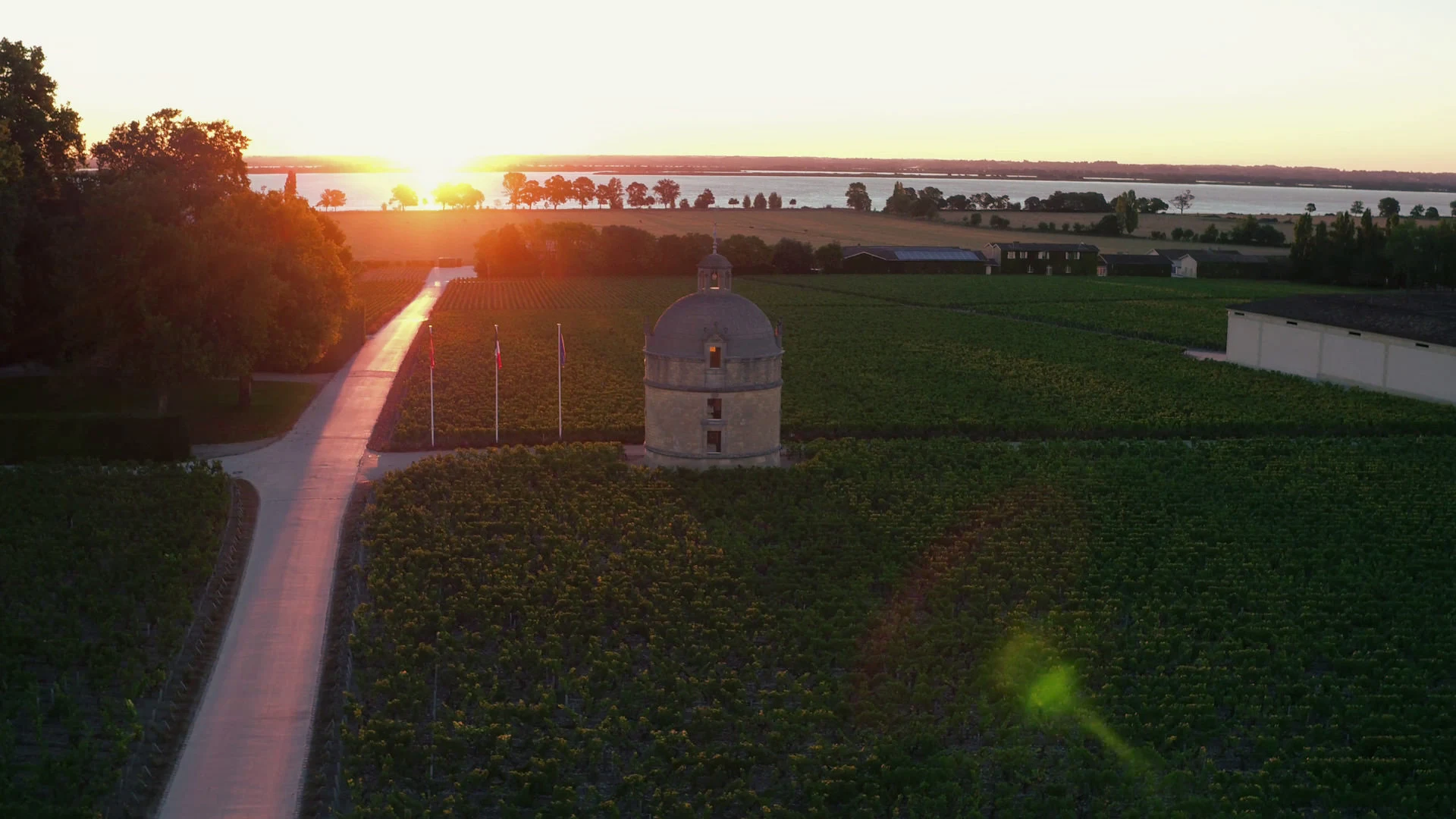
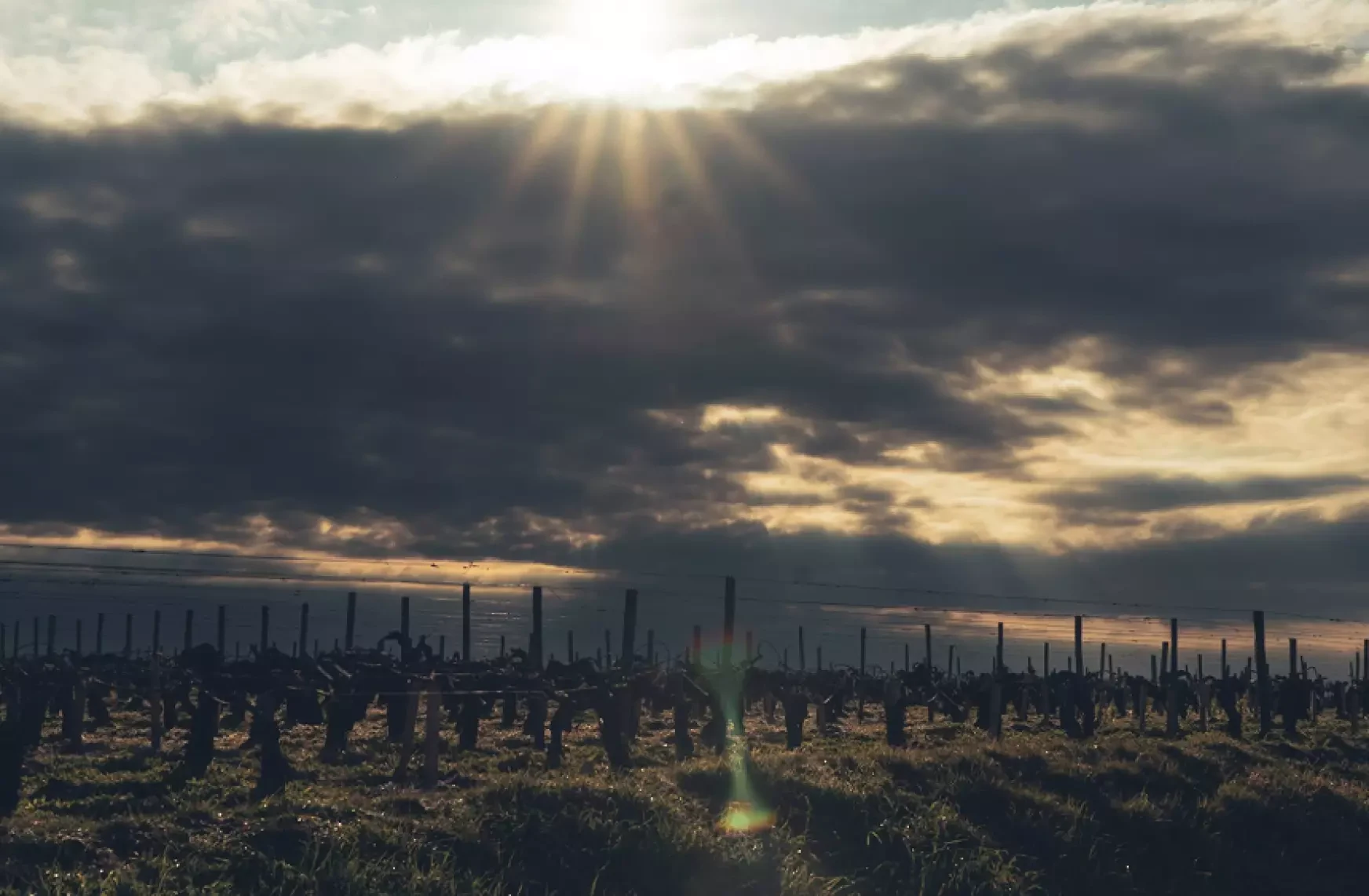
Approaching wine country around Saint Polycarpe, the mood shifts away from the grand-château theatre many travellers associate with French prestige. Here the interest is quieter: vineyard rows, open country, and the sense of a Languedoc estate working at a different tempo from high-volume cellar-door tourism. Domaine de Baronarques belongs to that more focused category, where the visit is built around land, cellar method, and the question of how Limoux can express both Atlantic and Mediterranean pressures in the glass.
That context matters. Languedoc has long carried two reputations at once: a source of generous southern wines and a region where ambitious estates have used altitude, limestone-influenced sites, and cooler pockets to make more structured bottles. Baronarques sits in the latter conversation. Its identity is tied to Baron Philippe de Rothschild S.A. but the more interesting point is not name recognition alone. It is the attempt to apply Bordeaux-derived precision to a part of Occitanie where warmth, wind, and mixed grape culture produce a different register of ripeness.
Limoux terroir through a Bordeaux lens
The estate is set on a 110-hectare property with 43 hectares under vine, a scale that gives it a broad agricultural frame while keeping the wine program estate-led. The planting tells the story clearly: Merlot, Cabernet Sauvignon, and Cabernet Franc sit alongside Syrah, Grenache, Malbec, and Chardonnay. That mix is more than a varietal checklist. It reflects the climatic tension of the area, where Atlantic influence can preserve line and freshness while Mediterranean warmth adds breadth.
Limoux’s wine identity is often discussed through altitude and cooling effects, especially compared with lower, hotter Languedoc zones. Baronarques uses that position to make still red and still white wines rather than chasing the rustic ease often attached to southern French drinking. The point is structure without stripping away regional character. In practical terms, the estate’s red program draws on Bordeaux varieties for frame and Mediterranean grapes for aromatic weight; the white program gives Chardonnay a Languedoc setting without treating it as an imitation of Burgundy.
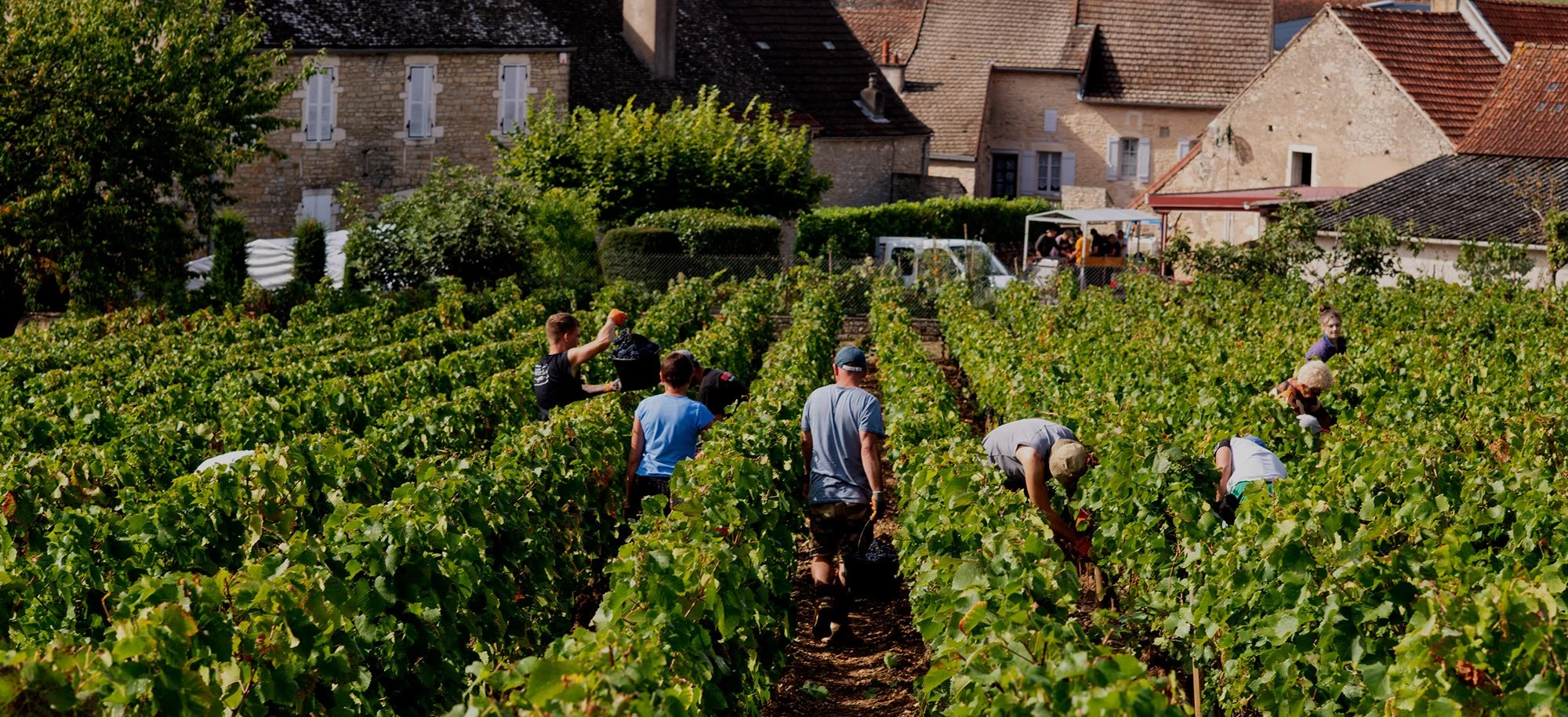
The production signals reinforce that reading. Hand-harvesting, gravity-fed movement, parcel-by-parcel vinification, and French oak ageing place the estate in a disciplined, cellar-conscious tier. These are not cosmetic details. In a warm region, preserving fruit condition and avoiding excessive extraction can define whether a wine feels measured or merely forceful. The Rothschild ownership supplies the trust signal, but the more useful critical lens is how those techniques translate when the raw material comes from Limoux rather than Pauillac.
What the tasting format reveals
The experience is built for wine education rather than casual sampling. Guided tastings and estate visits suit a property whose story depends on explaining climate, varieties, and cellar choices together. A self-contained tasting room can show finished bottles; a guided estate format can show why those bottles exist in that particular configuration. That distinction is central here.
Portfolio is concise: red and white wines from estate fruit, with the red blends carrying the clearest statement of place. The use of Merlot, Cabernet, Syrah, Grenache, and Malbec creates a bridge between two French wine languages. Bordeaux contributes tannic architecture and familiarity for collectors; Languedoc supplies sun, spice, and a looser southern rhythm. The Chardonnay adds another layer, because Limoux has a long relationship with white-wine acidity and cool-climate expression by regional standards.
Critic attention has followed that positioning. The 2010 flagship red reached 95 points on Tastingbook, while 2005 and 2014 reached 94 points. Those scores are useful less as trophy language than as evidence that the estate’s cross-regional project has been taken seriously beyond local tourism. In a region where value and volume can dominate the conversation, sustained critic scoring helps mark a producer working in a more selective lane.
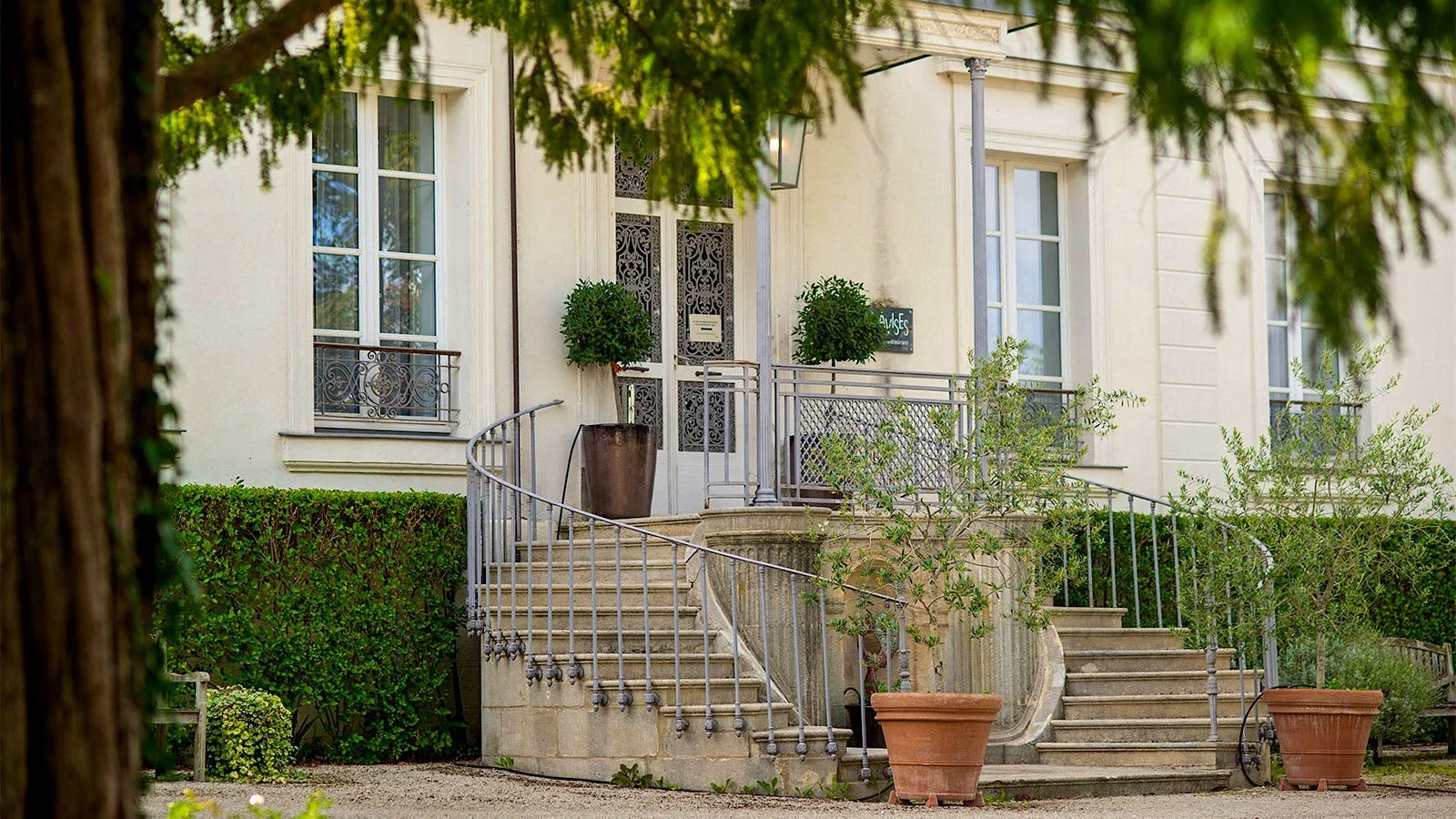
The mood also suits a certain traveller. This is not a noisy tasting bar designed around quick pours and souvenir purchases. The setting is quiet, classic, and vineyard-led, with English and French available for tours. It works for visitors who want to understand why Limoux behaves differently from the coastal Languedoc image, and why Rothschild investment here is more than a branding exercise.
How to place it in a Saint Polycarpe itinerary
Saint Polycarpe is not a city-break wine stop where dining, hotels, bars, and tasting rooms blur into one dense urban circuit. The appeal is slower and more rural, so the winery functions as an anchor rather than an add-on between appointments. Readers mapping the area can pair this page with Our full Saint Polycarpe wineries guide, while broader planning belongs with Our full Saint Polycarpe restaurants guide, Our full Saint Polycarpe hotels guide, Our full Saint Polycarpe bars guide, and Our full Saint Polycarpe experiences guide.
For travellers building a wider French wine route, the useful comparison is not a like-for-like local rival but the contrast between regional wine cultures. Champagne houses such as A. Margaine in Villers-Marmery and Agrapart & Fils in Avize frame precision through chalk, acidity, and sparkling wine craft. Southern and western names such as Abbaye de Fontfroide in Narbonne, Abbotts & Delaunay in Marseillette, Advini in Saint Felix De Lodez, and Alain Brumont in Castelnau Riviere Basse show how large regions and strong identities can produce different versions of French seriousness.
That wider map sharpens Baronarques’ role. Burgundy-linked and Alsace references such as Alain Gras in Saint-Romain and Albert Boxler in Niedermorschwihr put terroir into narrower appellation codes, while Central European addresses including »der Steiner« Hans Steiner in Podersdorf am See and & Handwein in Mannheim underline how place-specific wine travel has become across the continent. In that company, Domaine de Baronarques is compelling because it shows Languedoc moving beyond broad regional shorthand and into a precise estate argument: this land can carry pedigree, but it does not need to taste borrowed.
Questions
Frequently asked
How expensive is Domaine de Baronarques?
Domaine de Baronarques is listed at a price level of $$$.
The field
How it compares
| Place | Notes | Awards |
|---|---|---|
| Domaine de Baronarques | Saint-Polycarpe, $$$ | · |
| Château Latour | Pauillac | · |
| Domaine Hubert Lamy | Saint-Aubin | · |
| Domaines Barons de Rothschild (Lafite) | Bordeaux | · |
| Jacques Selosse | Avize | · |
| Michter's | Louisville | · |
| Weingut Dr. Loosen | Bernkastel-Kues | World's 50 Best |