- Falstaff Winery - Listed · 2026
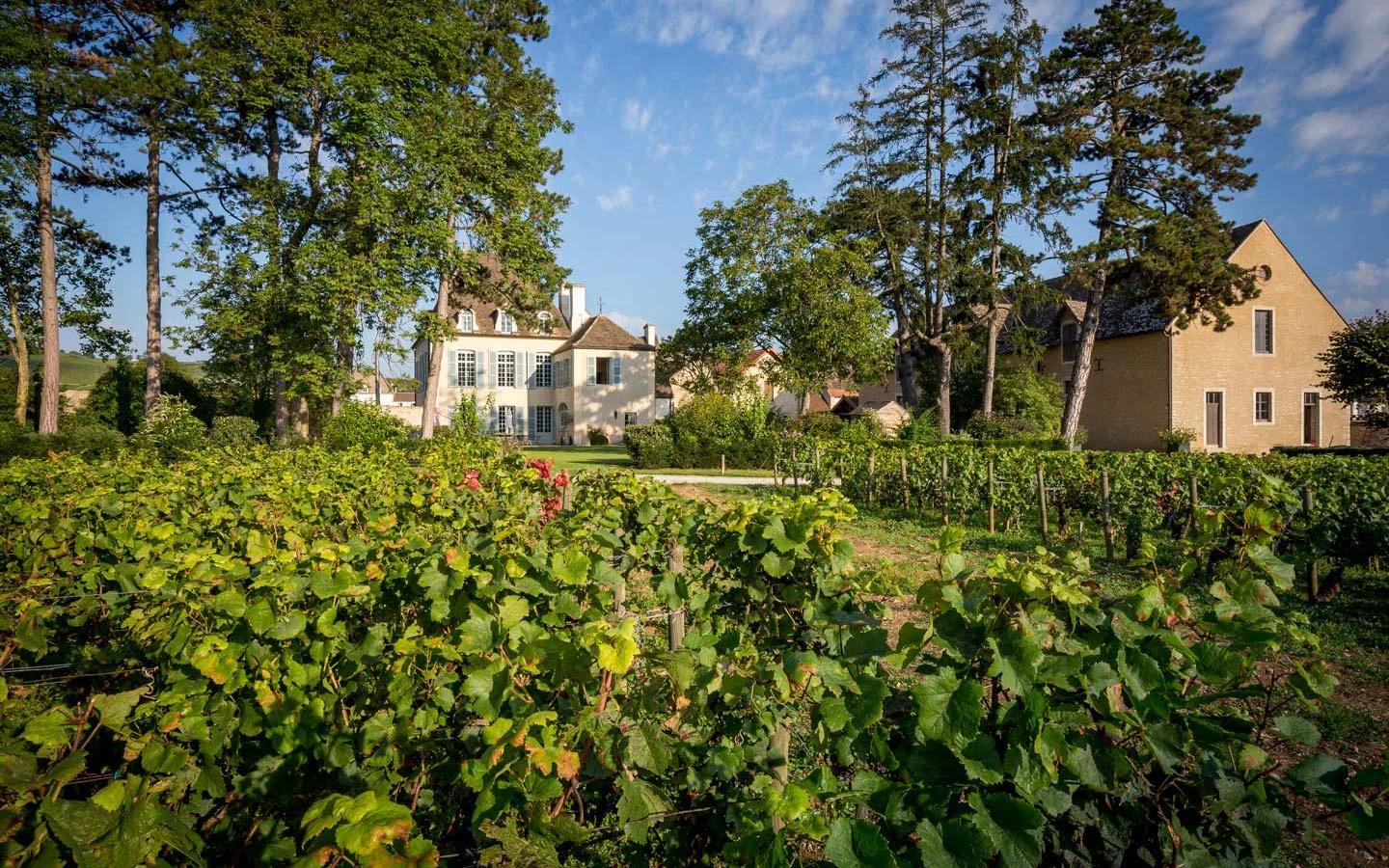
Historic abbey buildings give Domaine de Bellene its first cue: this is not a glass-and-steel tasting address trying to look contemporary, but a Beaune estate where old stone frames a modern reading of Burgundy. The room tone is quiet, the mood controlled, and the interest is not spectacle. The point is how Côte d’Or tradition adapts when organic and biodynamic farming, old vines, and low-intervention cellar work move from talking points into the architecture of the wines.
Beaune has always been Burgundy’s commercial and interpretive center, a city where négociant history, cellar culture, and vineyard literacy sit close together. For regional context before or after a tasting, the Bureau Interprofessionnel des Vins de Bourgogne (BIVB) is useful because it explains the appellation system that makes producers like this intelligible. Domaine de Bellene belongs to the more terroir-literate side of that scene: its value lies in reading village, vine age, and farming practice rather than chasing hospitality theater.
Old vines and biodynamics frame the Beaune argument
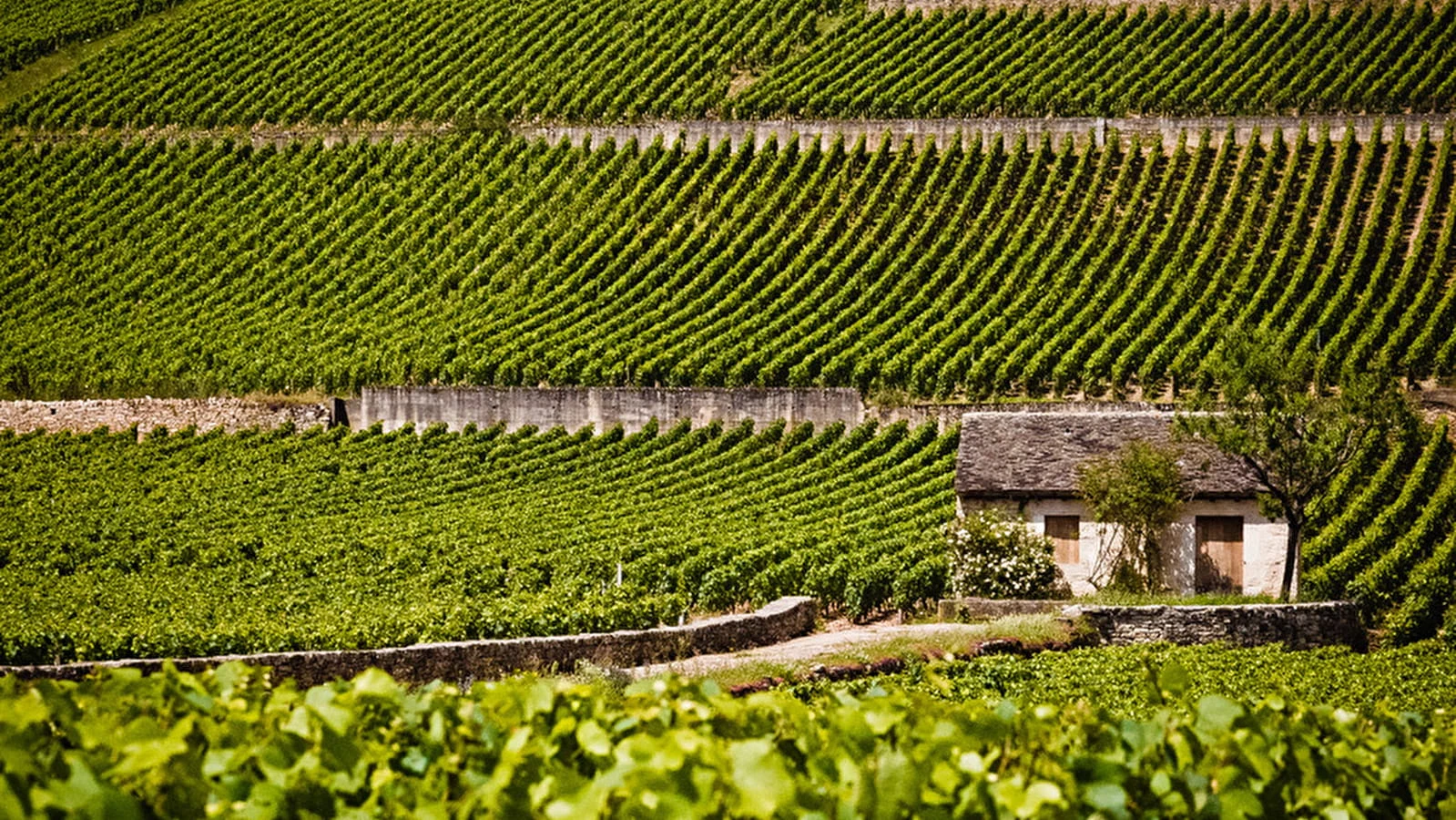
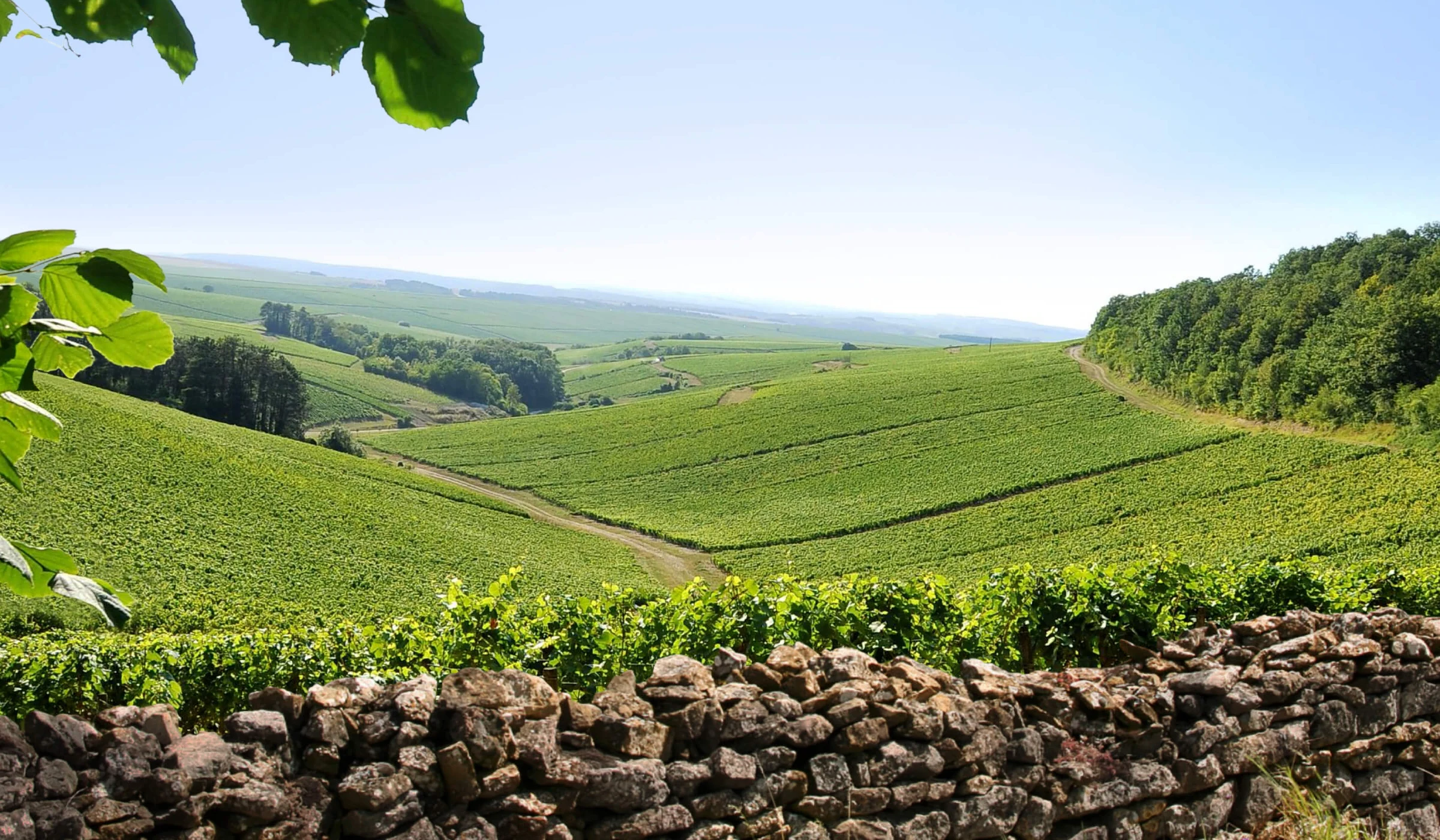
The estate was founded in 2005 by Nicolas Potel and operates within the Maison Roche de Bellene group. That date matters. Burgundy in the early 2000s was already expensive, but the current appetite for site-specific, low-intervention Burgundy had not yet hardened into the global allocation market it is now. Domaine de Bellene’s positioning sits inside that shift: a 24-hectare estate, farmed biodynamically since 2006 and now BIO-certified organic, with parcels spread across Burgundy villages rather than a single compact monopole identity.
The vineyard base gives the estate its editorial interest. Old vines, described across the portfolio as ranging from 35 to more than 100 years, change the conversation from simple varietal character to density, yield, and root depth. Pinot Noir is the central red expression, with Chardonnay also present in the estate’s range. The Bourgogne and village wines are not just entry points; in Burgundy, they are where farming discipline is often easier to test because there is less grand-site mythology to hide behind.
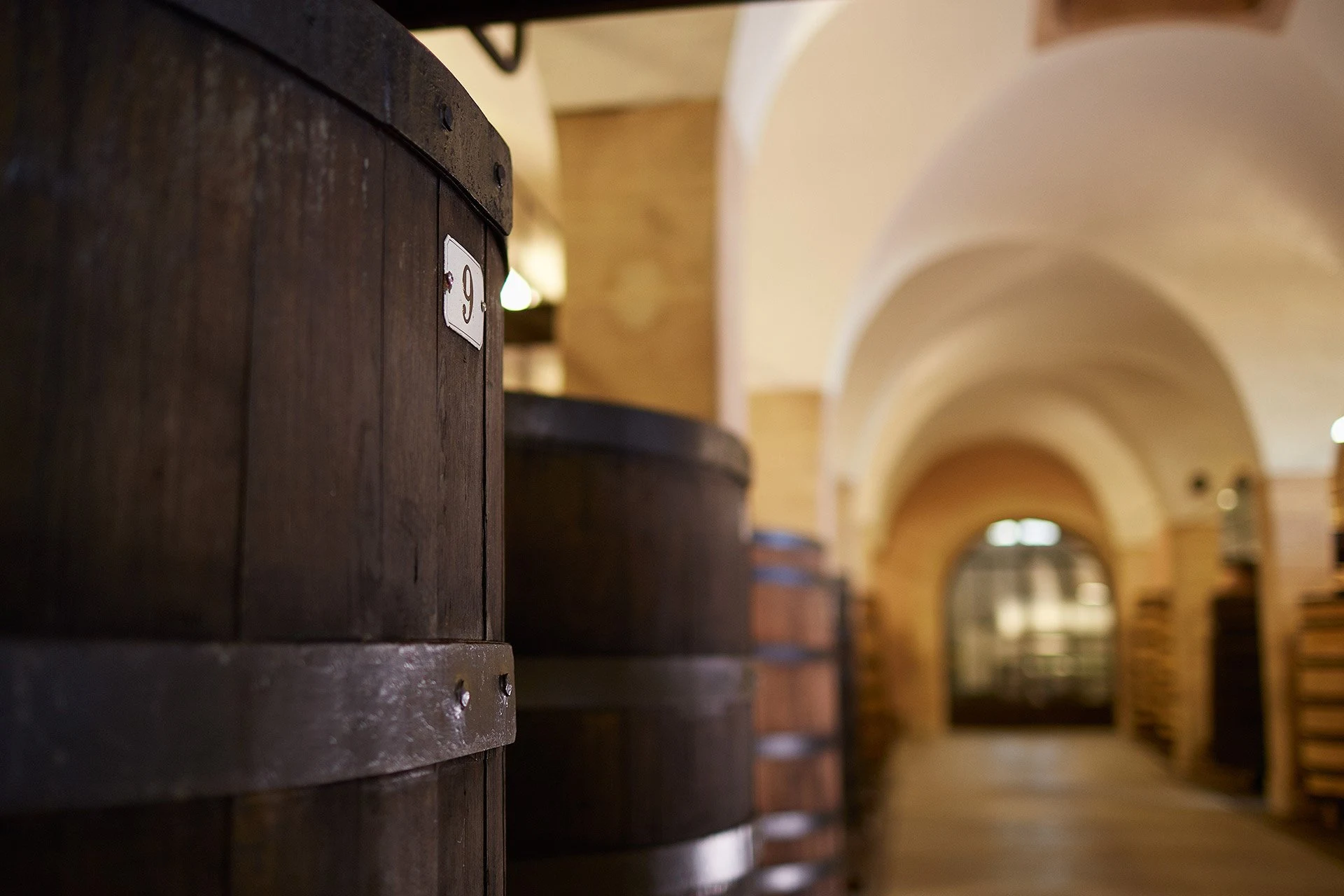
Cellar work follows the same line of restraint. The estate’s approach avoids enzymes, cultured yeasts, chaptalization, and acid adjustment, placing the emphasis on native fermentation and vintage transparency. For Bourgogne Rouge, the maturation split of 80 percent barriques and 20 percent stainless steel is telling: wood provides structure, while steel preserves fruit definition. That is a practical Burgundy compromise, not a manifesto.
For a wider Beaune tasting circuit, contrast this estate’s small-scale, biodynamic logic with the broader regional range found at Cave des Hautes-Côtes, the historic house format at Chanson Père & Fils, the focused cellar work of David Moret, and the contemporary domaine model at Domaine Arnaud Baillot. Those addresses make Beaune more than a postcard stop; they show how the city functions as Burgundy’s tasting classroom.
Seven villages, one Burgundy reading
The estate’s holdings extend across seven named villages: Beaune, Volnay, Vosne-Romanée, Savigny-lès-Beaune, Santenay, Nuits-Saint-Georges, and Saint-Roman. That spread gives the portfolio a useful internal map. Beaune and Savigny-lès-Beaune tend to make the Côte de Beaune argument in accessible terms, while Volnay pulls toward perfume and finesse, Santenay toward more earthbound structure, and Nuits-Saint-Georges toward firmer tannic lines. Vosne-Romanée brings a different register of expectation altogether because its name carries such weight in Burgundy’s hierarchy.
What matters here is not a single flagship bottle but the comparative reading across appellations. A Savigny-lès-Beaune Vieilles Vignes 2020 has appeared in the market at about $54.98, which places it in the serious village-level discussion rather than the casual souvenir tier. The Beaune Hommage à Françoise Potel Premier Cru 2022 and Santenay Les Charmes Dessus AOC 2022 show the estate’s range moving into more site-specific territory, while the Maison Roche de Bellene Bourgogne Rouge 2017 demonstrates how regional fruit can still carry an old-vine and cellar-signature argument.
Burgundy’s soils make broad generalization dangerous, but the framework is clear enough. Limestone pushes aromatic lift and line; clay contributes breadth and structure; mixed clay-limestone gives many Côte de Beaune wines their middle register. Domaine de Bellene’s multi-village model works when the cellar does not flatten those differences. The estate’s appeal is strongest for drinkers who want to compare Burgundy’s dialects rather than simply drink Pinot Noir from a famous region.
A quiet visit for people who already care about the details
The hospitality style is better understood as focused wine education than as leisure programming. The setting in renovated historic buildings gives the visit architectural weight, but the draw is the production logic: organic and biodynamic farming, estate fruit, old-vine material, and minimal adjustment in the cellar. The dress code and tone are relaxed, yet the experience suits visitors who arrive with at least a working vocabulary of Burgundy villages.
For planning a fuller Beaune itinerary around the tasting, the city rewards concentration rather than speed. Use our full Beaune wineries guide to build a producer-led route, then pair it with our full Beaune restaurants guide, our full Beaune hotels guide, our full Beaune bars guide, and our full Beaune experiences guide. Burgundy reads better over two or three days than in a single afternoon.
Travellers comparing French wine regions more broadly can also place Beaune against Champagne through A. Margaine in Villers-Marmery, the southern abbey setting of Abbaye de Fontfroide in Narbonne, and Languedoc’s blending culture at Abbotts & Delaunay in Marseillette. For a cross-border contrast in European cellar culture, »der Steiner« Hans Steiner in Podersdorf am See and & Handwein in Mannheim show how different regions handle scale, hospitality, and local grape identity.
Domaine de Bellene is worth prioritising in Beaune when the brief is terroir expression rather than pageantry. Its strongest signal is the combination of 2005 founding date, 24 hectares under organic and biodynamic stewardship, old-vine material, and cellar restraint. In a region where reputation can easily outrun evidence, those are concrete reasons to pay attention.
Questions
Frequently asked
Who works at Domaine de Bellene?
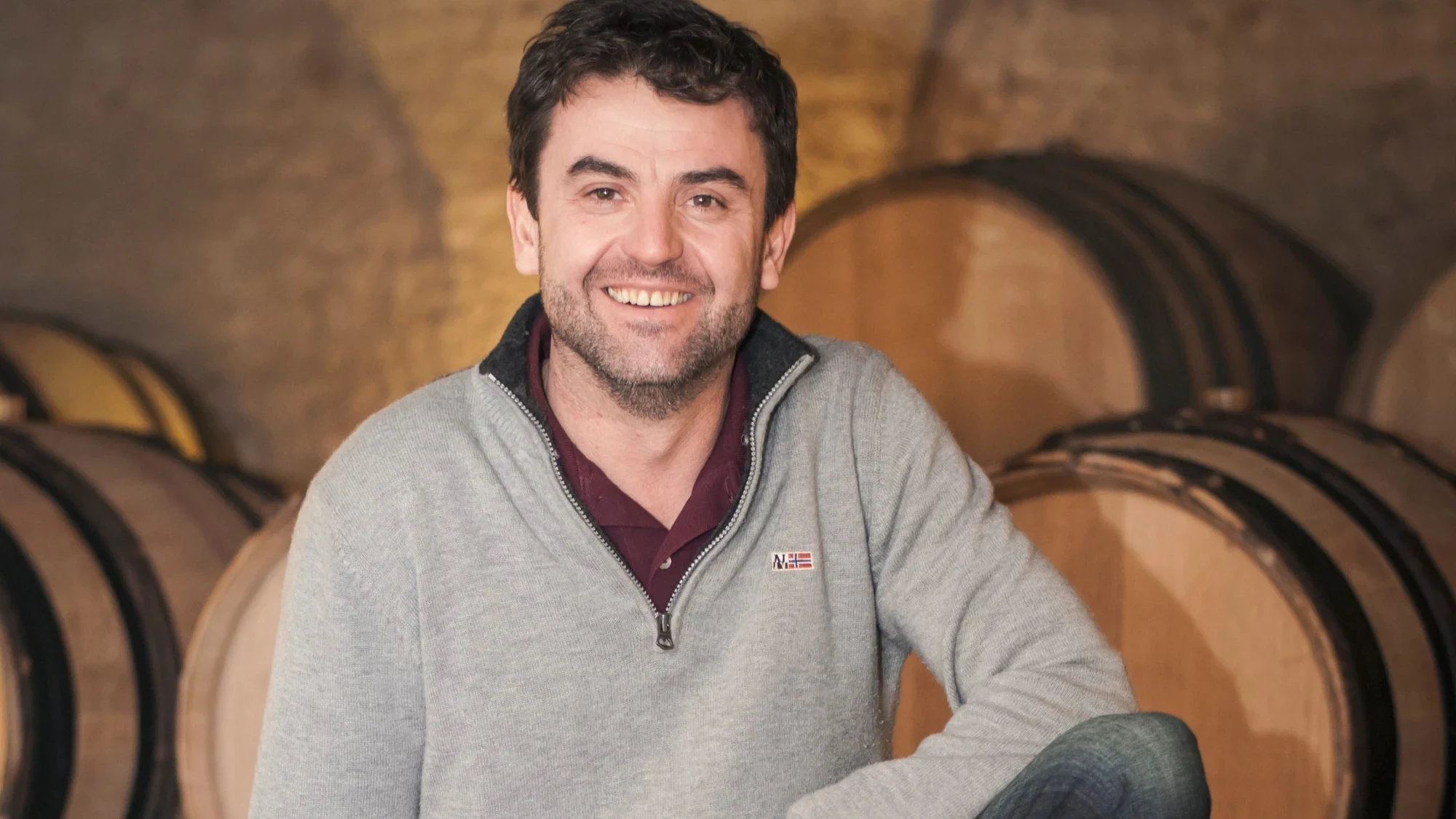
Made By profiles Nicolas Potel (Winemaker) at Domaine de Bellene.
How expensive is Domaine de Bellene?
Domaine de Bellene is listed at a price level of $$$.
The field
How it compares
| Place | Notes |
|---|---|
| Domaine de Bellene | city center of Beaune, $$$ |
| Domaine Bouchard Père et Fils | Beaune |
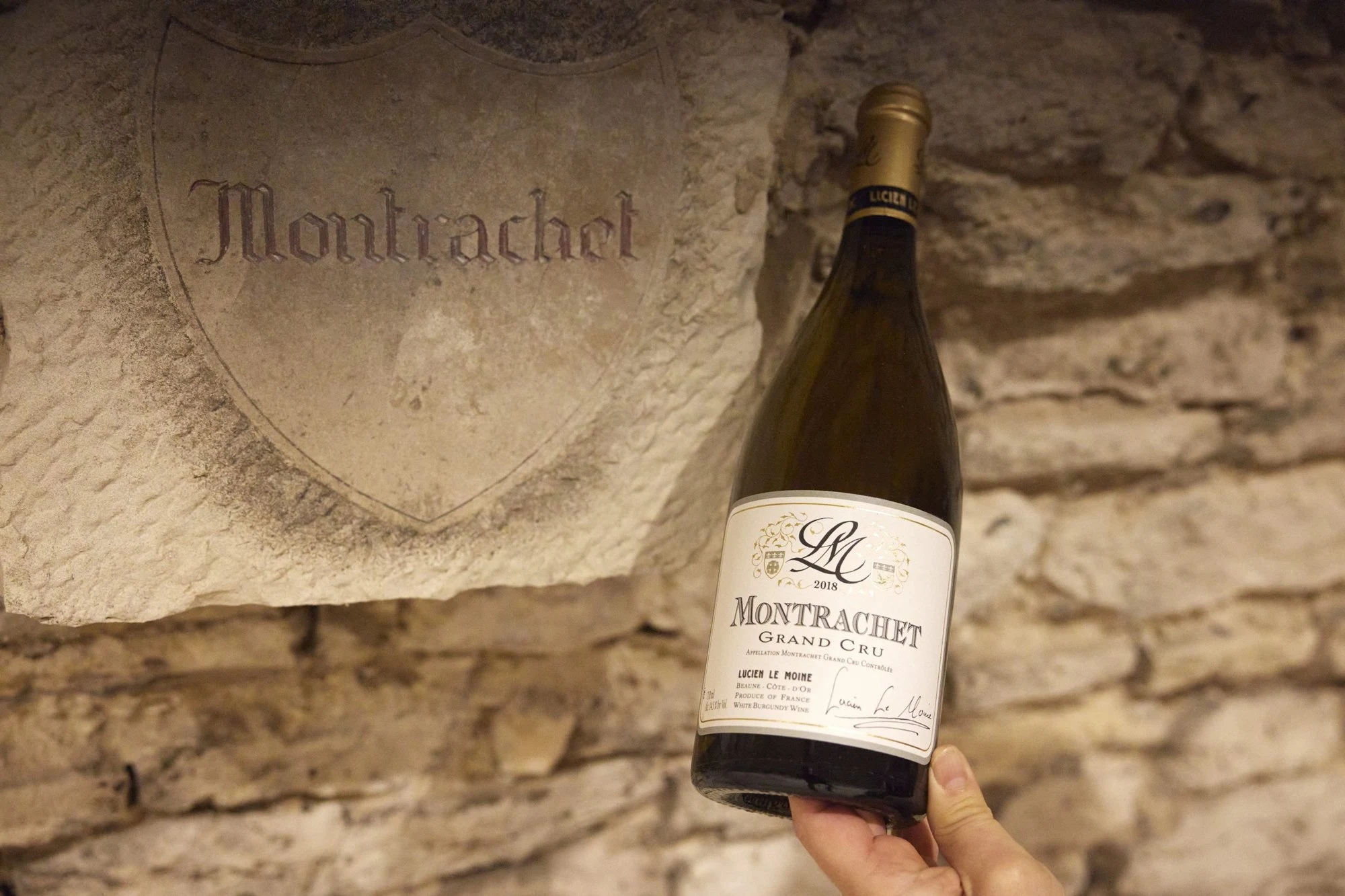
| Lucien Le Moine | Beaune |
| Maison Albert Bichot | Beaune |
| Maison Joseph Drouhin | Beaune |
| Maison Louis Jadot | Beaune |
| Maison Louis Latour | Beaune |