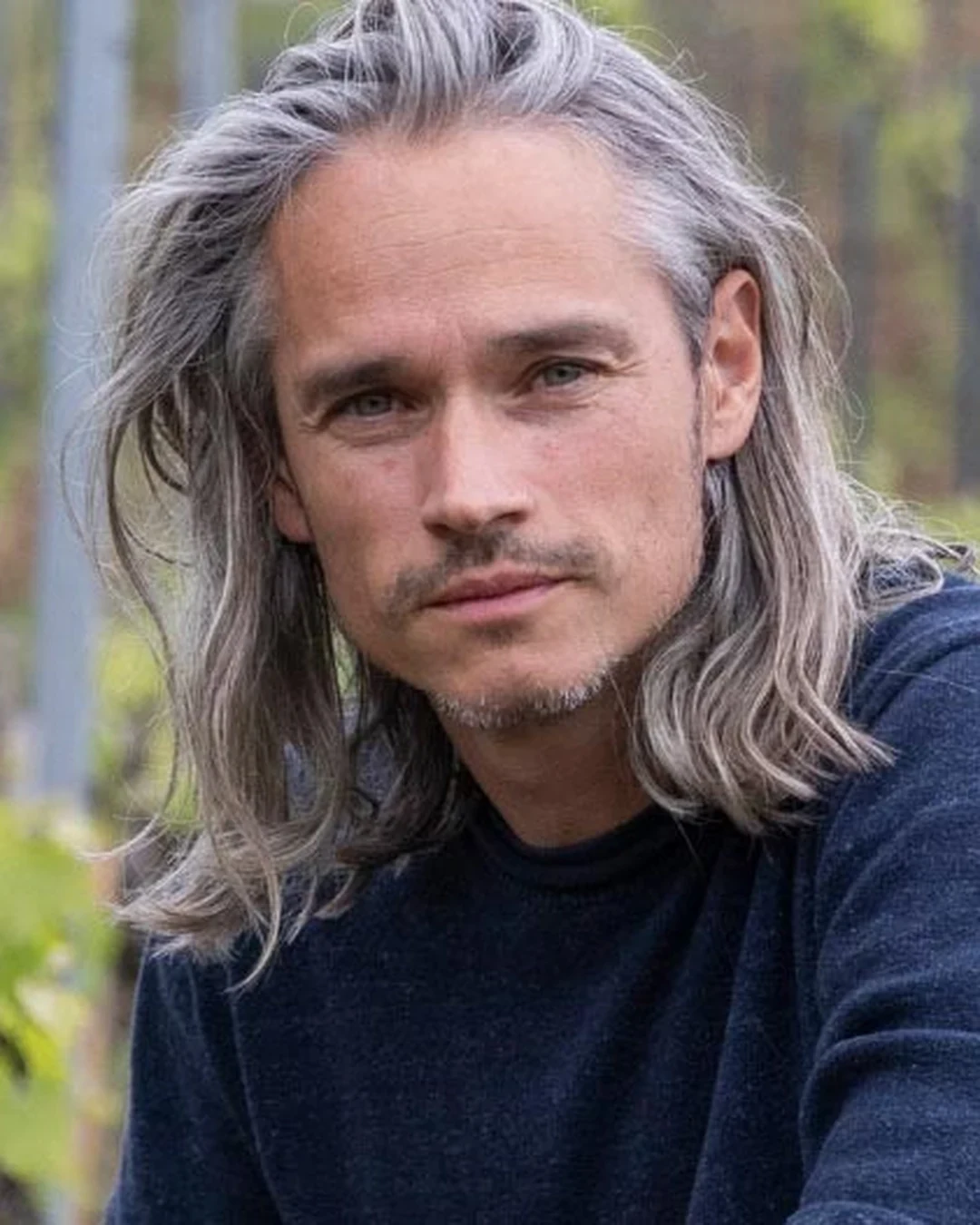
Romain Decelle, winemaker at Domaine De Boisseyt in Chavanay, carefully tends old-vine Northern Rhône parcels using organic farming.
The old vines set the tempo before Romain Decelle, winemaker at Domaine De Boisseyt in Chavanay, begins the cellar work. Since 2017, he has held the estate as propriétaire, vigneron, and winemaker, taking on an 11-hectare domaine whose continuity mattered as much as its reset. Didier Chol had managed the place with Agnès Chol for nearly 30 years before the handover, and chose the Decelle project from among many proposals, one Romain developed with his father. That detail matters here because Boisseyt is not treated as a blank slate. The estate reaches back to the 14th century in local reference, was formally established in 1797, and has passed through six generations before the Decelle chapter. Romain’s work sits inside that length of time rather than against it. The house frame remains parcel-led: Syrah for Saint-Joseph, Viognier for Condrieu, and a Côte-Rôtie holding on Côte Blonde. His own language returns to the old vines, especially Les Rivoires for Syrah, Les Corbonnes for Viognier, and Côte Blonde for Côte-Rôtie. The method is not decorative. He begins with what the vineyard can already carry.
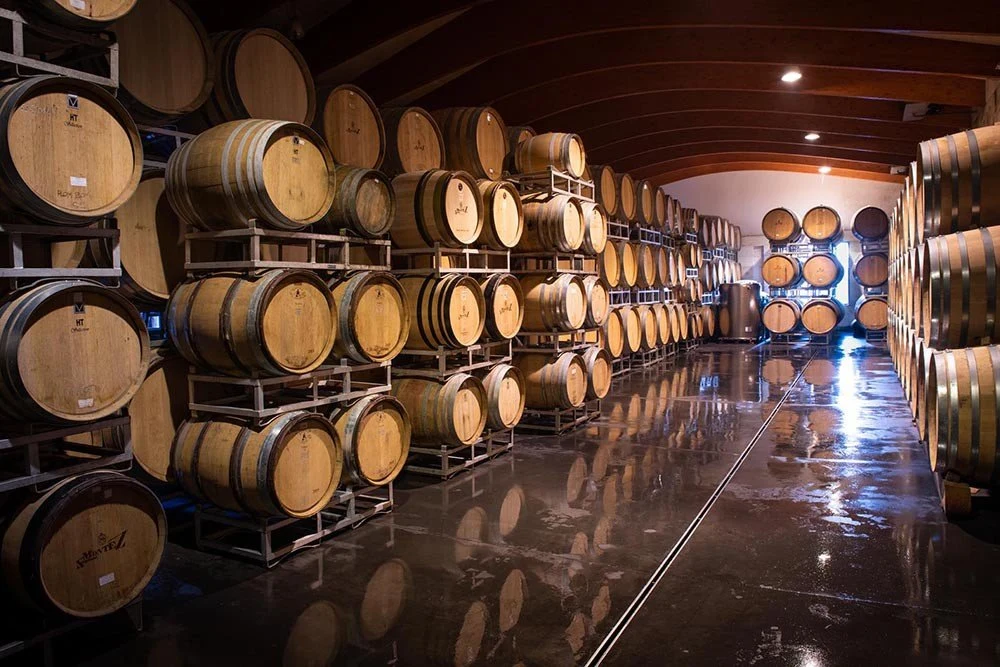
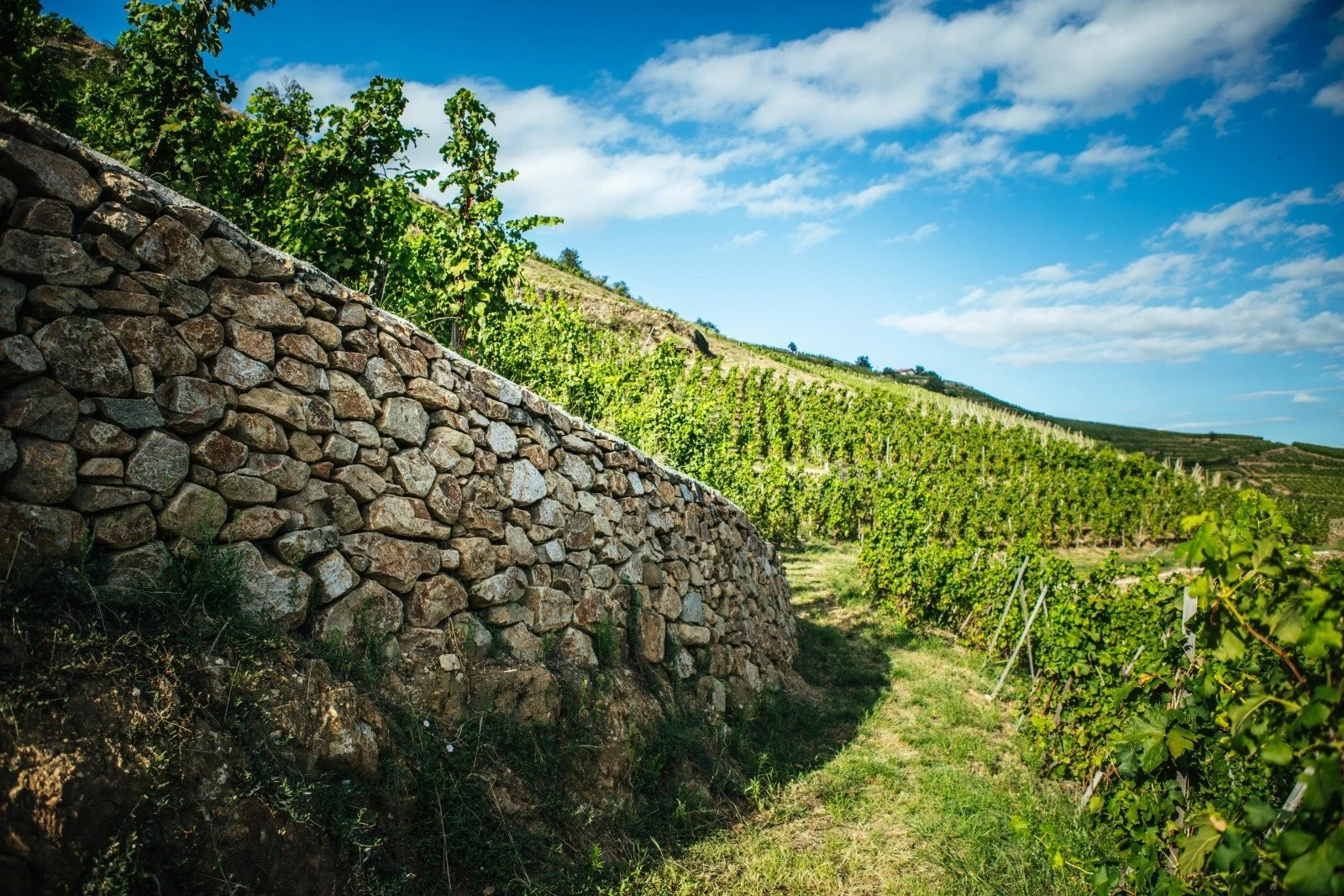
The estate farms organically across 11 hectares spread through Saint-Joseph, Condrieu, Côte-Rôtie, and Hermitage, a compact map of the Northern Rhône rather than a broad domaine built for scale. The grapes are estate-grown, with Syrah, Viognier, Marsanne, and Roussanne forming the working vocabulary. Manual harvesting remains part of the discipline on terraced slopes where stone walls, locally called cheys, hold the ground against gradients that reach 50%. Average vine age is given as 40 years, enough time for roots to make their own argument in granite, sand, clay, and the limestone pockets found in parts of Hermitage. In the cellar, Decelle keeps the élevage tied to grape and site. Viognier can be pressed in whole clusters, then fermented and aged for 8 months in sandstone eggs, a vessel choice that favors movement and freshness without the same signature as oak. Red wines center on Syrah, with structure drawn from fruit and slope rather than cellar ornament. The estate’s scale, around 50,000 bottles annually, keeps the work close to the parcels.
The tasting room in Chavanay has the quiet register of a working caveau, close to the cellar and to the steep country that feeds it. This is the northern reach of Saint-Joseph, on the road between Condrieu and Hermitage, where the vineyard names carry practical weight rather than romance. In the room, the sequence can move from white Rhône varieties into Syrah without leaving the estate’s own geography. Les Garipelées, Les Rivoires, Les Corbonnes, and Côte Blonde are not a marketing ladder; they are coordinates. The cellar atmosphere stays rustic, with the kind of calm that comes from a house accustomed to explaining itself through bottles rather than theatre. Barrel tasting and guided tasting belong naturally here because the work changes by vessel, parcel, and season.
Boisseyt matters because its age has not become a costume. The Decelle period kept the old-vine premise and sharpened the farming around organic practice, while leaving the estate’s identity in the vineyards. Romain Decelle’s next vintage will again be judged by the same narrow set of things: the health of the vines, the patience of the élevage, and the clarity of Les Rivoires.
Chavanay, Auvergne-Rhône-Alpes, Frankreich
Chavanay