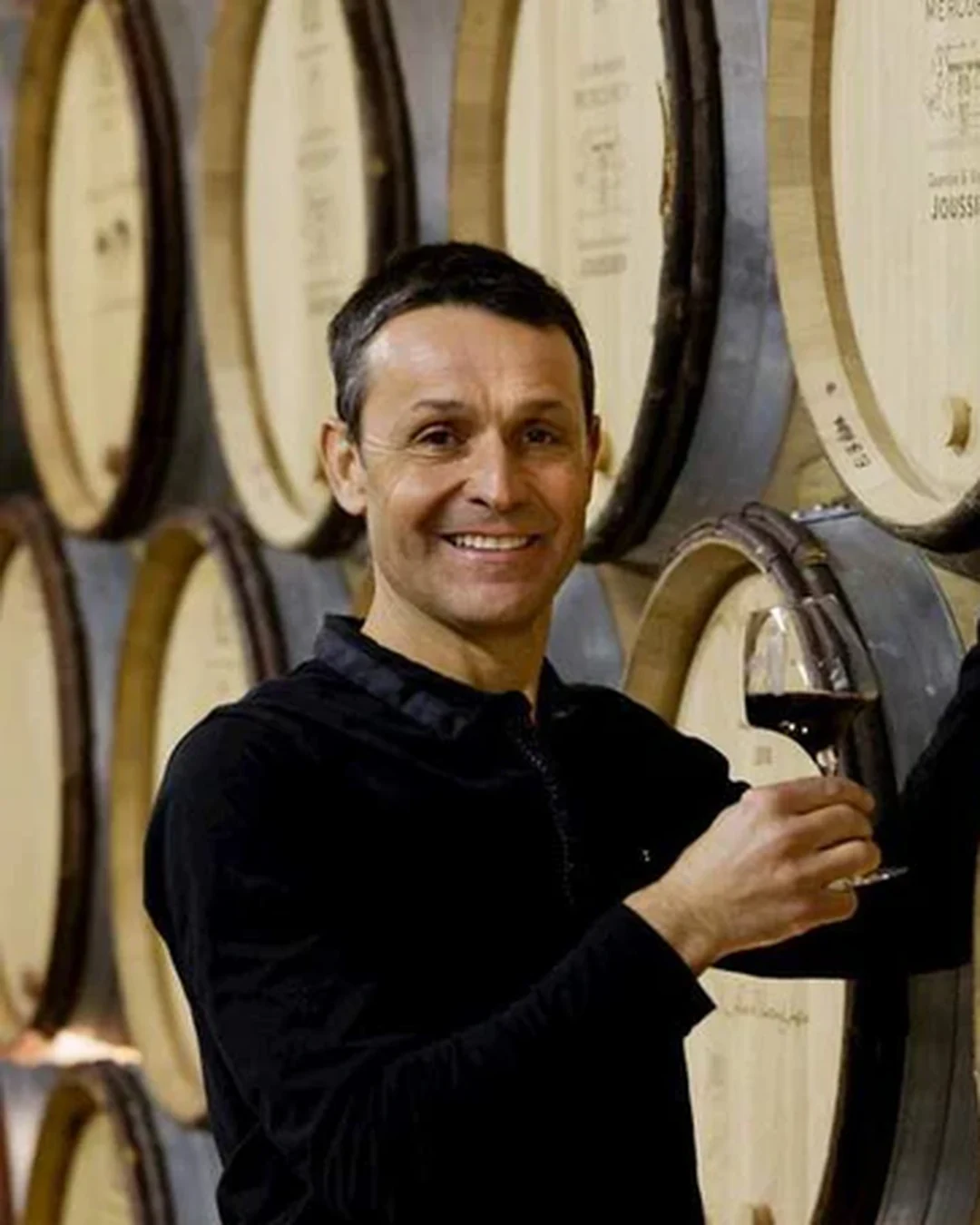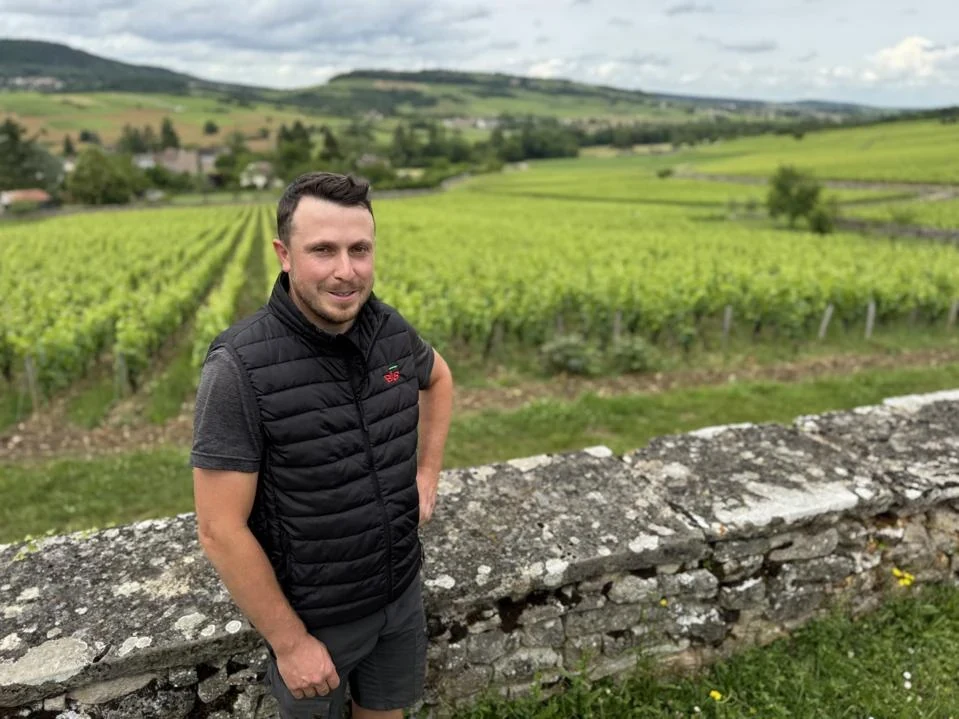
Vincent Joussier and Quentin Joussier make Domaine de L'Évêché a vineyard-led Burgundy domaine in Saint Denis De Vaux.
The soils are worked by machine now, after chemical weed control was set aside. At Domaine de L'Évêché in Saint Denis De Vaux, winemaker Quentin Joussier has put that choice inside the daily discipline of the estate, alongside his work as associé and viticulteur since 2018. Training at Beaune gave him a language of precision, but the work here is less about language than timing: when to intervene, when to leave the vine to carry the season, when a plot should give less so that the wine can hold more.
Vincent Joussier, winemaker and winegrower at the same domaine, keeps the work rooted on the vineyard side of the house. His role is described by continuity rather than movement, a career held to one place, one village, and the recurring demands of rows, weather and cellar. The estate is small in the Burgundian sense, just over 14 hectares across Côte Chalonnaise and regional appellations, with Pinot Noir, Chardonnay, Aligoté and Gamay in the program. The Joussiers work inside a family domaine where the house and cellars belong to the 17th century, while the decisions in the vines remain immediate. The hand is not theatrical here. It is a matter of restraint.
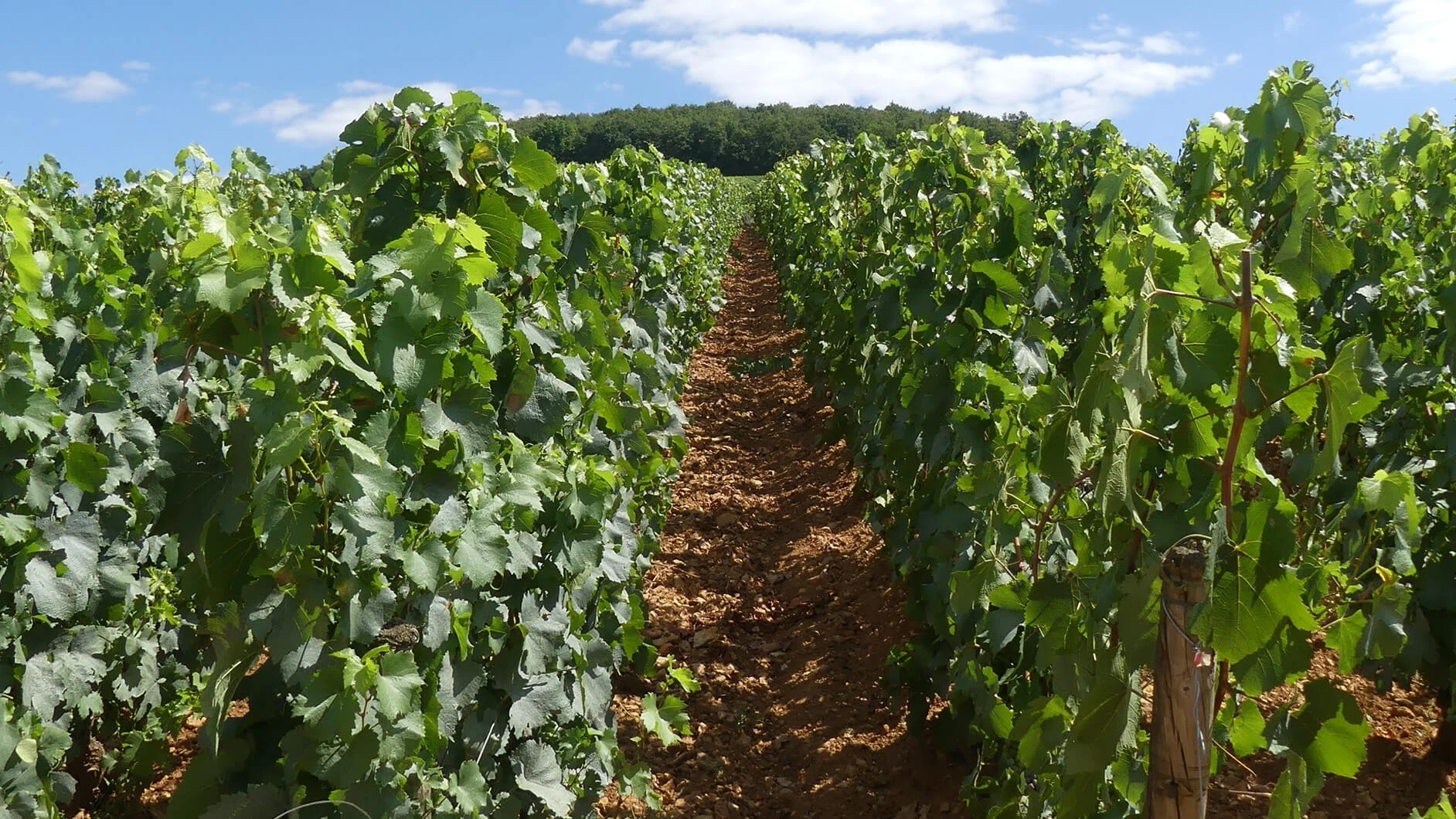
The cuverie was renovated in 2018 with thermoregulated equipment, a practical intervention that lets the domaine guide fermentations without forcing a house style over the vintage. Quentin describes the estate as working in HVE production, and says that shift was one of the goals of his installation. He also gives the farming its necessary boundary: close to organic, but with freedom to intervene. In the vineyard, that freedom appears as mechanical soil work and the abandonment of chemical weed control, a method that keeps judgment in the season rather than in a fixed rule.
For the Clos de l'Évêché cuvée, Quentin says the team works below the yield limits of the Côte Chalonnaise appellation and the Bourgogne appellation. The choice belongs to the same logic as the cellar: concentration over ease, vintage over formula. The range moves through Côte Chalonnaise, Mercurey, Bourgogne Côte Chalonnaise, Crémant de Bourgogne, Coteaux Bourguignons and Bourgogne Aligoté, with still reds, still whites and sparkling wines in the cellar. The Coteaux Bourguignons 2023 gives the scale of one corner of the work: 90% Gamay, 10% Pinot Noir, from Meix de Chaseau, a 0.25 hectare parcel on predominantly granite soil, aged for 7 months in stainless steel tanks, with 1,500 bottles made.
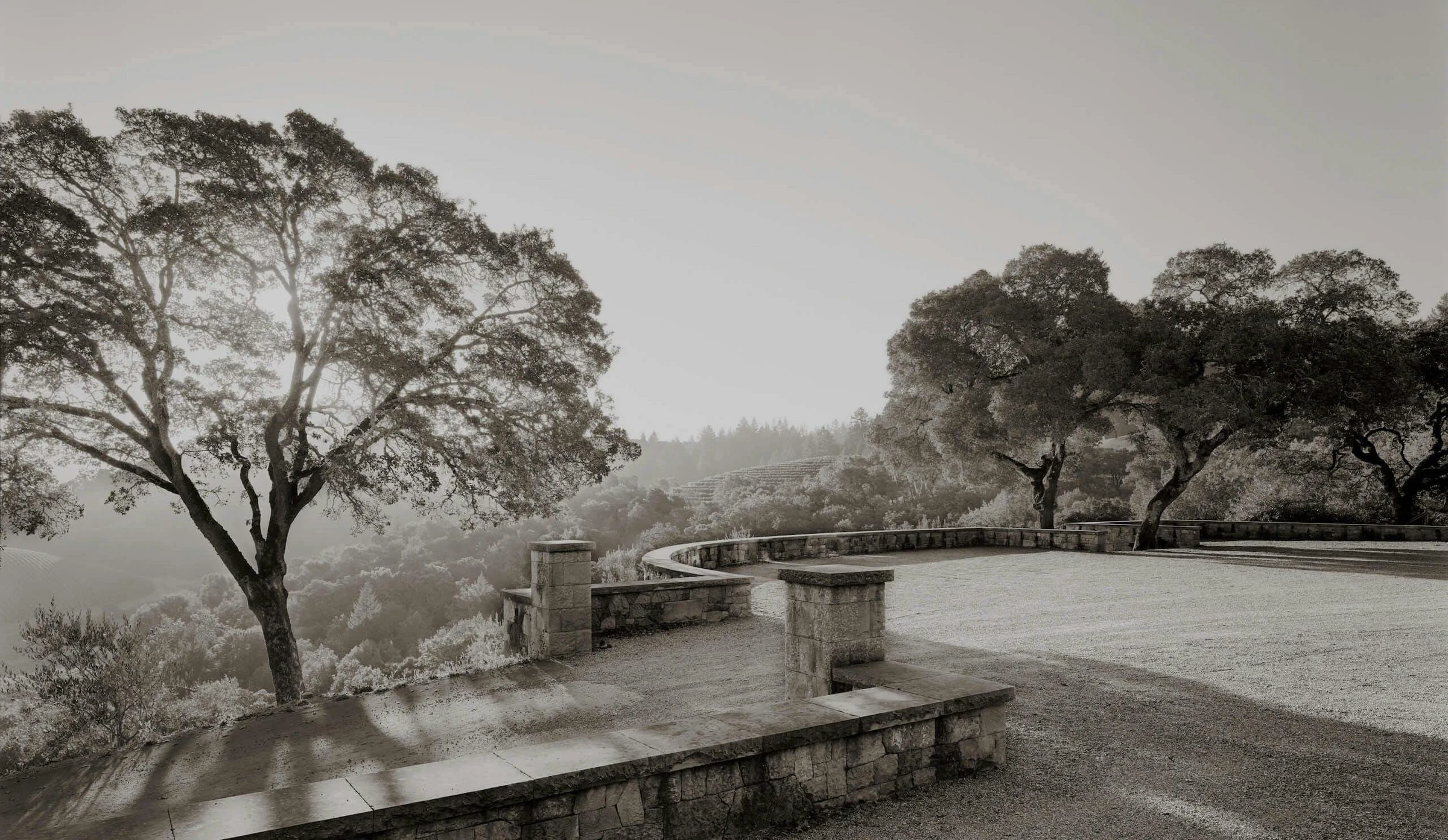
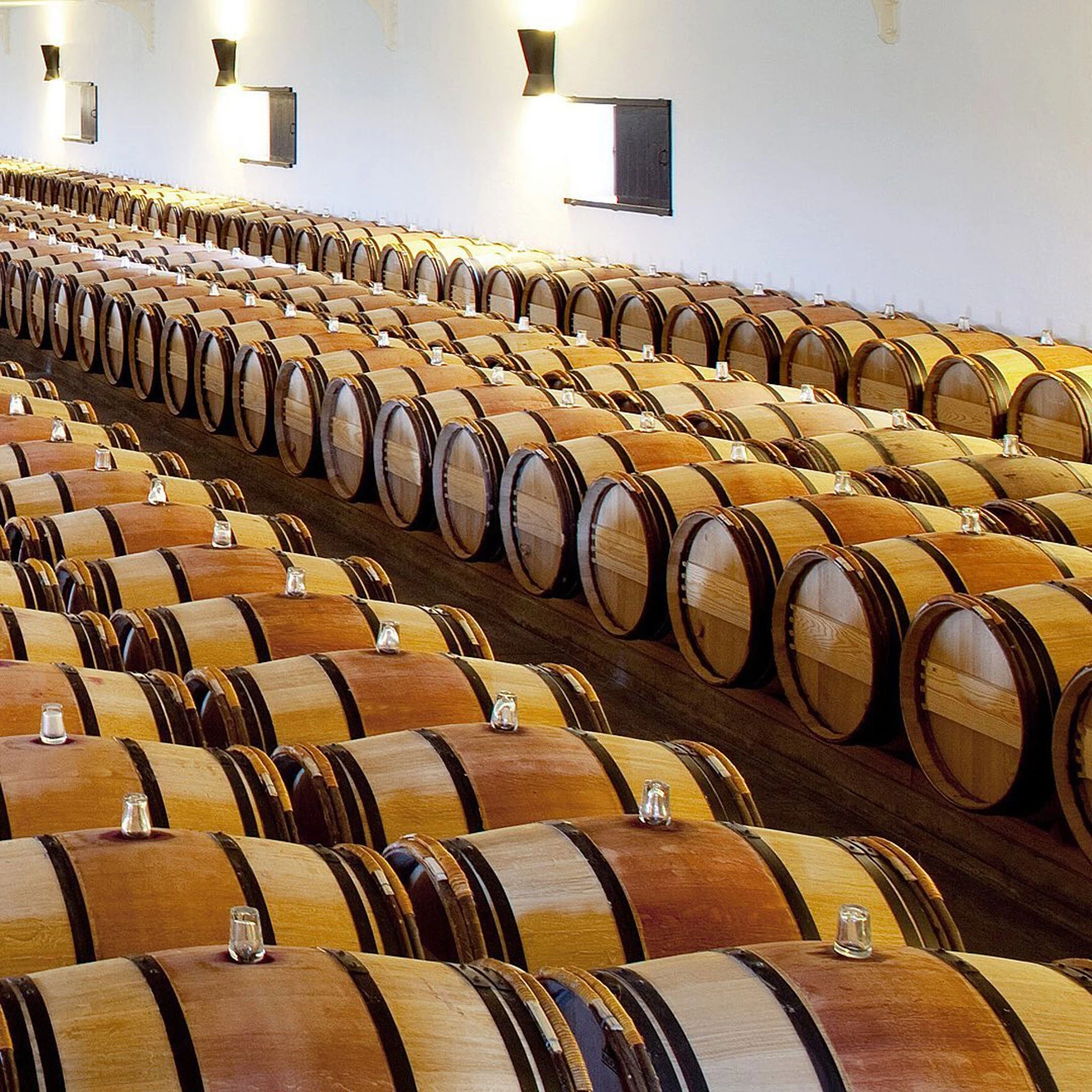
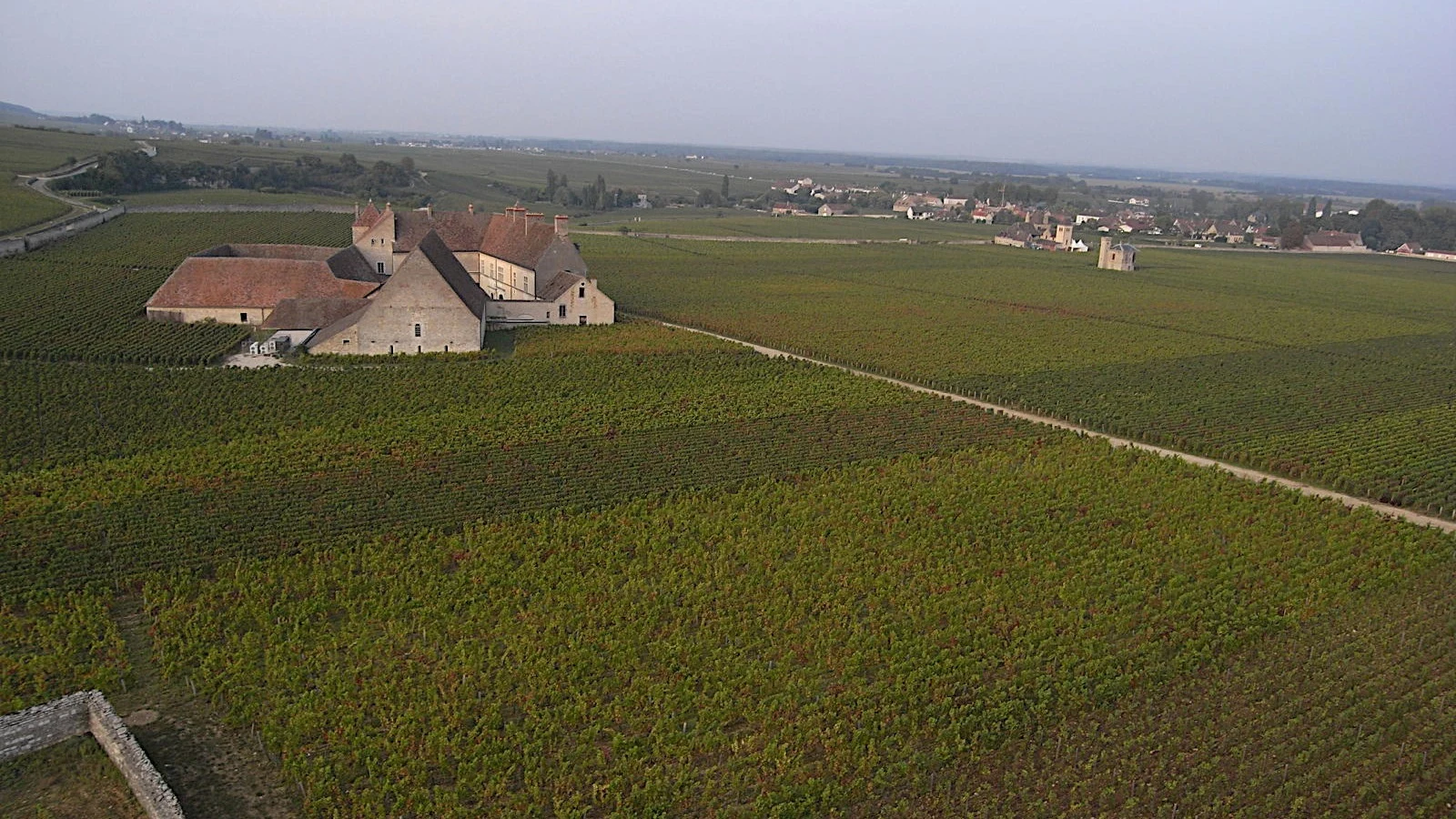
The cellar keeps its own tempo. Oak foudres and barrels sit within the older fabric of the estate, while the renovated production space brings temperature control into a place built long before that precision was available. The house carries a 19th-century monumental staircase, and the view opens over the surrounding vineyards with the calm authority of land that has seen many hands pass through it. The atmosphere is not polished into anonymity. It remains classic, rustic, and plainly Burgundian, with tastings, vine visits and cellar work all gathered around the same physical core.
In the room, the craft is legible without explanation: stone, tank, barrel, slope. Conversation can stay low because the place does not need to perform its age. The Joussiers' work gives the estate its present tense, from mechanical passes in the rows to the cellar ageing that prepares wines such as Mercurey Les Murgers, Reviller Blanc and Clos de l'Évêché.
Saint-Denis-de-Vaux, Cote Chalonnaise, Bourgogne-Franche-Comté, Frankreich