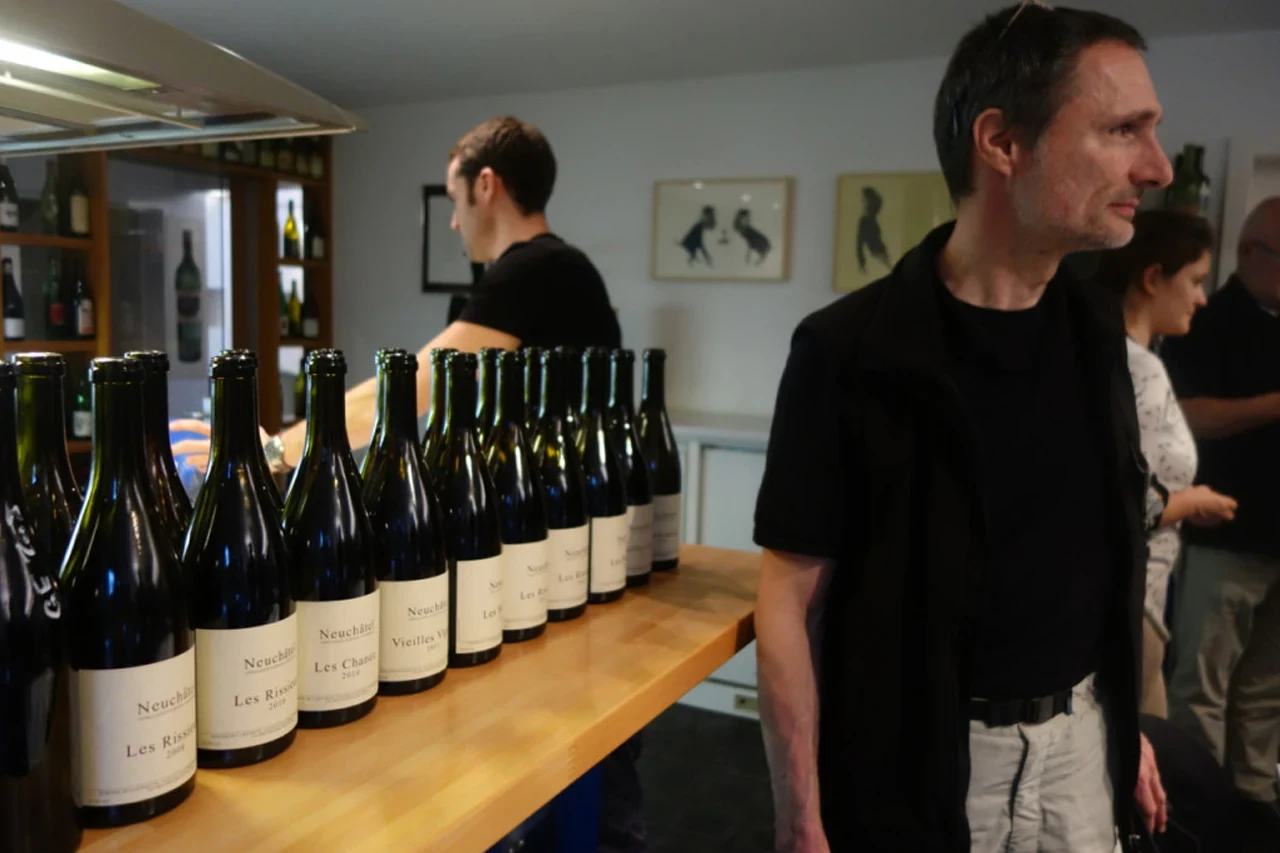

Jacques Tatasciore, winemaker at Domaine de la Rochette in Cressier, works there on 6 hectares of Swiss Pinot Noir.
Whole clusters enter the cellar with their stems intact, and Jacques Tatasciore, winemaker at Domaine de la Rochette in Cressier, keeps the frame narrow. He founded the estate in 1999 and has held it close since then: a compact Neuchâtel domaine, small in scale, with Pinot Noir asked to carry the work rather than decorate it. His station is not built around public explanation. The vines, the cellar, and the named bottlings give the account.
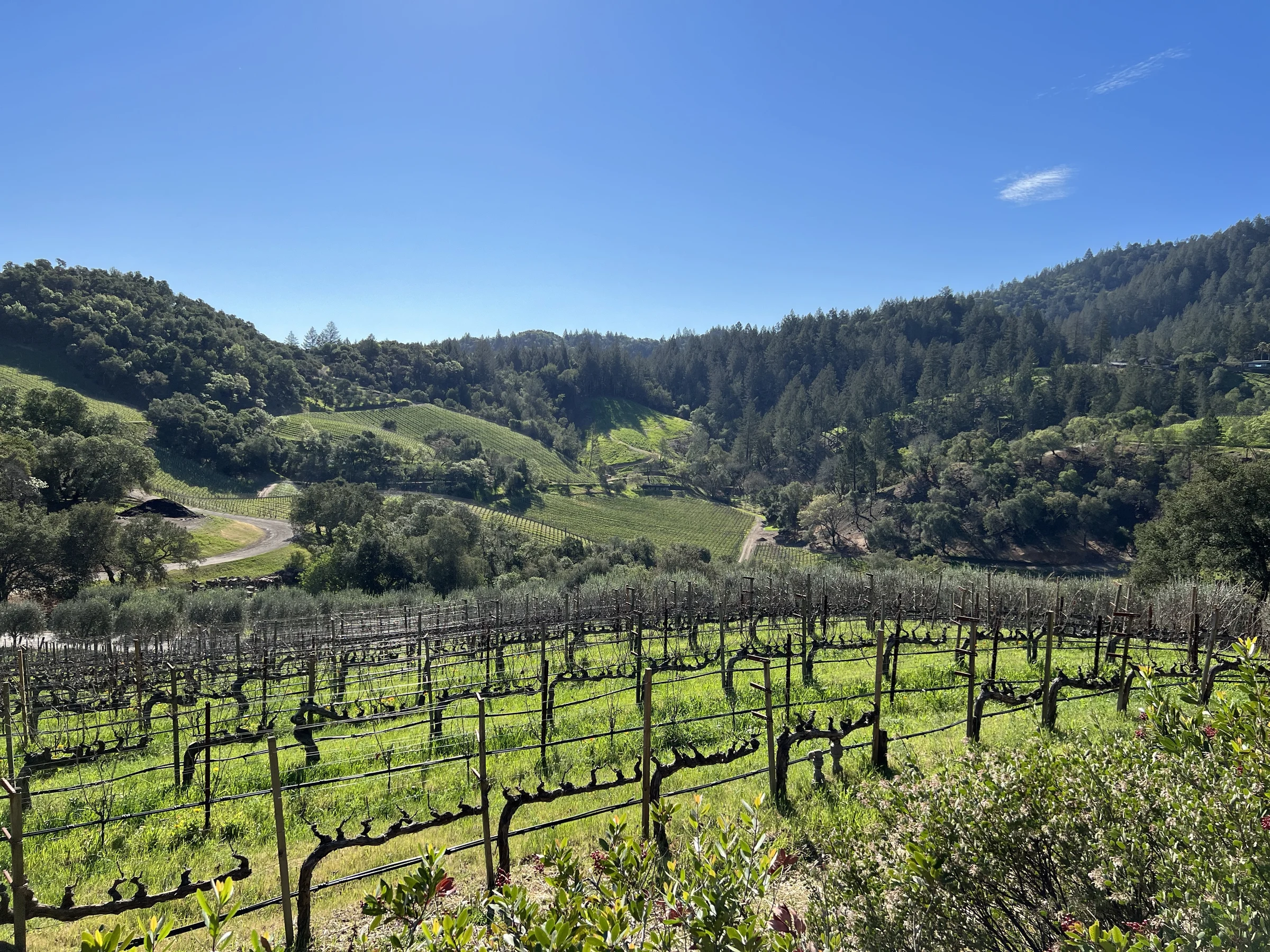
The holding is 6 hectares at 450 meters elevation, with vines aged 35 to 70 years. Those figures matter because they set the discipline of the place. There is little room for breadth, little tolerance for vague selection, and no need for a wide catalogue to make the point. Tatasciore works as vigneron as much as winemaker, with vineyard practice and cellar handling joined into the same method. His farming is sustainable, organic and biodynamic in practice, while the domaine does not carry certification as the center of its public identity. The result is a place where lineage sits less in apprenticeship records than in plant material, repeated parcels, and the continuity of Pinot Noir in Cressier limestone.
The program at Domaine de la Rochette is built on separation rather than enlargement. Pinot Noir remains the central thread, with Les Virgas, Les Rissieux, Les Chypres, Pinot Vieilles Vignes and Les Margiles forming the working vocabulary of the estate. Each name marks a distinct expression inside the same narrow discipline, not an attempt to broaden the range for its own sake. Chardonnay is present at the domaine, but the estate is known above all for still red wine from Pinot Noir.
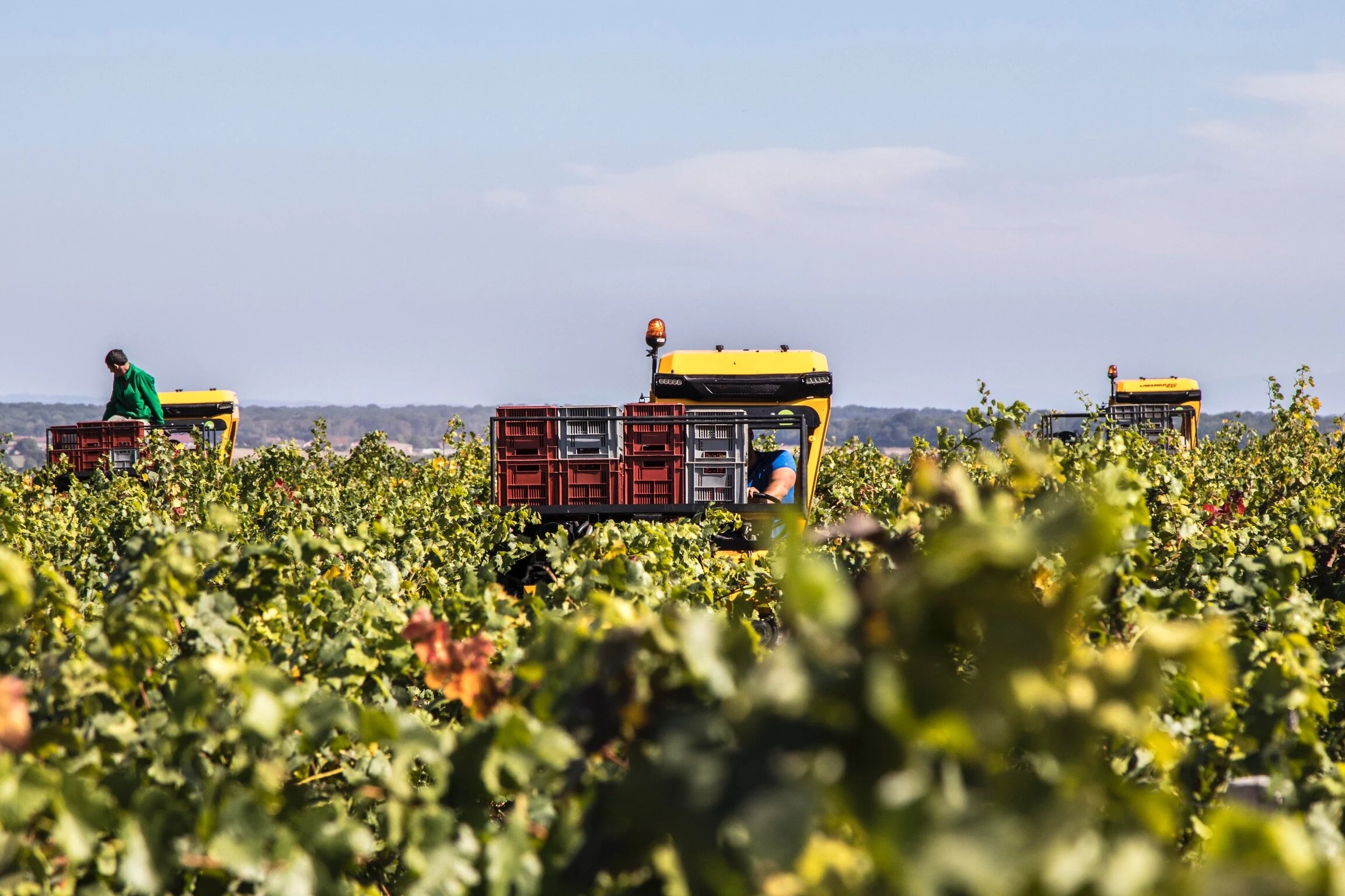
The vineyard material is massale selection, preserving Swiss Pinot Noir through vines propagated from existing plantings rather than commercial clone purchase. When the fruit comes in, the method stays traditional: hand harvesting, whole-cluster fermentation, indigenous yeasts, and aging in French oak without pushing oak to the front. Those choices leave very little for the cellar to hide behind. Thin topsoils and limestone do their part; so do mature vines and strict handling. The craft here is not minimal because it is absent. It is minimal because each intervention has to earn its place.
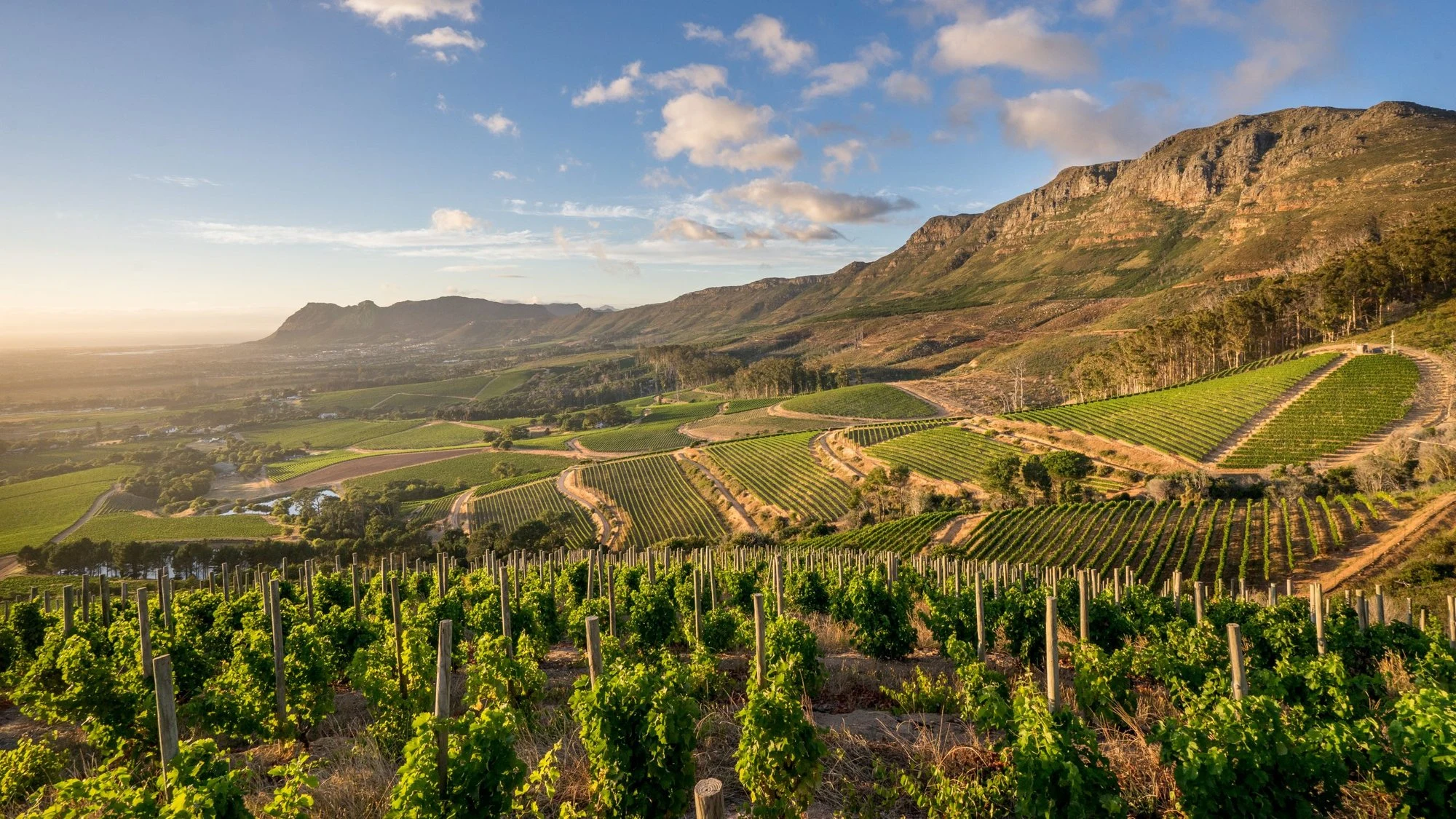
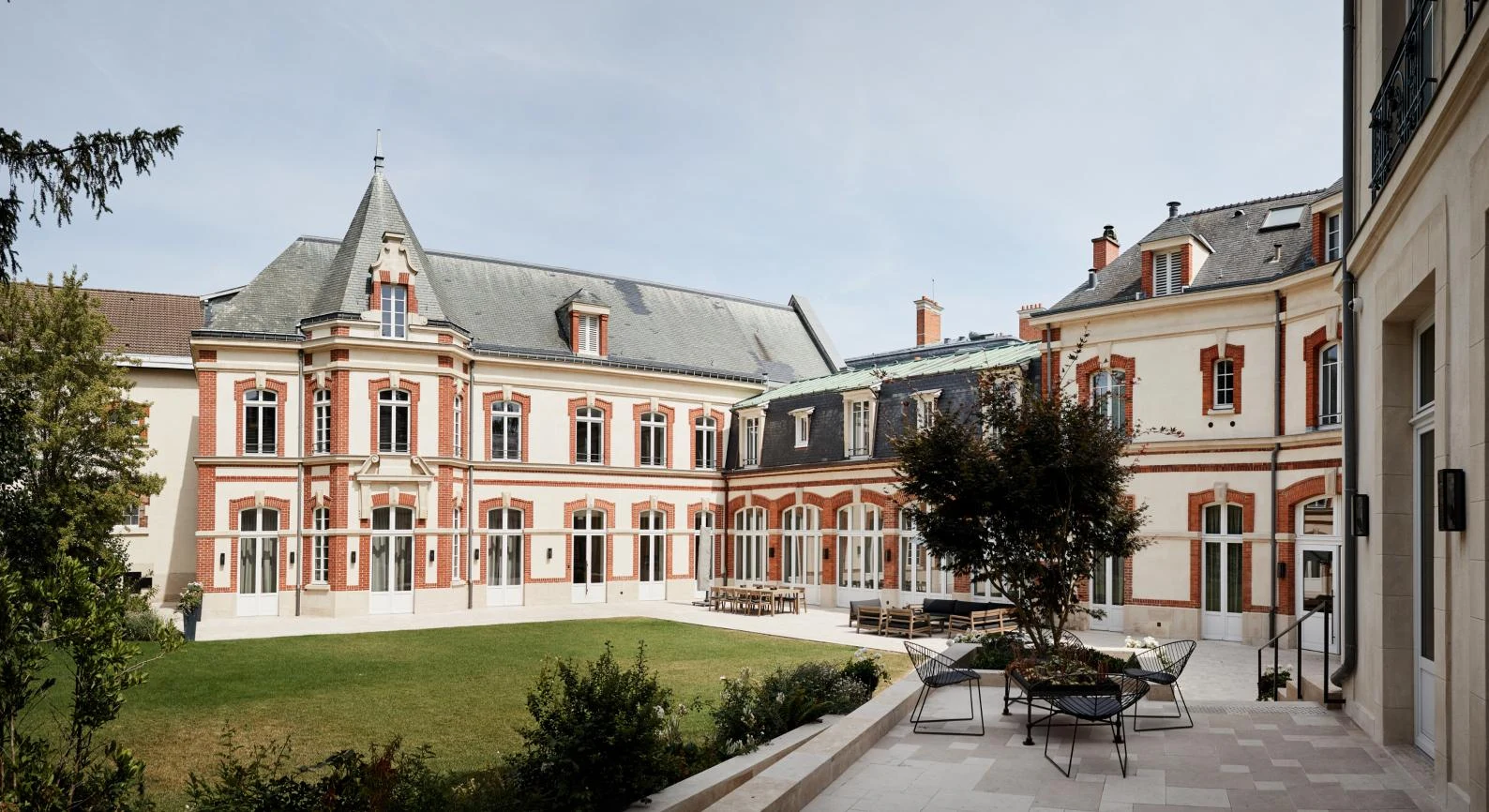
The estate sits quietly in Cressier, in Neuchâtel, between the Alps and the Jura Mountains, on limestone ground shaped by the lakes of Neuchâtel, Biel and Murten. There is no public tasting room, no visible sign announcing a destination, and visitors are discouraged. That privacy changes the feel of the place. The vineyard and cellar are not staged as hospitality; they remain work spaces, with the attention held at the bench-side of viticulture and élevage.
In the cellar, the absence of display gives the wines their own kind of pressure. Allocations are small, the house keeps a low public profile, and the named bottles move through drinkers who already know to ask. The quiet is not emptiness. It is the sound of a domaine refusing to stretch beyond its vines.
Domaine de la Rochette matters because its constraints are unusually clear: 6 hectares, 450 meters, old vines on limestone, and a vigneron who has kept Swiss Pinot Noir at the center since 1999. The work asks to be followed through bottles rather than announcements. For the next sign of the estate, stay with the names already on the bench: Les Virgas and Les Margiles.
Cressier, Canton of Neuchâtel, Canton of Neuchâtel, Schweiz
Cressier