- Falstaff Winery - Listed · 2026
The approach to Domaine de l’Hortus is dominated by rock before wine: the Pic Saint-Loup and the Montagne de l’Hortus frame the valley, with limestone faces, garrigue and vineyard rows doing the work that tasting-room décor often tries to fake. This is Languedoc as a geological argument. The wines make more sense when read against the site: red soils and white soils, warm and cooler exposures, Mediterranean scrub, and the Cévennes influence that tempers heat with night-time freshness.
Pic Saint-Loup has become one of the Languedoc’s more articulate answers to the old bulk-wine stereotype. The point here is not scale or polish, but specificity. Domaine de l’Hortus works inside the Pic Saint-Loup AOC with estate-grown fruit and a medium-scale producer’s focus on still red, white and rosé wines. The estate’s price level sits in the accessible middle bracket, which matters in a region where serious site-driven bottles can still avoid the inflationary pressure seen in more famous French appellations.
Limestone, garrigue and the Pic Saint-Loup argument
The estate’s strongest claim is terroir expression rather than trophy culture. The vineyard setting at Valflaunès places it at the foot of the Pic Saint-Loup and Hortus limestone cliffs, surrounded by garrigue and vines. That combination is not decorative. Limestone, slope aspect and scrubland are central to how the region explains structure, freshness and aromatic profile in its wines.
The planting logic is unusually legible: Syrah, Chardonnay and Sauvignon Blanc are associated with the more temperate north-facing slopes, while Grenache, Mourvèdre and Viognier are tied to warmer south-facing slopes. Red varieties are planted in red soils and white varieties in white soils, a direct agricultural response to the area’s fractured geology. Low yields, cited at an average of 35 hl/ha, support concentration without pushing the wines into excess.
In the cellar, the method follows that same preference for structure. Red wines are de-stemmed, macerated for 25 to 30 days, then aged for 18 months in oak barrels. Whites and rosés follow a different route: pressing, settling, fermentation in a mix of oak and stainless steel, then eight months on lees. These are not abstract technicalities. They explain why the estate’s range is built to show fruit, acidity, tannin and alcohol in balance rather than as separate forces competing for attention.
A restored hillside estate with modern Languedoc relevance
The estate’s modern story begins after the phylloxera-era abandonment of difficult upper slopes, when growers elsewhere often favored easier plains. Jean Orliac, a professor of agriculture, and Marie-Thérèse Orliac bought 50 hectares of wooded, disrepaired hillside land and began clearing garrigue for vines. The first vintage arrived in 1990, which gives the domaine a useful position in the Languedoc timeline: old enough to have shaped the region’s qualitative turn, recent enough to belong to its modern revival rather than inherited château mythology.
That agricultural background matters more than romance. Pic Saint-Loup’s reputation has depended on producers proving that the Languedoc can produce site-specific wines with discipline, not only generous southern blends. Domaine de l’Hortus belongs to that movement through patient land work, family continuity and a production philosophy described as sustainable. The current generation of the Orliac family continues the estate, keeping the domaine in the family-run category rather than the corporate-winery model.
The portfolio is anchored by classic southern French varieties. Syrah, Grenache and Mourvèdre carry the red wine identity; Chardonnay, Sauvignon Blanc and Viognier broaden the white program; rosé sits inside the same estate logic rather than as a casual add-on. The named bottlings include Bergerie de l’Hortus and Loup dans la Bergerie, with Clos du Prieur extending the picture into Terrasses du Larzac. For drinkers used to judging the Languedoc by appellation alone, the better lens here is site management: slope, soil color, exposure and yield.
Who should make the detour
This is a strong fit for travelers who want a vineyard visit that teaches the region through place. The overall feel is quiet, rustic and scenic, with mountain and vineyard views doing the heavy lifting. It suits wine education, solo exploration, group outings and special-occasion touring, especially for visitors interested in why Pic Saint-Loup behaves differently from broader Languedoc categories.
The estate is less suited to travelers looking for a food-pairing program or a restaurant-style winery experience. The appeal is the vineyard, the geology and the production story. With no children’s or dog-friendly positioning listed, and no outdoor seating or shipping program indicated, the visit reads as a focused winery appointment rather than a casual drop-in leisure stop.
For broader planning around Valflaunès, use Our full Valflaunes wineries guide alongside Our full Valflaunes restaurants guide, Our full Valflaunes hotels guide, Our full Valflaunes bars guide and Our full Valflaunes experiences guide. Wider French and European wine itineraries can also be mapped through A. Margaine in Villers-Marmery, Abbaye de Fontfroide in Narbonne, Abbotts & Delaunay in Marseillette, Advini in Saint Felix De Lodez, Agrapart & Fils in Avize, Alain Brumont in Castelnau Riviere Basse, Alain Gras in Saint-Romain, Albert Boxler in Niedermorschwihr, »der Steiner« Hans Steiner in Podersdorf am See and & Handwein in Mannheim.
Questions
Frequently asked
Who works at Domaine de l’Hortus?
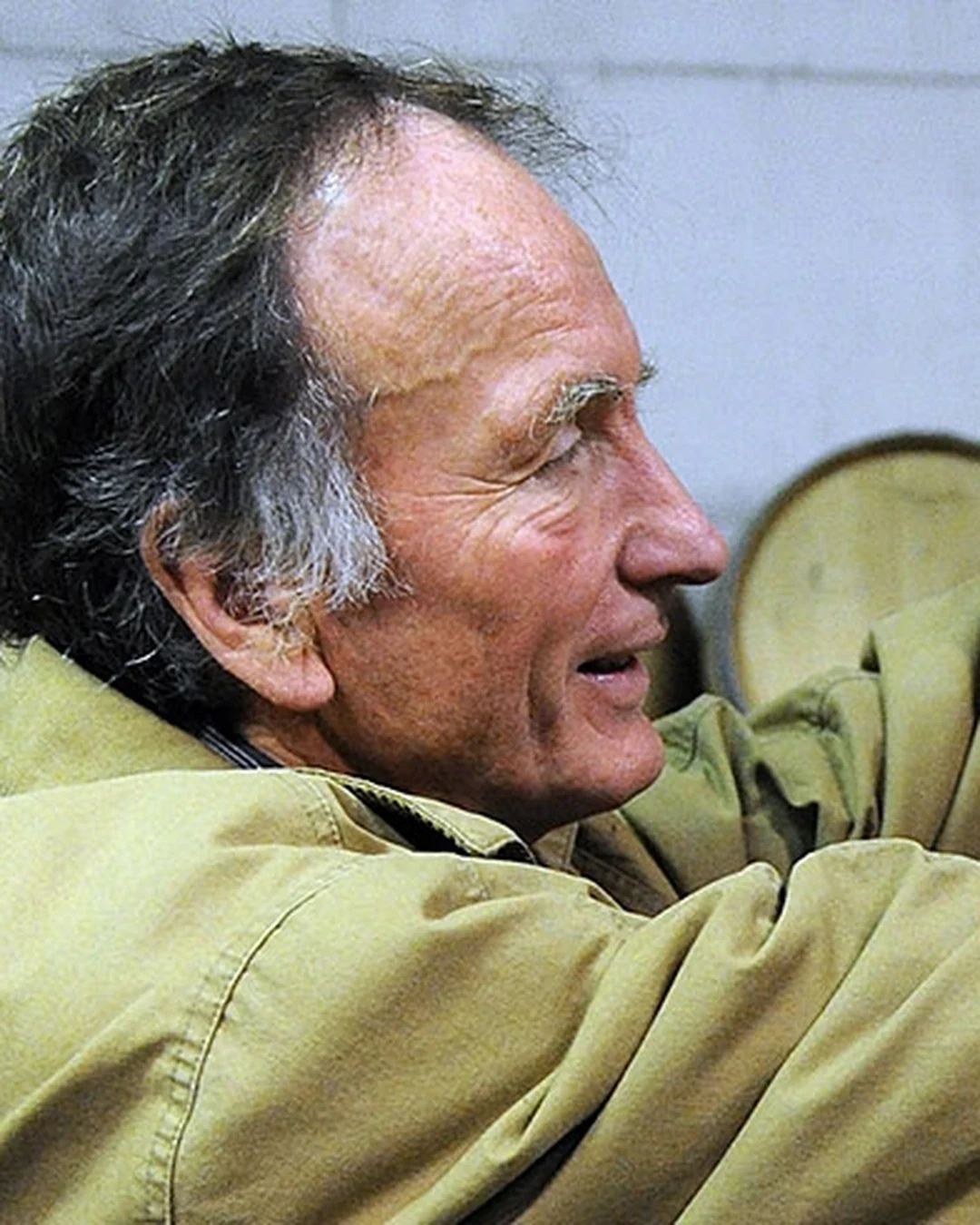
Made By profiles Jean Orliac (Winemaker) at Domaine de l’Hortus.
How expensive is Domaine de l’Hortus?
Domaine de l’Hortus is listed at a price level of $$.
The field
How it compares
| Place | Notes | Awards |
|---|---|---|
| Domaine de l’Hortus | Valflaunès, $$ | · |
| Biondi-Santi Tenuta Greppo | Montalcino | · |
| Château Cos d'Estournel | Saint-Estèphe | World's 50 Best |
| Château Les Carmes Haut-Brion | Bordeaux | · |
| Chateau Petrus | Pomerol | · |
| Felton Road Wines | Bannockburn | World's 50 Best |
| The Macallan | Aberlour | · |