- Falstaff Winery - Listed · 2026
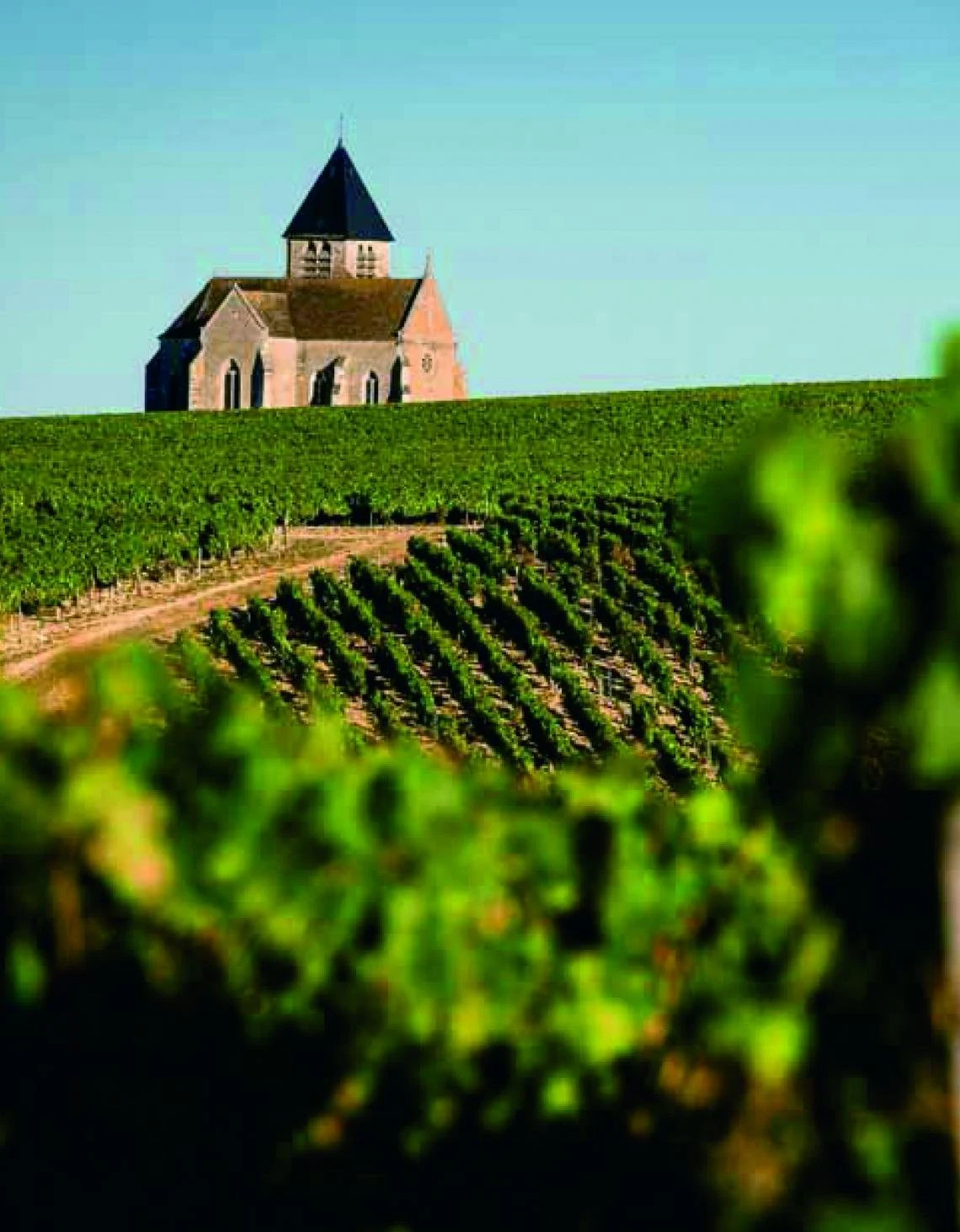
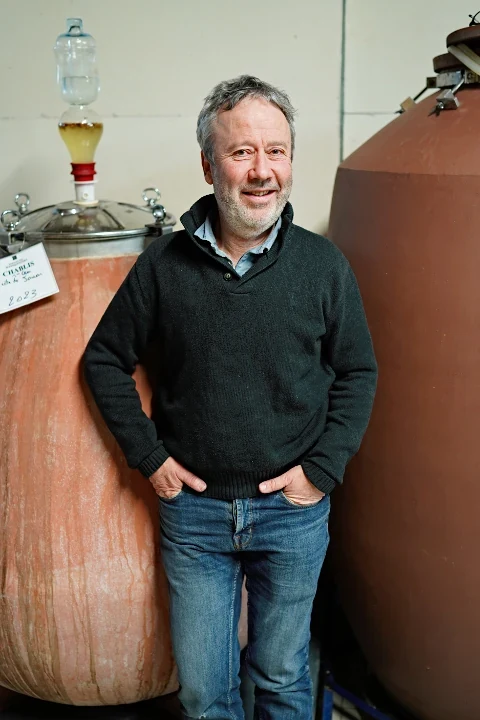
Préhy offers a quieter way into Burgundy, and Domaine de Mauperthuis fits that register with an understated confidence. The picture is of a family-run Burgundy estate near Chablis, with a traditional, terroir-focused atmosphere rather than a design-led showcase or a venue built around polished staging. The experience centers on tasting expressive, low-yield wines from south-facing slopes, making it a classic, rustic stop for visitors who value vineyard character over spectacle. Its appeal lies in that directness: a sense that the surrounding land, the estate’s family identity and the wines themselves are meant to carry the visit.
South-facing Chablis country, read through the estate
Domaine de Mauperthuis is best understood through its setting near Chablis and its emphasis on terroir. The confirmed appeal is not a long list of amenities or a formal hospitality concept, but a direct encounter with wines shaped by south-facing slopes. For travellers, that makes the estate feel more like a working Burgundy address than a polished production, and more like a place to read the landscape through the glass than a destination designed around ceremony.
The useful way to approach the visit is to focus on what is clear: a family-run Burgundy estate in Préhy, a traditional atmosphere, and wines presented through the lens of place. Specific grape varieties, cuvées, certifications, production methods and appellation details are not confirmed here, so the safer editorial frame is broader and more honest: Domaine de Mauperthuis represents a terroir-led Burgundy experience close to Chablis. That broader frame still says a great deal, because it places the estate within a recognizable Burgundy rhythm of slope, exposure, family continuity and careful attention to the character of the vineyard.
That restraint is part of the appeal. Rather than building the visit around awards, design language or a highly staged service format, Domaine de Mauperthuis reads as a rustic Burgundy estate where the core subject is the wine itself. The lack of emphasis on spectacle gives the estate a quieter kind of clarity, especially for visitors who are more interested in how a place expresses itself than in how a venue performs hospitality.
A rustic tasting experience built around terroir, not spectacle
The atmosphere is traditional and grounded, with the experience centered on the estate’s wines rather than luxury interiors. Visitors looking for a classic Burgundy feel should find the tone more practical than theatrical: family-run, terroir-focused and closely tied to the surrounding slopes. It is the sort of stop where the setting matters because it gives context to what is being tasted, not because it has been turned into a decorative backdrop.
Because only limited details are confirmed, it is best not to assume a particular tasting format, menu, capacity, reservation policy or food programme. What can be said with confidence is that Domaine de Mauperthuis suits travellers who want to understand a Burgundy estate through expressive low-yield wines from south-facing terrain near Chablis. That makes the visit especially legible for people who are comfortable with a simple, wine-first experience, where the interest comes from the relationship between the estate, its slopes and the character in the glass.
The price level is listed as $$, placing the estate in a moderate bracket. Beyond that, the strongest reason to include it in a Préhy itinerary is its classic, rustic character and its focus on vineyard expression. The value here is not framed around extras or elaborate presentation; it is framed around access to a traditional Burgundy estate whose identity is closely tied to place.
How to place it in a Préhy wine itinerary
Préhy is a natural setting for a Burgundy wine stop near Chablis, and Domaine de Mauperthuis is well suited to travellers who prefer a terroir-first estate over a design-driven venue. Treat it as a focused, traditional visit built around the wines and the surrounding landscape. In practical itinerary terms, that means approaching it as a calm counterpoint to more performative stops, and allowing the estate’s rustic character to be part of the reason for going.
For planning beyond this estate, compare it with other dining or wine-related options in Préhy generically, rather than assuming a shared format or service style. Domaine de Mauperthuis stands on the essentials: a family-run Burgundy estate, expressive low-yield wines, south-facing slopes and a rustic hidden-gem atmosphere. Those essentials are enough to define its role, particularly for travellers who are building a route around authenticity, vineyard setting and a sense of local continuity.
In a broader Burgundy itinerary, Domaine de Mauperthuis works well as a grounded Préhy stop near Chablis. Its draw is simple and specific: traditional estate character, a terroir-led approach and a setting where the wine remains the main event. For visitors who do not need a visit to be dressed up with excess detail, that simplicity is exactly the point.
Questions
Frequently asked
Who works at Domaine de Mauperthuis?
Made By profiles Laurent Ternynck (Winemaker) and Marie-Noëlle Ternynck (Winemaker) at Domaine de Mauperthuis.
How expensive is Domaine de Mauperthuis?
Domaine de Mauperthuis is listed at a price level of $$.
The field
How it compares
| Place | Notes | Awards |
|---|---|---|
| Domaine de Mauperthuis | Préhy, $$ | · |
| Château Margaux | Margaux | World's 50 Best |
| Domaine Céline et Frédéric Gueguen | Préhy | · |
| Domaine Clotilde Davenne | Préhy | · |
| Domaine Jean-Marc Brocard | Préhy | · |
| Domaine Julien Brocard | Préhy | · |
| Scarecrow | Napa | · |