- Falstaff Winery - Listed · 2026
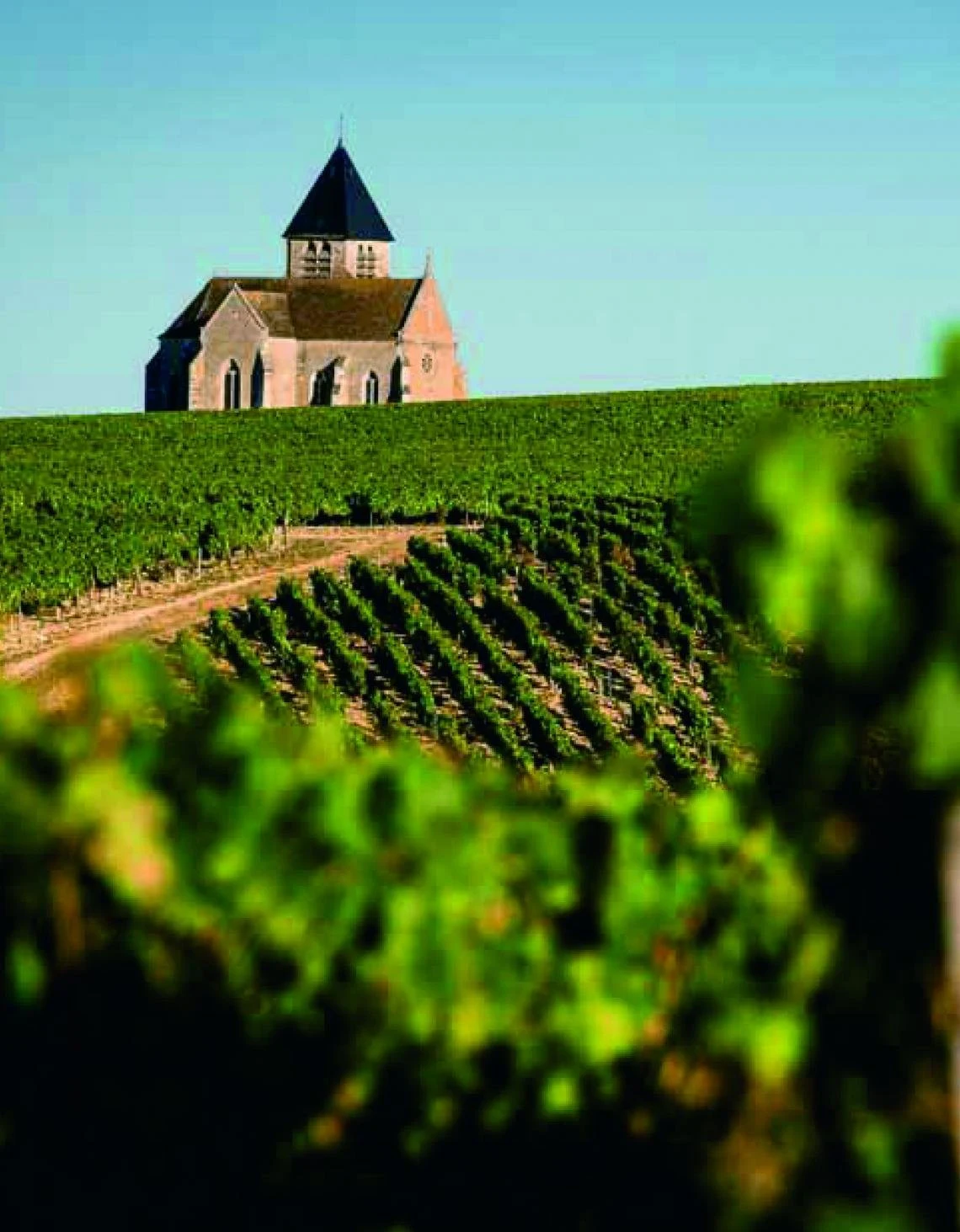
Préhy feels quiet and rural, and that suits Domaine Julien Brocard. The picture is of a biodynamic Chablis estate with a low-intervention winemaking style, a large cellar equipped with substantial wooden foudres, and a focus on wines with strong personality and precision. Nothing in that description needs dressing up with borrowed glamour: the appeal is already specific, rooted in place, and closely tied to the way Chablis can feel when it is approached through vineyard work, cellar restraint, and a sense of measured seriousness.
This is not a page for invented extras or unsupported service claims. The grounded appeal is the estate itself: rustic, sophisticated, and somewhat hidden-feeling, with the cellar and its large-format wooden vessels shaping the impression more than hospitality spectacle. In that sense, Domaine Julien Brocard reads less like a checklist stop and more like an address for travelers who are interested in the internal logic of an estate: how it farms, how it handles wine in the cellar, and how those choices support a style built around character rather than noise.
Biodynamic Chablis, precision, and a low-intervention cellar style
Domaine Julien Brocard is best understood as a Chablis estate in Préhy where biodynamic farming and low-intervention winemaking are central to the identity. Those two ideas give the page its frame. Biodynamic farming points the attention back to the vineyard and to an estate philosophy that treats the growing environment as fundamental, while the low-intervention cellar style suggests a preference for letting the wines speak with clarity and definition rather than pushing them into an overworked shape.
The cellar is a key part of that character. Substantial wooden foudres give the place a serious, traditional feel without needing to claim a specific technical recipe. Their presence also changes the emotional tone of the estate: large wooden vessels imply scale, patience, and a certain calm authority, especially in a Chablis context where precision matters. For visitors interested in the quieter side of Chablis, the draw is the combination of biodynamic intent, restrained cellar language, and a setting that feels rustic rather than showy.
The wines are described through personality and precision, and that pairing is important. Personality keeps the estate from sounding merely austere; precision keeps the description anchored and disciplined. Together, they suggest wines that have a distinct point of view while still holding to the clean, exacting expectations associated with Chablis.
No confirmed award, critic score, founding year, opening history, or detailed bottle range is available in the data entry. Rather than overstate the public record, the editorial case rests on what is confirmed: a biodynamic Chablis estate in Préhy with a low-intervention approach and a cellar built around large wooden foudres. That restraint is part of the accuracy of the recommendation. The available information supports a focused portrait, not an inflated one, and the venue is stronger when presented within those clear limits.
A quiet Préhy stop for Chablis-focused travelers
The atmosphere is quiet, rustic, sophisticated, and hidden-gem in feel. Domaine Julien Brocard is a stronger fit for travelers who want to understand a Chablis estate through its cellar character and farming philosophy than for readers looking for a restaurant-style meal, a documented tasting menu, or a confirmed walk-in format. The tone is more contemplative than performative: the interest lies in the estate’s identity, the way its confirmed practices fit together, and the sense of place created by Préhy’s rural quiet.
Plan around the confirmed identity of the place rather than assuming additional services. That means approaching Domaine Julien Brocard as a Chablis estate first, with biodynamics, low-intervention winemaking, and large wooden foudres at the center of the story. It does not mean assuming a broader hospitality program, a particular style of visit, or any dining element that is not supported by the entry. For the right traveler, that clarity is useful: expectations remain grounded, and the estate’s real strengths stay in focus.
For travelers comparing options in Préhy, keep the focus local and general: Domaine Julien Brocard stands out as a biodynamic Chablis estate with a precise, low-intervention profile. Other dining or travel stops in Préhy can be considered separately, but no specific comparison venue is beyond Domaine Julien Brocard itself. The point of including it is not to position it against a named rival, but to mark it as a quiet, serious Chablis address whose interest comes from farming philosophy, cellar atmosphere, and wine style.
The editorial case for Domaine Julien Brocard is clear and narrow: Préhy has a Chablis estate whose appeal lies in biodynamic farming, a low-intervention winemaking style, substantial wooden foudres, and wines described through personality and precision. That is enough to make the page useful without stretching beyond the public record. Its strength is in the controlled description: rustic but sophisticated, hidden-feeling but not obscure for the sake of it, and defined by a cellar and philosophy that give the estate its particular shape.
Questions
Frequently asked
Who works at Domaine Julien Brocard?
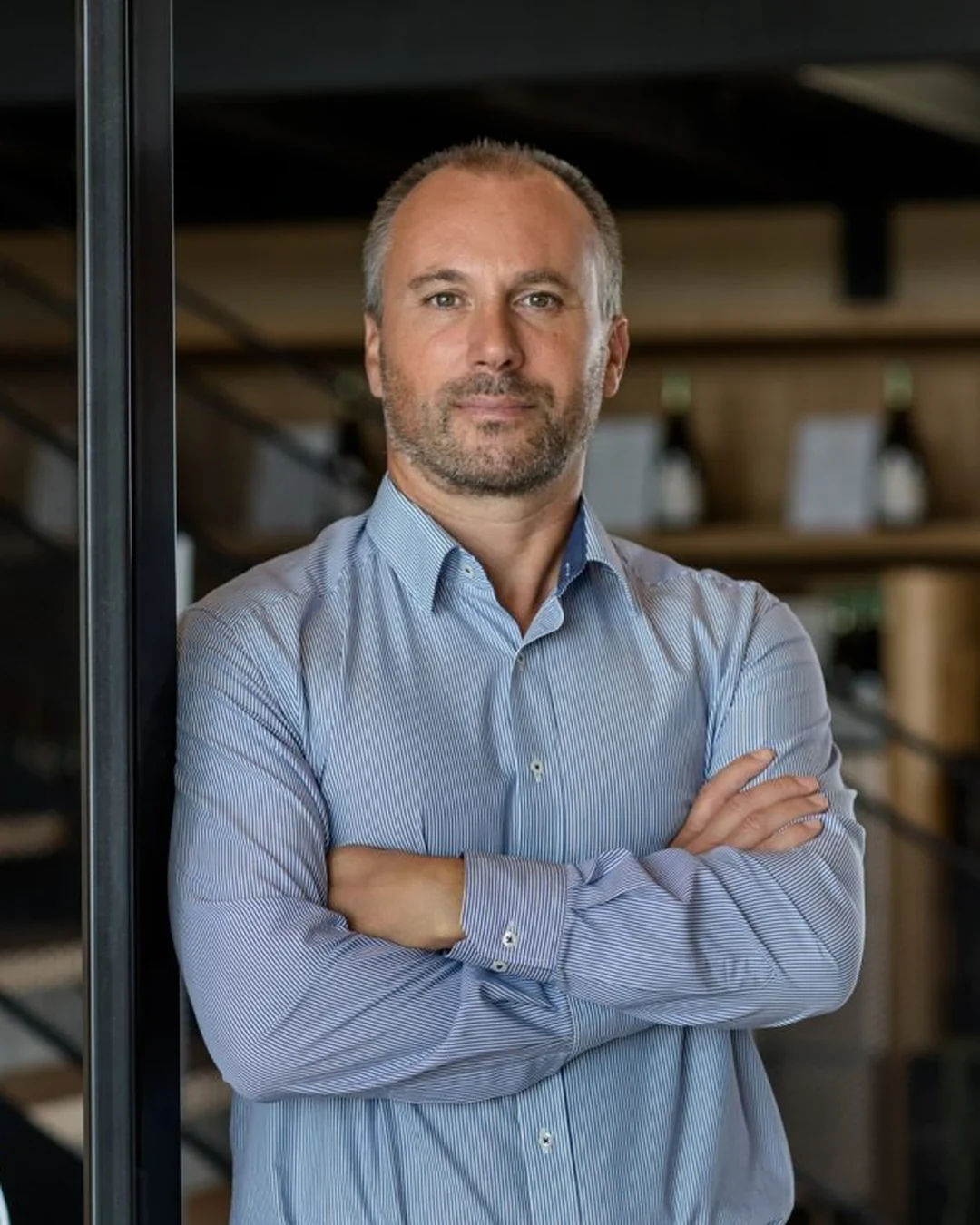
Made By profiles Julien Brocard (Winemaker) at Domaine Julien Brocard.
How expensive is Domaine Julien Brocard?
Domaine Julien Brocard is listed at a price level of $$.
The field
How it compares
| Place | Notes | Awards |
|---|---|---|
| Domaine Julien Brocard | Préhy, $$ | · |
| Chateau Haut-Brion | Pessac | World's 50 Best |
| Château La Conseillante | Pomerol | · |
| Domaine Céline et Frédéric Gueguen | Préhy | · |
| Domaine Clotilde Davenne | Préhy | · |
| Domaine de Mauperthuis | Préhy | · |
| Domaine Jean-Marc Brocard | Préhy | · |