Thirteen hectares of Merlot-led vines
- Falstaff Winery - 1 Stars · 2026
Custody after Marius Bielle
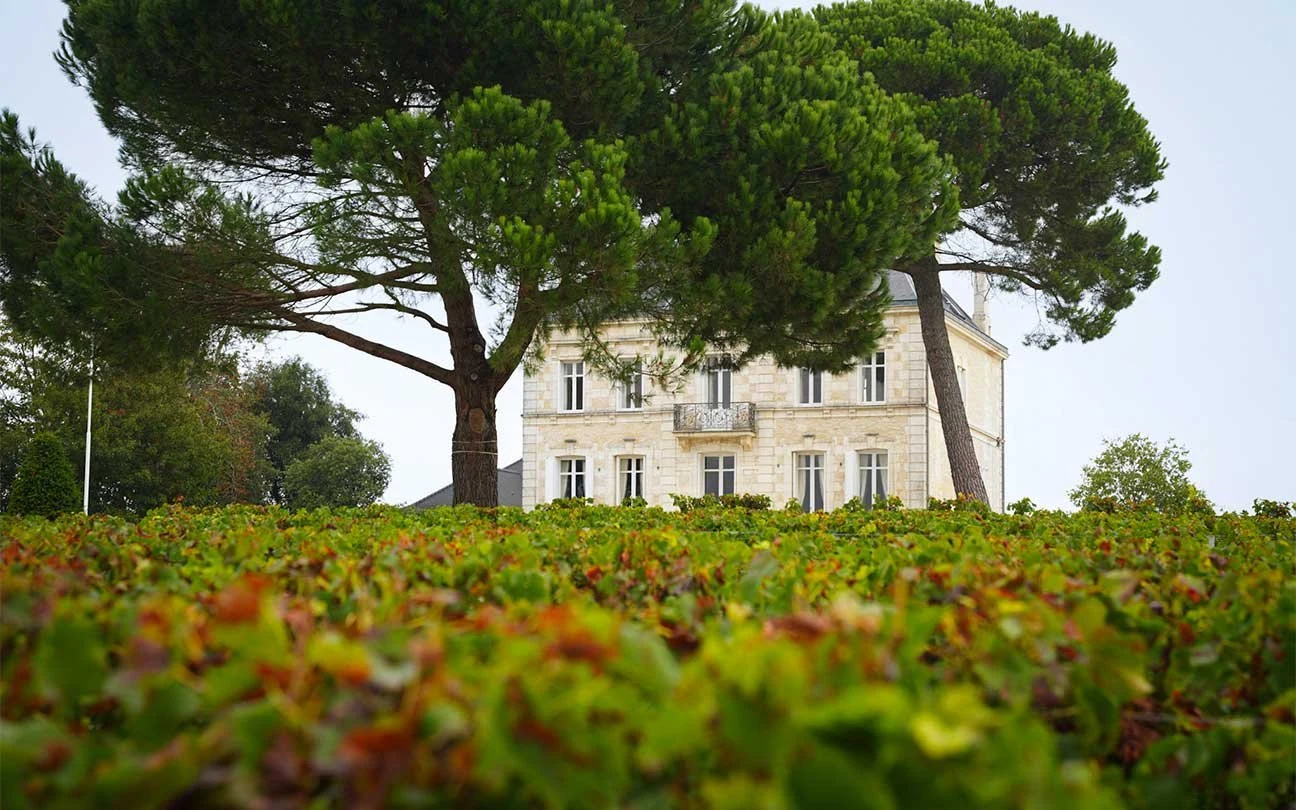
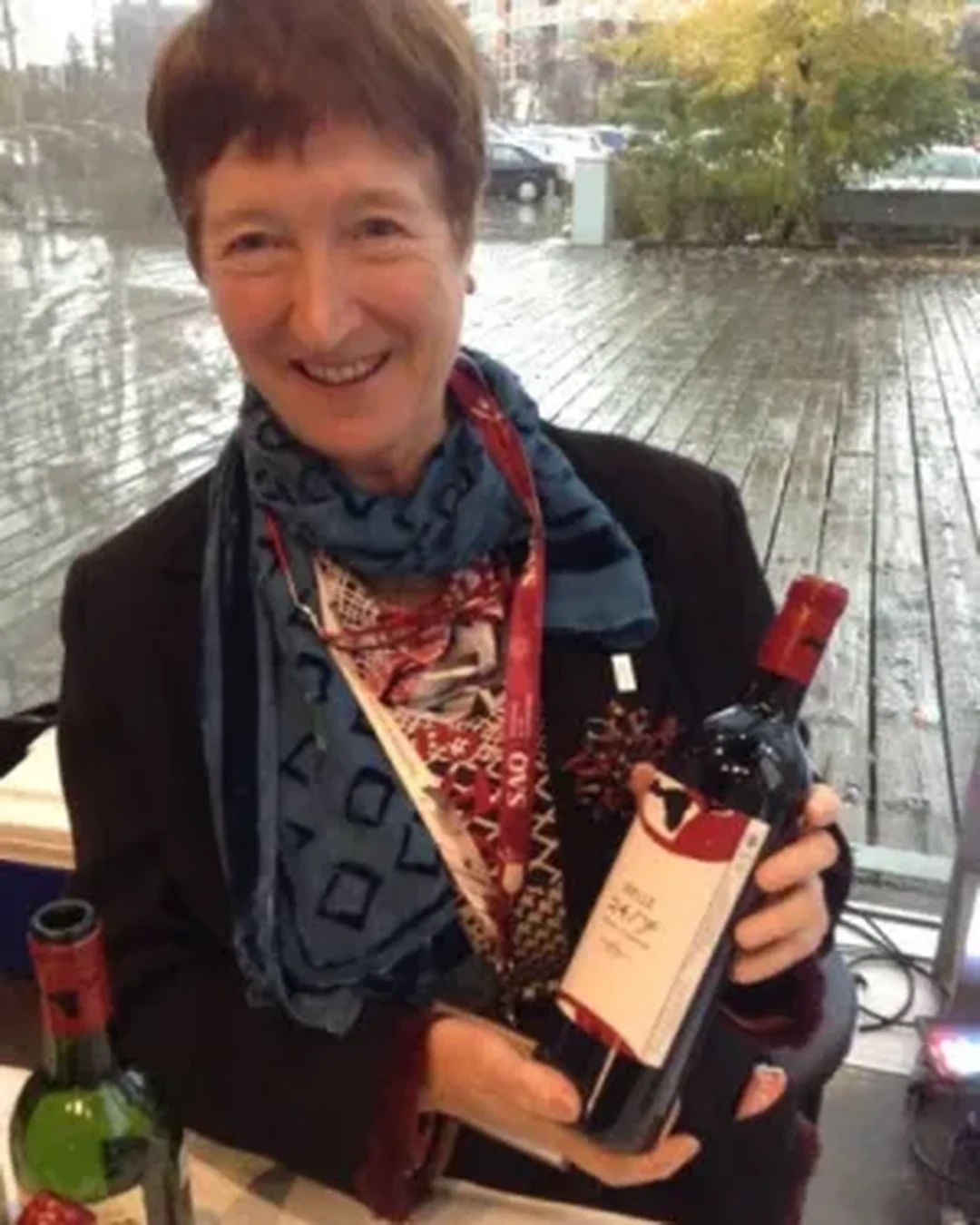
Ploughing, natural grass cover and plant-based preparations set the working rhythm for Lucette Bielle, winemaker at Domaine de Viaud in Lalande De Pomerol. The estate sits in Lalande-de-Pomerol, on Bordeaux’s right bank, where her father, Marius Bielle, founded the family property in the 1940s. Bielle took over in 1982, not as a break in the line but as its working continuation: propriétaire et directrice, responsible for the vineyard, the cellar decisions and the reputation carried in each vintage. Lucette Bielle works with a domaine whose public identity remains close to its materials, Merlot-based red wine from sandy and gravelly soils, farmed under environmental discipline and made in a traditional register. The role is inheritance in the practical sense. Soil habits matter. Vineyard timing matters. Cellar restraint matters. At a small family-run estate, direction is not a separate office from the hands; it is the accumulated judgment behind pruning, picking, vinification and the point at which the wine is left to become itself.
Thirteen hectares on sand and gravel
The estate farms about 13 hectares in the Lalande-de-Pomerol AOC, with Merlot as the central grape and Cabernet Franc in support. The published planting is 95% Merlot and 5% Cabernet Franc, a proportion that keeps the wines within the right-bank grammar of fruit, texture and structure rather than leaning on varietal novelty. The vineyard sits on sandy and gravelly soils, a combination that drains readily and asks the grower to work with vintage conditions rather than against them. Domaine de Viaud holds HVE level 3 certification, along with AB and Biodyvin certification, and the work named behind those credentials is concrete: ploughing, natural grass cover, plant-based preparations, traditional vinification and the avoidance of thermoregulation. In the cellar, the emphasis remains on classic Lalande-de-Pomerol reds rather than a broad portfolio. The Cuvée traditionnelle gives the estate a stable frame, one appellation and one family line measured across vintages.
The cellar before the glass
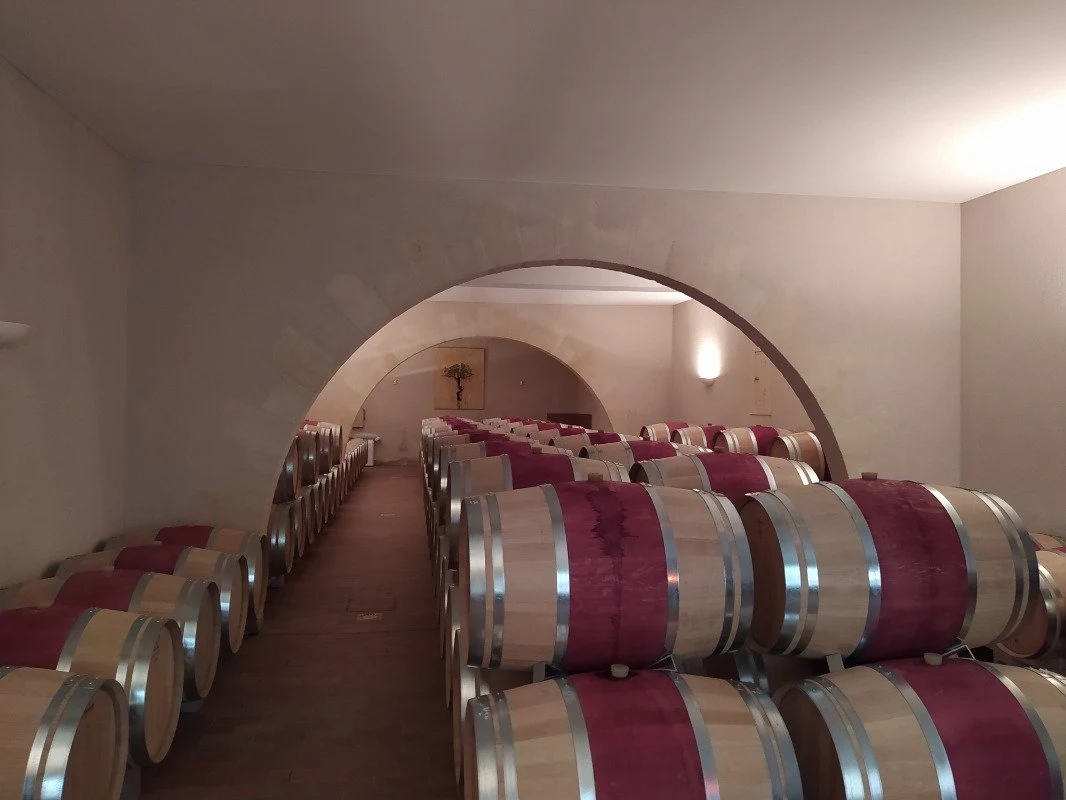
The place is modest in the right-bank manner, a vineyard and cellar property before it is a visitor stage. In the tasting room, Domaine de Viaud reads as a family estate rather than a designed experience, with the attention returning to the red wine in front of the glass and the soils outside the door. The cellar keeps the atmosphere close to the method. Nothing in the room needs to compete with Merlot from Lalande-de-Pomerol.
One cuvée across time
Continuity shows most clearly when the frame does not change. Domaine de Viaud, Lalande-de-Pomerol a.c., Cuvée traditionnelle, has appeared across 1990, 2000 and 2010 vintages in tasting alongside Bielle, three passes through one cuvée rather than a search for a new label. Recent notes on the 2021 and 2019 Lalande-de-Pomerol point to texture, fruit, spice, undergrowth and persistence, the vocabulary of a wine still judged by its appellation and its finish. The close attention belongs there, in Cuvée traditionnelle.
Questions
Frequently asked
Who runs Domaine de Viaud?
Lucette Bielle is the winemaker and propriétaire et directrice at Domaine de Viaud, and she has run the family estate since 1982.
What kind of wine does the estate make?
The estate makes Merlot-based red wine from the Lalande-de-Pomerol AOC, with Cabernet Franc in support, and its Cuvée traditionnelle has been shown across several vintages.
How is the vineyard farmed?
Domaine de Viaud farms about 13 hectares on sandy and gravelly soils, using ploughing, natural grass cover and plant-based preparations, and it holds HVE level 3, AB and Biodyvin certification.
Can visitors come without booking?
Visits are by appointment only, and there is an on-site parking lot.
The field
How it compares
| Place | Notes |
|---|---|
| Domaine de Viaud | Lalande-de-Pomerol, $$$ |
| Château de Bel-Air | Lalande De Pomerol |
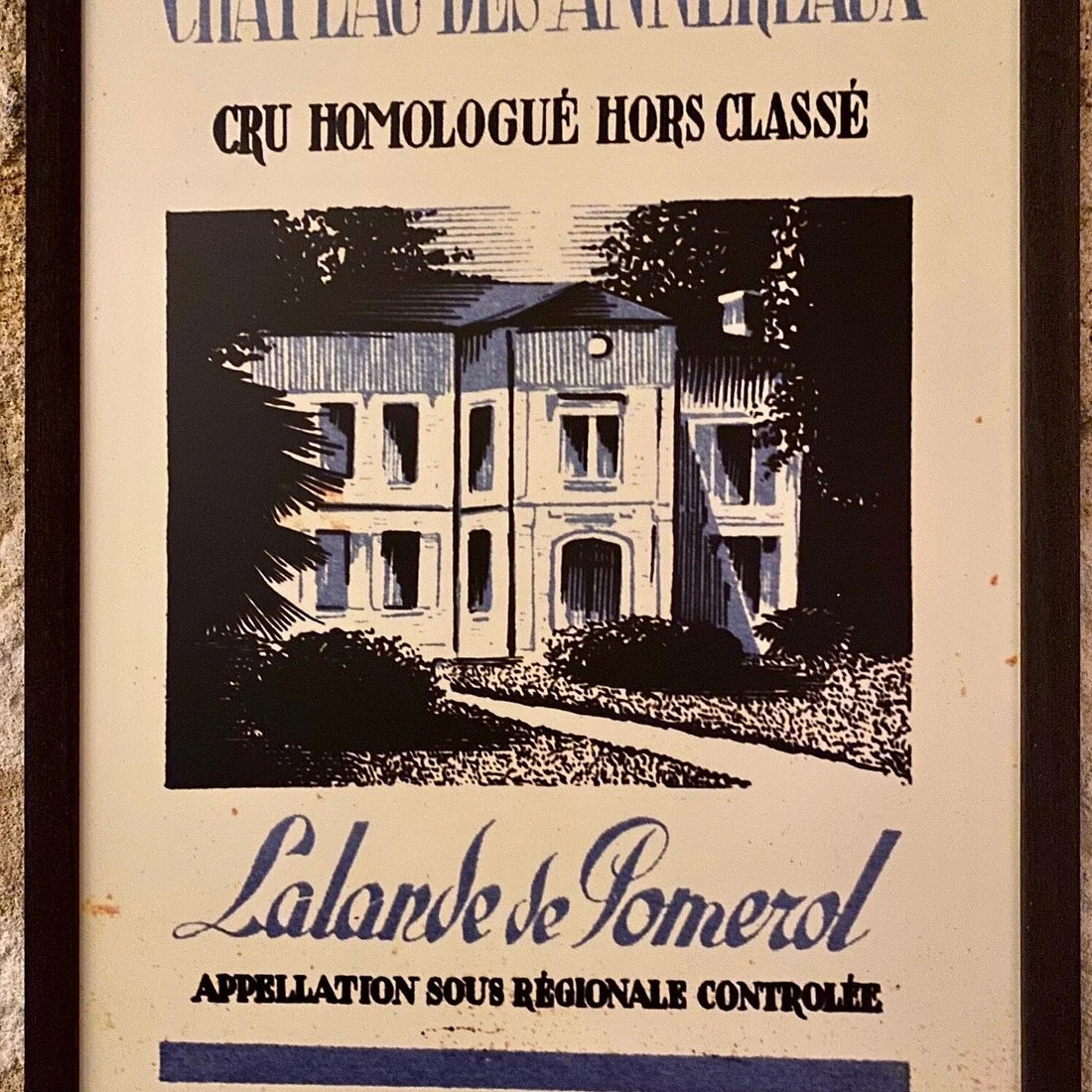
| Château des Annereaux | Lalande De Pomerol |
| Château Grand Ormeau | Lalande De Pomerol |
| Château Les Cruzelles | Lalande De Pomerol |
| Château Perron | Lalande De Pomerol |
| Château Saint Jean de Lavaud | Lalande De Pomerol |