Château Saint Jean de Lavaud
- 01CityLalande De Pomerol, France

Co-fermented old-vine right-bank reds
- Falstaff Winery - Listed · 2026
Two varieties, one first decision
Merlot and Cabernet Franc enter the vat together under Bruno Lacoste, winemaker at Château Saint Jean de Lavaud in Lalande De Pomerol. He does not begin by separating the two grapes into parallel cellar lives, then assembling them later. His method keeps them side by side from the outset, a co-fermentation that asks the fruit to find its shape early, while the skins, juice and fermenting must are still changing by the hour.
Lacoste’s route to this bench began with studies in Bordeaux and moved directly into an oenological consulting firm, a start that placed technique before inheritance. He has said that not coming from that background gave him a wider approach to oenology. At this estate, that breadth narrows into a small frame: old vines, Merlot, Cabernet Franc, and a cellar program built to keep balance and texture in view. The property does not present the winemaker as a figure apart from the vineyard. The old vines set the terms before the cellar begins.
Co-fermentation on a single hectare
The working scale is one-hectare, which changes the rhythm of decision-making. A small vineyard gives less room for correction and less need for abstraction; the fruit is not a category here, it is the crop in front of Lacoste. The estate works in Lalande-de-Pomerol on Bordeaux’s right bank, with old Merlot and Cabernet Franc vines as the base of its still red wine. The philosophy is sustainable, traditional in outline, and restrained in the cellar.
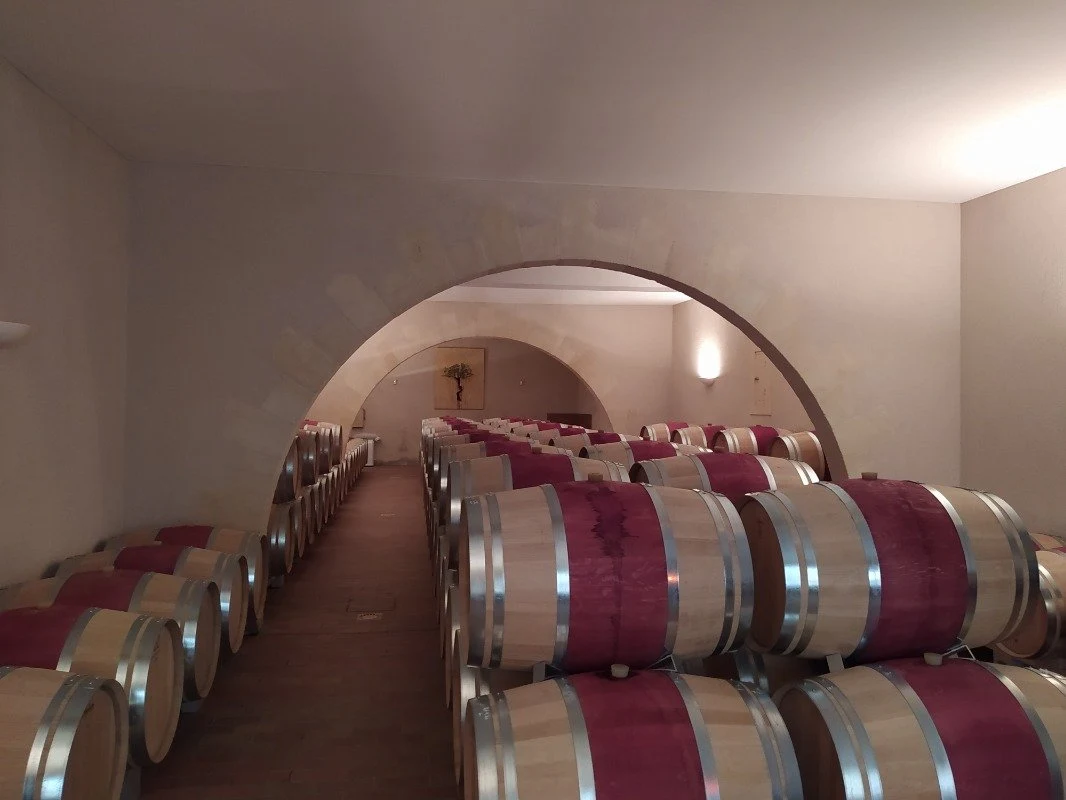
Co-fermentation carries the main technical signature. Merlot and Cabernet Franc develop together rather than being vinified apart, preserving fruit while letting the two varieties exchange structure and aroma during fermentation. Afterward, Lacoste matures the wine in 500-litre barrels. That choice matters in Bordeaux, where the 225-litre barrique is the familiar reference point. The larger vessel gives wood a quieter role, supporting the wine without pushing oak ahead of fruit. It is not a neutral decision; it is a decision for proportion.
A right-bank cellar kept quiet
The place reads as a small right-bank estate rather than a visitor machine. The cellar, the vineyard and the tasting room belong to a modest circuit of work, with the noise kept low and the attention turned toward the next handling of the wine. There is no sense of scale performing for the room. The one-hectare vineyard makes its own discipline.
In the glass, the aim is not force. Lacoste’s program asks for suppleness, clarity and the kind of fruit that survives élevage without being dressed over. The right-bank setting gives Merlot its natural weight; Cabernet Franc brings its line. The cellar’s task is to keep both audible through co-fermentation and 500-litre barrels.
Questions
Frequently asked
Who makes the wine at Château Saint Jean de Lavaud?
Bruno Lacoste is the winemaker at Château Saint Jean de Lavaud in Lalande-de-Pomerol.
What is the estate known for?
The estate is known for co-fermenting old-vine Merlot and Cabernet Franc, rather than vinifying the two grapes separately and blending them later.
How does the cellar work here?
The wine is matured in 500-litre barrels, which keeps the wood in a quieter role than the more familiar 225-litre barrique.
What is the scale of the vineyard?
The working vineyard scale is one hectare.
Do visits need to be booked in advance?
Yes. The reservation policy is appointment only.
The field
How it compares
| Place | Notes |
|---|---|
| Château Saint Jean de Lavaud | Lalande-de-Pomerol, $$$ |
| Château de Bel-Air | Lalande De Pomerol |
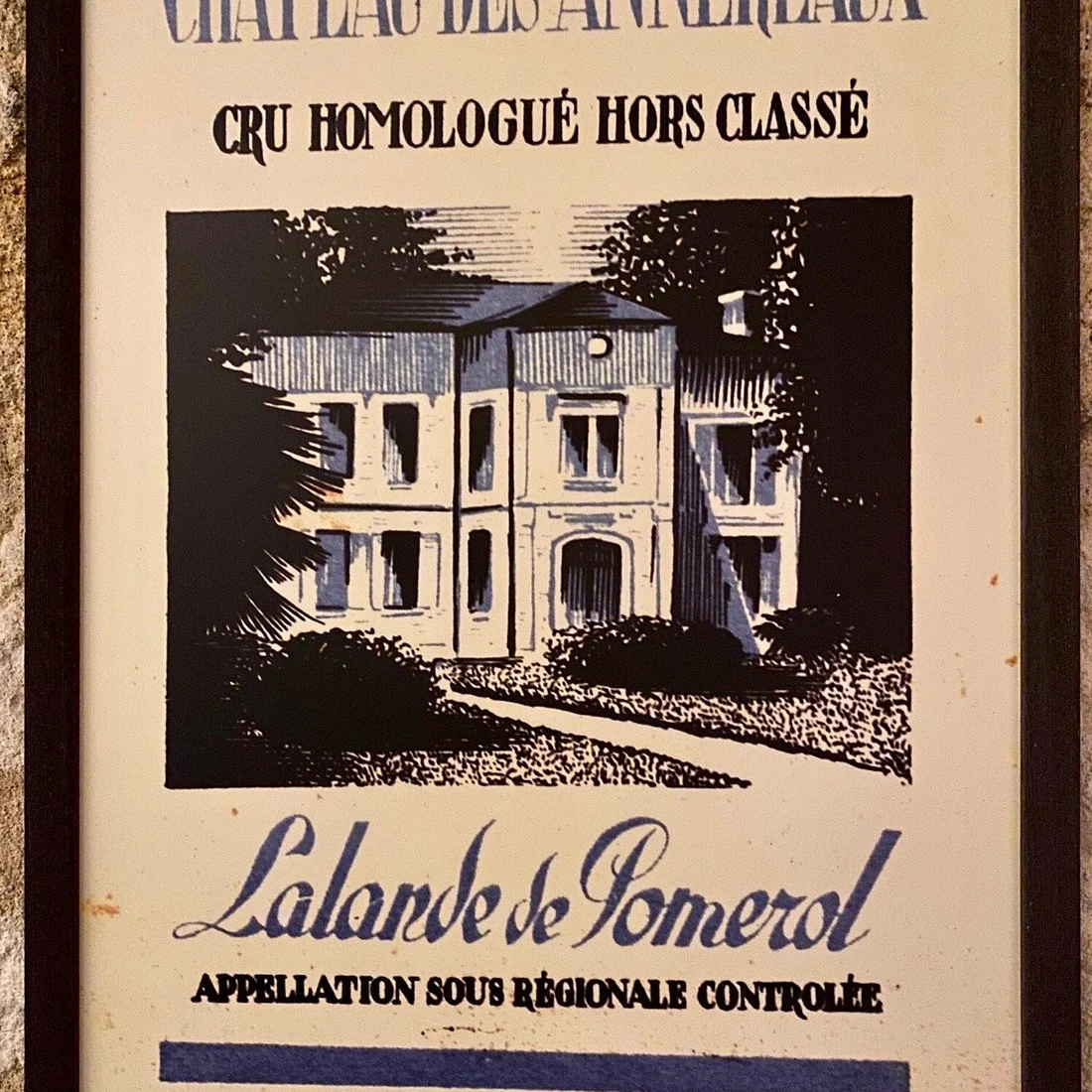
| Château des Annereaux | Lalande De Pomerol |
| Château Grand Ormeau | Lalande De Pomerol |
| Château Les Cruzelles | Lalande De Pomerol |
| Château Perron | Lalande De Pomerol |
| Domaine de Viaud | Lalande De Pomerol |