- Falstaff Winery - Listed · 2026
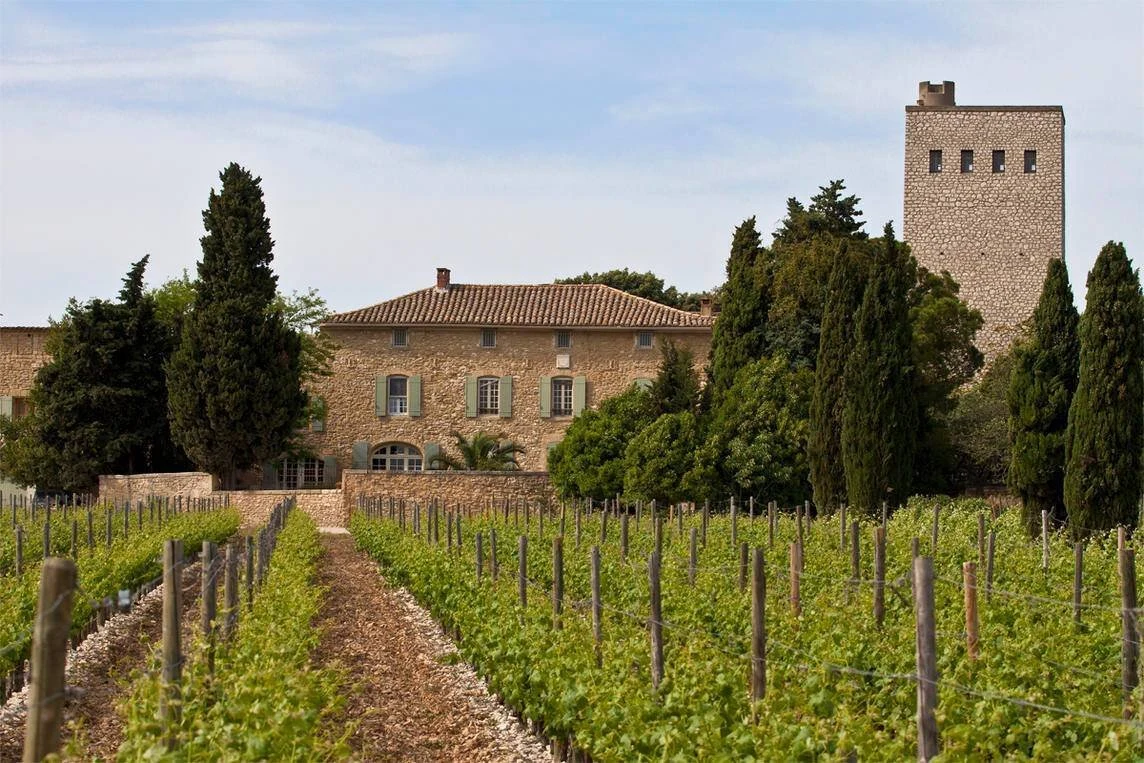
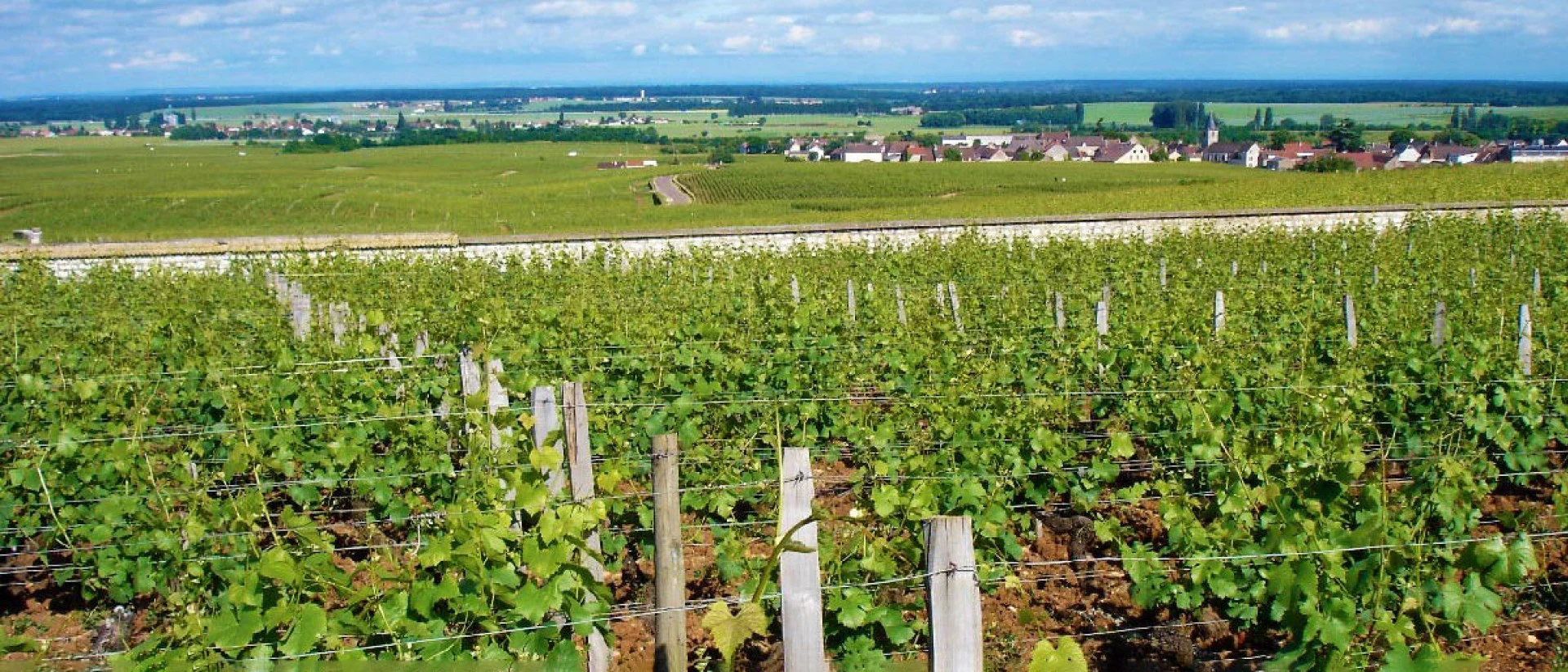
Around Roquemaure, Domaine des Carabiniers is best understood as a working southern Rhône estate rather than a polished luxury venue. The appeal is direct and intentionally unshowy: a family-run biodynamic domaine with a practical cellar and tasting room, set in a rural atmosphere where the focus is on terroir and sustainable farming. This is the kind of place where the agricultural identity matters more than any sense of theatre. Visitors should come expecting a grounded estate context, with the landscape, the farming choices and the cellar environment doing most of the work.
Southern Rhône character, handled through biodynamic farming
The estate’s strongest identity is agricultural rather than decorative. Domaine des Carabiniers is described as a family-run biodynamic estate in the southern Rhône, with a down-to-earth feel and an emphasis on farming, place and cellar practicality instead of luxe design. That combination gives the venue a clear editorial position: it is less about presenting wine as a lifestyle accessory and more about showing it as the result of land, cultivation and cellar work.
For visitors, that means the experience should be read as rustic, classic and scenic rather than formal. The draw is not an elaborate hospitality concept, but a hidden-gem rural setting where the tasting room and cellar support the estate’s character. In practice, that makes the visit feel more connected to the rhythms of a working domaine than to the choreography of a destination tasting room. The southern Rhône context also matters here, because the sense of place is central to how the estate is framed. The point is not just to taste in a rural building, but to understand the tasting room as part of a wider farming environment.
The biodynamic element is therefore not a decorative label in this description; it sits at the centre of the estate’s personality. It reinforces the idea of a venue led by sustainable farming and terroir, where the visitor experience is shaped by the land-first approach. For travellers who respond to that kind of authenticity, the relative simplicity is part of the attraction rather than a limitation.
A grounded estate experience rather than a luxury showcase
What can be said with confidence is that Domaine des Carabiniers presents itself as a southern Rhône estate shaped by family ownership, biodynamic practice and a practical tasting-room setting. Those details are important because they set expectations clearly. This is not described as a grand, design-led address or a hospitality complex built around spectacle. It is better understood as an estate visit with a direct relationship to its farming base.
That makes the venue a better fit for travellers looking for a grounded rural stop than for those seeking a highly designed destination. Its $$ tier also points to an accessible, estate-led experience rather than a luxury positioning. The value of the visit sits in the combination of rural scenery, cellar practicality and the feeling of being close to the source of production. For some visitors, that will be exactly the appeal: a modest and straightforward stop where the surroundings and farming philosophy provide the substance.
The practical tone should also help with planning. Visitors should not overread the venue as a full-scale luxury experience, and should instead approach it as a working domaine with a tasting-room function. That distinction matters in the southern Rhône, where the difference between a polished showcase and an agricultural estate can shape the whole visit. Domaine des Carabiniers belongs on the latter side of that divide.
For current tasting details, opening arrangements or availability, use the domaine’s own channels before planning a visit. That is especially sensible for a venue framed around estate practicality rather than elaborate hospitality infrastructure. Confirming directly keeps expectations aligned with the current visitor setup.
Where this sits in a Roquemaure day
In a Roquemaure itinerary, Domaine des Carabiniers works as a calm, farm-first stop. It suits visitors who want a practical cellar and tasting room in a scenic rural setting, with the emphasis on biodynamic viticulture and terroir rather than showpiece design. It can be read as a quieter counterpoint to more formal or more styled experiences, because its strengths are rooted in restraint, place and agricultural clarity.
Other dining and experience options in Roquemaure can be considered generically around the visit, but no specific nearby venues are here as comparisons. Keep the plan flexible and confirm current arrangements directly with the estate. That flexible approach suits the nature of the venue: it is best treated as part of a relaxed rural day rather than as a tightly scripted luxury appointment.
The critical read is simple: Domaine des Carabiniers is for travellers who value a family-run biodynamic estate, a rustic southern Rhône atmosphere and a tasting-room experience grounded in place. In Roquemaure, that makes it a modest, practical and terroir-focused stop. Its appeal is not in polish for its own sake, but in the clarity of what it offers: a working southern Rhône domaine, a sustainable farming identity and a visitor experience that keeps the estate itself at the centre.
Questions
Frequently asked
Who works at Domaine des Carabiniers?
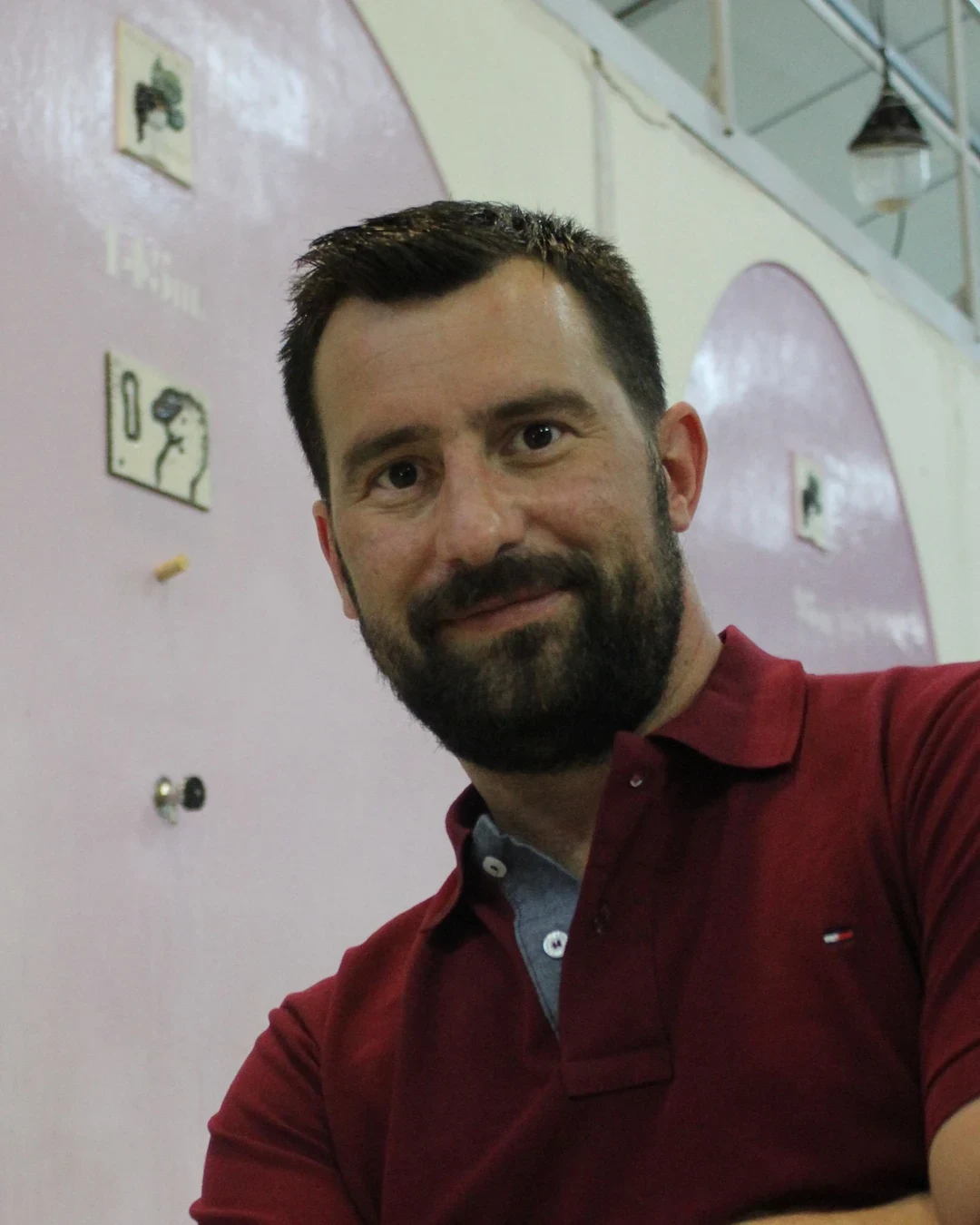
Made By profiles Fabien Leperchois (Winemaker) at Domaine des Carabiniers.
How expensive is Domaine des Carabiniers?
Domaine des Carabiniers is listed at a price level of $$.
The field
How it compares
| Place | Notes | Awards |
|---|---|---|
| Domaine des Carabiniers | Roquemaure (right bank of the Rhône, near Avignon), $$ | · |
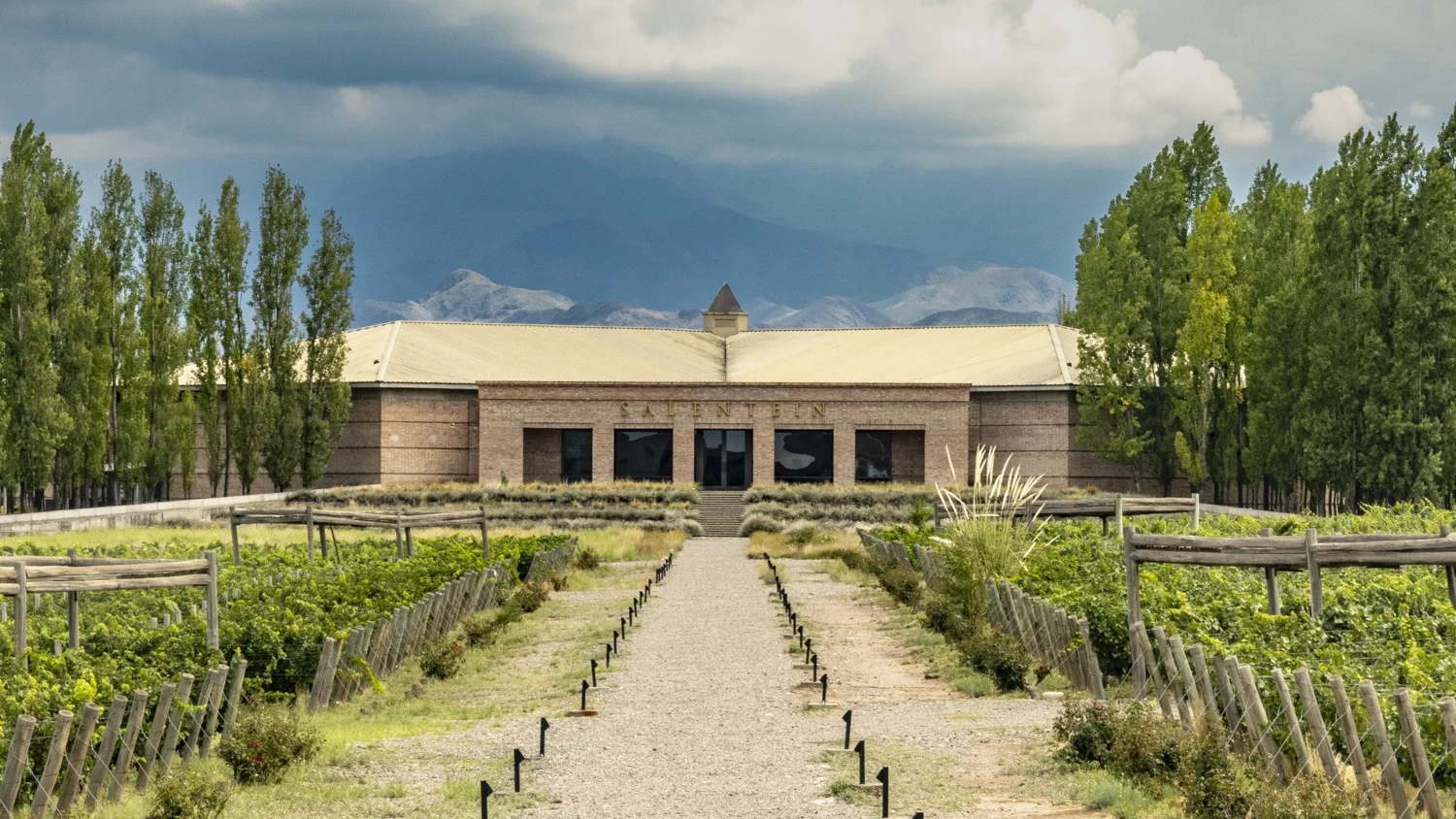
| Bodegas Salentein | Tunuyán | World's 50 Best |
| Château Boucarut | Roquemaure | · |
| Château Saint-Roch | Roquemaure | · |
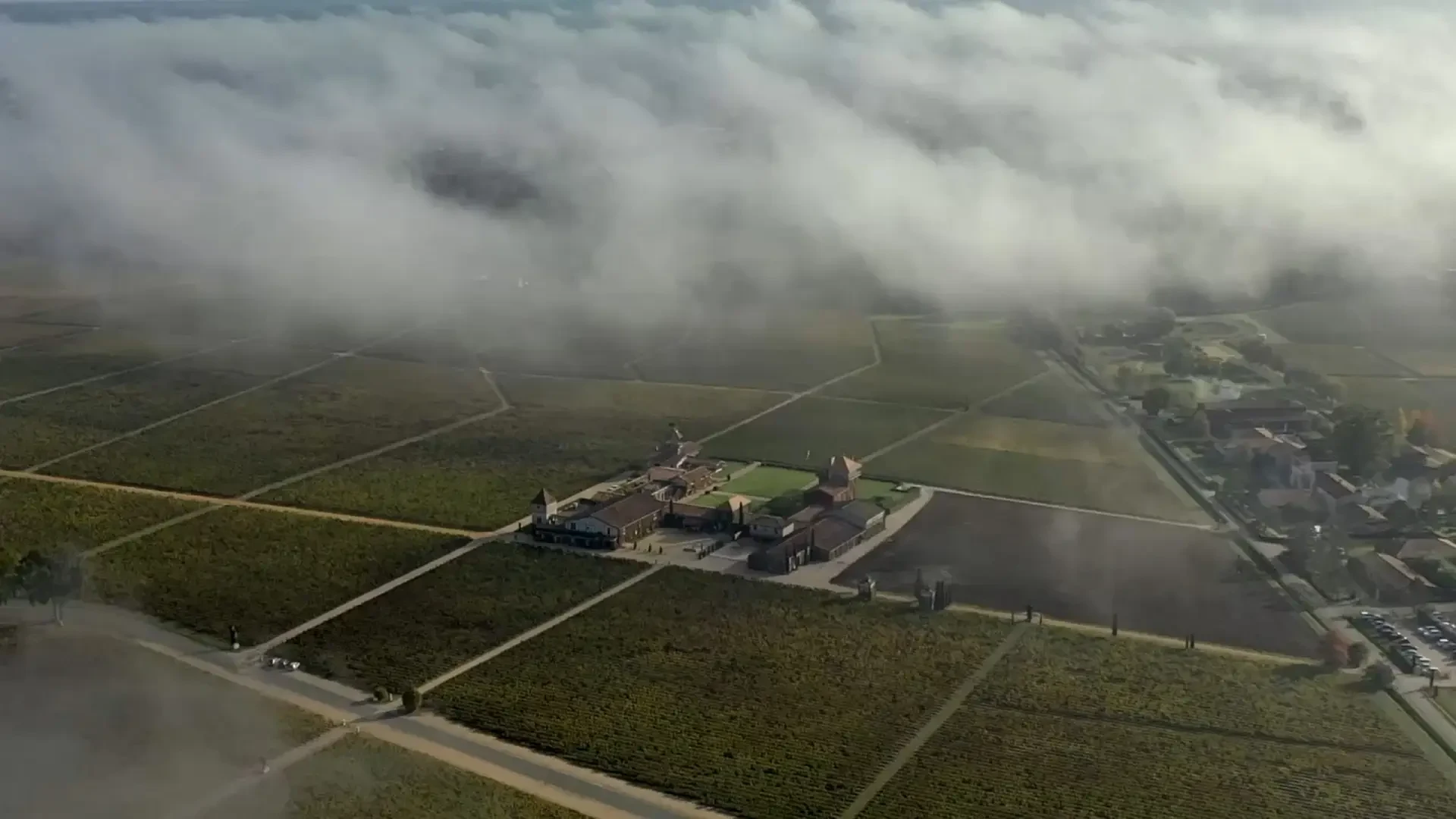
| Château Smith Haut Lafitte | Martillac | World's 50 Best |
| Domaine Méo-Camuzet | Vosne-Romanée | · |
| Rocca Maura | Roquemaure | · |