- Falstaff Winery - Listed · 2026
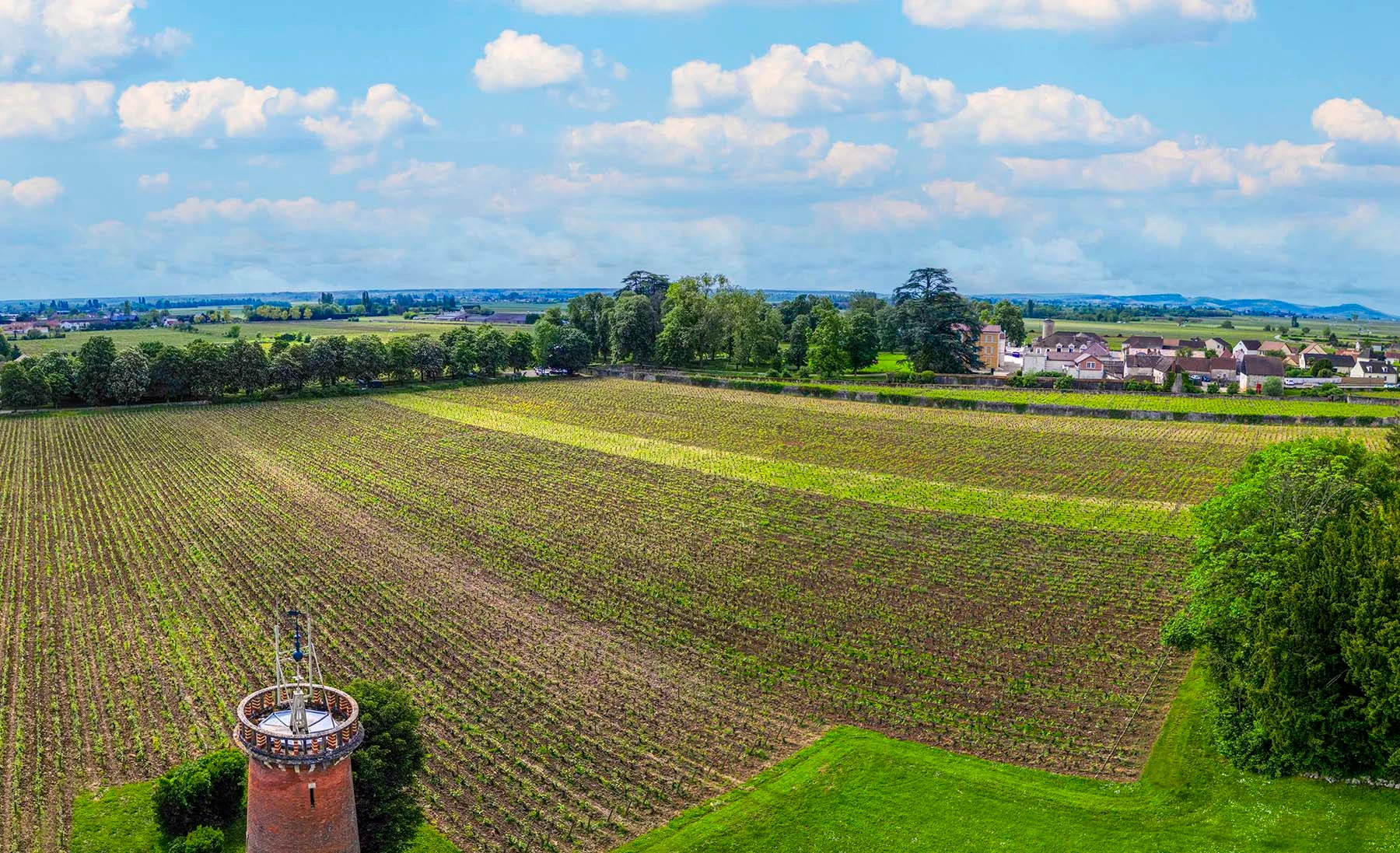
The approach to Fontjoncouse sets the tone: a wild, rocky corner of the Hautes-Corbières, with a rural atmosphere shaped more by landscape, cellar and vineyards than by hospitality infrastructure. Domaine des Deux Clés is best understood in that spirit, as a small, hands-on artisan estate rather than a polished visitor complex. The appeal is not in grand staging or a heavily packaged experience, but in the feeling of being close to the place itself, with the surrounding countryside providing much of the character.
For travellers planning around Fontjoncouse, the picture is simple: expect a rustic, scenic and intimate setting, with the focus on the estate and its vineyard context. This is the kind of stop that makes most sense when approached with flexibility and curiosity rather than a checklist of facilities. Specific details about production, certifications, opening arrangements or cellar practices should be confirmed directly before building a visit around them, particularly if those details will determine whether the stop fits your route.
A quiet Hautes-Corbières estate setting
Domaine des Deux Clés sits around Fontjoncouse, where the appeal is tied to the rocky rural setting and the close connection between cellar and vineyards. The atmosphere is quiet and classic rather than showy, making it a hidden-gem stop for travellers who prefer small-scale wine country over larger hospitality-driven destinations. In practical terms, that means the setting is part of the experience: the sense of distance, the rural texture and the Hautes-Corbières landscape are not background details so much as the reason to come.
This is not a destination to frame as a high-gloss tasting venue, and that is part of its charm for the right visitor. The estate context matters because it gives the stop a grounded, place-led feel, where the vineyard environment and the cellar sit naturally together. Travellers who enjoy quieter addresses may find that this understated quality is more memorable than a more elaborate presentation.
Treat those details as points to ask the estate about directly if they matter to your itinerary. If you need certainty on how a visit works, how formal or informal the experience is, or what will be available on a given day, direct confirmation is the safest way to keep expectations aligned with the reality of a small rural estate.
A small estate focused on place
The strongest grounded reason to consider Domaine des Deux Clés is its sense of place: Fontjoncouse, the Hautes-Corbières landscape and a hands-on estate atmosphere. It is a fit for visitors who value a quiet rural setting and a close-to-the-vineyard experience more than an elaborate tasting-room presentation. The emphasis is on context rather than spectacle, which makes the domaine easier to understand as part of the surrounding countryside than as a standalone visitor attraction.
That place-led appeal is modest, but it is also clear. The name belongs in an itinerary when the goal is to spend time in a more intimate corner of wine country, where the rural setting shapes the mood of the visit. Nothing in the available information suggests that the estate should be approached as a large-scale destination with a broad hospitality program; instead, it reads as a focused, artisan address whose value lies in being specific to Fontjoncouse and the Hautes-Corbières.
No clear awards, scores, founding history or owner biographies are available here, so this guide does not treat the domaine as a trophy stop or build its appeal around critical recognition. Its draw is more modest and practical: a rustic, scenic estate in Fontjoncouse with pricing listed at $25 per person. That makes expectation-setting important. Rather than looking for status signals, visitors should judge whether the setting, scale and rural character match the kind of wine-country experience they want.
Who this visit suits in Fontjoncouse
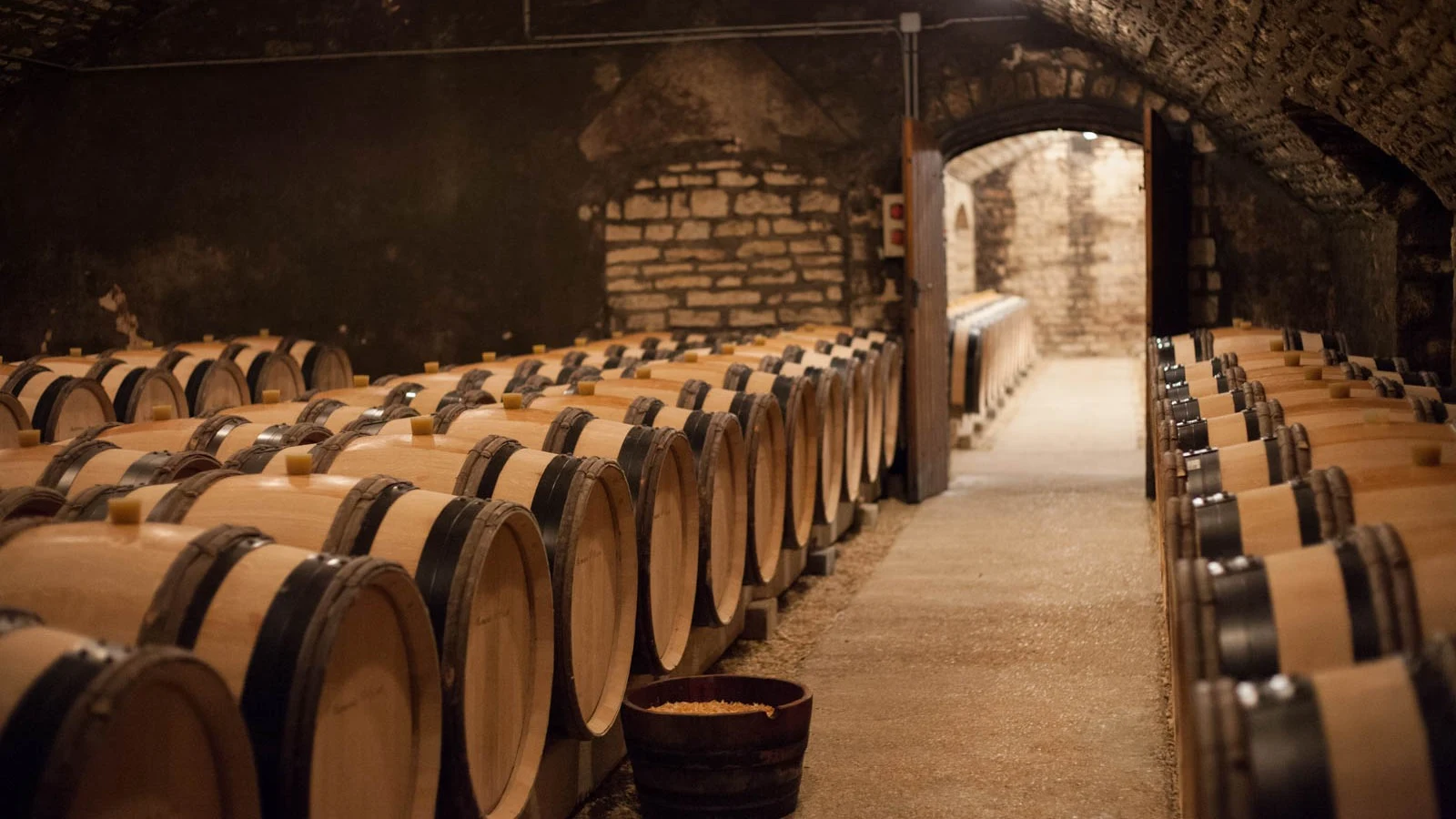
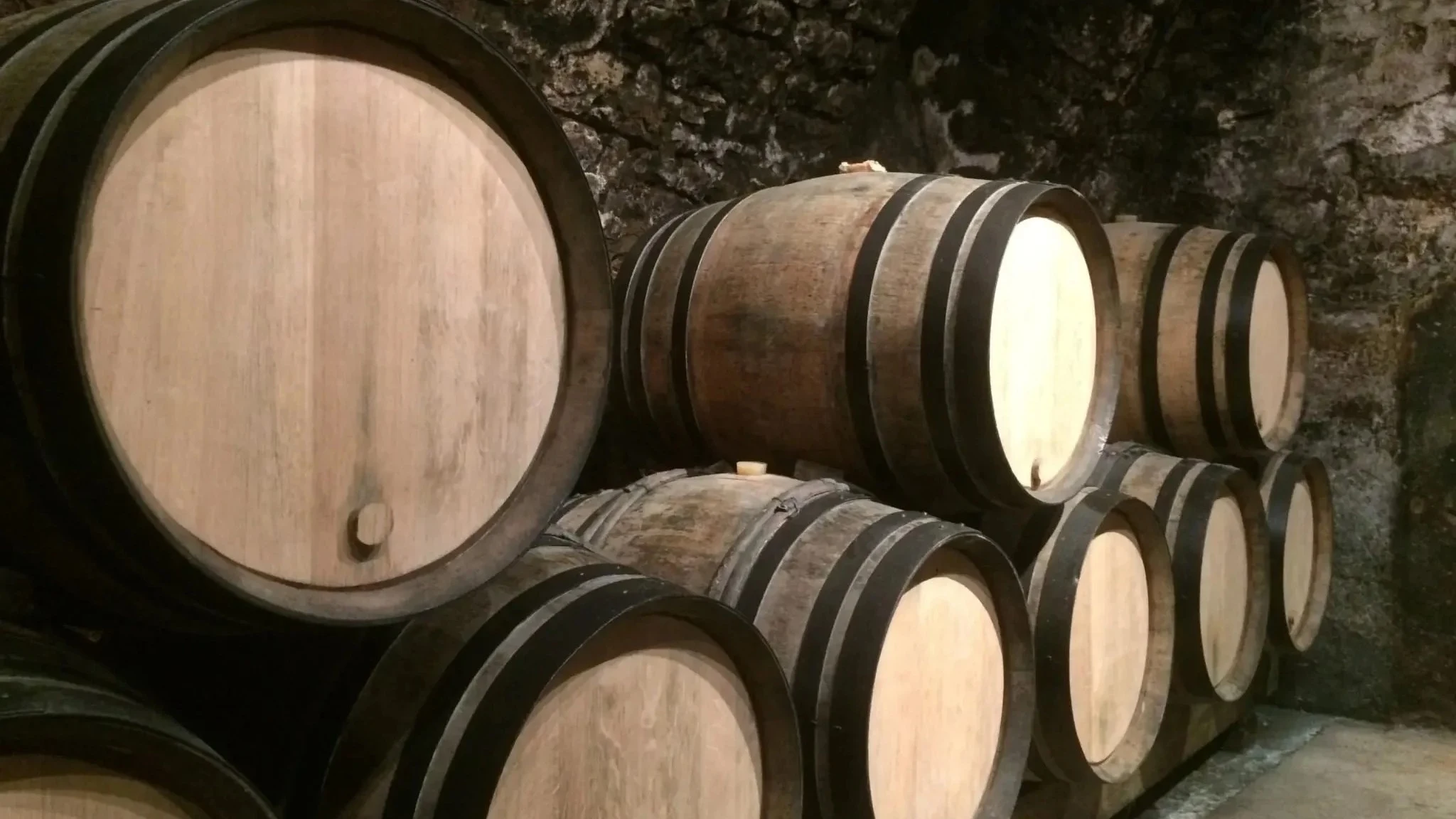
This is a cellar-and-vineyard address, not a polished tasting-room complex. The atmosphere is quiet, rural and intimate, with the rocky Hautes-Corbières setting doing much of the work. It suits travellers looking for a classic, hidden-gem estate experience in Fontjoncouse, especially those who are comfortable with a visit that feels more rooted in landscape and estate life than in formal hospitality.
It is well suited to people who enjoy slowing down into a place rather than moving through a highly structured attraction. If your ideal stop involves a strong sense of countryside, a modest scale and a direct connection to the vineyard environment, Domaine des Deux Clés fits the brief. If you require a clearly defined program, extensive visitor infrastructure or specific arrangements, it is still worth considering, but only after confirming the practical details directly.
If you are building a broader route, compare Domaine des Deux Clés with other dining or wine-related stops in Fontjoncouse generically rather than assuming a specific style, service format or program. Confirm practical details directly, especially if timing, group size or a particular tasting format is important. With that preparation, the domaine can work well as a quieter, more landscape-led stop within a Fontjoncouse itinerary, one whose appeal depends less on polish and more on setting, scale and atmosphere.
Questions
Frequently asked
Who works at Domaine des Deux Clés?
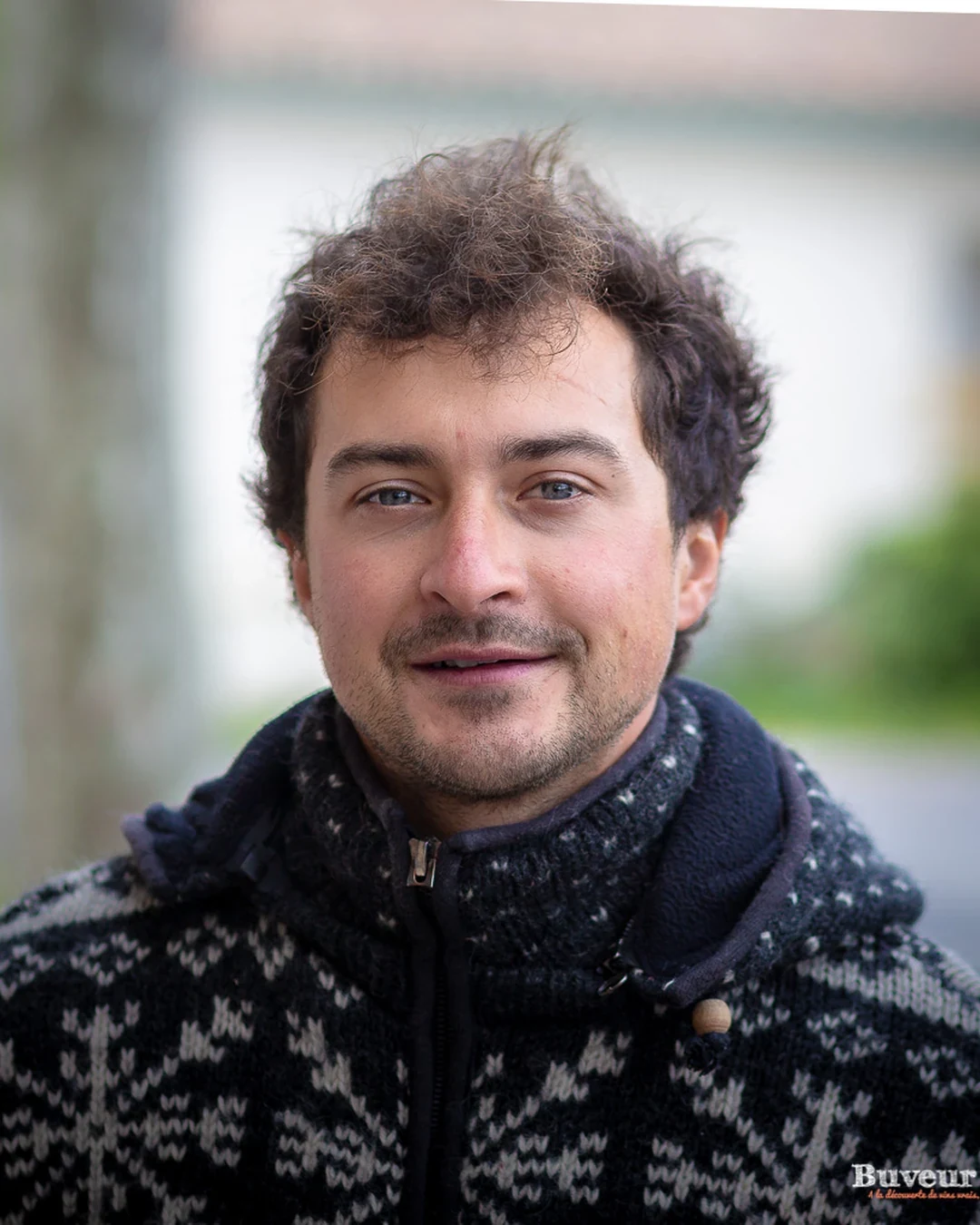
Made By profiles Florian Richter (Winemaker) at Domaine des Deux Clés.
How expensive is Domaine des Deux Clés?
Domaine des Deux Clés is listed at a price level of $$$.
The field
How it compares
| Place | Notes | Awards |
|---|---|---|
| Domaine des Deux Clés | Hautes-Corbières, $$$ | · |
| Domaine Arnaud Ente | Meursault | · |
| Domaine de la Romanée-Conti | Vosne-Romanée | · |
| Domaine François Raveneau | Chablis | · |
| Krug | Reims | · |
| Schloss Johannisberg | Geisenheim-Johannisberg | World's 50 Best |
| Valdicava | Montalcino | · |