Chef in Residence
Jean-Frédéric Bistagne
Winemaker
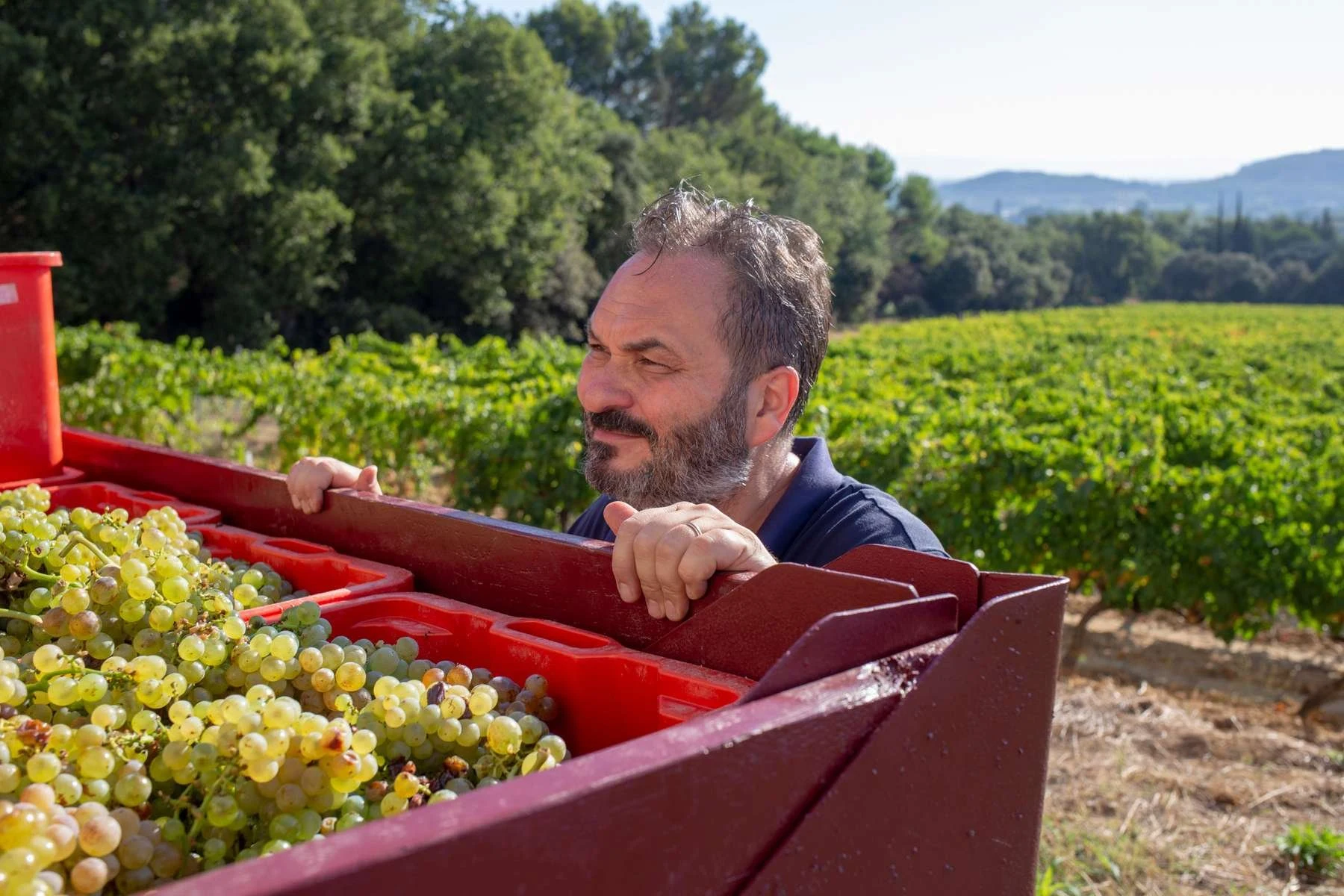
Jean-Frédéric Bistagne makes biodynamic Rhône wines at Domaine des Maravilhas in Saint Laurent Des Arbres, from Lirac to Châteauneuf-du-Pape.
Hand-harvested fruit comes first for Jean-Frédéric Bistagne, winemaker at Domaine des Maravilhas in Saint Laurent Des Arbres, where the cellar work begins with the health of the bunch. Since 2014, he and Morgane Bistagne have conducted this southern Rhône estate with the habits of people who chose wine after another discipline had already taught them structure. His earlier career moved through electronics, luxury, technology, and healthcare; at the domaine, that appetite for systems has slowed into vineyard timing, élevage, and blending. The estate itself had already set a demanding frame. A vigneron from the Oran region of Algeria planted here in 1967, clearing land in Saint-Laurent-des-Arbres and avoiding herbicides from the start. Organic conversion came in 1992, biodynamic certification under Biodyvin in 2004, and the Bistagnes took over the parcels and cellar in 2014 before renaming the estate Maravilhas in 2015. Jean-Frédéric trained with regional vignerons he began meeting in 2010, and now works within a lineage that asks for continuity rather than reinvention. Michel Sinard, Lila Schneider, and Zico, the domain’s guardian, are part of the present estate life around him.
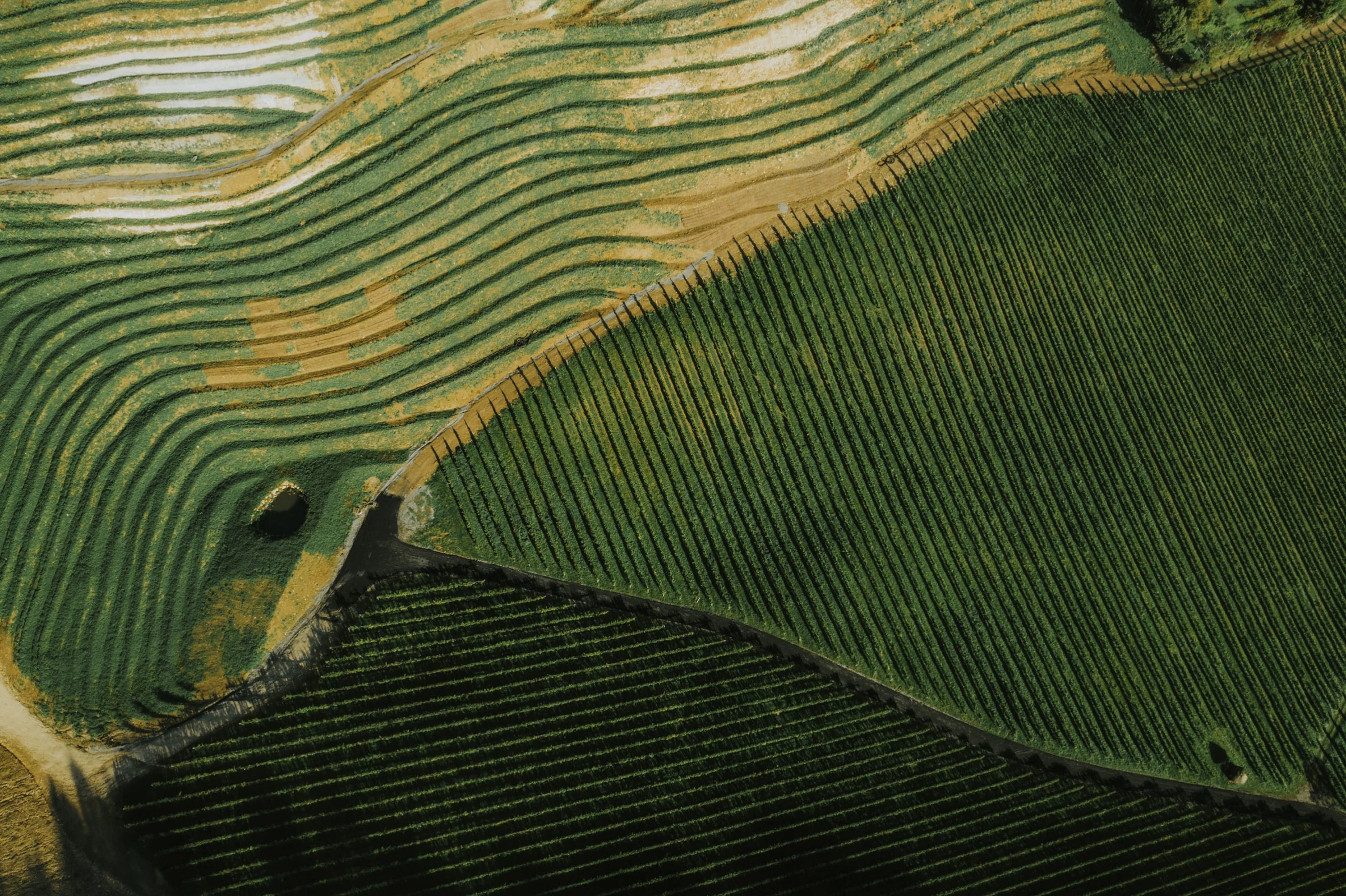
The scale is close enough for decisions to stay visible: a 24-hectare estate, 18 hectares planted to vines, spread through Gard and Vaucluse across Saint-Laurent-des-Arbres, Saint-Victor-la-Coste, Orange, and Châteauneuf-du-Pape. The appellations give the program its grammar: Lirac, Côtes du Rhône Villages Laudun, Châteauneuf-du-Pape, Côtes du Rhône, and Vin de France. Syrah, Mourvèdre, Cinsault, Bourboulenc, Clairette, and Grenache Blanc all have their place, with Grenache central to the southern Rhône register. In the cellar, fermentation relies on indigenous yeasts from the grapes and their environment rather than commercial inoculation. Aging moves between concrete vats and oak barrels according to the cuvée. That choice matters here because the estate’s parcels are not trying to say one thing. Rolled flint pebbles, red clay over sand, limestone, and the rounded stones carried down from Alpine slopes ask for different handling. Canto-Bruno and Pradau anchor the Lirac work; Santo draws from Châteauneuf-du-Pape, while Alice, made from Cinsault, steps outside the stricter appellation frame.
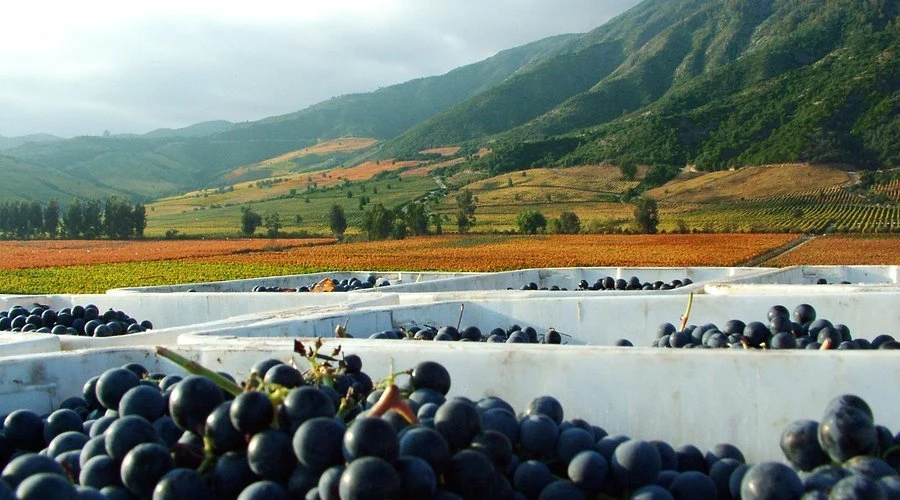
The estate sits between Nîmes and Avignon, facing the Châteauneuf-du-Pape valley, with vines broken by scrubland and woodland rather than wrapped into a polished visitor landscape. This is a quiet place of rows, cellar thresholds, and the practical biodiversity that biodynamics requires. Nesting boxes for bats and titmice sit in forested strips, not as decoration but as part of how the vineyard protects living links between soil, plant, and environment. The room around the work is rural and unforced. In tasting, the wines carry that difference in register: generous Côtes du Rhône with garrigue accents, saline white Lirac, round Laudun reds, and Châteauneuf-du-Pape built around depth and aging. The estate does not need spectacle when the vineyard already supplies contrast.
Maravilhas means “wonders” in Occitan, but the more useful language here is on the labels, where each cuvée keeps the conversation close to place. The work ahead is not a turn away from the inherited method; it is the ongoing choice to keep organic and Biodyvin farming at the center while each parcel finds its form in concrete, oak, and bottle. For Jean-Frédéric Bistagne, the signature remains plainest in Lirac Canto-Bruno.
Saint-Laurent-des-Arbres, Occitanie, Frankreich
Saint-Laurent-des-Arbres