- Falstaff Winery - Listed · 2026
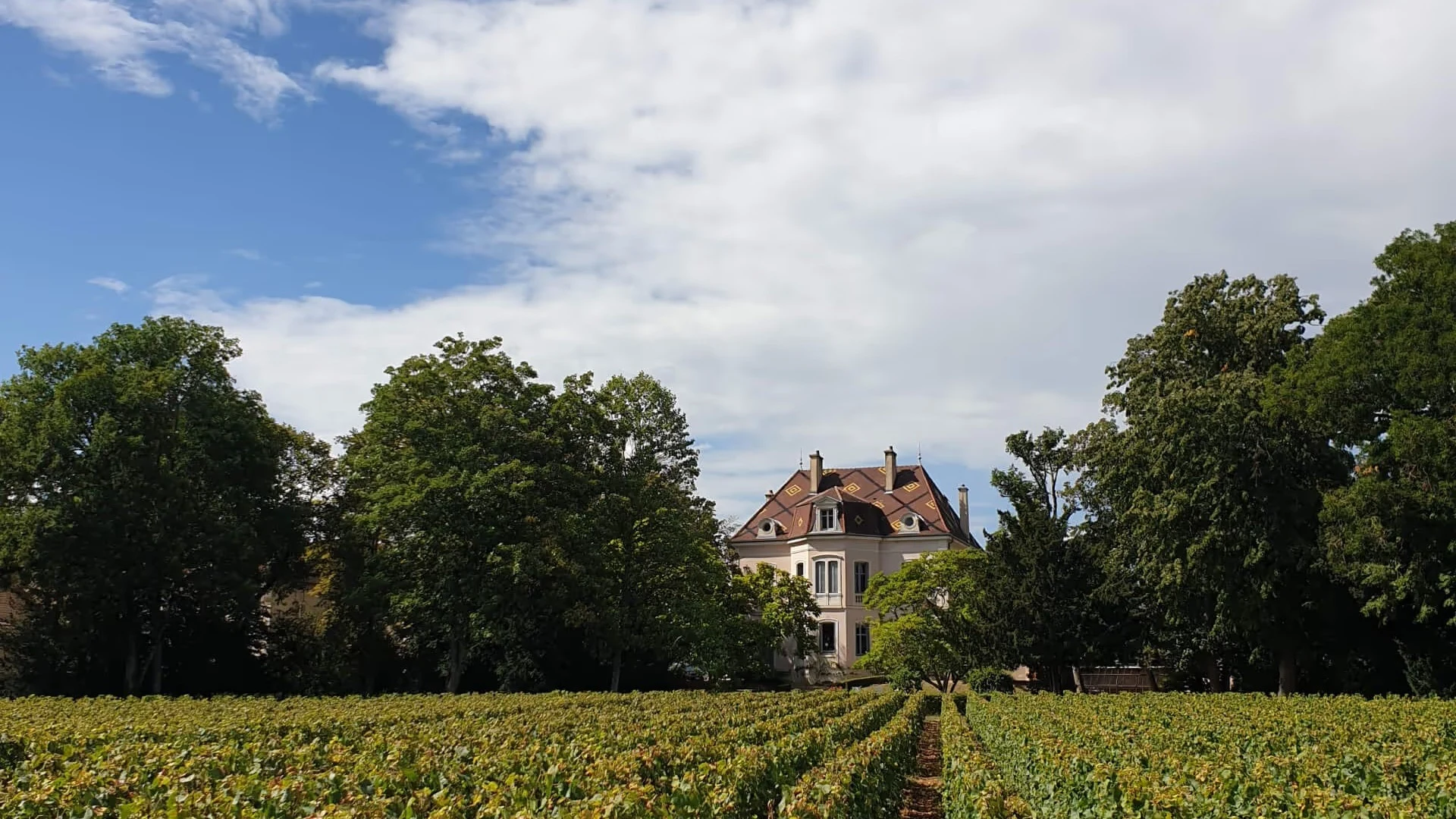
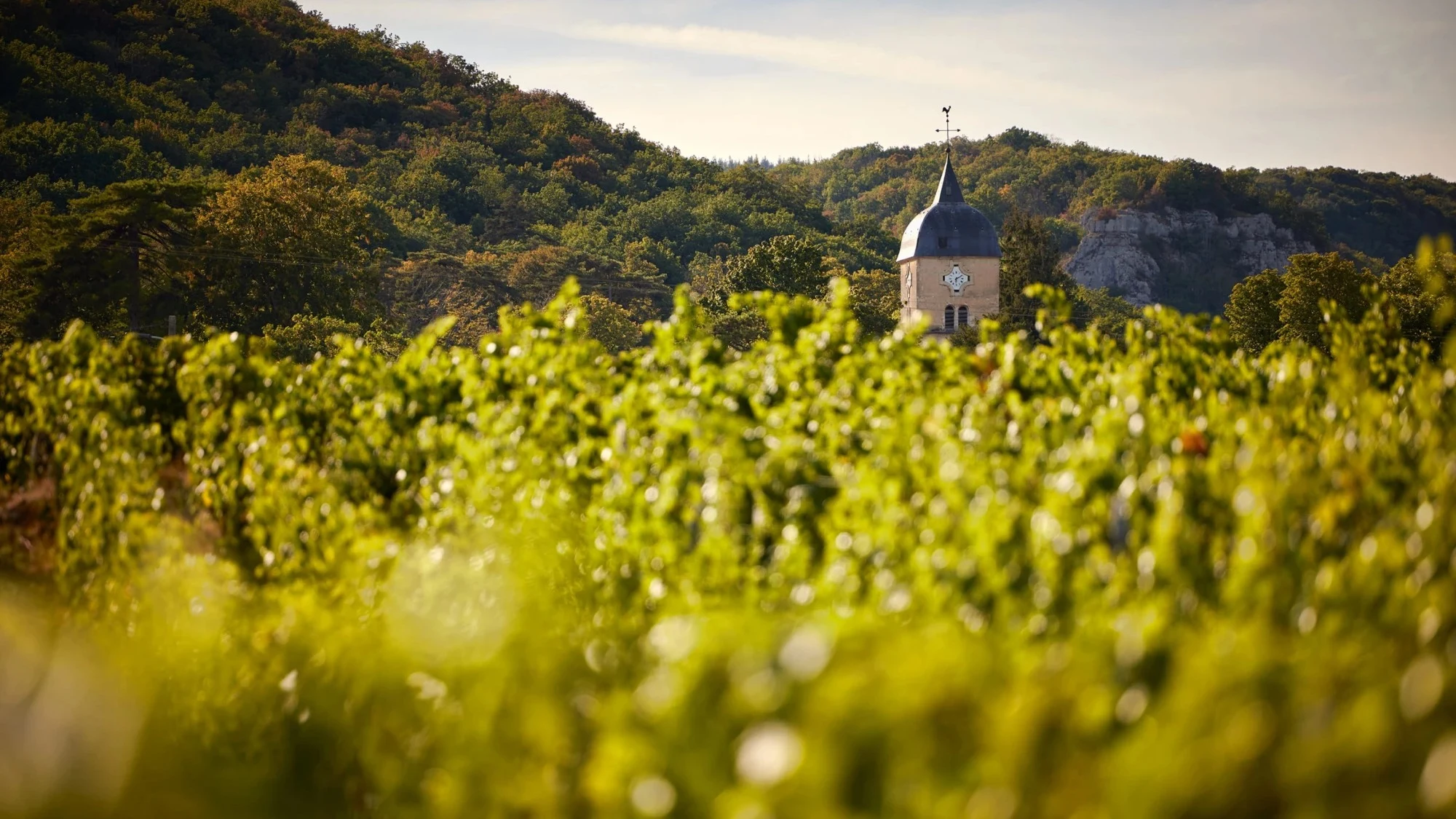
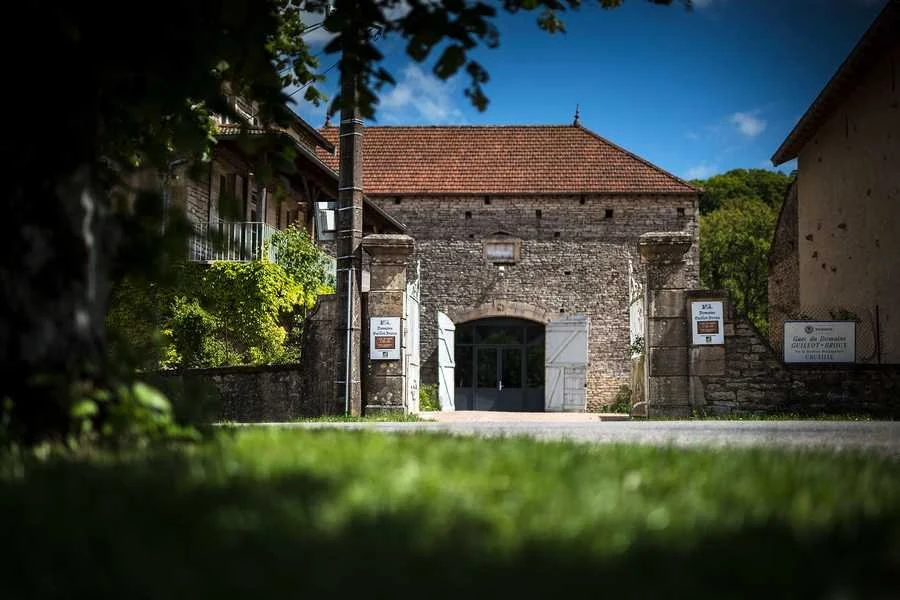
Approaching Domaine des Vignes du Maynes in Cruzille means focusing on the quieter signals of a rural Burgundian family estate: farming choices, landscape, and the relationship between vineyard work and the finished wine. The domaine is best understood not as a polished commercial showcase, but as an historic estate rooted in organic and biodynamic farming, where the surrounding countryside is not background decoration but part of the way the place should be read. The interest is in the texture of the estate: the vines, the agricultural rhythm, and the sense that wine here begins with decisions made outdoors rather than with a hospitality script.
Its appeal is scenic, rustic and classic rather than glamorous. For travellers interested in terroir-driven wines, Domaine des Vignes du Maynes offers a Cruzille reference point where the setting and the farming philosophy are central to the experience. This is the kind of address to approach with attention rather than hurry, allowing the rural frame to shape expectations. The reward is less about spectacle and more about understanding how a Burgundian domaine can communicate identity through land, practice and continuity.
A rural Burgundian estate shaped by farming and place
Domaine des Vignes du Maynes belongs to the Burgundian wine landscape, with a focus on wines shaped by place rather than by a luxury hospitality frame. The story here is broad but important: an historic family estate in Cruzille, grounded in organic and biodynamic farming, with a rural vineyard setting and a convivial spirit. Those elements matter because they place the domaine within a Burgundy that is not only about famous labels or formal tasting rooms, but also about estates whose character is built through cultivation, patience and local attachment.
The stronger, grounded reason to pay attention is the estate’s identity as a biodynamic and organic Burgundian domaine with a clear emphasis on terroir-driven wines. In practical terms, that means the conversation naturally returns to the vineyard: how the site expresses itself, how farming choices frame the wines, and how the estate’s rural setting reinforces the sense of origin. Even without turning the visit into a technical checklist, the central idea remains clear: place and farming are not secondary details here, but the core of the domaine’s appeal.
That makes Domaine des Vignes du Maynes especially relevant for visitors who prefer authenticity over spectacle. The draw is not a manufactured luxury experience, but the sense of an iconic rural estate whose farming commitments are part of its character. Visitors who respond to this style of Burgundy will likely appreciate the quieter tone: a domaine that feels connected to its landscape, confident in its agricultural identity, and more concerned with the meaning of terroir than with producing a glossy visitor-facing performance.
Organic and biodynamic identity without commercial polish
The domaine’s reputation is closely tied to organic and biodynamic farming, but specific winemaking methods, vessel choices, production volumes and service formats should not be treated as confirmed here unless directly before a visit. That distinction is important. The estate’s broad identity is well defined, yet the exact details of any encounter can depend on current arrangements, and it is better to treat those details carefully than to assume a standardised experience. The most useful expectation is therefore not a rigid programme, but a rural estate visit shaped by the domaine’s farming-led character.
What can be stated with confidence is the overall positioning: Domaine des Vignes du Maynes is a historic Burgundian family estate in Cruzille, associated with a rustic, scenic and classic vineyard setting. Its wines are presented through the lens of terroir, farming and conviviality rather than polished commercial glamour. That positioning gives the domaine its particular strength for travellers who want Burgundy to feel grounded. The pleasure lies in the combination of landscape, agricultural conviction and a sense of continuity, rather than in the markers of high-end tourism.
For planning purposes, visitors should keep expectations practical and rural. Confirm any visit details, access or other services directly with the domaine before travelling. This is especially sensible for a place whose appeal is linked to real vineyard life rather than to a heavily packaged visitor infrastructure. A direct check helps align expectations with what is actually possible at the time, and it allows the experience to remain respectful of the estate’s working character. In this context, practical preparation is part of appreciating the place properly.
How to place it in a wider Cruzille itinerary
Cruzille rewards a slower map, especially for travellers interested in Burgundy beyond trophy-label collecting. Domaine des Vignes du Maynes can anchor that kind of itinerary because its identity is so clearly tied to organic and biodynamic farming, rural character and terroir-driven wines. Rather than treating it as a quick box to tick, it makes more sense to see it as a point of orientation: a way into the quieter, agricultural side of Burgundy, where the landscape and the estate’s philosophy help define the visit as much as any formal tasting moment.
For a fuller stay, use Cruzille guides and current local resources rather than treating the visit as an isolated stop. Other dining, lodging, bar and experience options in Cruzille should be checked directly for current hours, availability and services. This approach suits the nature of the destination. Domaine des Vignes du Maynes fits best into a considered rural itinerary, one that leaves room for the pace of the area and for the practical realities of small places. Planned with that mindset, the estate becomes not just a wine stop, but a meaningful Cruzille reference point for travellers drawn to Burgundy’s farming traditions and terroir-led identity.
Questions
Frequently asked
Who works at Domaine des Vignes du Maynes?
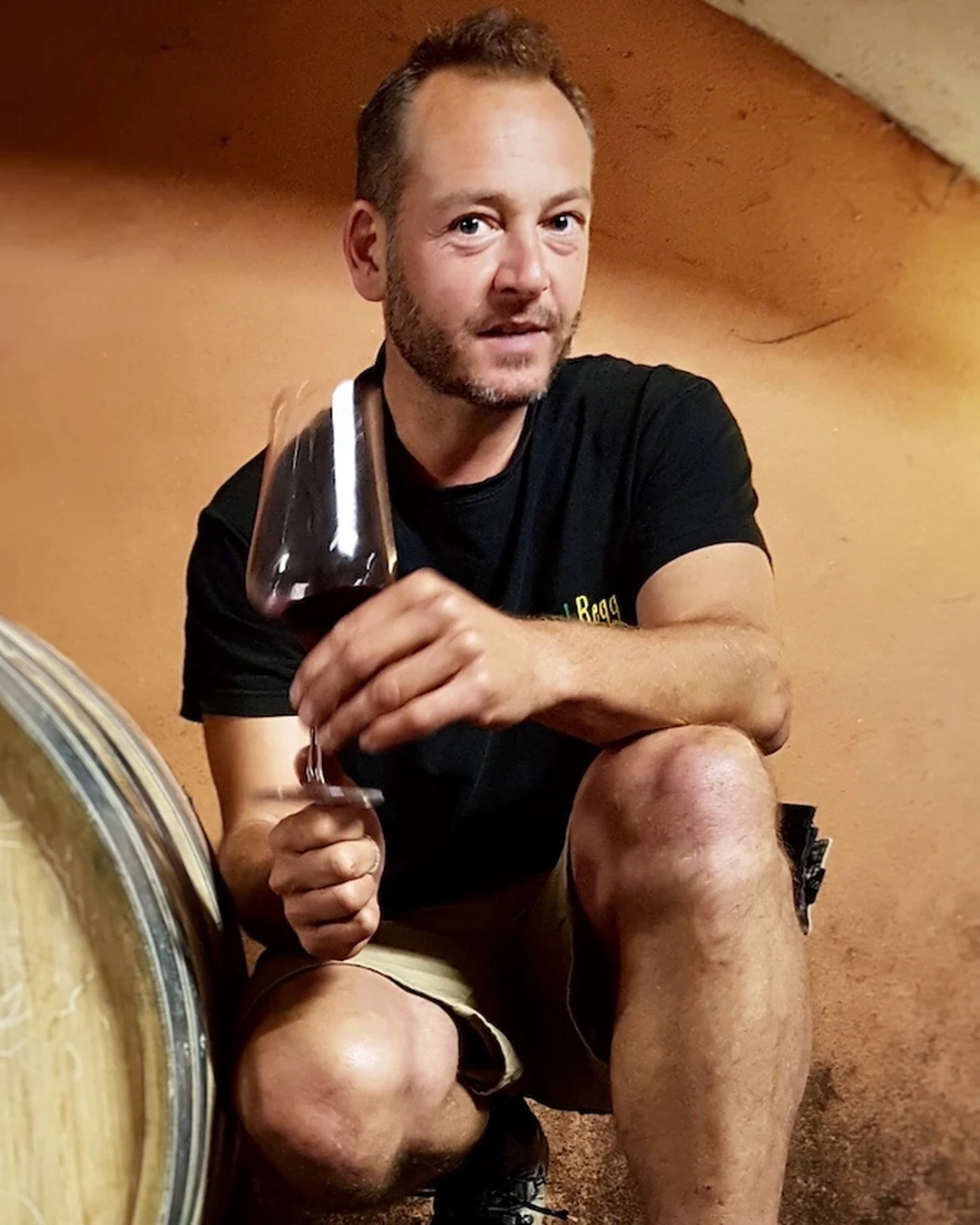
Made By profiles Julien Guillot (Winemaker) at Domaine des Vignes du Maynes.
How expensive is Domaine des Vignes du Maynes?
Domaine des Vignes du Maynes is listed at a price level of $$.
The field
How it compares
| Place | Notes | Awards |
|---|---|---|
| Domaine des Vignes du Maynes | Sagy / Rue des Moines, Cruzille, $$ | · |
| Château Palmer | Margaux | · |
| Château Pape Clement | Pessac | World's 50 Best |
| Château Rayas | Châteauneuf-du-Pape | · |
| Domaine des Comtes Lafon | Meursault | · |
| Domaine Georges Roumier | Chambolle-Musigny | · |
| Domaine Guillot-Broux | Cruzille | · |