Domaine Didier Charton-Vachet
- 01CitySaint Vallerin, France
Organic Montagny from one parcel
- Falstaff Winery - Listed · 2026
Ambient yeasts in Saint Vallerin
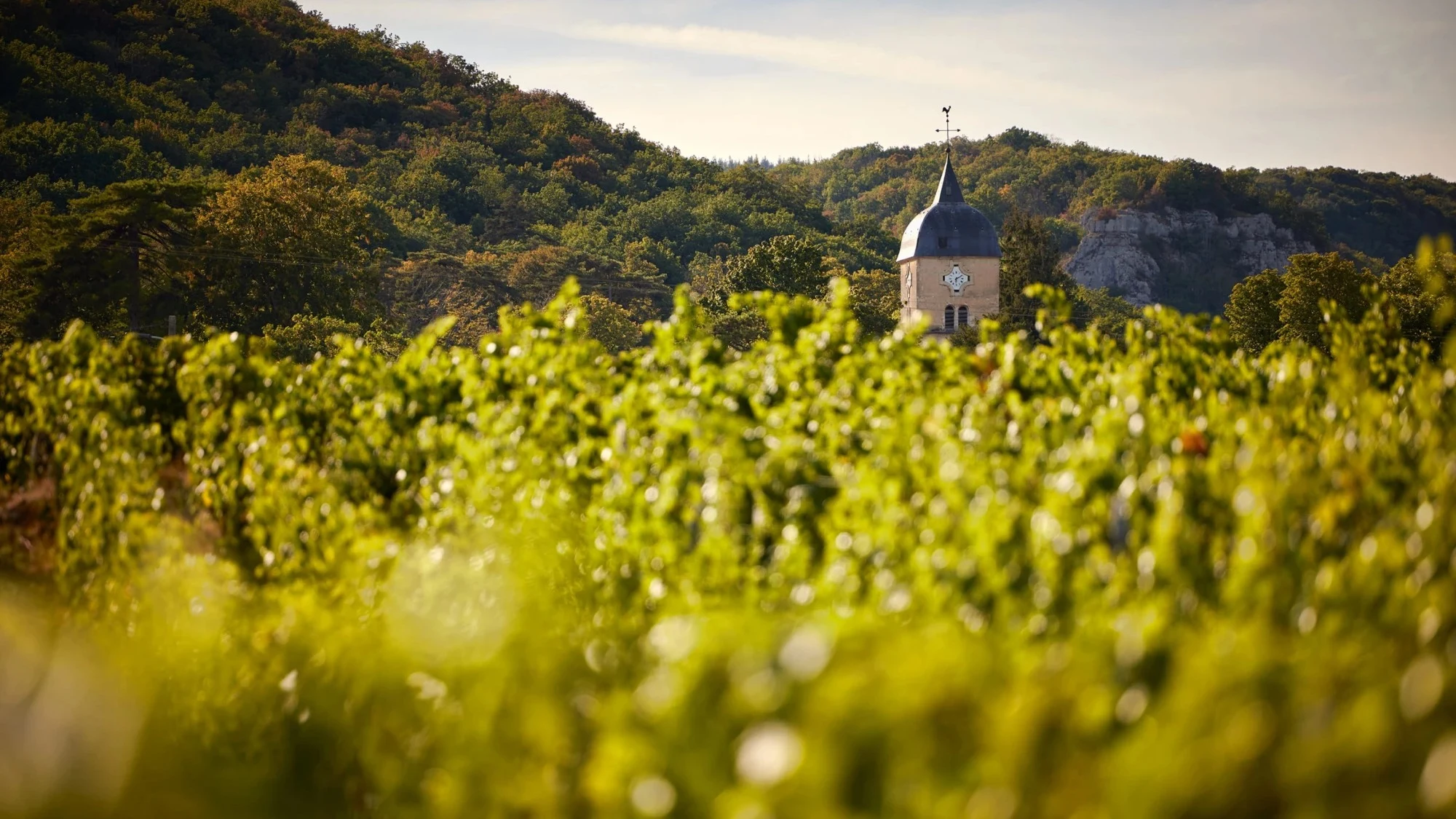
The fermentations begin on ambient yeasts, and Didier Charton-Vachet, winemaker at Domaine Didier Charton-Vachet in Saint Vallerin, keeps the cellar close to the vineyard rather than apart from it. His role here is unusually direct: owner, producer, and the name on the domaine. The public trail around him does not run through a sequence of houses or mentors. It returns to this estate in Bourgogne, where the work is read through constancy, parcel by parcel, vintage by vintage. In the Côte Chalonnaise, that kind of fixed point matters. Saint-Vallerin is one of the communes permitted to produce Montagny AOC wines, and the domaine works within the narrower discipline of Montagny 1er Cru Chardonnay. Charton-Vachet’s present station is therefore both practical and interpretive. He tends a small family estate, makes decisions in the vineyard and cellar, and lets one address carry the shape of the work. The lineage published around him is not a list of apprenticeships. It is the domain itself, held steadily enough that the producer and place are almost impossible to separate.
A parcel measured in 1.8 hectares
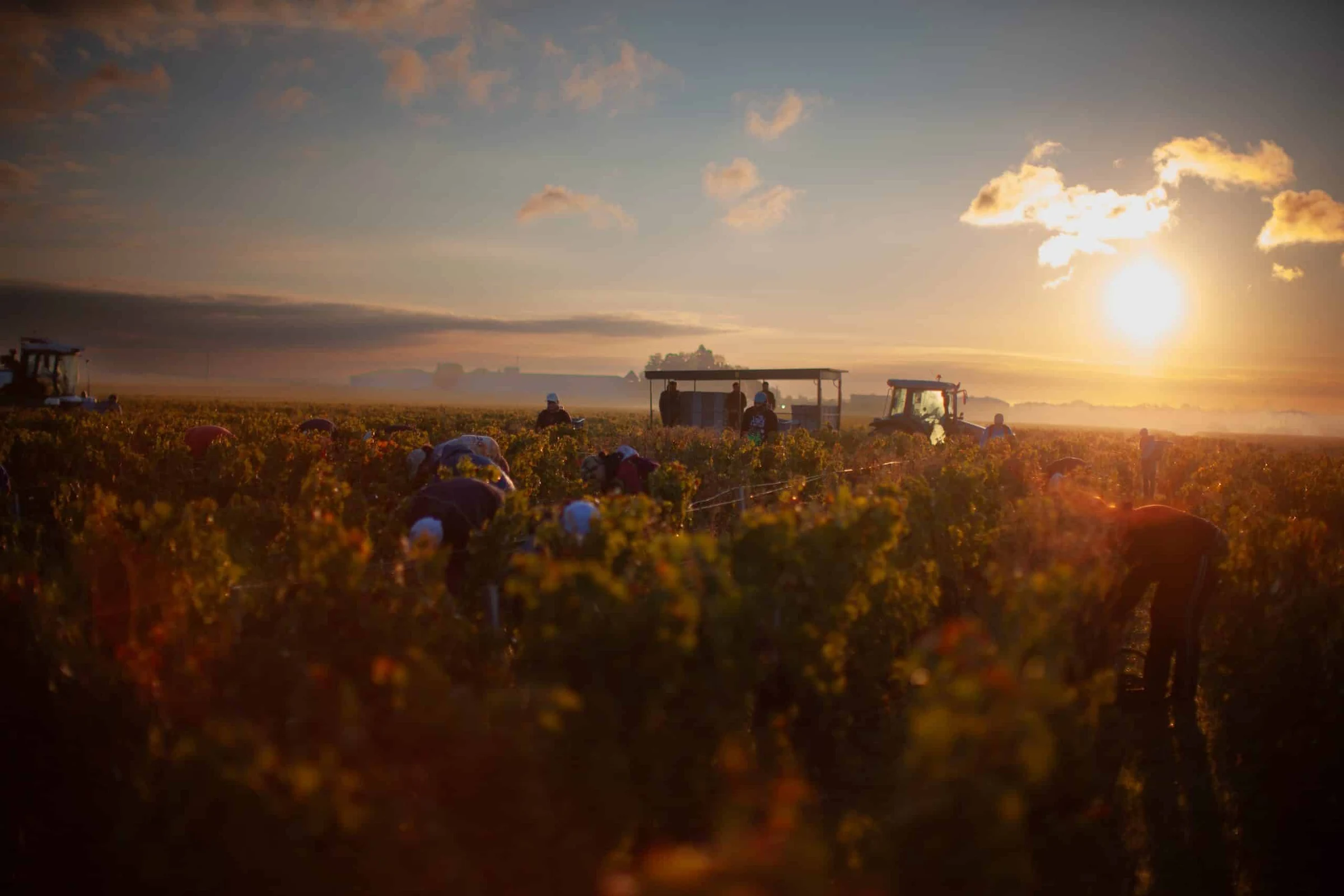
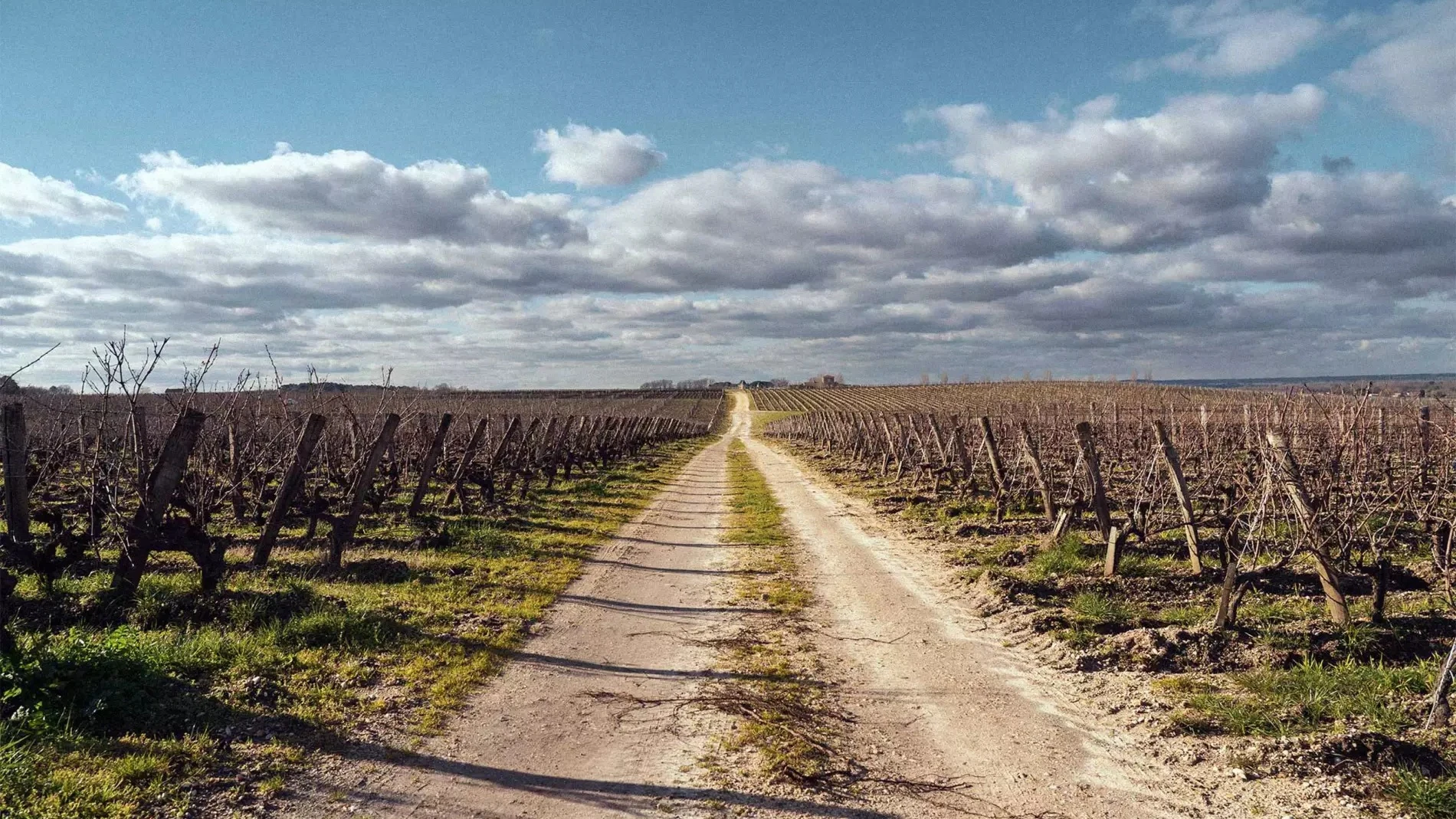
The cuvée that gives the domaine its clearest register is Montagny 1er Cru Les Jardins, drawn from a single 1.8-hectare parcel of Chardonnay on clay-limestone soils. The slope faces north to northeast, a useful orientation for holding acidity in a southern Burgundy appellation where ripeness can arrive quickly. The vines are given as 30–40 years old, old enough to suggest roots that know the subsoil and yields that ask for attention rather than expansion. Farming is organic, with certification achieved in 2019, and the cellar follows the same preference for restraint. Fermentation starts spontaneously with native yeasts. The 2020 Les Jardins spent 12 months in élevage, 90% in used 228-liter oak barrels and 10% in stainless steel, then another 6 months in stainless steel after racking and assembly. The oak is mostly a vessel, not a signature. Before bottling, the wine receives a light kieselgur filtration. Production for this cuvée is around 2,500 bottles, which keeps the work close to the hands that made it.
The cellar and the clay-limestone hill
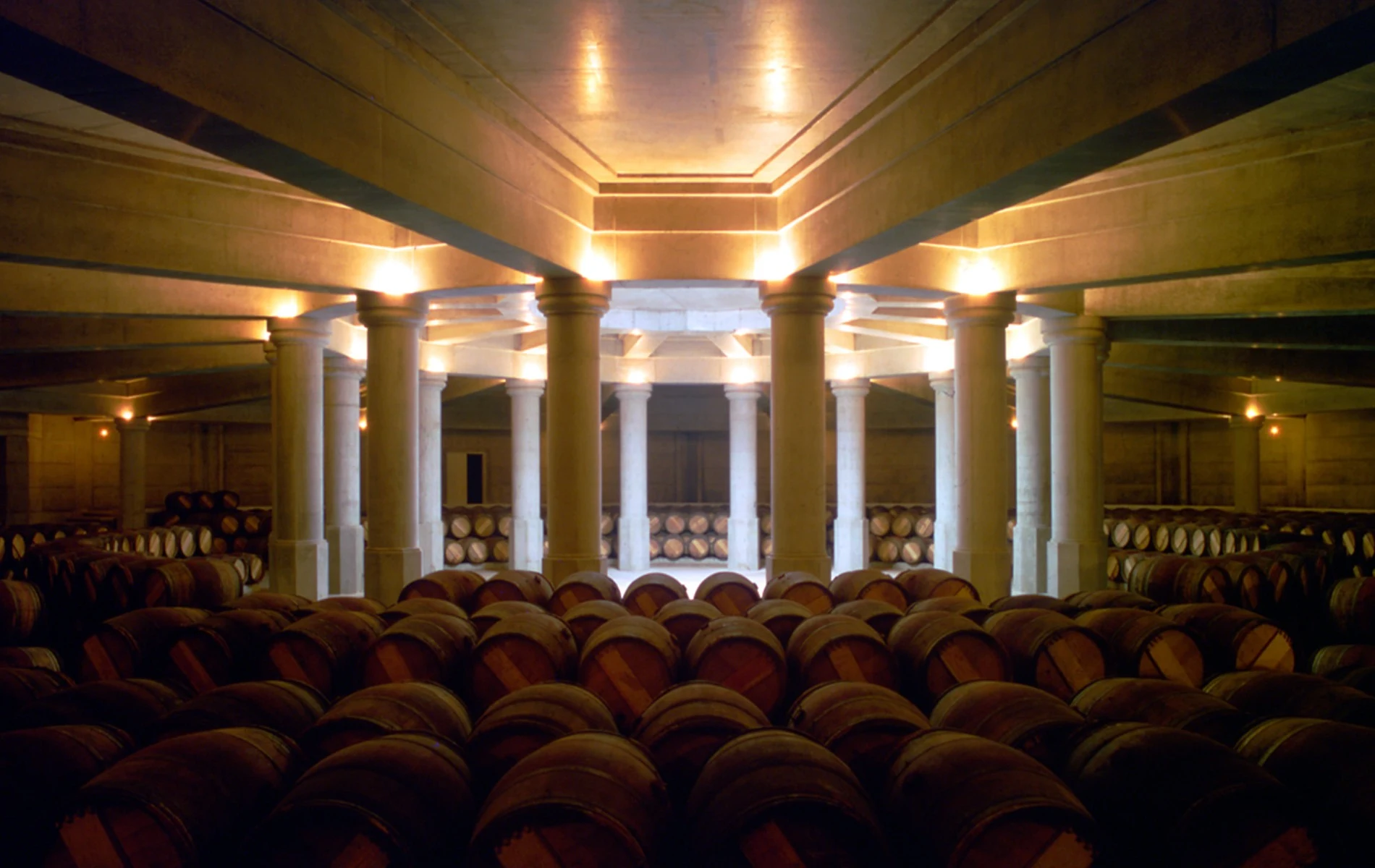
The estate sits in a rural Burgundy village rather than a polished visitor theatre. Its center of gravity is outside, in working vineyards on clay-limestone ground, and inside, in a cellar calibrated to preserve the line of Chardonnay rather than dress it. The mood is rustic in the proper sense: barrels, tanks, fruit brought in from a named parcel, the quiet arithmetic of time. Used oak holds most of Les Jardins through its first year. Stainless steel keeps a portion of the wine bright, then receives the assembled cuvée for the final stretch. Nothing about the place asks to be enlarged. The scale is the point. A single parcel, one producer, and a small run of bottles make the estate legible through Les Jardins.
Questions
Frequently asked
Who makes the wine at Domaine Didier Charton-Vachet?
Didier Charton-Vachet is the winemaker, owner, and producer at the domaine in Saint-Vallerin. The work is closely tied to the estate itself, with decisions made in the vineyard and cellar on the same site.
What is the domaine known for?
The estate works within Montagny 1er Cru Chardonnay in the Côte Chalonnaise, and its clearest cuvée is Montagny 1er Cru Les Jardins. That wine comes from a single parcel of Chardonnay in Saint-Vallerin.
How is Montagny 1er Cru Les Jardins made?
Fermentation begins spontaneously with native yeasts. The 2020 wine spent 12 months in élevage, mostly in used 228-litre oak barrels with a smaller part in stainless steel, then another 6 months in stainless steel after racking and assembly.
What can be said about the vineyard work?
The estate farms organically, with certification achieved in 2019. Les Jardins comes from a 1.8-hectare parcel on clay-limestone soils, on a north to northeast-facing slope, with vines given as 30 to 40 years old.
The field
How it compares
| Place | Notes | Awards |
|---|---|---|
| Domaine Didier Charton-Vachet | .null, $$$ | · |
| Château Cos d'Estournel | Saint-Estèphe | World's 50 Best |
| Chateau Haut-Brion | Pessac | World's 50 Best |
| Chateau Lafite Rothschild | Pauillac | · |
| Château Rieussec | Fargues | · |
| Domaine Georges Roumier | Chambolle-Musigny | · |
| Felton Road Wines | Bannockburn | World's 50 Best |