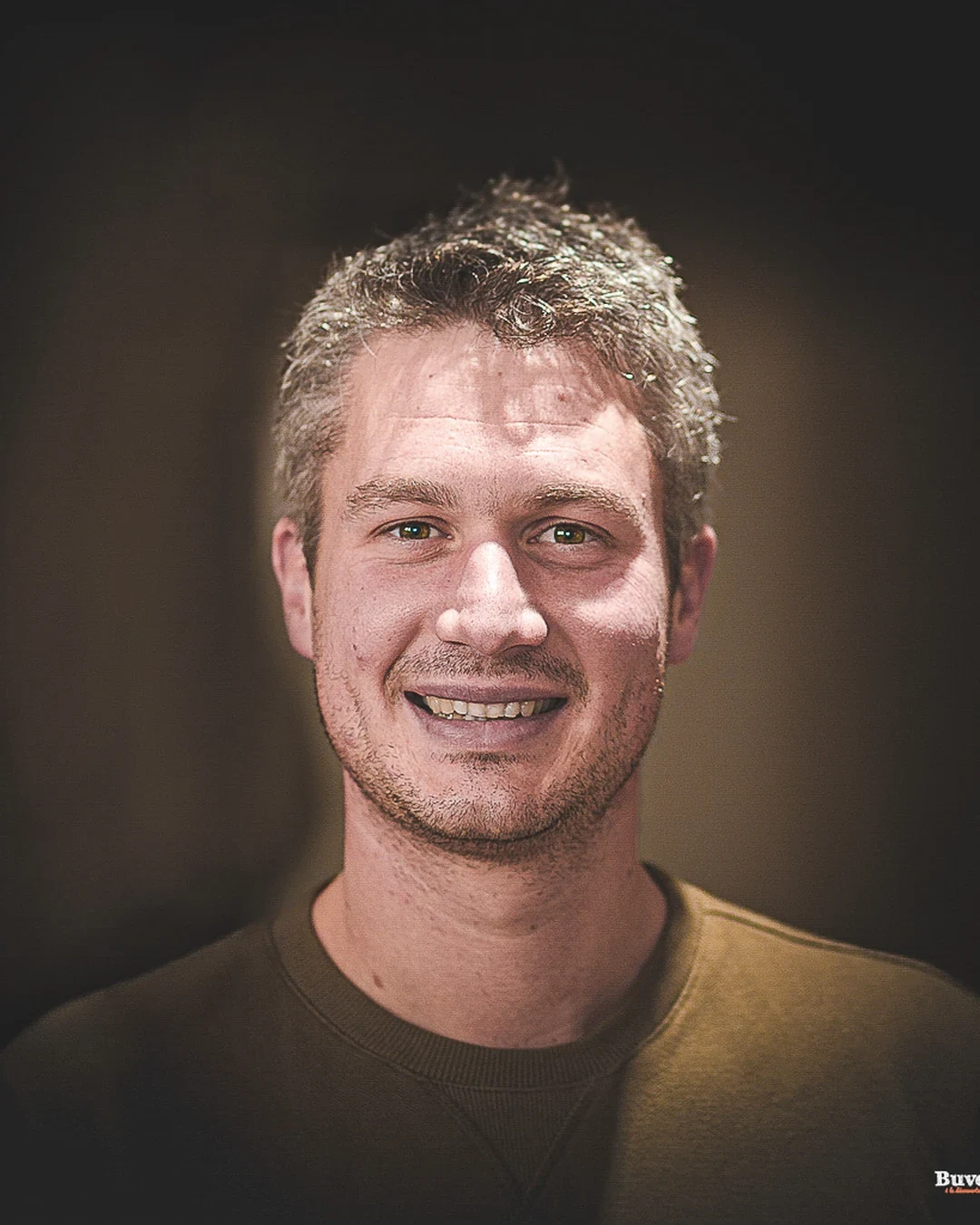
Adrien Roustan, winemaker at Domaine D’Ouréa in Vacqueyras, works biodynamic Rhône vineyards by hand from clay to altitude.
The picking starts by hand before Adrien Roustan, winemaker at Domaine D’Ouréa in Vacqueyras, brings the fruit back toward the cellar. That first gesture matters here because Roustan works as vigneron récoltant, close to the vines and close to the season, with fewer separations between farming and élevage. He studied at winemaking college in Beaune, apprenticed at Domaine Romanée Conti in Burgundy in 2007, and founded this estate in 2009 after taking on part of his grandfather Raymond Bertrand’s land in Fontbonne, the hamlet of Vacqueyras that anchors the domaine. The lineage is not treated as nostalgia. It gives him ground to answer for.
Roustan’s fixed point is wine that reads as vineyard rather than formula. In practice, that sends decisions out of the cellar and back into the parcels: pruning, ploughing, planting, trellising, harvesting. The estate works organically and biodynamically across Vacqueyras and Gigondas, with the mountain sites of the Dentelles de Montmirail setting the tone. The name Ouréa comes from the mountain gods of Greek myth, chosen for the domaine’s highest plot on the southern slope of the Dentelles. It is a precise kind of homage, less emblem than address.
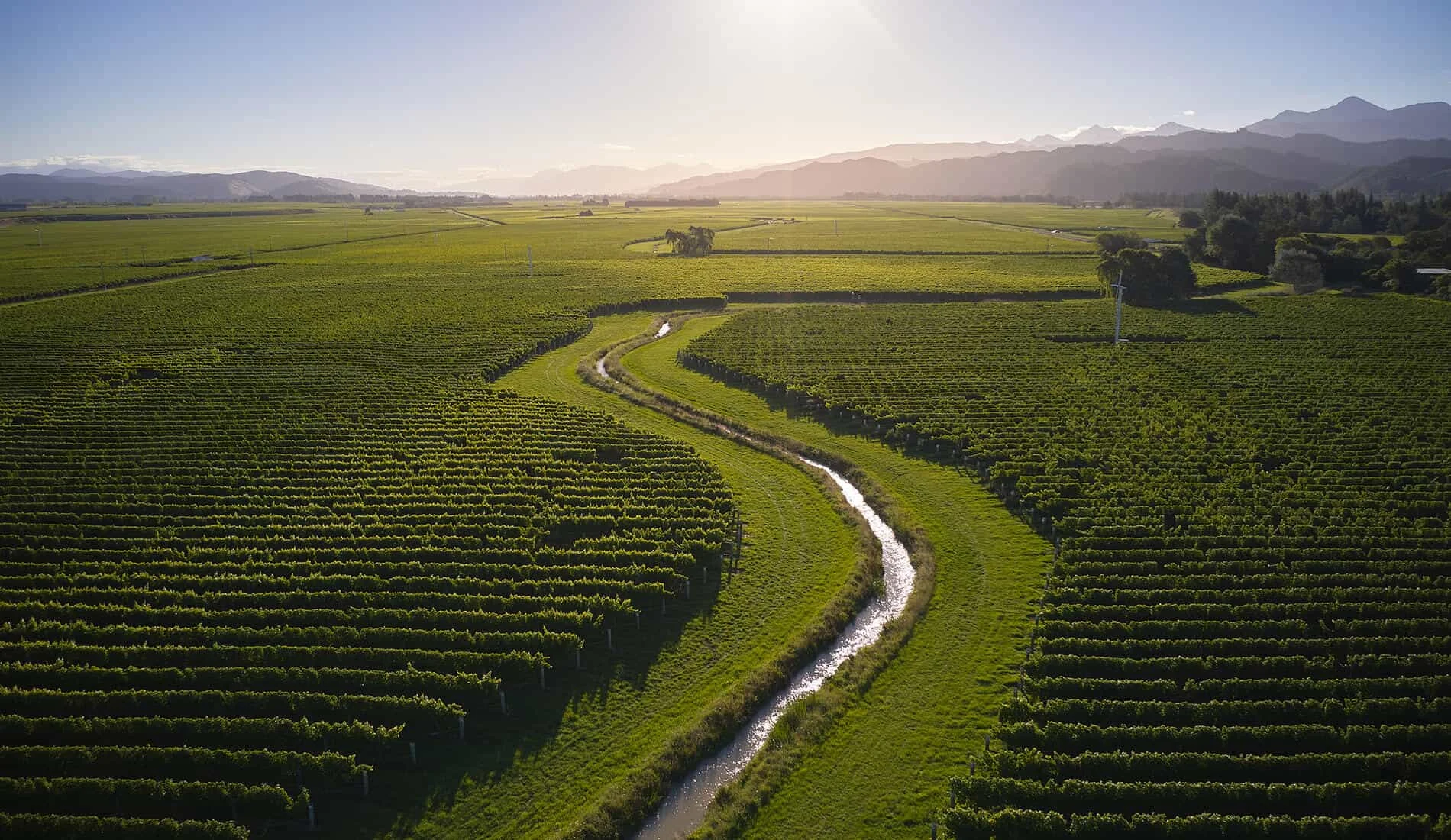
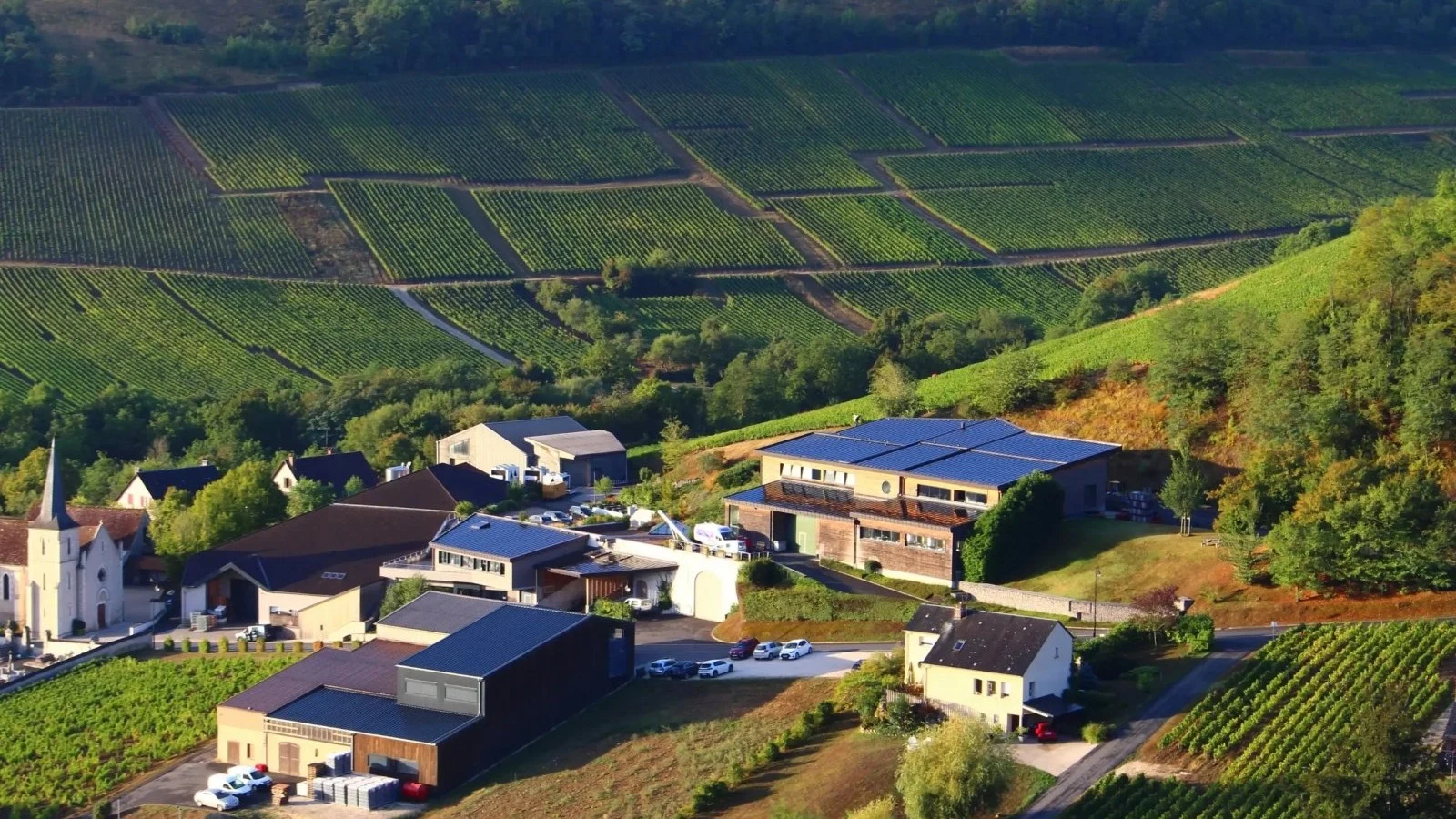
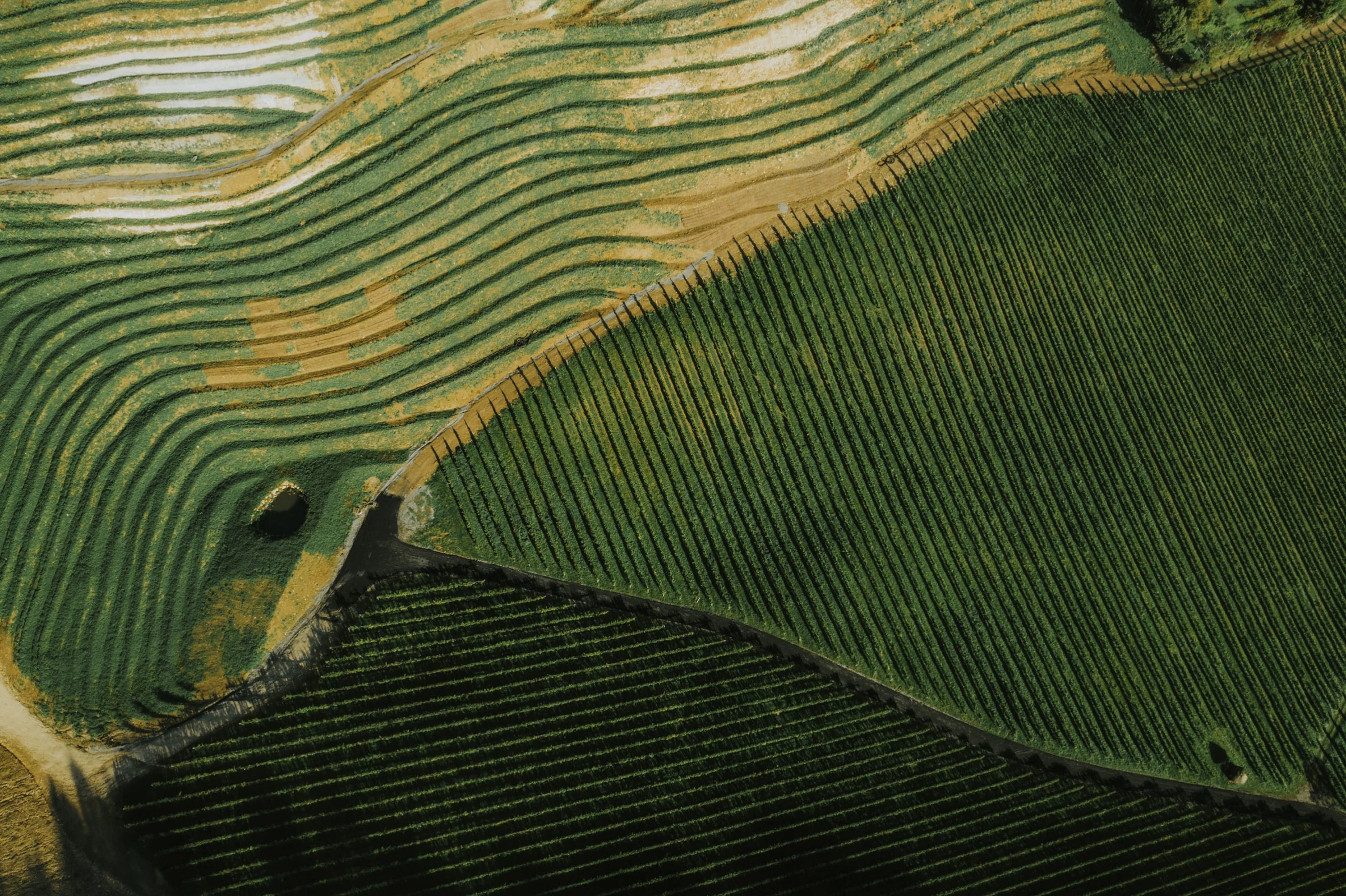
The estate produces around 100,000 bottles annually from 20 hectares spread between Vacqueyras and Gigondas, with vineyards running from river-level ground up to 520m on the Dentelles de Montmirail. That span gives Roustan a wide set of ripening conditions within a compact southern Rhône frame: Grenache, Syrah, Cinsault, Carignan and Mourvèdre for the reds, with Clairette and Bourboulenc appearing in the white program. The vineyards have been certified organic since 2012, and Roustan converted the estate to biodynamic farming in 2020.
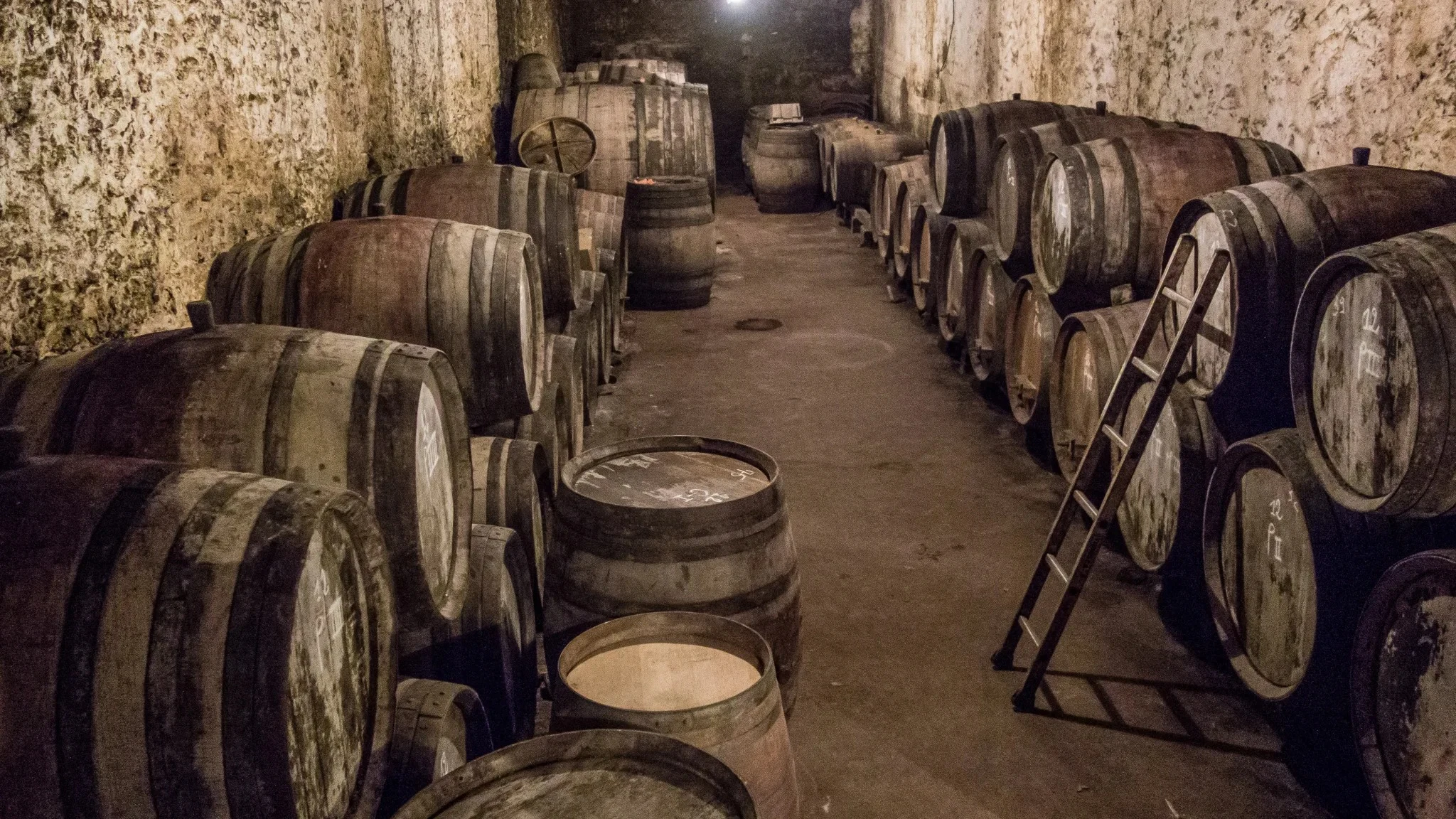
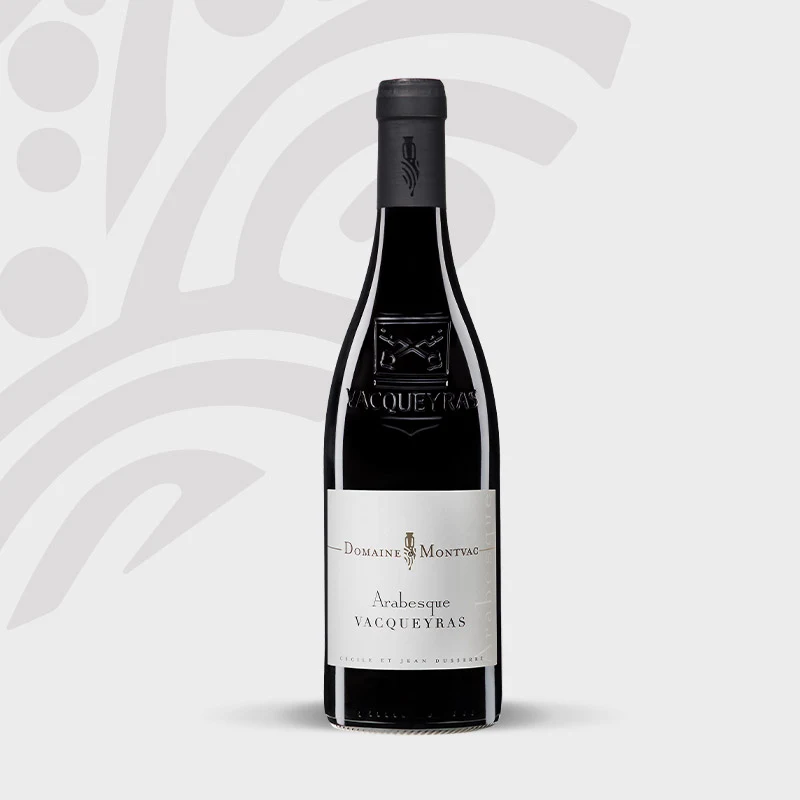
In the cellar, the method stays aligned with the farming. Fermentations use native yeasts, not commercial yeast additions, and the estate avoids artificial wine products so the fruit keeps the imprint of its site. Vacqueyras Blanc 2023 gives one clear technical reading of the house: 80% Clairette and 20% Bourboulenc from a 1.45-hectare east-facing plot at 150 meters, on blue and yellow clay, direct-pressed and aged in concrete egg tanks. The red Vacqueyras 2021 follows a different register: 65% Grenache, 20% Syrah, with the balance made up of Carignan, Cinsault and Mourvèdre. These are not cosmetic details. They are the working grammar of the domaine.
The estate atmosphere is rural and working, more vineyard than salon. The cellar sits at the foot of the Dentelles de Montmirail, with garrigue around it and Mont Ventoux held in the wider view. The quiet here belongs to labor: fruit arriving from the rows, tanks taking over from the bins, the discipline of a small family-run domaine that has to measure its ambitions against weather, slope and handwork.
Inside that rhythm, design does not try to overtake the craft. Concrete, barrel, tank and grape variety carry the sensory weight. The tasting room and vineyard visit point back to the same source, not to a separate performance of hospitality. What stays with the wines is altitude, clay, Grenache skin, the lift of the Dentelles and the decision to keep intervention low enough for those things to remain legible.
Domaine D’Ouréa moves through Gigondas AOC, Vacqueyras AOC, Côtes du Rhône AOC and Vin de France without treating appellation as a costume change. The throughline is site first, handling second. If there is a next release to follow here, it is the one that returns most clearly to the mountain plot Roustan named the estate for: La Belle Cime, from 520m on the Dentelles de Montmirail.
Vacqueyras, Gigondas, Vaucluse, Frankreich
Fontbonne (Vacqueyras)