- Falstaff Winery - Listed · 2026
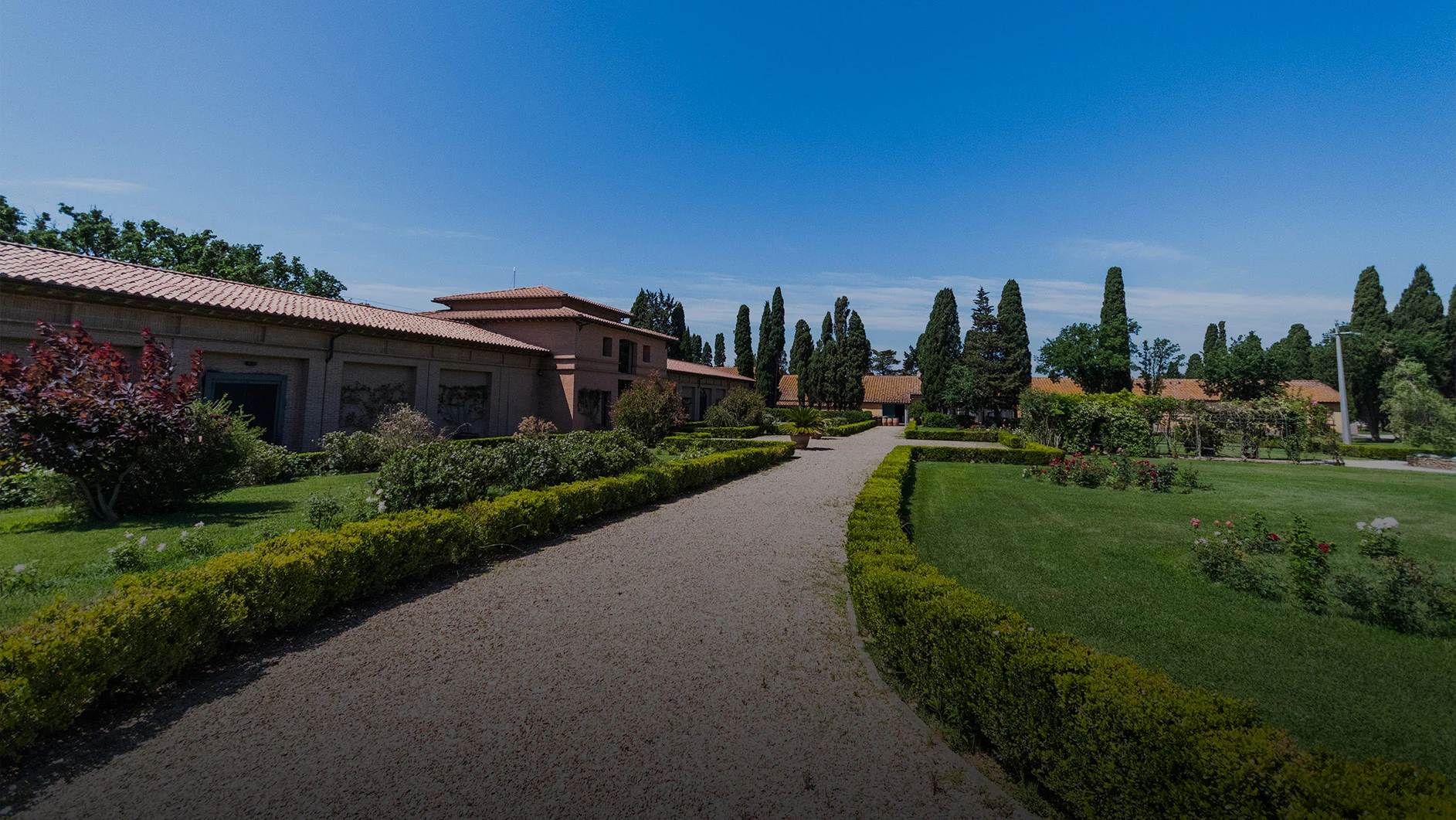
Domaine du Carrou is a family-run Sancerre estate in Bué, a hilltop village closely associated with limestone-rich soils and Sauvignon Blanc. The appeal is not a design-led destination or a heavily staged hospitality concept; it is a classic, scenic Loire setting where the focus is on precise, vibrant, terroir-driven wine. In that sense, its value is best understood quietly: as an address rooted in place, where the surrounding village, the slope of the landscape, and the established association between Bué and Sancerre do much of the framing before any glass is poured.
For planning purposes, the confirmed positioning is simple: Domaine du Carrou sits in Bué, carries a $$$ price tier, and is best understood as a Sancerre estate rather than a restaurant-style stop. Specific public-facing details such as opening hours, tasting format, individual cuvées, production methods, or visit policies are not confirmed here, so the safest approach is to check directly before you go. That direct confirmation matters because this is not being presented as a guaranteed drop-in tasting bar or a dining venue with a fixed service rhythm; it is a wine estate, and the practical experience may depend on arrangements that should be verified in advance.
Bué limestone, Sauvignon Blanc, and the case for restraint
The strongest context for Domaine du Carrou is its place in Bué: a hilltop Sancerre village where limestone-rich soils help frame the estate’s identity. The house style is described through precise, vibrant Sauvignon Blanc, with the emphasis on terroir rather than spectacle. That wording is important, because it points to a style of visit and a style of wine appreciation that depend less on showmanship and more on attention: acidity, clarity, mineral impression, and the way a village setting can give familiar Sauvignon Blanc a more specific sense of origin.
That makes Domaine du Carrou a good fit for travelers who want a classic Loire atmosphere. The draw is not an invented luxury narrative, a chef-led dining room, or a confirmed formal tasting program; it is the connection between Bué, Sancerre, limestone, and Sauvignon Blanc. Visitors who are happiest when a destination explains itself through landscape and agricultural identity, rather than through layers of hospitality design, will likely understand the appeal most quickly. The estate’s interest lies in that restrained logic: family-run, place-led, and aligned with one of the Loire’s most recognizable white-wine contexts.
The grounded case is already clear enough: Domaine du Carrou represents a family-run Sancerre address in Bué with a scenic, rural, terroir-led character. It should be approached as part of the wine landscape rather than as a standalone entertainment venue. That distinction keeps expectations accurate and helps preserve what is most compelling about the stop: the chance to situate Sauvignon Blanc within the village and soil context that gives it meaning here.
A focused Loire identity
The information supports a focused reading of Domaine du Carrou rather than a broad catalogue of specific wines. Sauvignon Blanc is the central reference point, and the estate’s Bué setting gives the experience its sense of place. Instead of trying to evaluate it through a long list of unconfirmed details, it is better to read the estate through the limited but useful signals available: family ownership, Sancerre identity, limestone-rich surroundings, and a style described as precise and vibrant.
Visitors should not assume confirmed lunch service, a restaurant menu, a particular tasting structure, or specific amenities from this guide alone. The $$$ tier suggests a premium positioning, but the essential planning hook remains the same: this is a family-run Sancerre estate in Bué, suited to travelers who care about Loire terroir and Sauvignon Blanc. That makes it different from a venue chosen primarily for convenience or a full-service meal. It is better suited to a wine-focused itinerary where the main reward is understanding a place and its defining grape more closely, with practical details checked in advance rather than taken for granted.
How to place it within a Bué wine itinerary
Bué rewards visitors who think in terms of place. Domaine du Carrou can anchor a Sancerre-focused stop for travelers interested in how limestone-rich soils and a village setting shape the character of Sauvignon Blanc. As an itinerary choice, it works best when the day is not overloaded with unrelated expectations. The point is to spend time in a village strongly tied to Sancerre’s wine identity and to let that setting sharpen the experience of the wines associated with it.
For a broader day in the area, pair Domaine du Carrou with other unnamed Bué dining options as practical timing allows. Keep the plan flexible, confirm the estate details directly, and treat the visit as part of a wider encounter with Bué rather than as a restaurant reservation or guaranteed structured tasting. With those expectations in place, Domaine du Carrou sits naturally within a Loire wine route built around restraint, landscape, and Sauvignon Blanc.
Questions
Frequently asked
Who works at Domaine du Carrou?
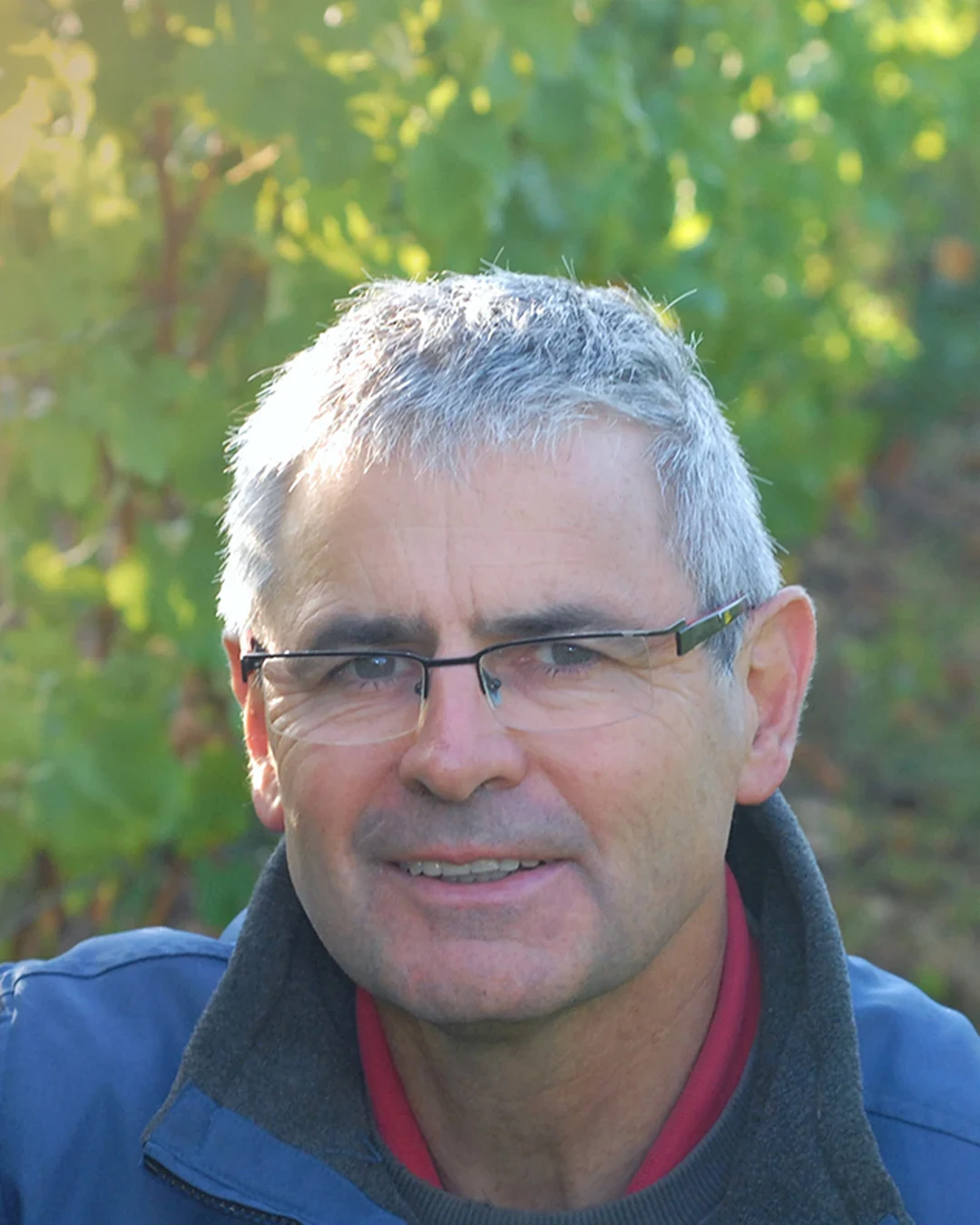
Made By profiles Dominique Roger (Winemaker) at Domaine du Carrou.
How expensive is Domaine du Carrou?
Domaine du Carrou is listed at a price level of $$$.
The field
How it compares
| Place | Notes |
|---|---|
| Domaine du Carrou | Bué, $$$ |
| Domaine François Crochet | Bué |
| Domaine Girault | Bué |
| Domaine Lucien Crochet | Bué |
| Domaine Vincent Pinard | Bué |
| Jean Max Roger | Bué |
| Tenuta San Guido | Bolgheri |