- Falstaff Winery - Listed · 2026
Bué does not announce itself with grand château drama. The village sits inside Sancerre country with the practical quiet of a working wine commune, where the meaning of a place is carried less by spectacle than by vineyard context and producer continuity. In that setting, Domaine François Crochet belongs to a family-run Sancerre tradition that treats soil variation as a central subject rather than a background detail. The estate’s identity is tied to pure, precise, mineral-driven wines shaped by limestone, clay-limestone and flint soils, with an overall feel that is traditional and artisanal rather than touristic. That combination gives the domaine its quiet editorial force: it is not presented as a place of theatrical arrival, but as one where the vocabulary of Sancerre is kept close to the ground.
Bué Sancerre seen through limestone, clay-limestone and flint
Sancerre’s reputation is often reduced to a simple shorthand, but Bué gives a more detailed reading. At Domaine François Crochet, the emphasis is on clarity, precision and the way different soil types can shape the character of the wines. Limestone, clay-limestone and flint are the foundations here, and they provide the most reliable frame for understanding the estate. Rather than treating Sancerre as one fixed style, the domaine’s identity invites a slower reading, where texture, line and mineral impression matter as much as the regional name on the label.
The editorial value is not a trophy cabinet or a visitor spectacle, but a clear argument about place. Domaine François Crochet is best read as a Sancerre estate where mineral expression matters more than show. For travelers who want a grounded sense of Bué wine, that restraint is part of the appeal. It allows the village setting and the soil language to remain central, giving the wines a context that feels precise without needing to be overstated. The point is not to make Bué feel grander than it is, but to notice how much detail can sit inside a seemingly quiet wine village.
A traditional estate identity keeps the focus on site
The picture of Domaine François Crochet is traditional, family-run and artisanal. Rather than presenting itself as a heavily touristic stop, the estate is associated with wines that aim for purity, precision and mineral definition. Specific claims about certifications, cellar equipment, parcel counts, production methods, services or schedules should be confirmed directly with the domaine before being treated as current fact. That caution is important because the strongest impression here is not logistical, but stylistic and cultural: a domaine rooted in Bué, understood through family continuity and a close attention to the differences carried by limestone, clay-limestone and flint.
That makes the estate especially useful for drinkers who want to understand Sancerre through soil and village context rather than through amenities. In a region where hospitality can vary widely, Domaine François Crochet is best approached with attention to the wines themselves: their mineral profile, their precision and their relationship to Bué’s limestone, clay-limestone and flint. The interest lies in how those elements create a sense of definition. For a visitor or reader, this means looking past generic expectations of Sancerre and paying attention to the quieter distinctions that a traditional, family-run estate can help bring into focus.
How to read this estate in a Bué itinerary
For travellers building time around wine rather than scenery alone, Bué rewards concentration. The village gives a compact view of Sancerre producer culture, where family domaines, soil language and artisanal identity carry more weight than destination design. Domaine François Crochet is better approached as a terroir-focused Sancerre estate than as a broad leisure attraction. Its value in an itinerary is therefore not about adding another polished stop, but about giving structure to the way Bué can be understood: through restraint, mineral definition and the practical continuity of a working wine place.
Readers mapping the area can place Domaine François Crochet within a Bué itinerary alongside other local dining and wine stops in general terms. For broader planning, use current local resources and confirm practical details directly before visiting, since this page verifies the estate’s Bué setting, $$ price indication and its family-run, mineral-driven Sancerre identity rather than specific services or schedules. That framing keeps expectations accurate. It also helps the domaine sit in the right mental category: not as a guaranteed visitor program, but as a meaningful reference point for understanding how Bué expresses Sancerre through site, tradition and a deliberately unshowy sense of place.
Questions
Frequently asked
Who works at Domaine François Crochet?
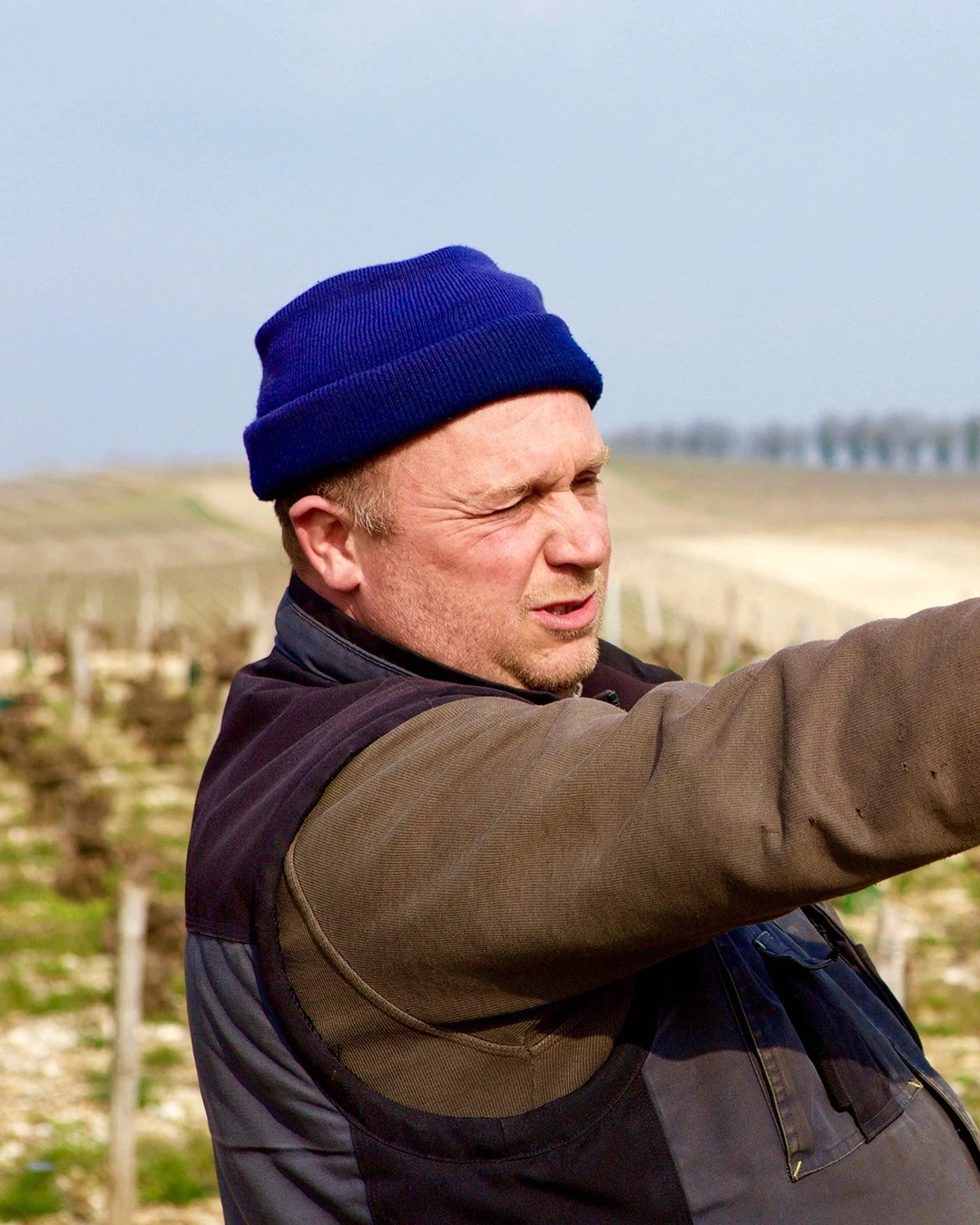
Made By profiles François Crochet (Winemaker) at Domaine François Crochet.
How expensive is Domaine François Crochet?
Domaine François Crochet is listed at a price level of $$.
The field
How it compares
| Place | Notes |
|---|---|
| Domaine François Crochet | Bué, $$ |
| BOND Winery | Napa |
| Domaine du Carrou | Bué |
| Domaine Girault | Bué |
| Domaine Lucien Crochet | Bué |
| Domaine Vincent Pinard | Bué |
| Jean Max Roger | Bué |