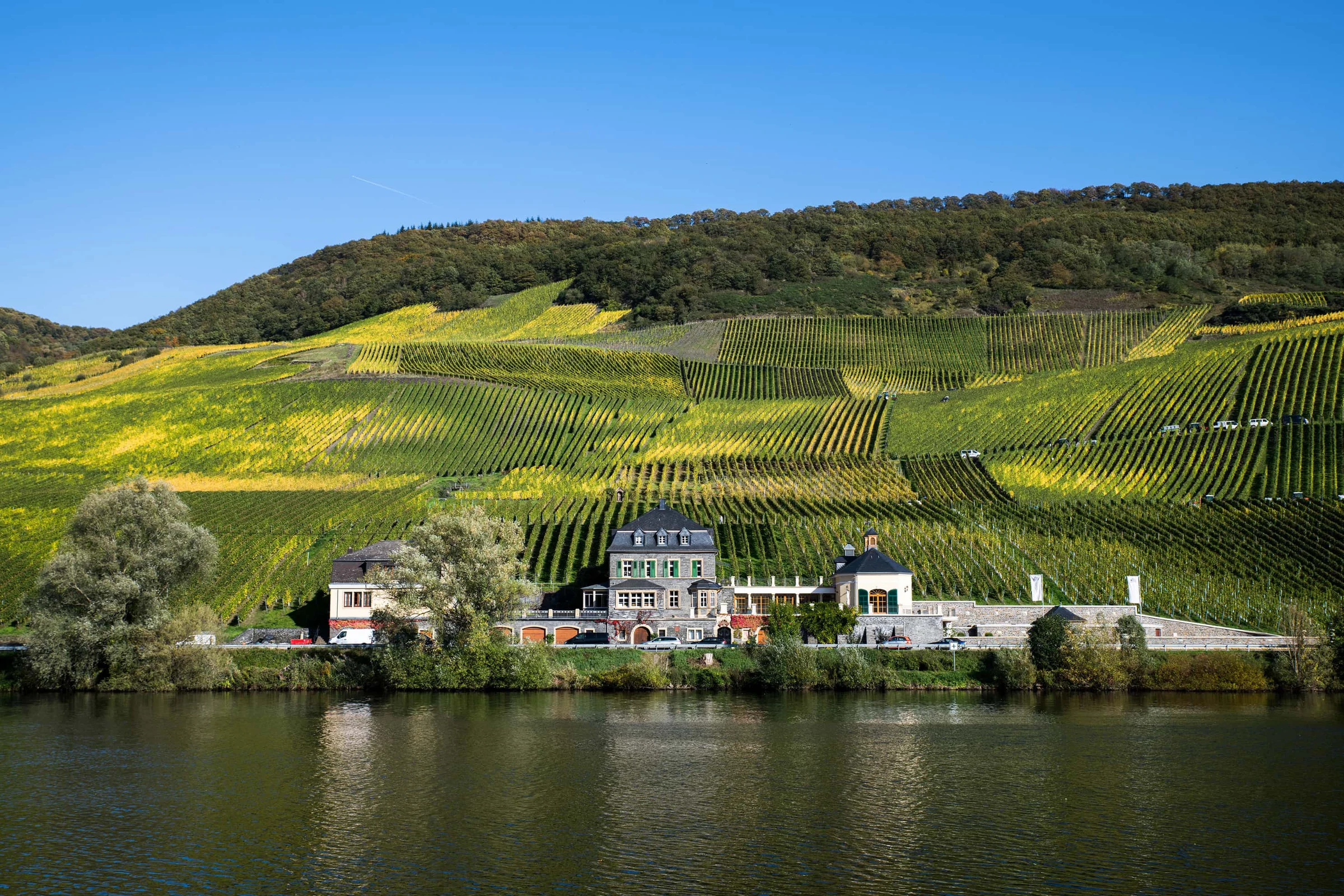
Domaine du Signolet
- 01CityLa Neuveville, Switzerland
- Falstaff Winery - Listed · 2026
Domaine du Signolet in La Neuveville is best presented as a small, artisanal cellar rather than a polished destination built around spectacle. The picture is intimate and down-to-earth: tastings are informal, conversational and centered on discovery, especially for visitors interested in unusual grape varieties. Its appeal comes from that modesty. This is the kind of place where the value of the visit is not in grand staging or elaborate hospitality language, but in the closeness of the exchange and the sense that the cellar remains connected to the work behind the wine.
A small La Neuveville cellar focused on discovery
The most reliable way to understand Domaine du Signolet is through its scale and tone. It is described as a small cellar with a relaxed atmosphere, where the experience is less about formality and more about direct conversation. The vigneron is often personally present, moving between cellar work and guests, which gives visits a practical, hands-on character. That detail matters because it shapes expectations: visitors should think in terms of a cellar encounter rather than a scripted tasting room presentation.
What can be said with confidence is that the cellar’s identity is tied to discovery of unusual grape varieties and to an artisanal style of hospitality. Those two ideas work together. Unusual varieties reward curiosity, and an artisanal welcome gives space for questions, explanations and the kind of informal back-and-forth that can make a small tasting memorable without needing to feel staged.
For visitors planning time in La Neuveville, Domaine du Signolet fits naturally as a low-key wine stop rather than a luxury experience. The appeal is the chance to encounter a local cellar in a relaxed setting, with conversation and curiosity at the center of the visit. It is best approached with an open mind: not as a box to tick, but as a place where the pleasure lies in listening, asking, tasting and letting the cellar’s personality emerge at its own pace.
Informal tastings and a down-to-earth atmosphere
The atmosphere is informal and conversational. Guests should expect a setting where the vigneron may be personally involved rather than separated from the tasting by a formal service team. That presence is part of the cellar’s character: it gives the visit a direct, working-cellar feel. It also makes the exchange feel more grounded, because the person speaking about the wines is closely connected to the practical reality of the cellar rather than simply delivering a rehearsed description.
The emphasis on unusual grape varieties is also important. Rather than presenting Domaine du Signolet as a conventional showcase with a fixed narrative, it is more accurate to describe it as a place for open-ended discovery. The experience is likely to suit visitors who enjoy asking questions and learning through conversation. For that kind of drinker, the interest is not only in what is poured, but in why it is distinctive, how it fits the cellar’s identity and how it expands the usual frame of a wine stop in the area.
Practical details should be kept simple. Pricing is listed as $$, and the overall mood is relaxed rather than dressy. Beyond that, specific claims about hours, booking rules, payment methods, seat counts or services should be confirmed directly with the venue before planning around them. That caution is especially appropriate for a small cellar, where the rhythm of visits may depend on the working life of the place and where it is better to verify details than to assume a standardized hospitality setup.
How to place it within La Neuveville
Domaine du Signolet gives La Neuveville visitors a wine-focused option with a distinctly personal tone. It is not useful to describe it through awards, rankings, production statistics or a named comparison set. The stronger and more grounded framing is simpler: a small cellar, a down-to-earth welcome and a tasting style built around conversation. This makes it a particularly good fit for visitors who prefer texture over gloss and who are interested in the human scale of a wine visit.
Other dining options in La Neuveville can round out a visit, but Domaine du Signolet itself should remain the focus here. Its appeal is specific enough without adding unsupported details: it is an artisanal cellar where unusual grape varieties and personal hospitality define the experience. Keeping that focus also helps avoid over-selling the venue. The honest recommendation is not that it offers everything, but that it offers a clear, intimate kind of encounter for the right visitor.
The editorial case for Domaine du Signolet is modest but clear. It suits curious drinkers who prefer informal discovery to highly choreographed hospitality, and who value the chance to speak with someone closely involved in the cellar’s work. Go for conversation, for a relaxed atmosphere and for the possibility of finding something outside the expected range of grape varieties. Understood on those terms, Domaine du Signolet has a direct and appealing place in a La Neuveville itinerary.
Questions
Frequently asked
How expensive is Domaine du Signolet?
Domaine du Signolet is listed at a price level of $$.
The field
How it compares
| Place | Notes | Awards |
|---|---|---|
| Domaine du Signolet | La Neuveville, $$ | · |
| Auberson & Fils SA | La Neuveville | · |
| Gaja | Barbaresco | World's 50 Best |
| Nyetimber | Horsham | World's 50 Best |
| Rebgut der Stadt Bern | La Neuveville | · |
| Schloss Johannisberg | Geisenheim-Johannisberg | World's 50 Best |
| Weingut Dr. Loosen | Bernkastel-Kues | World's 50 Best |