Domaine du Traginer
- 01CityBanyuls-sur-Mer, France
- Falstaff Winery - Listed · 2026
In Banyuls-sur-Mer, Domaine du Traginer is best understood as a modest wine caveau rather than a designed hospitality showcase. The picture is deliberately simple: a small, traditional village tasting room with a direct counter and retail shelves, focused on artisanal Banyuls and Collioure wines. Its appeal rests on conversation, bottle selection and a relaxed educational mood, not on elaborate décor or a large visitor apparatus.
That makes the venue useful for travellers who want a grounded introduction to the local wine identity without overstating what is publicly verified. The caveau’s stated focus is Banyuls and Collioure, two names closely associated with this corner of the Roussillon coast. At Domaine du Traginer, the confirmed experience is not a restaurant, hotel, bar or formal tasting-menu destination; it is a compact retail-and-tasting setting where the emphasis remains on biodynamic craft and artisanal wine.
A small caveau built around wine rather than spectacle
The most important thing to know before visiting Domaine du Traginer is the scale. This is described as a small, traditional village caveau, with a tasting counter and retail shelves. That format sets expectations clearly. Visitors should not arrive looking for an elaborate design statement, a grand château-style reception room or a large hospitality complex. The atmosphere is relaxed and educational, with the wine itself at the centre.
The room’s simplicity is part of its usefulness. A counter-and-shelves format naturally encourages direct comparison, questions and bottle-focused browsing. For visitors who prefer venues where the setting does not overwhelm the subject, Domaine du Traginer offers a direct way to engage with Banyuls and Collioure wines in Banyuls-sur-Mer.
Venue’s identity also includes an emphasis on biodynamic craft. That should be read carefully: the confirmed point is the caveau’s focus and atmosphere, not a detailed public dossier of vineyard size, certification dates, production volume, grape varieties or cellar methods. Those more specific claims are not included in the record here, so the most accurate description is simpler: Domaine du Traginer presents itself through artisanal Banyuls and Collioure wines in a low-key, educational setting.
Banyuls and Collioure in a focused tasting frame
Domaine du Traginer’s core draw is the chance to consider Banyuls and Collioure wines at the same address. What it does support is a focused caveau experience in which those local wine names are the central reference points.
That makes the stop especially relevant for travellers who want to understand the difference between a place built for wine education and a place built for entertainment. Domaine du Traginer is described as relaxed rather than theatrical. The tasting counter and retail shelves suggest a practical encounter: ask, taste if available through the venue’s current arrangements, browse bottles and use the visit to sharpen a sense of what Banyuls-sur-Mer wine culture can feel like at small scale.
The price level is listed as $$, which places it in a moderate bracket rather than presenting it as a luxury-only experience. Visitors should check directly with Domaine du Traginer for current availability, tasting conditions and purchase options, since the confirmed guide information is intentionally limited to the venue’s character, setting and general price level.
How it fits a Banyuls-sur-Mer itinerary
Domaine du Traginer fits best as a calm, wine-led stop in Banyuls-sur-Mer. It is not described here as a restaurant, lodging address or high-energy bar. The setting is a village caveau, so it works most naturally for visitors who are already interested in local wine and who appreciate a direct, unembellished environment.
For first-time visitors, the main value is orientation. Domaine du Traginer gives a grounded point of contact with artisanal Banyuls and Collioure wines in the town itself. For repeat visitors, the appeal is likely the same but more specific: a chance to return to a small, traditional setting where the discussion can remain close to the bottles and to the biodynamic craft that shapes the venue’s identity.
Plan practically and confirm directly before going. What can be stated with confidence is narrower but still useful: Domaine du Traginer is a relaxed, educational Banyuls-sur-Mer caveau focused on artisanal Banyuls and Collioure wines, with a simple tasting counter, retail shelves and a moderate $$ price level.
Questions
Frequently asked
How expensive is Domaine du Traginer?
Domaine du Traginer is listed at a price level of $$.
The field
How it compares
| Place | Notes | Awards |
|---|---|---|
| Domaine du Traginer | centre village, $$ | · |
| Billecart-Salmon | Aÿ | World's 50 Best |
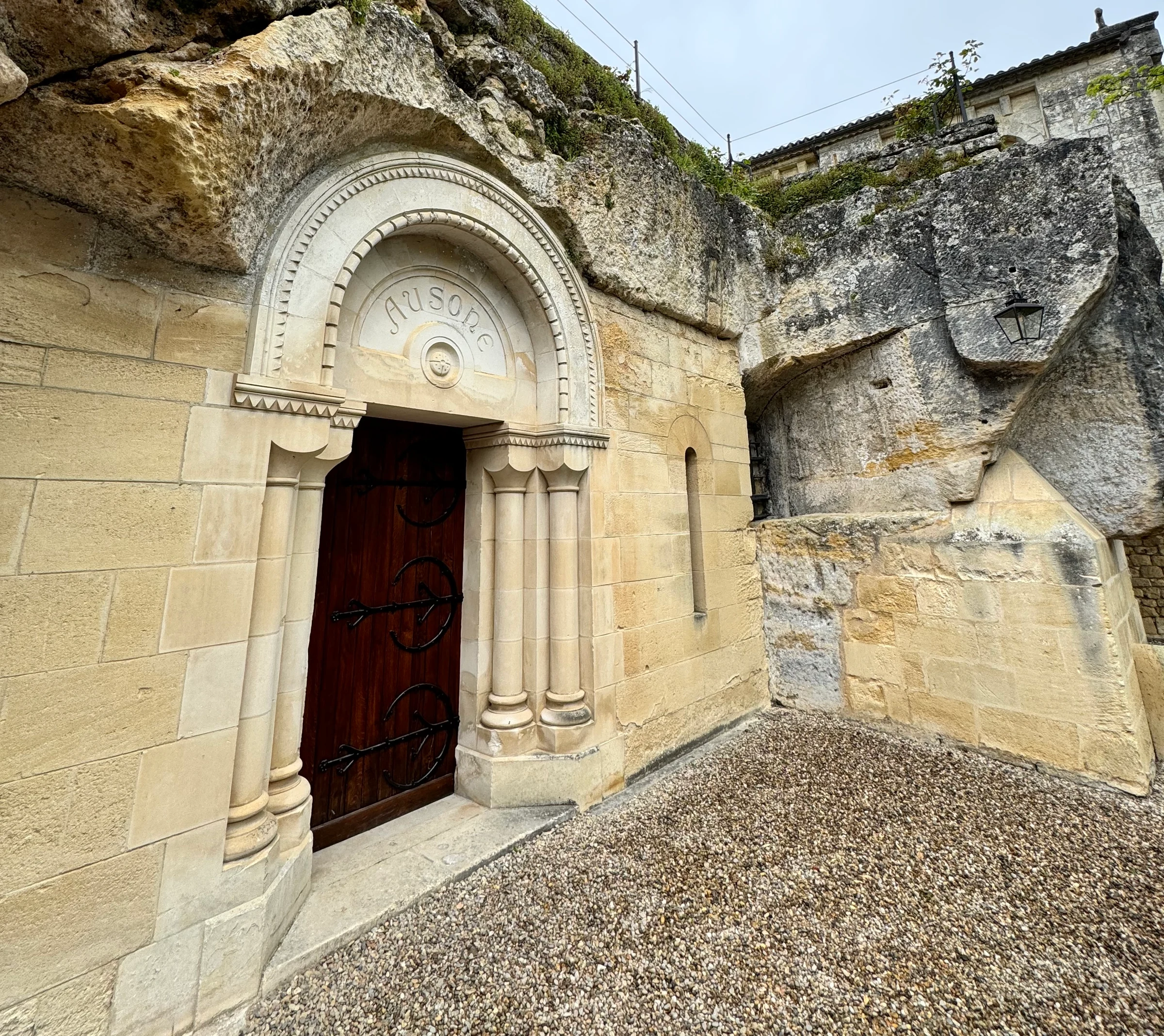
| Chateau Ausone | Saint-Émilion | · |
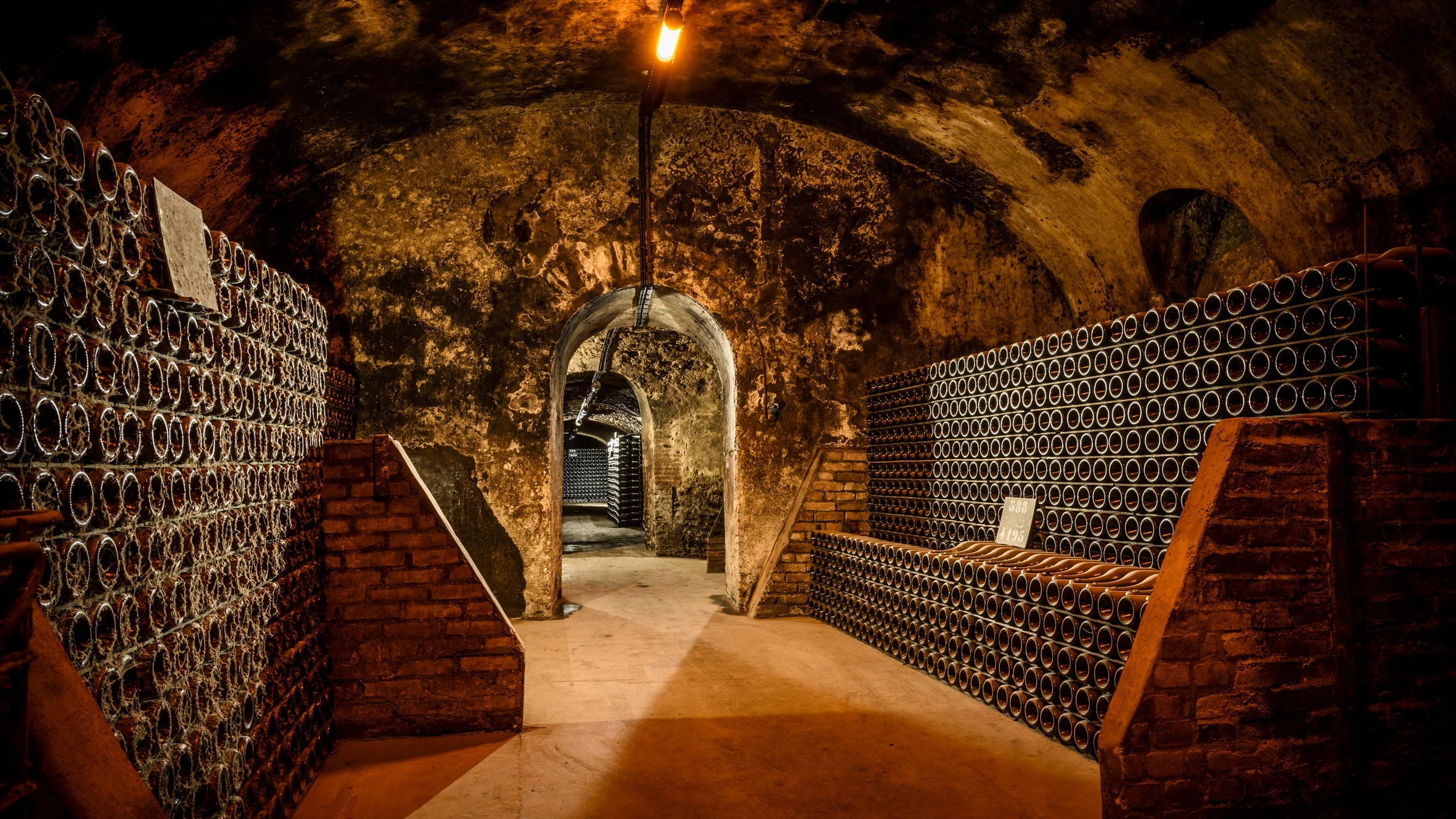
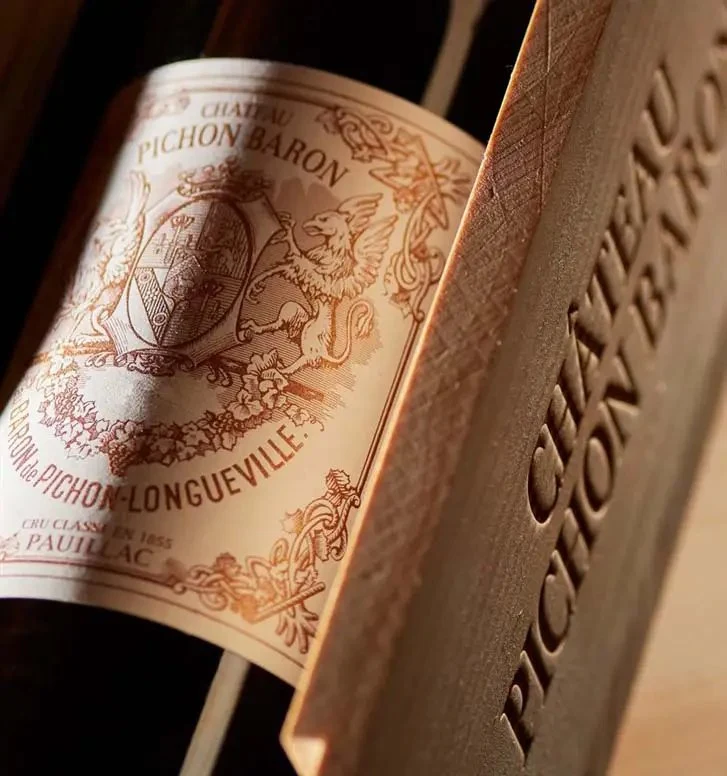
| Château Pichon Longueville Baron | Pauillac | World's 50 Best |
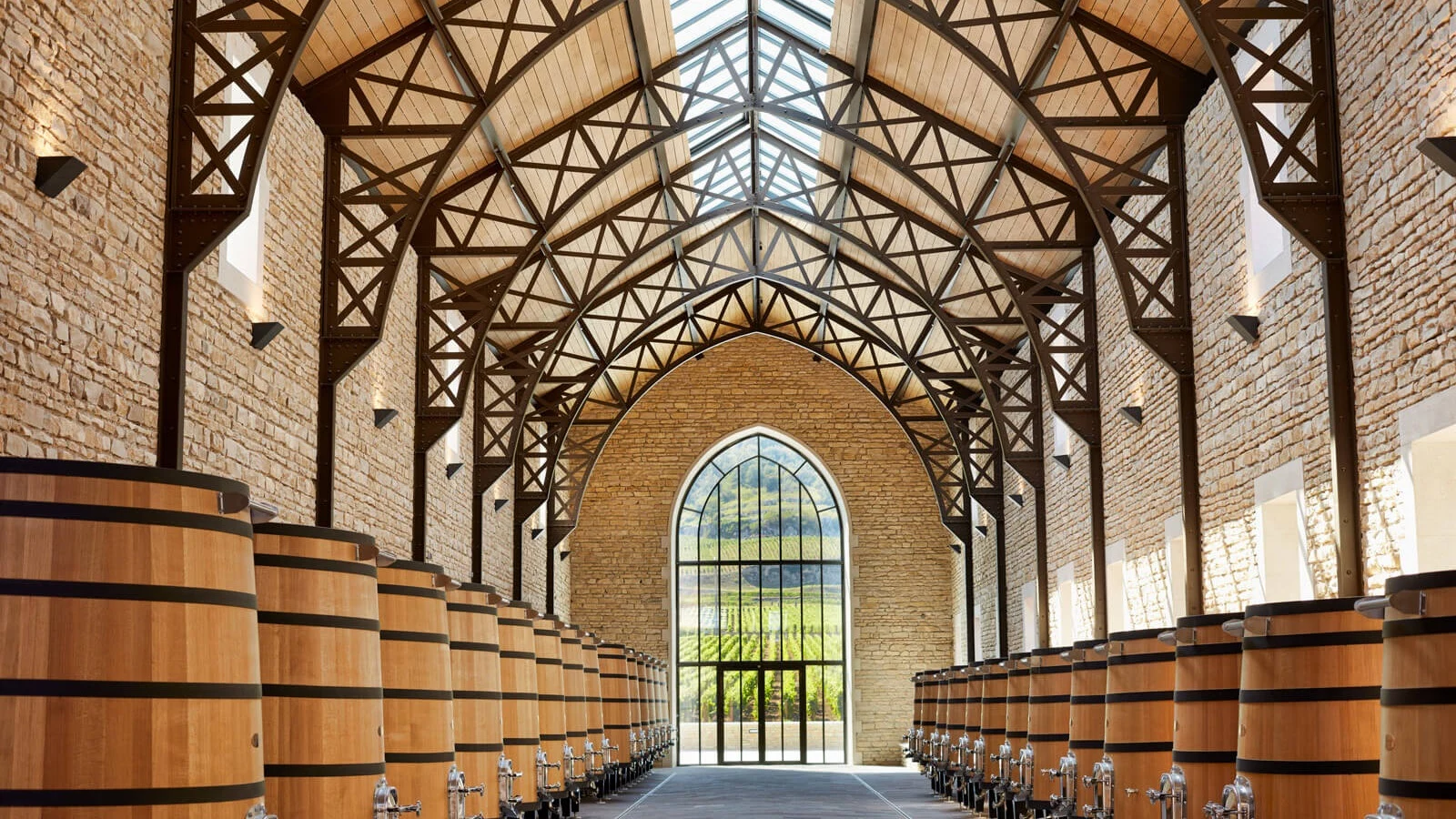
| Domaine Faiveley | Nuits-Saint-Georges | World's 50 Best |
| L’Etoile | Banyuls-sur-Mer | · |
| Weingut Egon Müller | Wiltingen | · |