Made ByWinery

Domaine du Vieux Télégraphe is one of Châteauneuf-du-Pape's most closely watched estates, farmed by the Brunier family from their base in Bédarrides. The 2025 EP Club Pearl 4 Star Prestige award places it among the appellation's upper tier. For anyone building a serious Rhône cellar, this is a reference point rather than a discovery.
At a glance
- Price
- $$$
- Per person
- $85
- Neighborhood
- Bédarrides
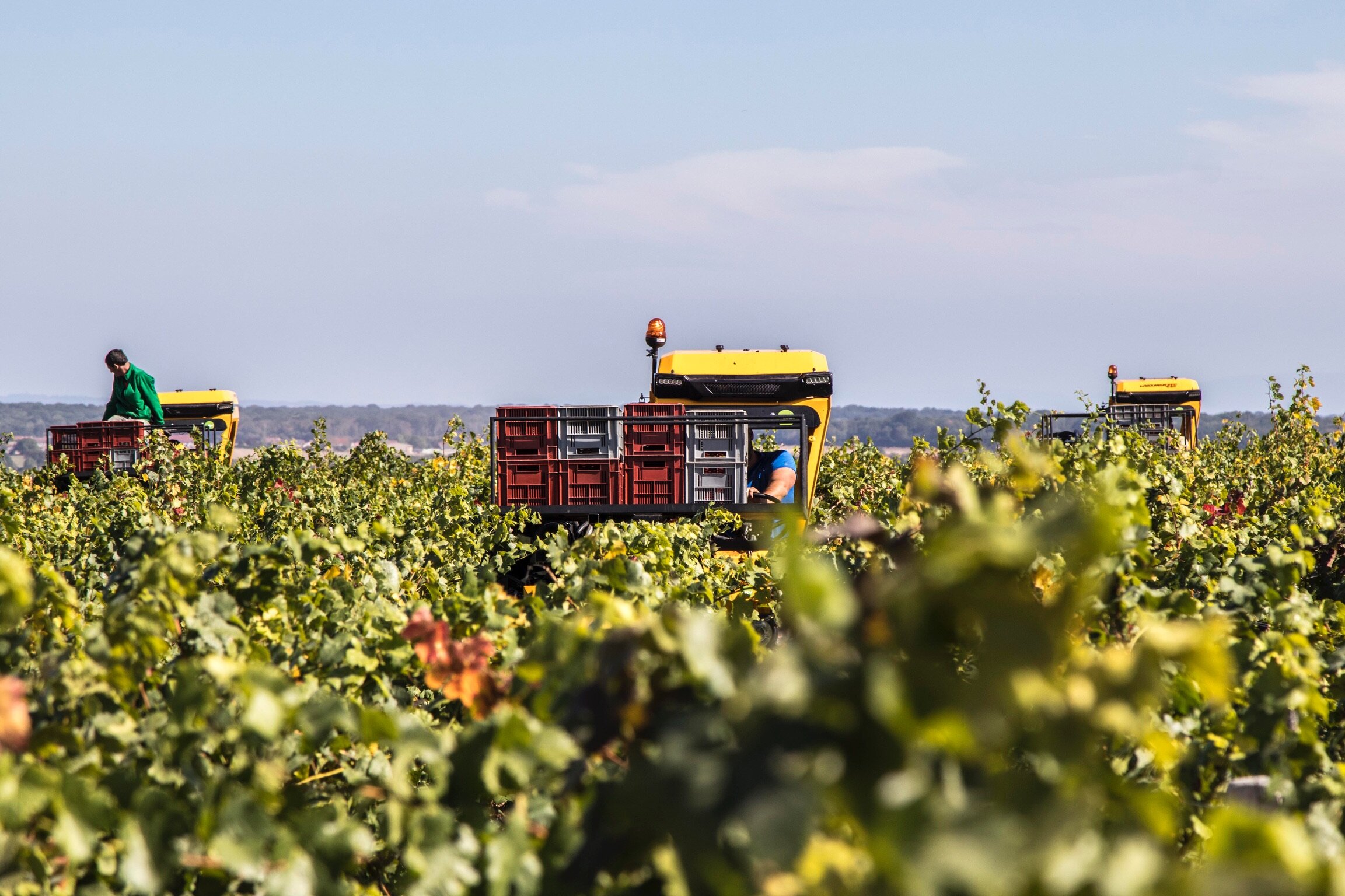
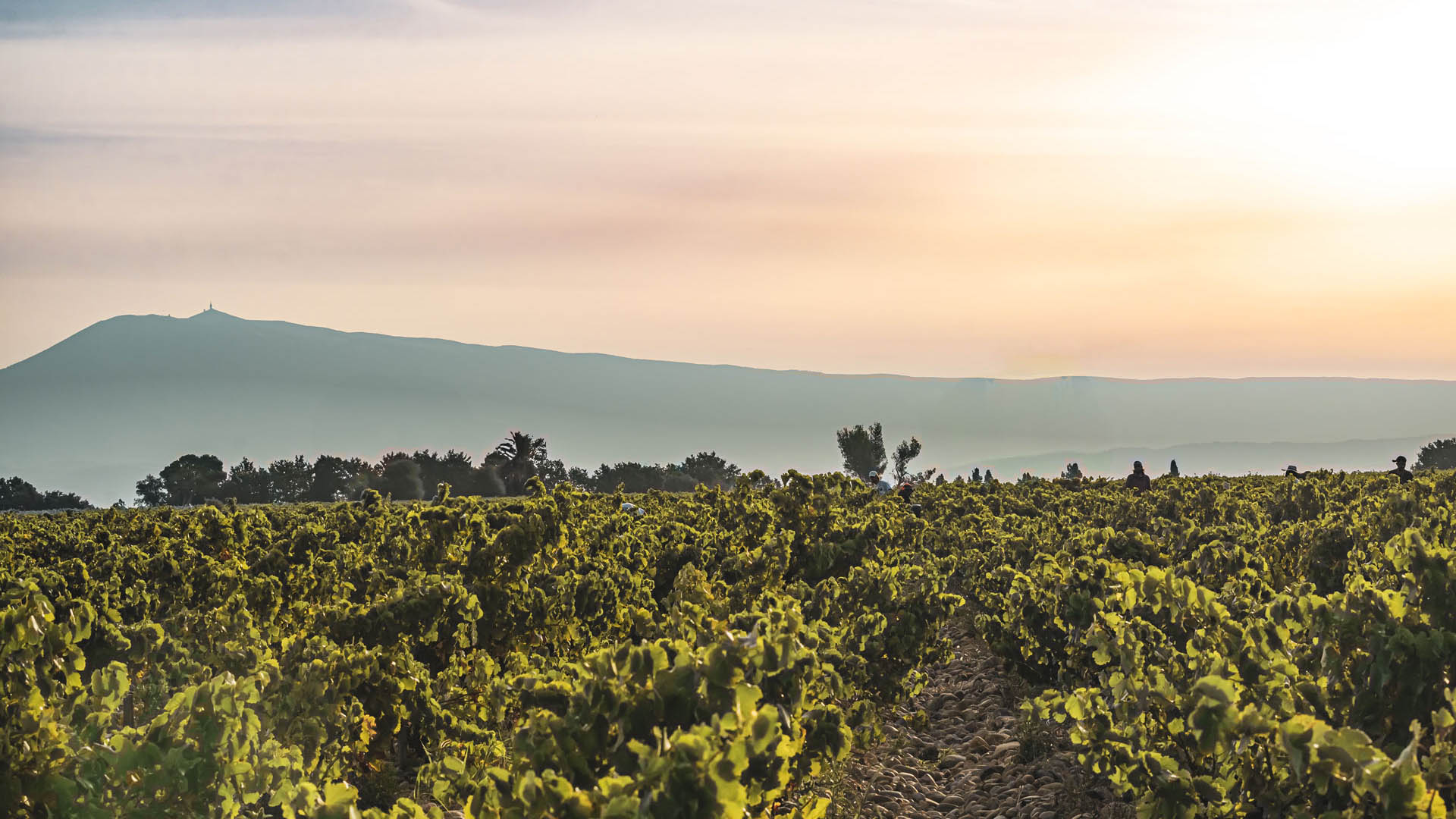
<h2>The Plateau That Shapes the Wine</h2><p>There is a particular quality to the light on the <em>La Crau</em> plateau, east of Bédarrides, where Domaine du Vieux Télégraphe farms some of Châteauneuf-du-Pape's most demanding terroir. The land here sits at the appellation's highest elevation, carpeted in the large, heat-retaining <em>galets roulés</em> that have become shorthand for Châteauneuf's visual identity. What those stones actually do, agronomically, is anchor a specific thermal logic: they absorb afternoon heat and radiate it through the night, extending the ripening window while the plateau's altitude introduces a cooling effect that preserves aromatic tension. The result, across decades of vintages, is wines that carry warmth without heaviness, concentration without the softness that lower-lying parcels in the appellation can produce.</p><p>Understanding Vieux Télégraphe means understanding La Crau first. This is not a sub-zone that rewards every grape variety equally; it is Grenache country, the variety finding an equilibrium here between power and lift that distinguishes it from Grenache grown further south in the appellation. The clay-and-sand soil beneath the stones adds a textural quality that separates La Crau wines from those produced on more purely sandy or rocky ground elsewhere in Châteauneuf. Winemakers Daniel and Frédéric Brunier have farmed this plateau for decades, but the plateau would shape any serious winemaker who worked it long enough. That is the nature of great terroir: it is directive, not accommodating.</p><h2>Châteauneuf-du-Pape's Vertical Structure</h2><p>Châteauneuf-du-Pape is not a monolithic appellation. Across its roughly 3,200 hectares, soil types shift from sandy <em>sables</em> in the south to the rocky plateau zones in the north and east. This diversity means the appellation supports meaningfully different styles within a single AC, and producers position themselves accordingly. Vieux Télégraphe sits in what amounts to the appellation's prestige tier, alongside a small group of estates that hold prime plateau or galets-dominant sites and whose allocation patterns reflect collector-level demand rather than casual retail.</p><p>The comparison to appellation peers is instructive. Estates working sandier or more fragmented terroir tend toward earlier-drinking, more immediately approachable wines. The La Crau plateau produces wines that require patience: the structure and tannic frame in younger vintages can appear austere before the wine settles into the generous mid-palate that defines the style at its peak. Collectors who have built positions in estates like <a href="https://www.enprimeurclub.com/wineries/chateau-clinet-pomerol">Château Clinet in Pomerol</a> or <a href="https://www.enprimeurclub.com/wineries/chateau-belair-monange-saint-emilion-winery">Château Bélair-Monange in Saint-Emilion</a> will recognise the calculus: terroir-specific wines often need a holding period before they deliver what the vineyard is capable of.</p><p>The estate's 2025 Pearl 4 Star Prestige award places Domaine du Vieux Télégraphe in a specific bracket within the French wine hierarchy. For context on how EP Club measures prestige across French appellations, the full Bédarrides guide maps the regional competitive set in detail. Within the Southern Rhône, a 4 Star Prestige rating signals a producer whose wines operate at allocation level and whose track record across varied vintages justifies cellar investment.</p><h2>The Brunier Approach to a Difficult Site</h2><p>Farming La Crau is physically demanding work. The stones that define the plateau make mechanical cultivation difficult, and the heat accumulation in July and August can stress vines if the canopy is not managed carefully. The Bruniers, Daniel and Frédéric, have long advocated for farming practices that prioritise vine balance over yield maximisation, a position that in Châteauneuf makes sense given that the appellation's cap on yields already limits volumes relative to Bordeaux or Burgundy. The estate's vine age is a material factor: older Grenache vines, which represent the dominant variety in the blend, self-regulate more effectively under heat stress than younger plantings, producing smaller berries with more concentrated juice and naturally lower yields.</p><p>This is the logic that connects old-vine viticulture to the particular character of La Crau wines. Younger vines on the same soil, given the same farming approach, would produce a different wine: less textural density, less of the mineral thread that collectors identify as characteristic of the plateau. The Bruniers did not invent this relationship; they inherited it and have continued to extend it. Vine age at prestige estates accumulates over generations, which is why established Rhône domaines of this standing hold a structural advantage that new plantings cannot replicate quickly.</p><h2>Placing Vieux Télégraphe in the Wider French Prestige Scene</h2><p>France's wine geography has a way of grouping producers by terroir logic rather than administrative proximity. The Bruniers' focus on plateau-specific viticulture in the Southern Rhône has more in common, philosophically, with the terroir-first approach of estates like <a href="https://www.enprimeurclub.com/wineries/albert-boxler-niedermorschwihr-winery">Albert Boxler in Niedermorschwihr</a> in Alsace or the parcel-specific bottlings at <a href="https://www.enprimeurclub.com/wineries/chateau-branaire-ducru-st-julien">Château Branaire Ducru in St-Julien</a> than it does with volume-driven Southern Rhône production. The connective thread is a belief that the vineyard site, properly farmed, produces the wine's essential character without requiring significant intervention in the cellar.</p><p>This positions Vieux Télégraphe against a comparable set that includes not just other Châteauneuf estates but any French producer operating at the intersection of recognised terroir and sustained critical attention. Estates like <a href="https://www.enprimeurclub.com/wineries/chateau-batailley-pauillac-winery">Château Batailley in Pauillac</a>, <a href="https://www.enprimeurclub.com/wineries/chateau-boyd-cantenac-cantenac-winery">Château Boyd-Cantenac in Cantenac</a>, or <a href="https://www.enprimeurclub.com/wineries/chateau-cantemerle-haut-medoc">Château Cantemerle in Haut-Médoc</a> occupy equivalent positions within their respective appellations: producers with classified or prestige-tier standing, farming defined sites, whose wines reward holding rather than immediate consumption. Collectors building across French appellations often treat these estates as benchmark positions in each region, calibrating newer discoveries against what established names have demonstrated over time.</p><p>For those cross-referencing broader French and Provençal production, the nearby rosé category offers a stylistic counterpoint: <a href="https://www.enprimeurclub.com/wineries/chateau-desclans">Château d'Esclans in Courthézon</a> operates in a completely different register, as does the liqueur tradition documented at <a href="https://www.enprimeurclub.com/wineries/chartreuse-voiron-winery">Chartreuse in Voiron</a>. The range illustrates how varied France's premium beverage production is, even within a tight geographic band. Sauternes producers like <a href="https://www.enprimeurclub.com/wineries/chateau-bastor-lamontagne">Château Bastor-Lamontagne in Preignac</a> and <a href="https://www.enprimeurclub.com/wineries/chateau-d-arche-sauternes-winery">Château d'Arche in Sauternes</a> complete a picture of French prestige wine that extends well beyond Bordeaux's gravity. For Napa reference points, <a href="https://www.enprimeurclub.com/wineries/accendo-cellars">Accendo Cellars in St. Helena</a> draws comparable collector attention in a different hemisphere. And <a href="https://www.enprimeurclub.com/wineries/chateau-dauzac-labarde-winery">Château Dauzac in Labarde</a> and <a href="https://www.enprimeurclub.com/wineries/aberlour-aberlour-winery">Aberlour in Aberlour</a> round out the prestige map across spirits and classified Bordeaux for those tracking EP Club's full coverage.</p><h2>Visiting and Planning</h2><p>Bédarrides sits on the southern edge of the Châteauneuf-du-Pape appellation, accessible from Avignon in under thirty minutes by road. The domaine's address on the Route de Châteauneuf-du-Pape places it on the main artery connecting the two towns. Visits are by appointment only. The harvest period through September and October concentrates estate activity and reduces availability for external visits, while the quieter months between January and March offer more flexibility for those seeking extended cellar conversations.</p><hr></hr>
Know before you go
- Dress code
- smart_casual
- Reservations
- appointment_only
- Parking
- on_site_lot
- Payment
- credit_card, debit_card
- Outdoor seating
- Yes
- Groups
- Welcomed
Frequently asked
What kind of setting is Domaine du Vieux Télégraphe?
Vieux Télégraphe is a working wine domaine at 3 Route de Châteauneuf du Pape in Bédarrides, a small commune on the southern edge of the Châteauneuf-du-Pape appellation. Avignon is reachable in under thirty minutes by road, making it a practical stop for anyone travelling the Southern Rhône. The operation is agricultural in character: the focus is the La Crau plateau vineyard rather than visitor amenity. Awarded Pearl 4 Star Prestige in 2025, it draws collectors and trade visitors more than casual tourists.
Has Domaine du Vieux Télégraphe won any awards?
Domaine du Vieux Télégraphe has received recognition including: Pearl 4 Star Prestige (2025).
What should I taste at Domaine du Vieux Télégraphe?
The domaine's principal wine is built on La Crau plateau fruit, with old-vine Grenache as the lead variety alongside Syrah, Mourvèdre, and Cinsault. La Crau's dense galets roulés — the rounded stones that carpet the plateau — drive heat retention and force vine roots deep, producing concentrated, structured wines that reward cellaring. Daniel and Frédéric Brunier oversee all winemaking decisions, maintaining a consistent house style across vintages.
Where do I go for Domaine du Vieux Télégraphe?
Domaine du Vieux Télégraphe is located at 3 Rte de Châteauneuf du Pape, 84370 Bédarrides, Bédarrides.
What's the standout thing about Domaine du Vieux Télégraphe?
The La Crau plateau is what separates Vieux Télégraphe from most Châteauneuf-du-Pape producers. Within an appellation of roughly 3,200 hectares and sharply varied soils, La Crau is one of the most demanding and site-specific terroirs: high stone coverage, intense summer heat, and difficult mechanical access. The Bruniers have farmed it across generations, and that continuity of site knowledge shows in wines that carry a recognisable plateau signature. The Pearl 4 Star Prestige rating (2025) places the domaine among France's documented prestige producers.
Address
3 Rte de Châteauneuf du Pape, 84370 Bédarrides
Bédarrides · Rhone
How it compares
- Cuisine
- Grenache, Syrah
- Price
- $$$
- Awards
- 1 recognition
- Notes
- Bédarrides
- Cuisine
- Grenache, Syrah
- Price
- $$$
- Awards
- 1 recognition
- Notes
- Orange
Domaine de la Vieille Julienne
- Cuisine
- Grenache, Syrah
- Price
- $$$
- Awards
- 1 recognition
- Notes
- Orange
- Cuisine
- Merlot, Cabernet Franc
- Price
- $$$
- Awards
- —
- Notes
- Saint-Hippolyte
- Cuisine
- Winery
- Price
- —
- Awards
- 1 recognition
- Notes
- Orange
- Cuisine
- Cinsault, Syrah
- Price
- $$$
- Awards
- 1 recognition
- Notes
- Cogolin