- Falstaff Winery - Listed · 2026
Domaine Emmanuel Darnaud is a small artisan Rhône domaine in La Roche Du Glun, presented here with only the details that can be stated with confidence. The confirmed picture is of a producer focused on precision and detail, with a vineyard-driven, hands-on approach rather than a broad visitor-facing concept built around amenities or tasting formats. In that sense, the domaine is best understood less as a destination defined by public programming and more as a working estate whose identity comes through its farming choices, cellar discipline and attention to the character of individual parcels.
The domaine’s identity rests on careful vineyard and cellar work. Its approach emphasizes leaf management in the vines, separate vinification of parcels, and extended barrel aging. Those details point to a producer concerned with preserving parcel character and shaping wines with a supple, fruit-led profile. They also suggest a rhythm of work in which small decisions accumulate: how the canopy is handled, how each parcel is followed through fermentation, and how time in barrel is used to bring texture and cohesion without losing the central fruit expression.
Vineyard-driven work in La Roche Du Glun
The most reliable way to understand Domaine Emmanuel Darnaud is through its working method. The domaine is described as hands-on and detail-oriented, with careful leaf management forming part of the vineyard approach. That kind of work matters because canopy decisions influence exposure, aeration and ripeness, all of which shape the final balance of the wine. Leaf management is not a decorative detail in this context; it is part of the practical work that helps a grower respond to the needs of the vine and guide fruit toward the intended style.
Rather than presenting the estate through claims about specific cuvées, acreage, certification, tasting arrangements or awards, this guide keeps the focus on the confirmed essentials: Domaine Emmanuel Darnaud is an artisan Rhône domaine in La Roche Du Glun, and its production philosophy is centered on precision, parcel awareness and careful handling. That narrower focus is deliberate. It avoids turning a concise producer profile into a speculative visitor listing, while still giving readers a meaningful sense of what distinguishes the domaine.
Separate vinification of parcels is a key detail. In practical terms, it suggests that the domaine treats vineyard variation as meaningful and gives individual lots their own cellar attention before any final assembly or release decisions are made. This is important because parcels can differ in exposure, ripening pattern and overall expression, and keeping them separate allows those differences to be observed rather than immediately folded into a single whole. For a small artisan producer, that kind of parcel-by-parcel attention reinforces the broader impression of a domaine built around detail rather than uniformity.
Cellar discipline without overstating the public record
The cellar approach is clear at a general level: Domaine Emmanuel Darnaud uses separate vinification of parcels and extended barrel aging. Those facts support a picture of a producer using time and parcel distinction to build texture and detail, rather than relying on a single generalized cellar recipe. The emphasis is not on novelty for its own sake, but on a measured process in which vineyard identity and cellar handling are treated as connected parts of the same whole.
Extended barrel aging is also part of the confirmed profile. Without details on exact vessels, months, percentages or individual bottlings, it is best understood here as a broad stylistic and technical marker: the wines are shaped with patience and structure while retaining a supple, fruit-led character. That wording matters. It does not imply a specific oak regime or a particular bottling formula; it simply recognizes that time in barrel is one of the tools used to refine the wines’ feel and carry the fruit through a more composed, rounded frame.
No confirmed critic scores, guide ratings, organic-certification dates, tasting policies, opening hours or specific visitor amenities are included in the data. For that reason, this guide does not present those items as facts. Readers should check the domaine’s own current channels for practical visit information before planning around it. The absence of those details here should not be read as a judgment on the estate; it is simply a boundary of the available record and a reason to keep this page focused on the production approach that is actually documented.
How to place it in a Rhône itinerary
Domaine Emmanuel Darnaud fits best into an itinerary for travelers interested in a small, detail-oriented Rhône producer in La Roche Du Glun. The strongest reason to pay attention is its vineyard-driven, hands-on approach: careful leaf management, parcel-by-parcel vinification and extended barrel aging all point toward a domaine built around precision rather than scale. For readers who value producer profiles grounded in method, those details provide a useful way to place the domaine without needing to lean on scores, labels or visitor amenities.
For a wider La Roche Du Glun plan, pair Domaine Emmanuel Darnaud with other dining, lodging and evening options in La Roche Du Glun generically, and confirm practical details directly before visiting. Readers comparing local options should treat this page as a concise profile rather than a complete visitor-service listing. Its purpose is to frame the domaine accurately: a small artisan Rhône address whose confirmed identity comes from careful work in the vineyard, parcel-sensitive vinification and patient cellar handling.
Questions
Frequently asked
Who works at Domaine Emmanuel Darnaud?
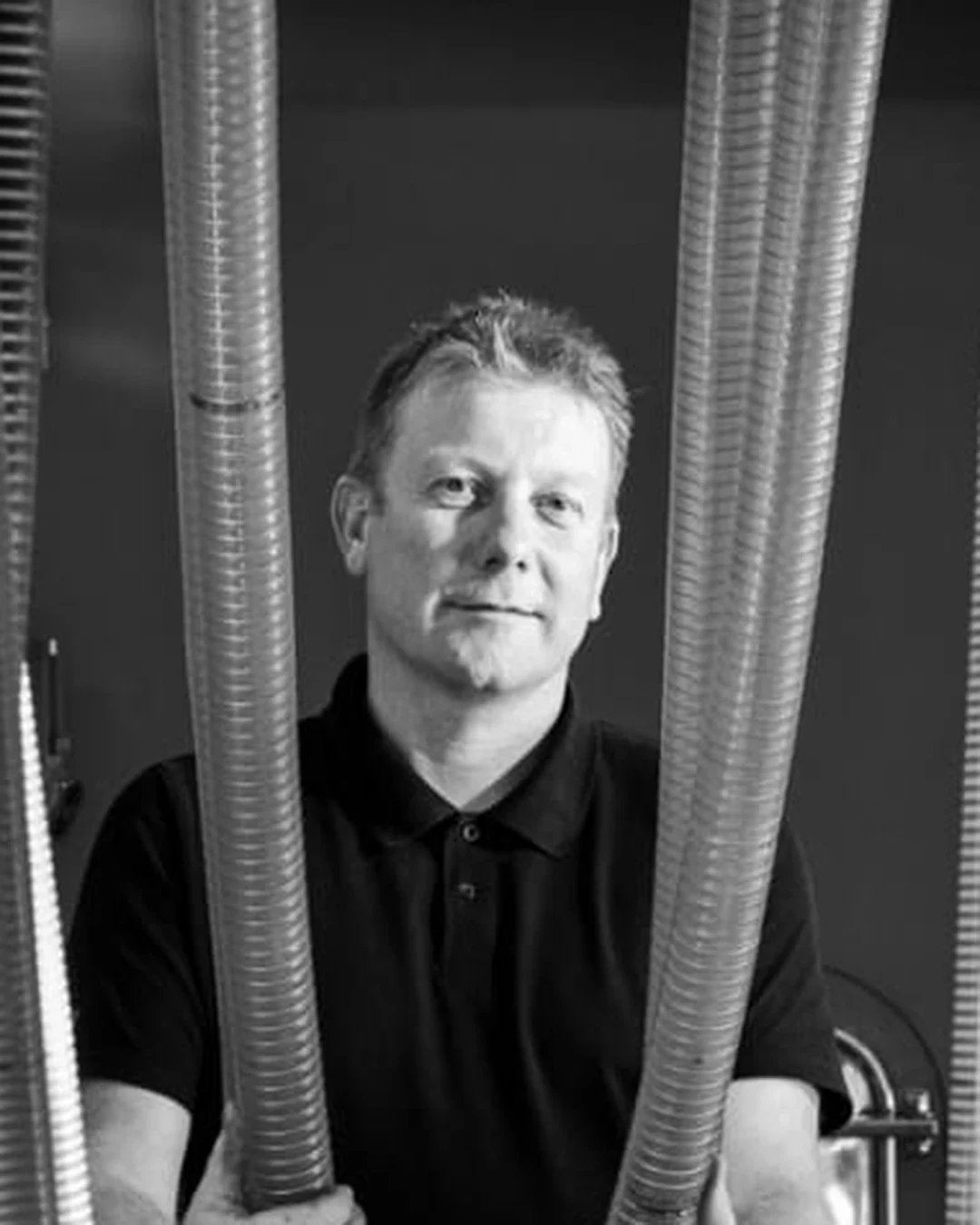
Made By profiles Emmanuel Darnaud (Winemaker) at Domaine Emmanuel Darnaud.
How expensive is Domaine Emmanuel Darnaud?
Domaine Emmanuel Darnaud is listed at a price level of $$.
The field
How it compares
| Place | Notes | Awards |
|---|---|---|
| Domaine Emmanuel Darnaud | La Roche-de-Glun, $$ | · |
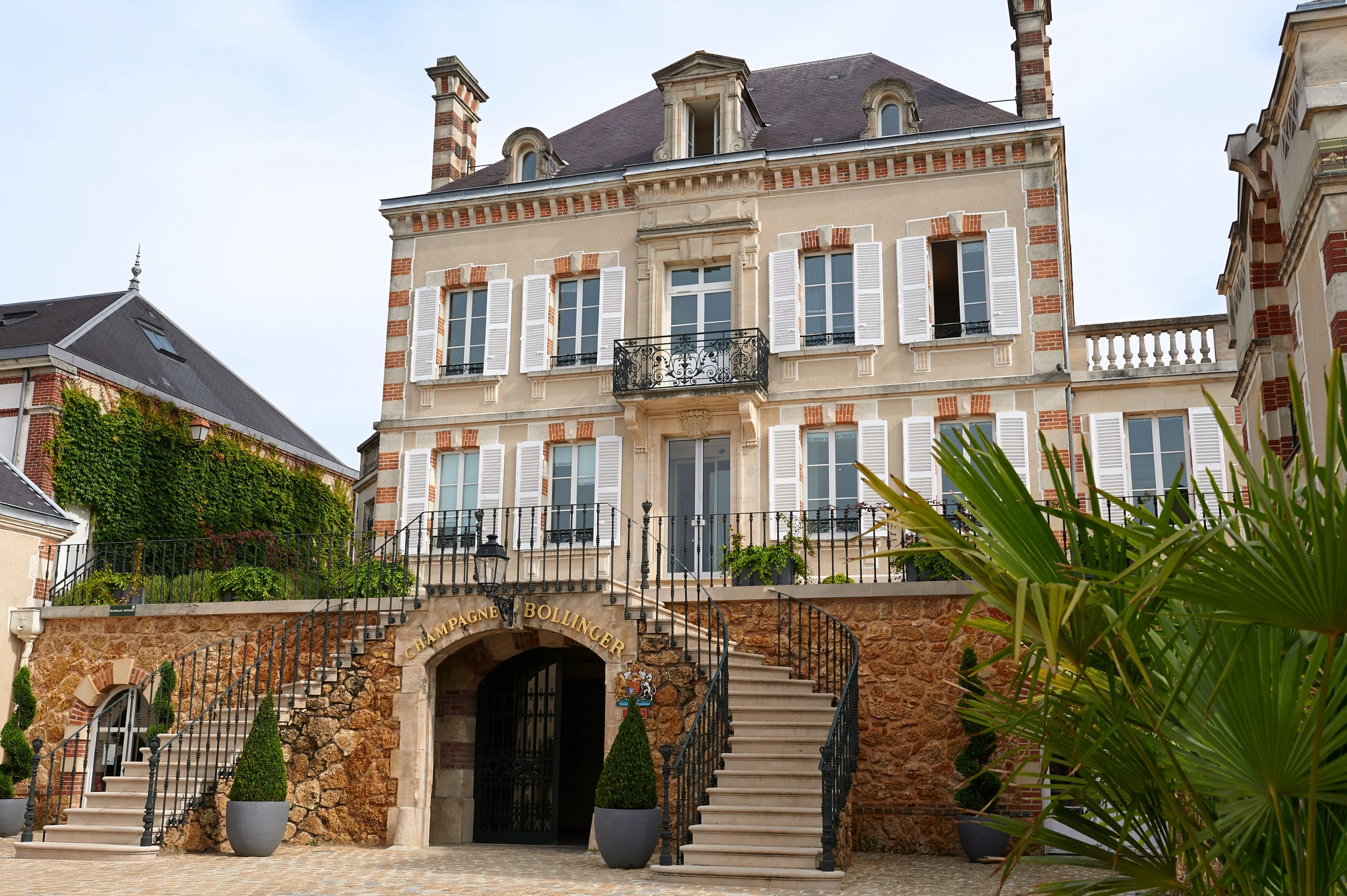
| Bollinger | Aÿ | World's 50 Best |
| BOND Winery | Napa | · |
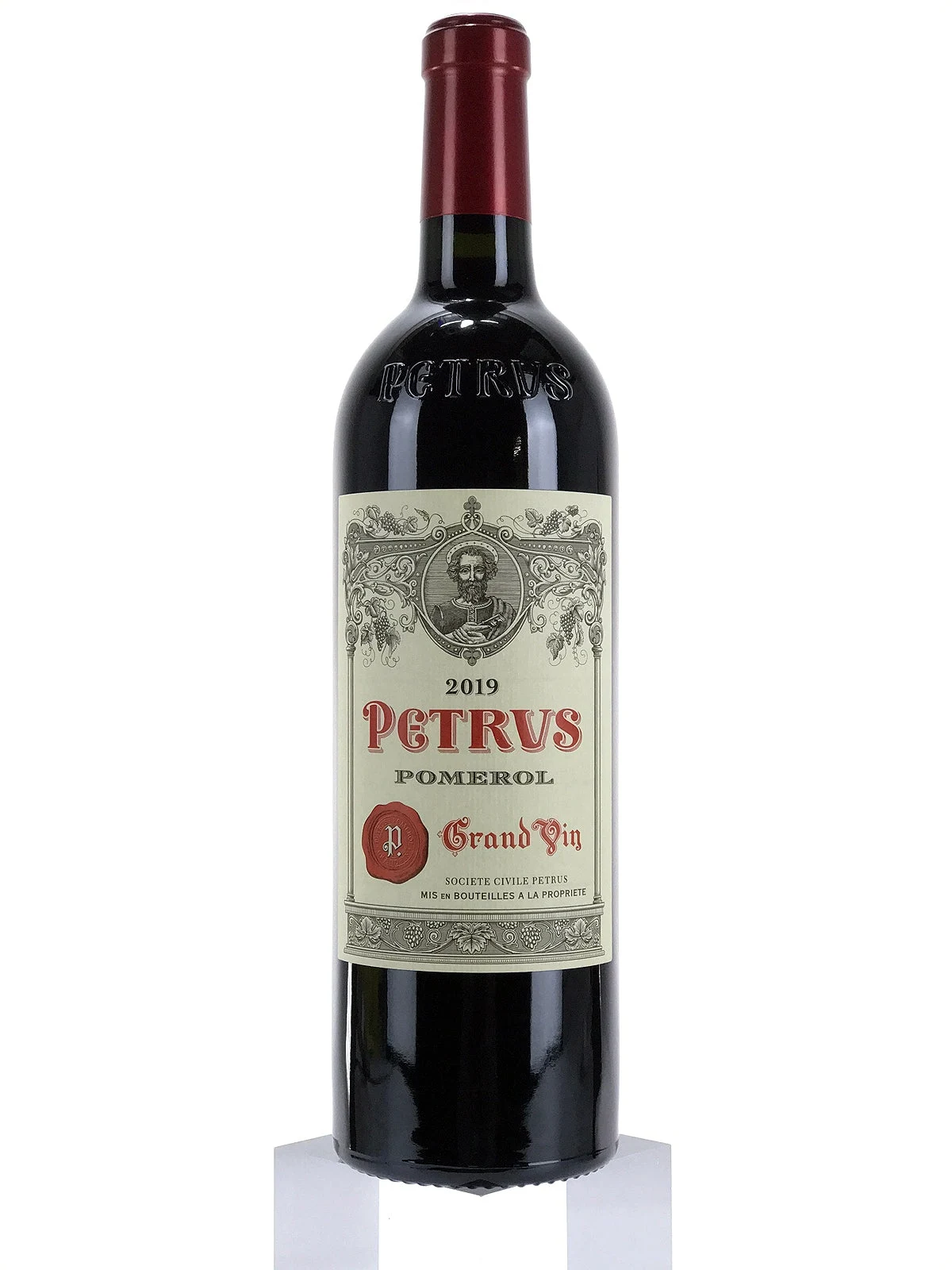
| Château La Fleur-Pétrus | Pomerol | · |
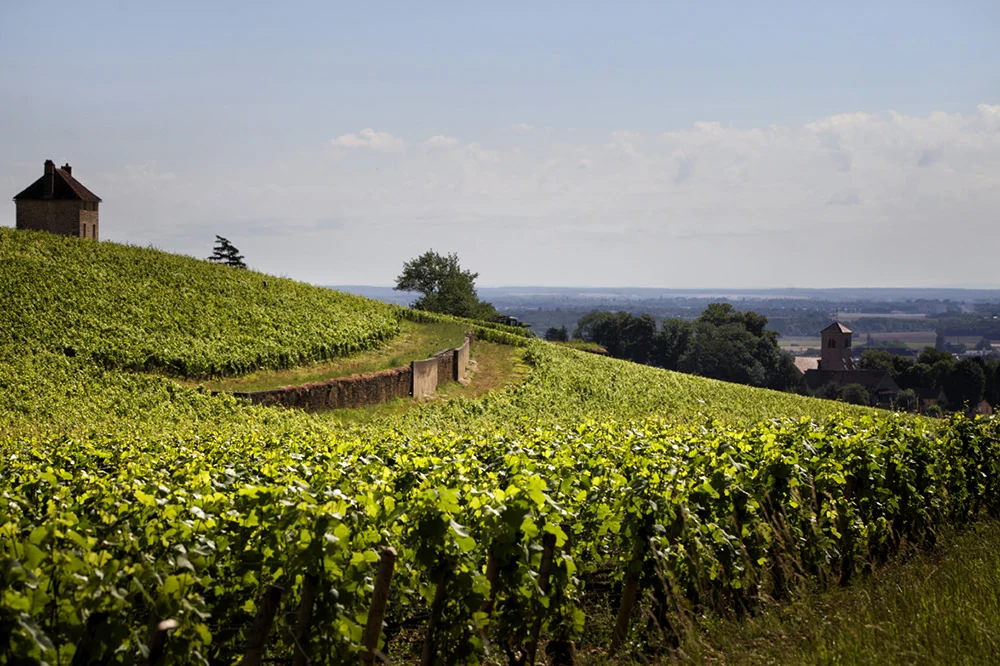
| Domaine Denis Mortet | Gevrey-Chambertin | · |
| Rippon Vineyard | Wānaka | World's 50 Best |
| Vieux Château Certan | Pomerol | · |