Nicole Lamarche, winemaker at Domaine François Lamarche in Vosne-Romanée, shapes Pinot Noir through round tannins and restrained élevage.
Skin tannins set the pace in the cellar. Nicole Lamarche, winemaker at Domaine François Lamarche in Vosne-Romanée, keeps them until they read as round, with Bourgogne treated apart from the longer élevage she prefers for the rest of the range. Sole responsibility passed to her in 2019, after earlier years in which she had already reshaped the work of the family domaine: total control of winemaking in 2007, leadership with Nathalie Lamarche in 2013, and the farming turn that began in 2010. The lineage reaches back to 1797, across fourteen generations, but the present discipline is not archival. It is cellar-side, vintage by vintage, in the way extraction is softened, new oak is restrained, and Pinot Noir is asked for red fruit rather than weight. From the 2018 vintage onward, labels carry Domaine Nicole Lamarche, a change that records her hand without cutting the thread to François Lamarche. La Grande Rue remains the central inheritance: a 1.65-hectare Grand Cru monopole in Vosne-Romanée, elevated in 1992, and still the parcel by which the house is most closely read.
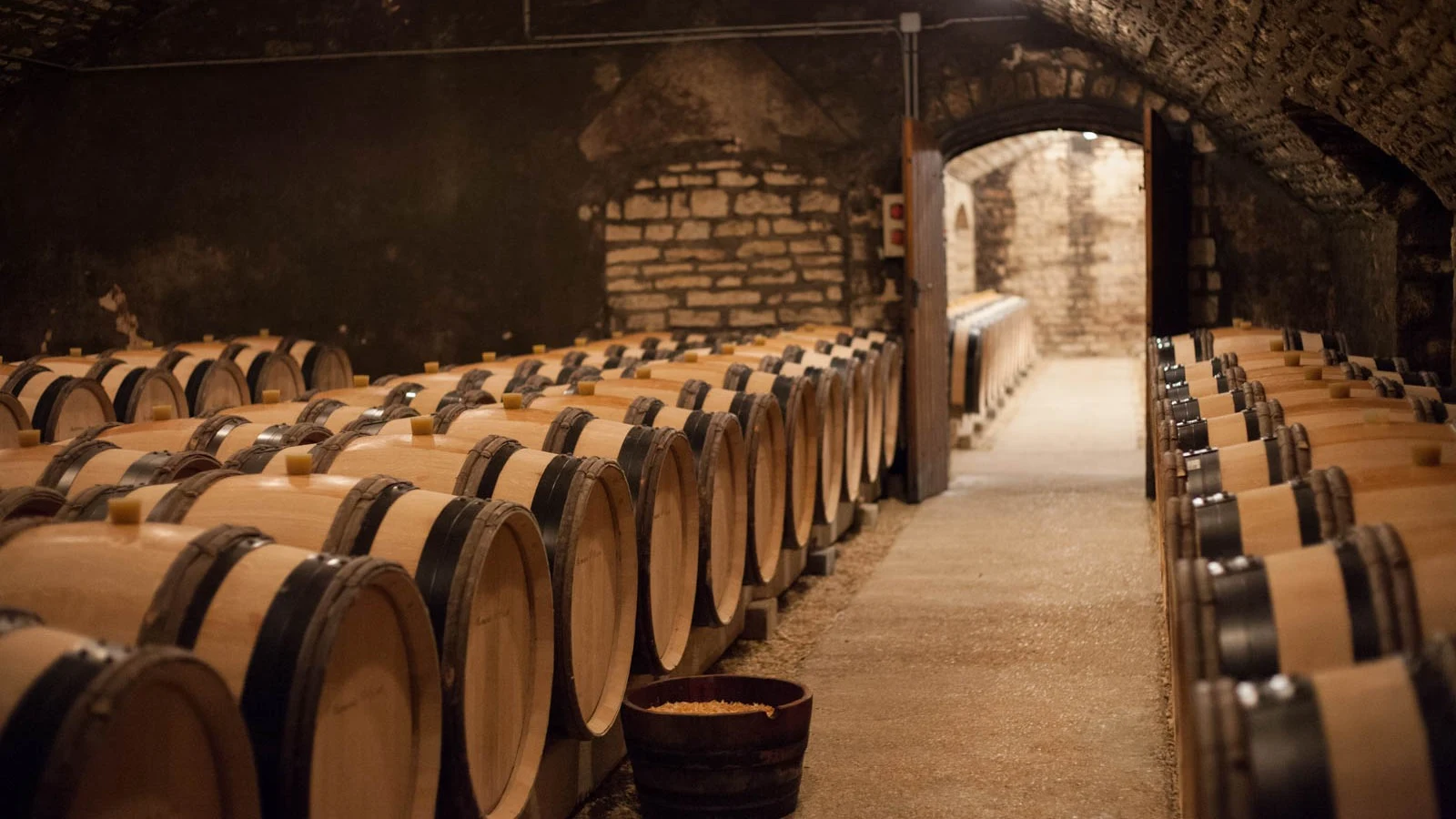
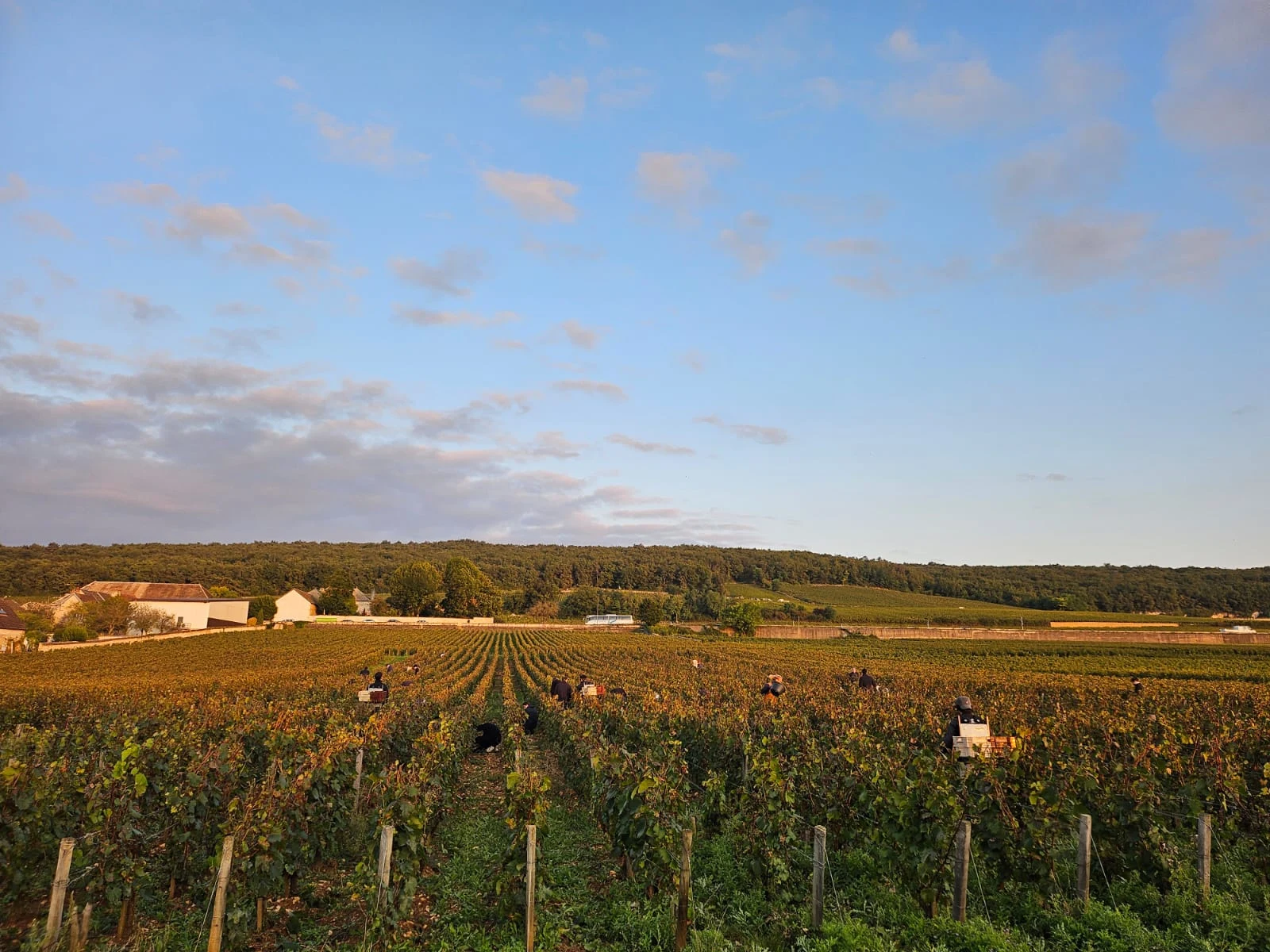
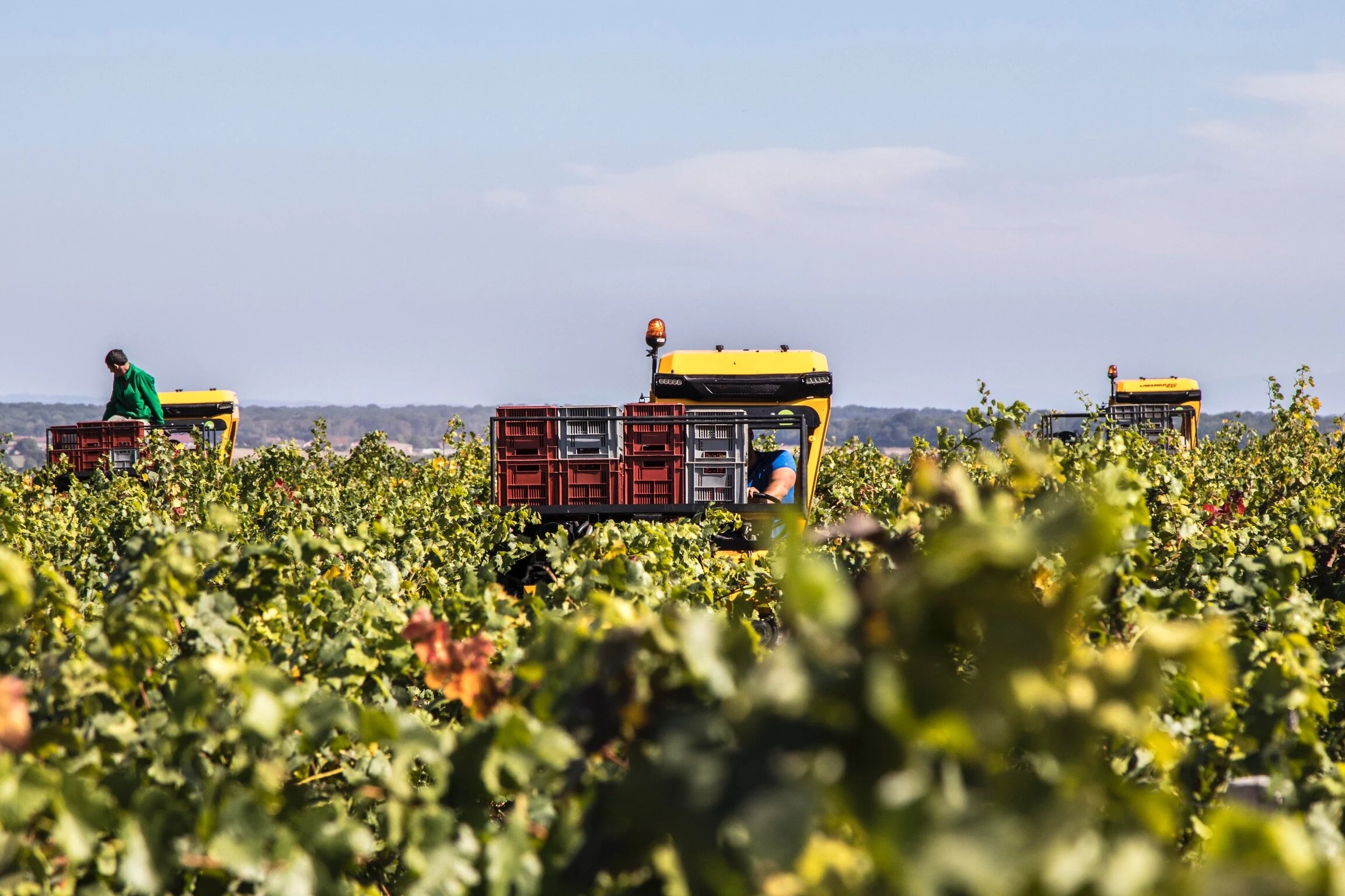
The method here begins before the vat. The domaine farms 11.23 hectares of estate-owned vines in Vosne-Romanée and Vougeot, with no purchased grapes, under organic certification and biodynamic practice. Harvest is by hand, sorting is strict, and picking comes early enough to keep freshness in warm years. In the cellar, Lamarche works with 30–50% whole bunches according to vintage; in 2017, the figure was 30%, and in 2018 it rose to 40%. Extraction is kept close to infusion, with the cap handled for line rather than mass. Alcohol is held below 14 degrees. Oak follows the same restraint: in 2018, new barrels accounted for 40% of Grands Crus, 30% of Premiers Crus, and 20% of Villages wines. The portfolio gives the method several tests. La Grande Rue stands beside Clos de Vougeot, Échézeaux, and Grands-Échézeaux, while Premier Cru parcels such as La Croix Rameau and Aux Malconsorts carry the same preference for transparency over density. Bourgogne is bottled earlier; the rest stays in élevage.
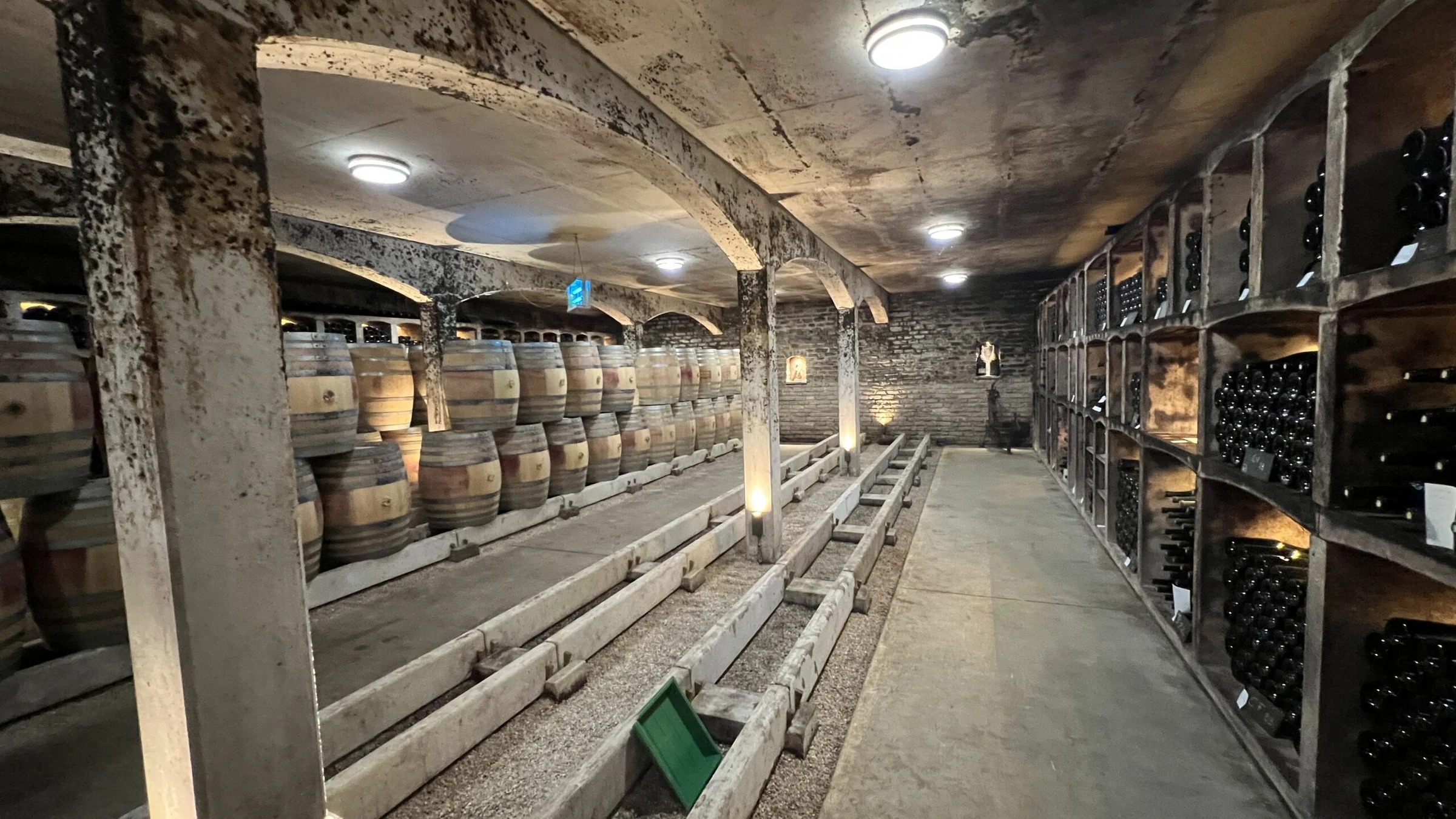
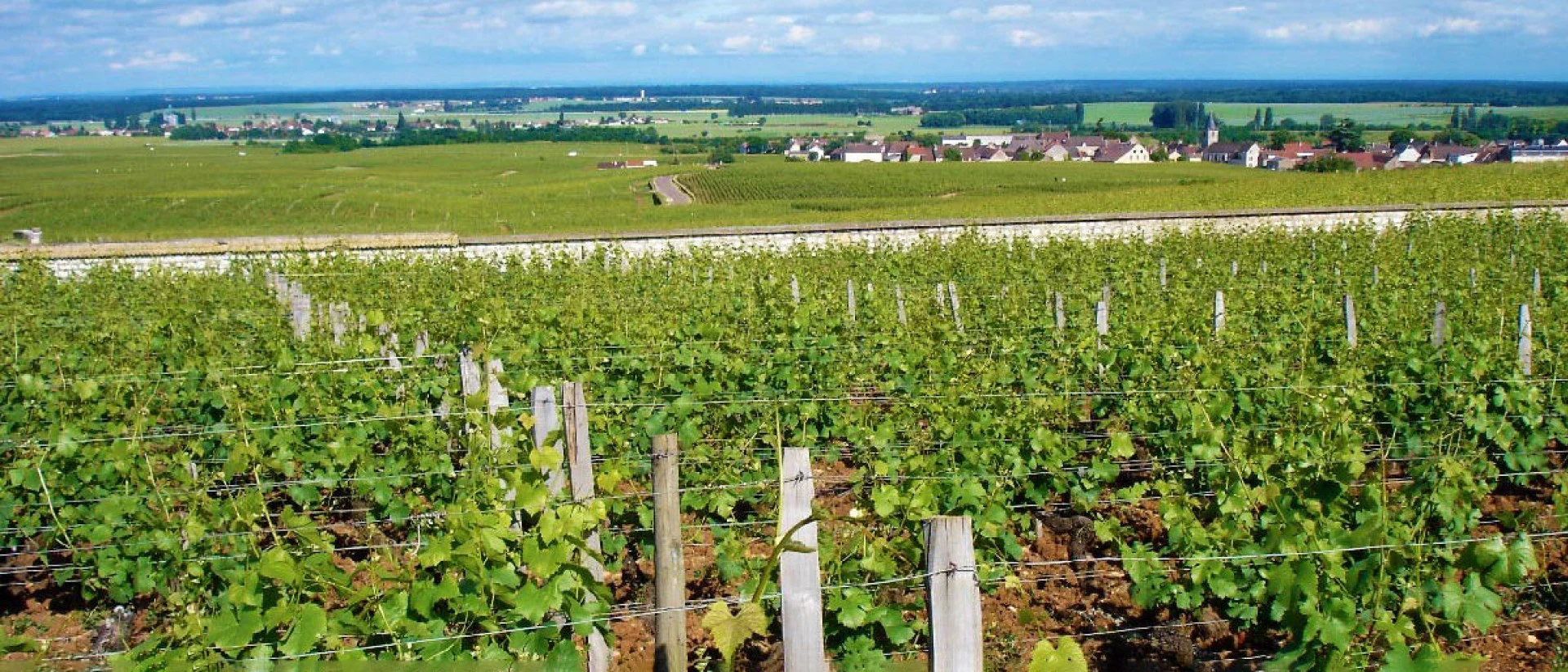
The estate sits in the village, among the Côte de Nuits vineyards that make Vosne-Romanée a place of small parcels and close attention. The cellar is quiet by temperament, not theatrical. Its pressure comes from proximity: La Grande Rue nearby, Vougeot parcels in the program, Pinot Noir moving through vessels with little appetite for disguise. The room’s atmosphere follows the wines, refined without gloss, more bench than stage. Chardonnay and Pinot Blanc appear in the domaine’s white plantings, but the house is read principally through its reds, their tannins, their red-fruit register, and the decision to let limestone and clay keep their edge. Nothing in the setting asks to interrupt the work.
The public name still often appears as Domaine François Lamarche, while the bottle now places Nicole Lamarche at the front. That distinction matters because the craft has changed inside continuity: organic farming, biodynamic practice, less new oak, more whole-bunch work when the vintage allows. The next measure is not a slogan, it is the next élevage. La Grande Rue remains the concrete test of the cellar, from its 1.65 hectares to the tannins Lamarche waits out before release.
Vosne Romanée, Bourgogne-Franche-Comté, Frankreich
Vosne-Romanée