Domaine Gadais Père & Fils
In Residence
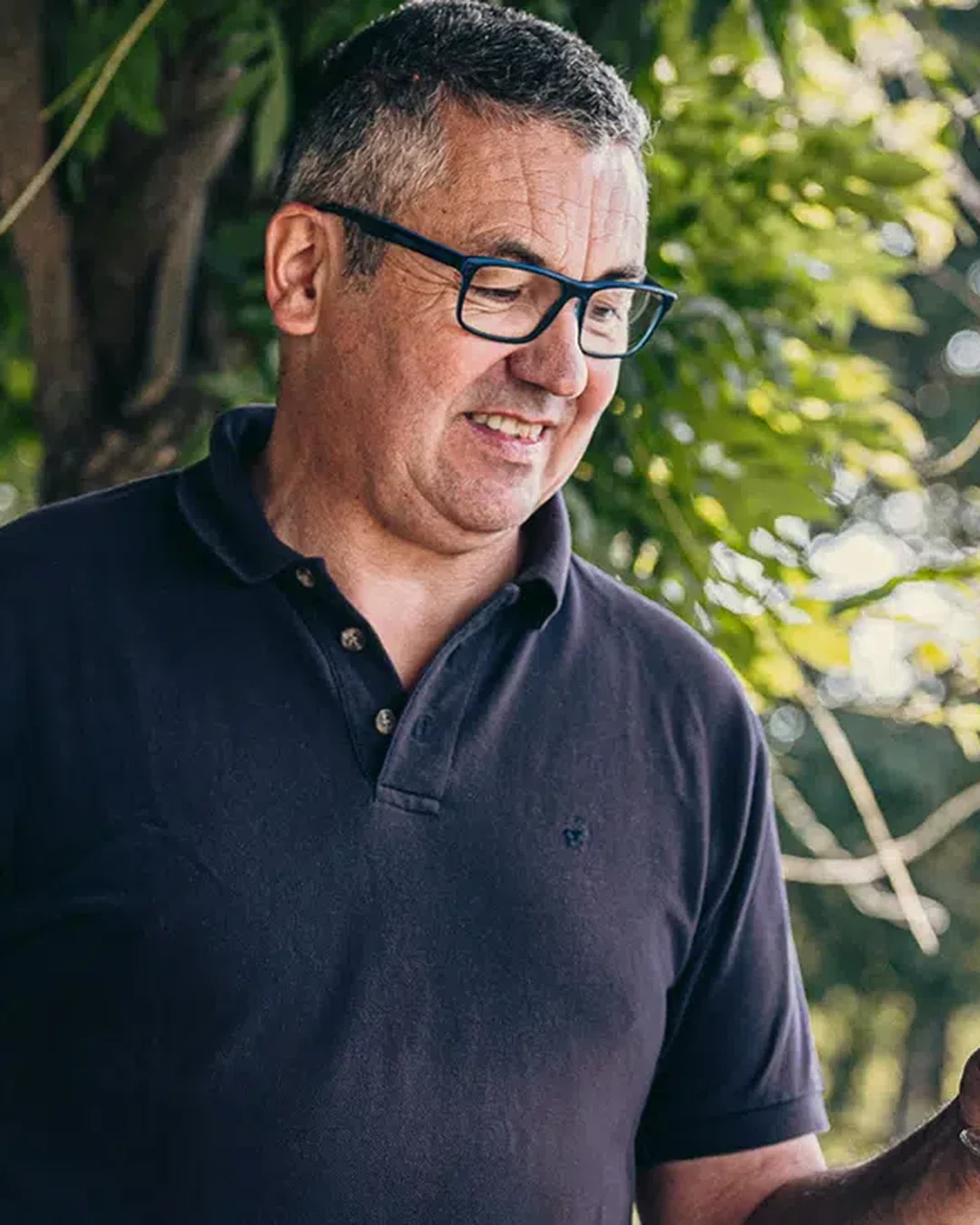
Christophe Gadais
Winemaker
- 01CitySaint Fiacre Sur Maine, France

- Falstaff Winery - Listed · 2026
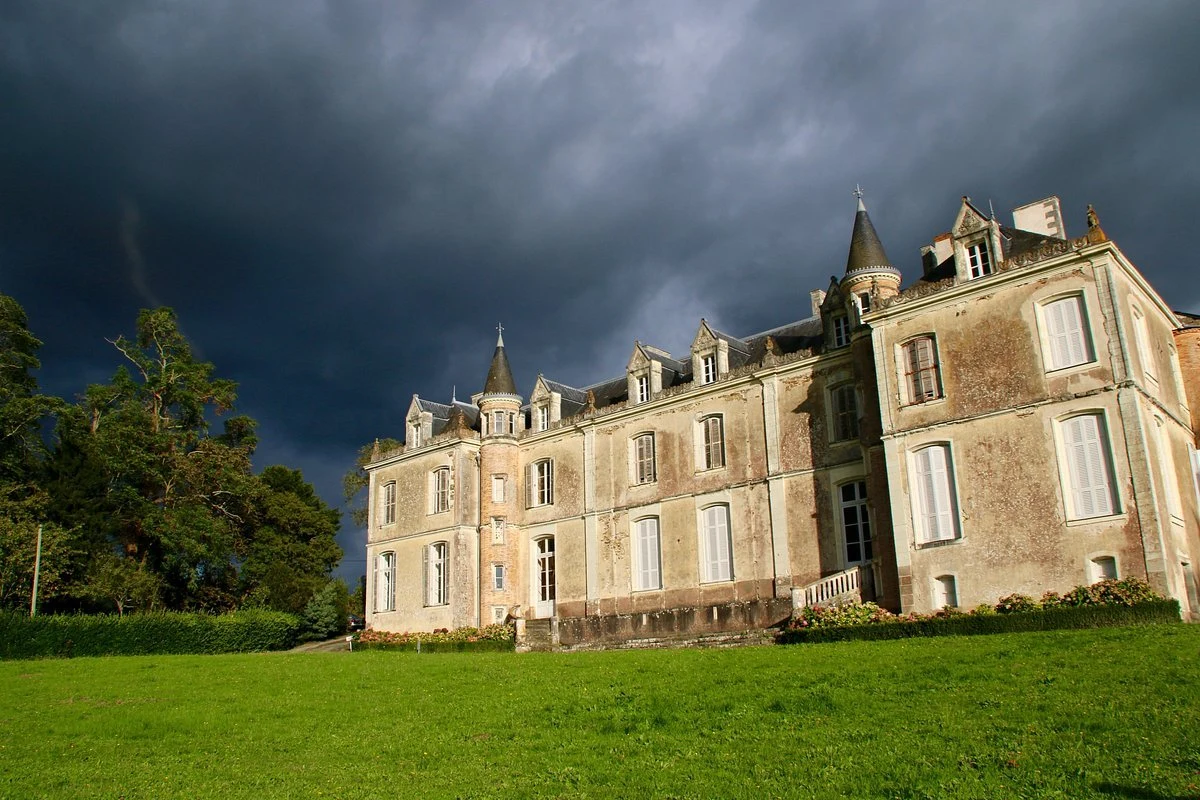
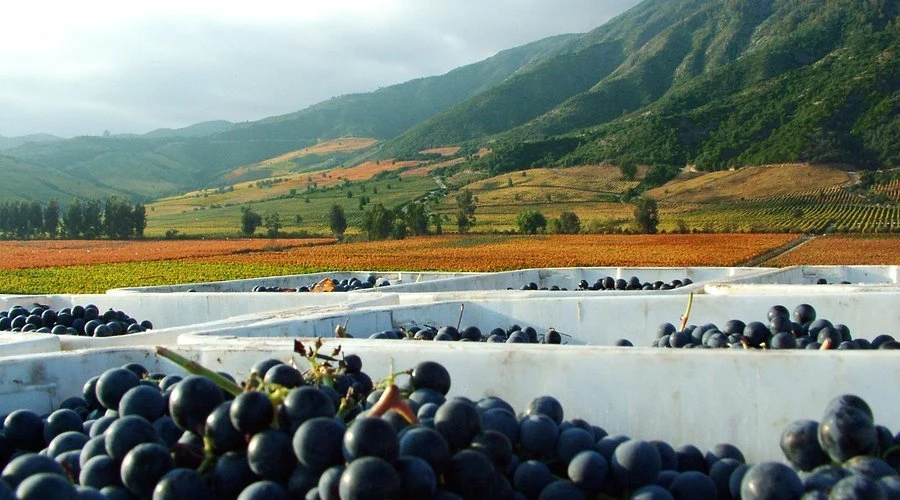
Saint Fiacre Sur Maine is not best understood through spectacle. For Domaine Gadais Père & Fils, the picture is quieter and more grounded: a family-run Loire Valley estate with a classic, traditional Muscadet focus. The atmosphere is rooted in terroir, heritage and craftsmanship rather than design drama, giving the place a calm, authentic and nature-oriented character.
That makes the estate a good fit for travellers who want a Muscadet stop framed by place and tradition. The confirmed profile does not support detailed claims about specific cuvées, acreage, founding dates, named soils, visit formats, scores or awards. What can be said with confidence is narrower but still useful: Domaine Gadais Père & Fils represents a classic, rustic and scenic Loire wine setting in Saint Fiacre Sur Maine, with Muscadet at the centre of its identity.
Melon de Bourgogne through gneiss, schist and amphibolite
The information for Domaine Gadais Père & Fils supports a traditional Muscadet focus, but it does not confirm a detailed technical account of grape varieties, parcels, soils, ageing regimes, named bottlings or cellar methods. For that reason, this guide treats the estate through the broader lens that is confirmed: a Loire Valley Muscadet address where terroir, heritage and craftsmanship define the experience.
In practical terms, the appeal is not a heavily staged hospitality concept. The estate’s character is described as classic and rustic, with a scenic, nature-oriented feel. Visitors interested in the region should approach it as a place where Muscadet is presented through continuity and landscape rather than through theatrical design or a nightlife-style atmosphere.
Those details may matter to serious wine travellers, but they should be checked directly with the estate or current official materials before planning around them.
A family estate with more history than performance
Domaine Gadais Père & Fils is as a family-run Loire Valley estate. That family identity is central to the tone of the place: calm, traditional and connected to the agricultural setting of Saint Fiacre Sur Maine. The emphasis is on Muscadet, terroir and craft rather than on a design-led destination experience.
This distinction matters for expectations. A visit or inquiry should be framed around wine, landscape and Loire heritage, not around a restaurant-style service promise, a luxury venue concept or a confirmed programme of events.
Price is listed as $$, which gives a broad sense of positioning without confirming individual bottle prices, tasting fees or package costs. Anyone planning a visit should verify current opening arrangements, pricing and availability through the venue’s own channels, since those operational details are not confirmed in the data used.
How to read the visit in the wider Saint Fiacre Sur Maine context
For a Saint Fiacre Sur Maine itinerary, Domaine Gadais Père & Fils is best placed in a wine-focused day rather than treated as an all-purpose dining or nightlife stop. Its strengths are atmosphere and identity: family-run, traditional, Muscadet-focused, calm, rustic and scenic. That makes it especially relevant for travellers who prefer agricultural context and regional character over polished spectacle.
The surrounding area can be approached generically as part of a broader Saint Fiacre Sur Maine wine and hospitality plan. Other local dining, lodging and bar options should be checked separately, because this guide does not verify that Domaine Gadais Père & Fils itself provides restaurant service, hotel rooms or late-night drinking. Keeping those categories separate helps avoid overpromising what the estate is known to offer.
The editorial case for Domaine Gadais Père & Fils is therefore simple: it is a classic family Loire estate in Saint Fiacre Sur Maine with a traditional Muscadet focus and a calm, nature-oriented feel. Travellers looking for that kind of grounded regional experience will understand the appeal. Travellers looking for confirmed menus, formal service formats, awards, scores or highly specific cellar details should seek current information directly before relying on any of those points.
Questions
Frequently asked
Who works at Domaine Gadais Père & Fils?
Made By profiles Christophe Gadais (Winemaker) at Domaine Gadais Père & Fils.
How expensive is Domaine Gadais Père & Fils?
Domaine Gadais Père & Fils is listed at a price level of $$.
The field
How it compares
| Place | Notes | Awards |
|---|---|---|
| Domaine Gadais Père & Fils | Saint-Fiacre-sur-Maine, $$ | · |
| Château du Coing-de-Saint-Fiacre | Saint Fiacre Sur Maine | · |
| Chéreau Carré | Saint Fiacre Sur Maine | · |
| Domaine Leflaive | Puligny-Montrachet | · |
| Klein Constantia | Cape Town | World's 50 Best |
| Marqués de Murrieta | Logroño | World's 50 Best |
| Viña Montes | Santa Cruz | World's 50 Best |