Philippe Girard, winemaker at Domaine Girard in Alaigne, farms Malepère fruit for fresh, oak-restrained wines with careful restraint.
The Malepère rouge stays away from oak at Domaine Girard in Alaigne, France, where Philippe Girard works as winemaker. That decision puts the fruit, the clay-limestone ground and the friable grès sandstone of the appellation directly in the glass, without the cellar asking for attention first. The Girard family first established vines here in 1928, and the estate now sits in its fifth generation, still tied to the village of Alaigne in the Aude. Girard carries the role as owner and vigneron, an independent grower working across AOP Malepère, AOP Limoux and IGP Pays d’Oc. What it does state is the longer discipline, one generation handing the ground, the harvest and the cellar to the next. In Malepère, that ground matters. The old phrase mauvaise pierre, bad stone, names a friable sandstone that lets roots work down through fragile material. Around it are clay-limestone soils, higher-elevation vineyards and the meeting of Mediterranean warmth with oceanic influence moving in from the Pyrenees foothills. Girard’s station is not only the cellar. It is the vineyard before the pass.
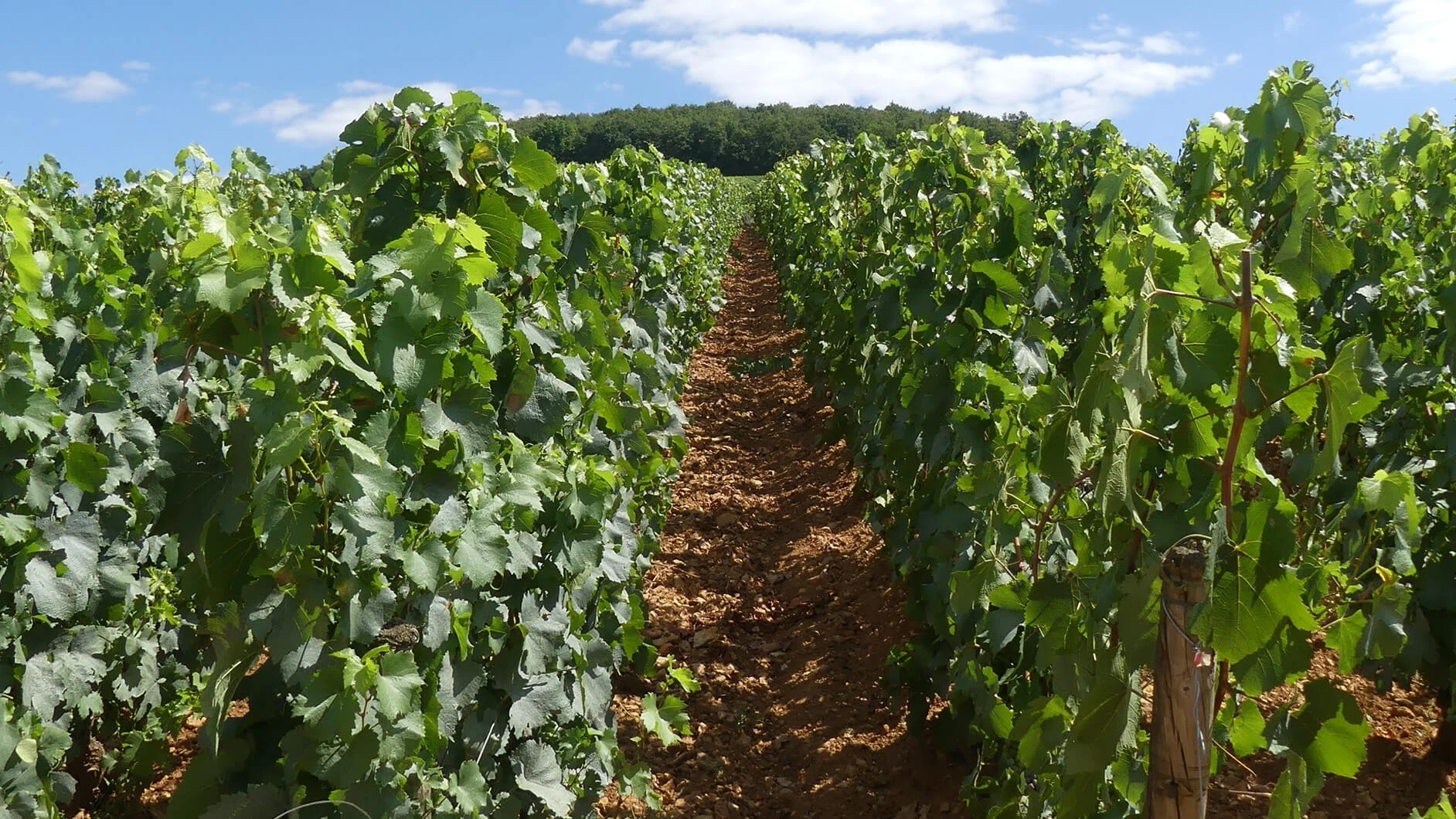
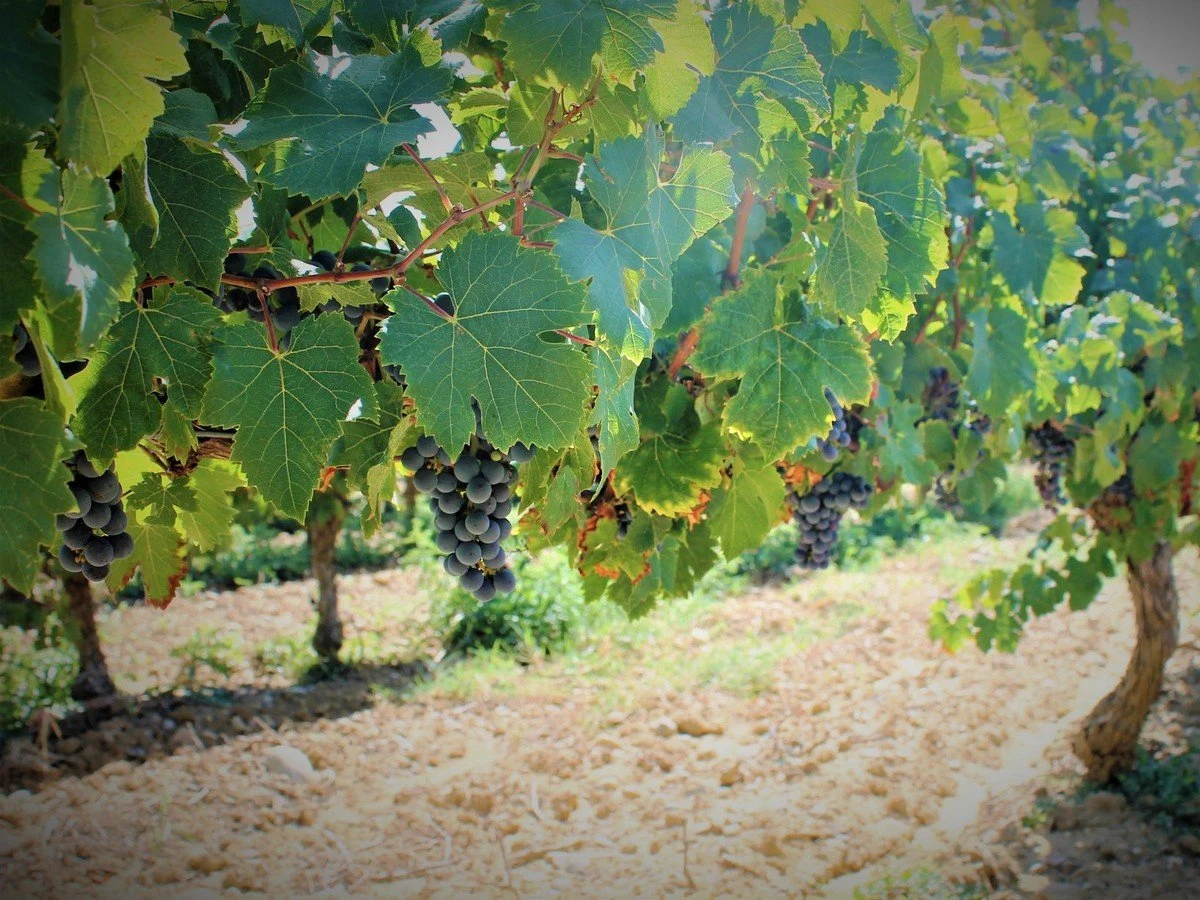
The estate farms roughly 30 hectares in AOC Malepère and IGP Pays d’Oc, with sustainable practice as the working method rather than a decorative claim. Merlot, Cabernet Franc and Malbec give the Malepère reds their Bordeaux inflection; Pinot Noir and Chardonnay sit in the Pays d’Oc range, grown here with the help of altitude and slower ripening. The house’s AOC Malepère Rouge is built from Merlot and Cabernet Franc and sees no oak aging, a plain cellar choice that keeps the wine closer to its fruit, acidity and structure. The Chardonnay also avoids oak influence, taking richness instead from time on the lees, with apple and pear notes held inside a medium-bodied frame. These are not heavy-handed Languedoc wines chasing warmth. The method leans toward freshness, even ripening and restraint, using the peculiar position of Malepère to carry cool-climate shape inside southern France. The estate’s published range is focused rather than broad, with still red, white and rosé wines drawn from its own vineyards and shaped around the altitude, sandstone and clay-limestone under the vines.
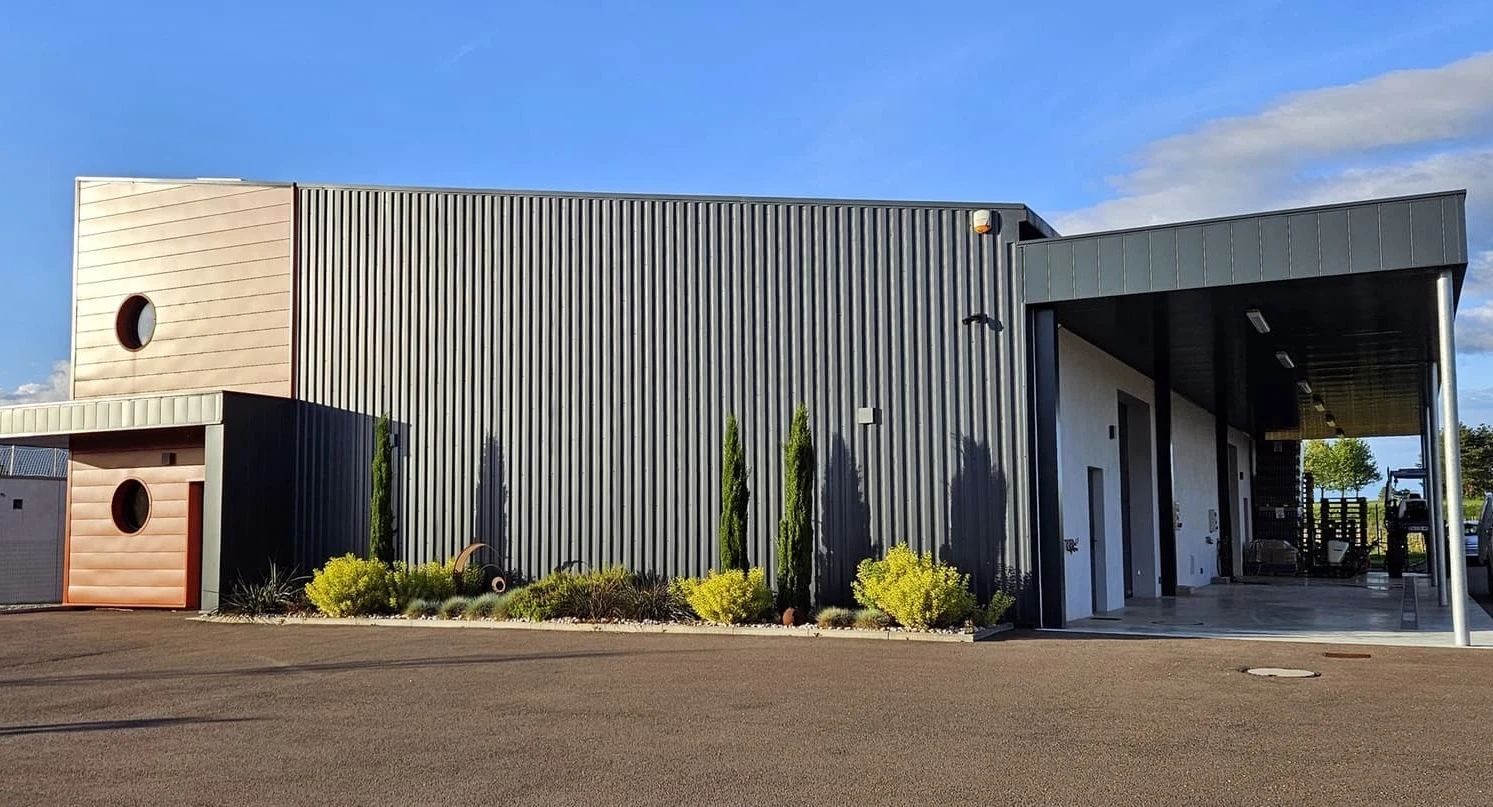
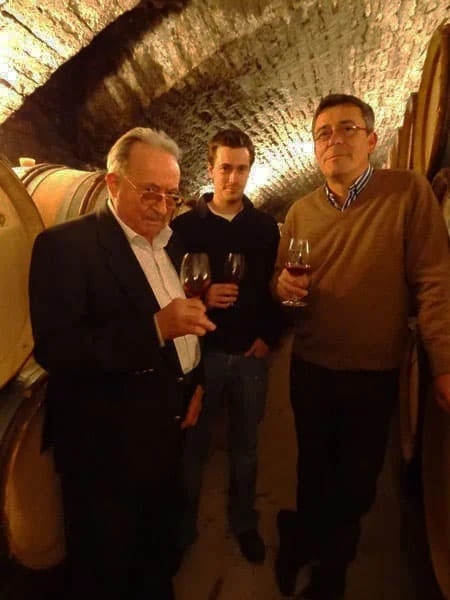
The room here is a working winery before it is a tasting address. Alaigne gives the estate its quiet scale: a family property in the Malepère hills, close to the Pyrenean influence that moderates the growing season, with cellar tastings set around the wines rather than design. The pace is low. In the cellar and tasting room, the emphasis returns to the same materials that govern the vineyard, stone, altitude, oceanic air, Mediterranean sun. The estate’s character is rustic in the useful sense, not staged; the visitor meets the bottles near the work that made them. Noise stays low because the place has no need to perform. The discipline is in the farming, the blending and the refusal to dress every cuvée in oak.
Domaine Girard matters most as a Malepère address that keeps the appellation’s unusual register legible. Since 1928, the family has worked a corner of Languedoc where Cabernet Franc, Merlot, Malbec, Pinot Noir and Chardonnay can keep lift when the vineyard work allows it. Girard’s next argument is likely to remain the same one, made vintage by vintage through Malepère Rouge.
Alaigne, Occitanie, Frankreich