Chef in Residence
Jean-Claude Lapalu
Winemaker
At Domaine Jean-Claude Lapalu in Saint Etienne La Varenne, Jean-Claude Lapalu makes natural Gamay as the winemaker there.
Jean-Claude Lapalu keeps the cap from oxidising by pressing it occasionally during long amphora élevage; as winemaker at Domaine Jean-Claude Lapalu in Saint Etienne La Varenne, he works from the family ground at the foot of Mont Brouilly. Jean-Claude Lapalu settled at the Beaujolais domain in 1982, then made the domaine as an independent act in 1996, after working as a grape grower who sold to the local cooperative. He calls that moment creation, not inheritance: “No, it’s creation that began almost 25 years ago – 1996.” The distinction fits the place. The line is familial: he is a third-generation winemaker, and the domaine’s present discipline comes from his decision to stop handing fruit over and begin signing the wine himself. He attended wine school in Charentay, then spent 5–6 years removing the additives and cellar reflexes he had learned there. The apprenticeship, in that sense, turned back toward the vines, the cellar, and the refusal to correct what careful farming could carry.
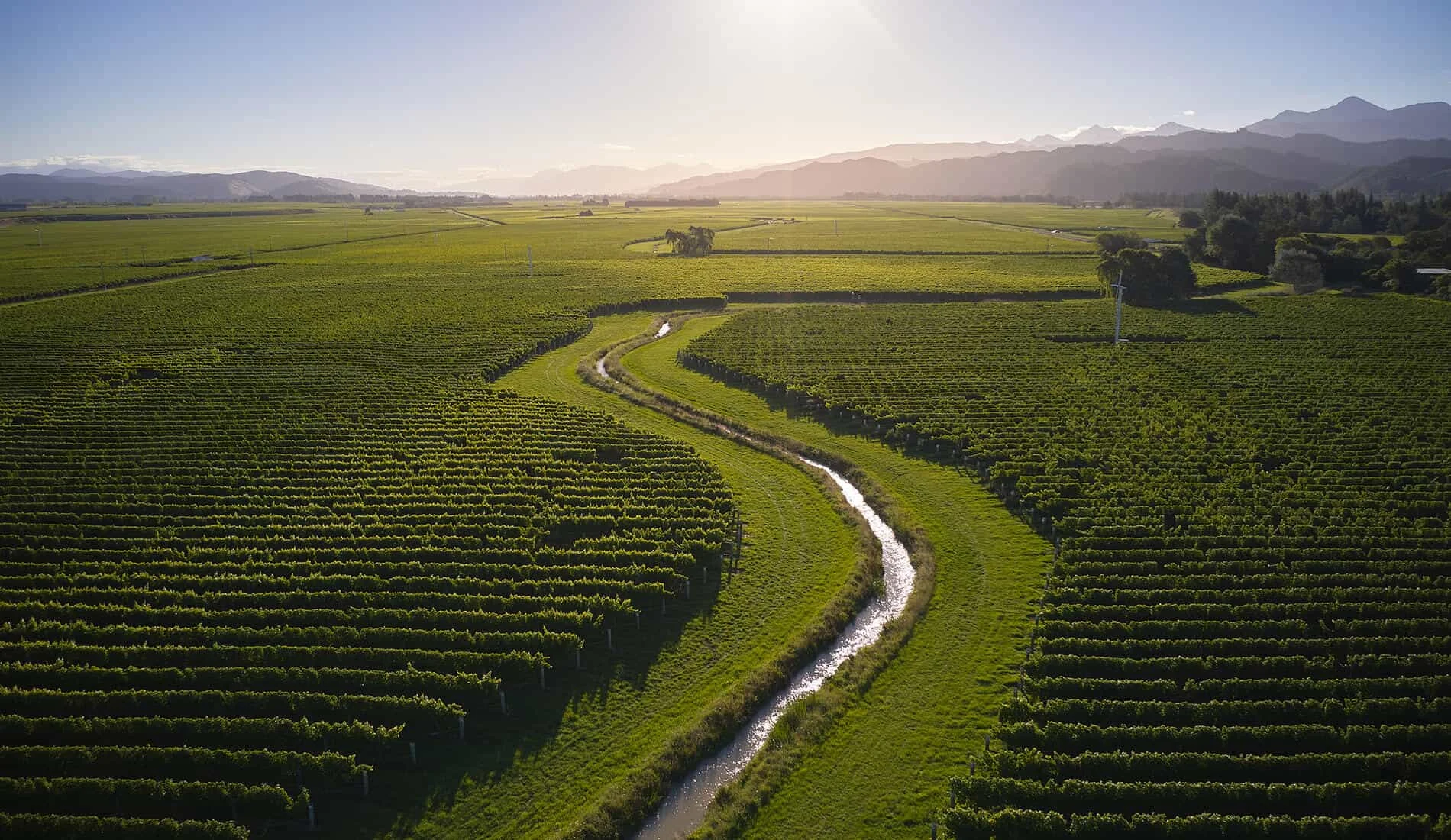
The domaine farms approximately 12 hectares, with vines running from Mont Brouilly toward Odenas and Saint-Étienne-la-Varenne. Gamay is the central language here, rooted in granite and sandy-granite soils, with east- and southeast-facing parcels and old vines commonly given as 50–100+ years of age. Some parcels date to 1900. Organic certification came through Ecocert in 2010, and biodynamic methods now sit inside the work, not as ornament but as daily farming. In the cellar, Lapalu works with native yeasts, often using 80% whole-bunch fermentation for reds with 20% carbonic maceration of destemmed grapes. Certain cuvées see no sulfur at all; others receive 10 mg/l at bottling. He does not fine or filter. The scale remains that of a small artisan domaine, about 60,000 bottles annually, with the main cuvées carrying the place plainly: Beaujolais-Villages Vieilles Vignes, Brouilly Vieilles Vignes, Côte de Brouilly, Beaujolais Blanc, and Alma Mater.
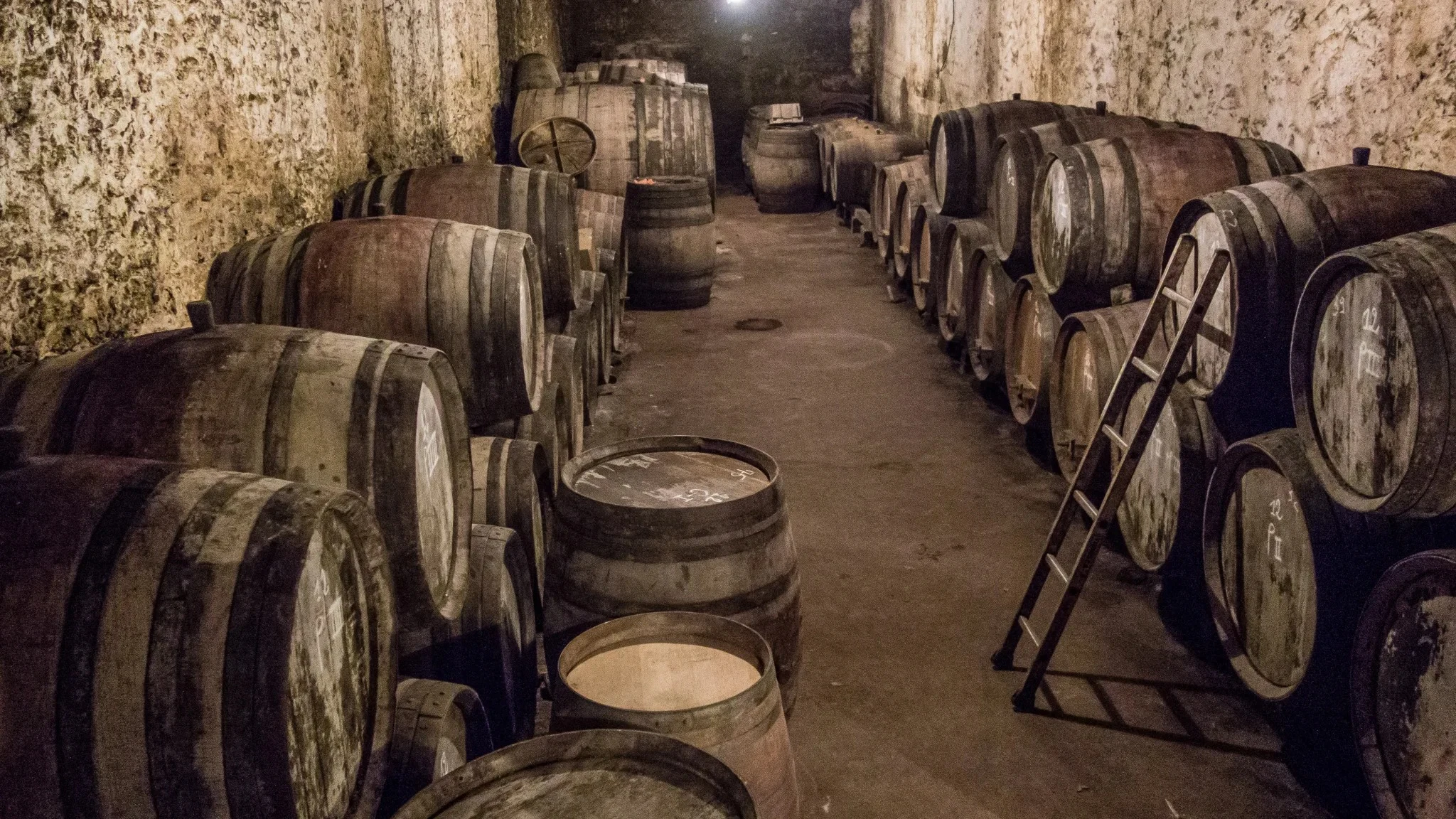
The method changes by cuvée, which is part of the discipline. Some wines rest for 5–6 months in old oak barriques. Others stay in tank. Alma Mater can spend up to 7 months in earthen jars, where the wine ferments and matures with little handling beyond the occasional pressure on the cap. Beaujolais-Villages Vieilles Vignes is described from 60–80-year-old vines on sandy-granite soils and aged 6–7 months on fine lees. For the white, Lapalu buys Chardonnay grapes because, as he puts it, “I don’t have soil for whites”; in a vintage with modest acidity, he keeps gas to hold balance. That sentence says a great deal about the bench-side intelligence of the place. The decision is small, technical, and made in answer to the year.
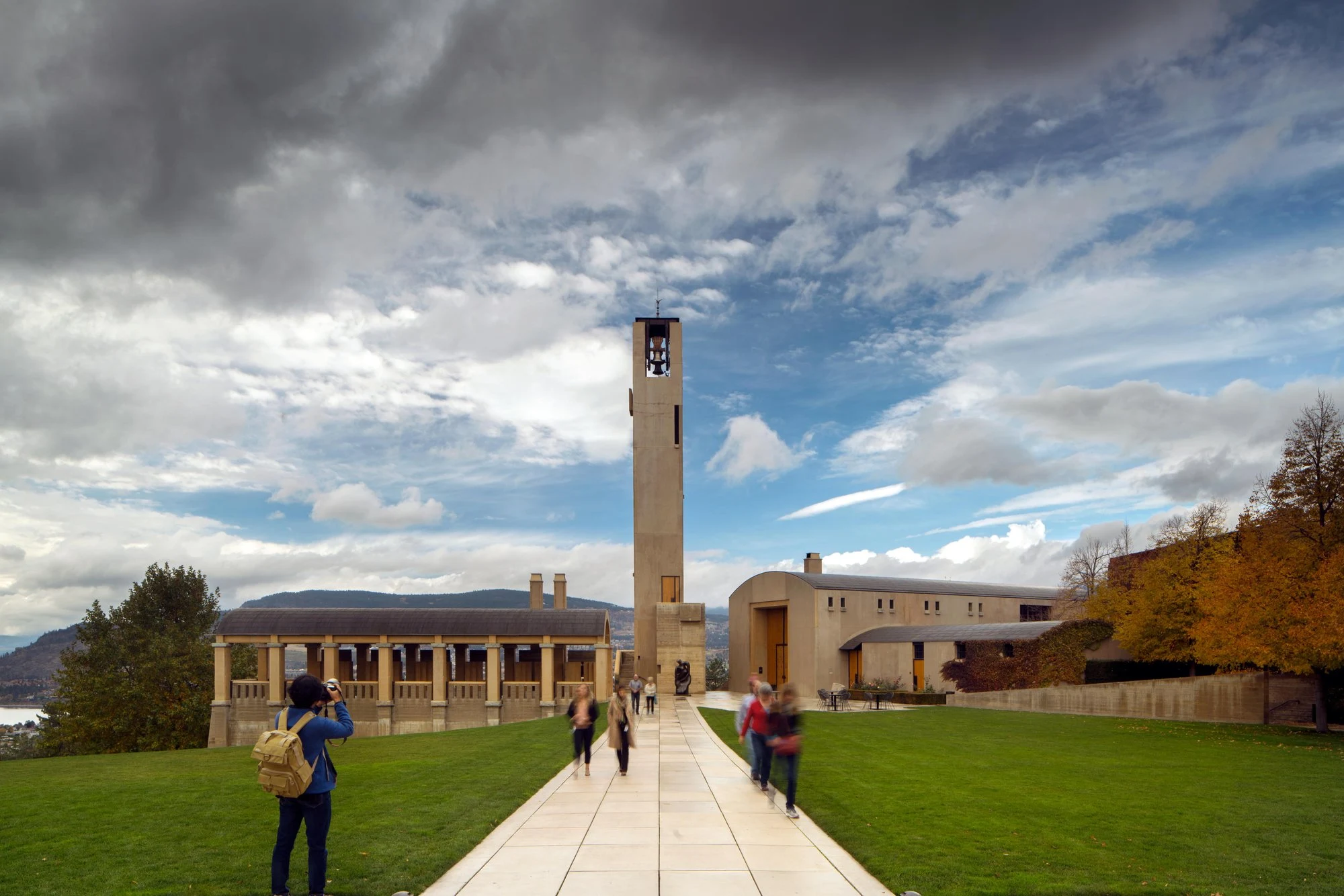
The cellar is modest, rural, and built for production rather than theatre. Around Les Quatre Croix and Le Petit Vernay, the work stays close to the vineyard, with Mont Brouilly setting the slope and the old Gamay carrying the weight of the program. There is no need to polish the room into a performance when the sequence is already exacting: farm the parcel, bring in fruit, choose the vessel, leave the wine alone where leaving alone is the harder choice. The house holds its attention on the same names vintage after vintage, and the line to follow ends in the glass with Brouilly Vieilles Vignes.
Saint-Étienne-la-Varenne, Auvergne-Rhône-Alpes, Frankreich
Saint-Étienne-la-Varenne