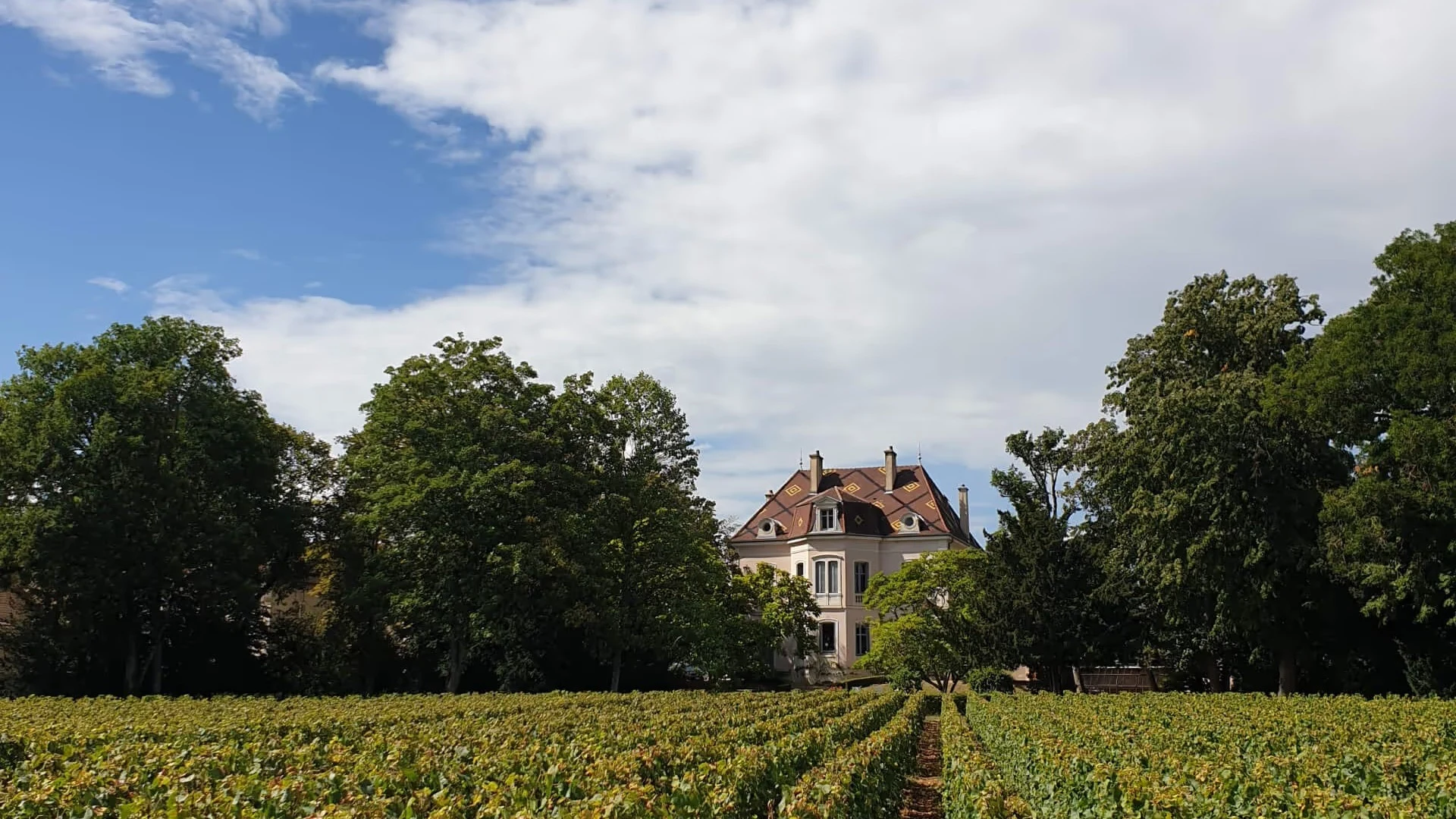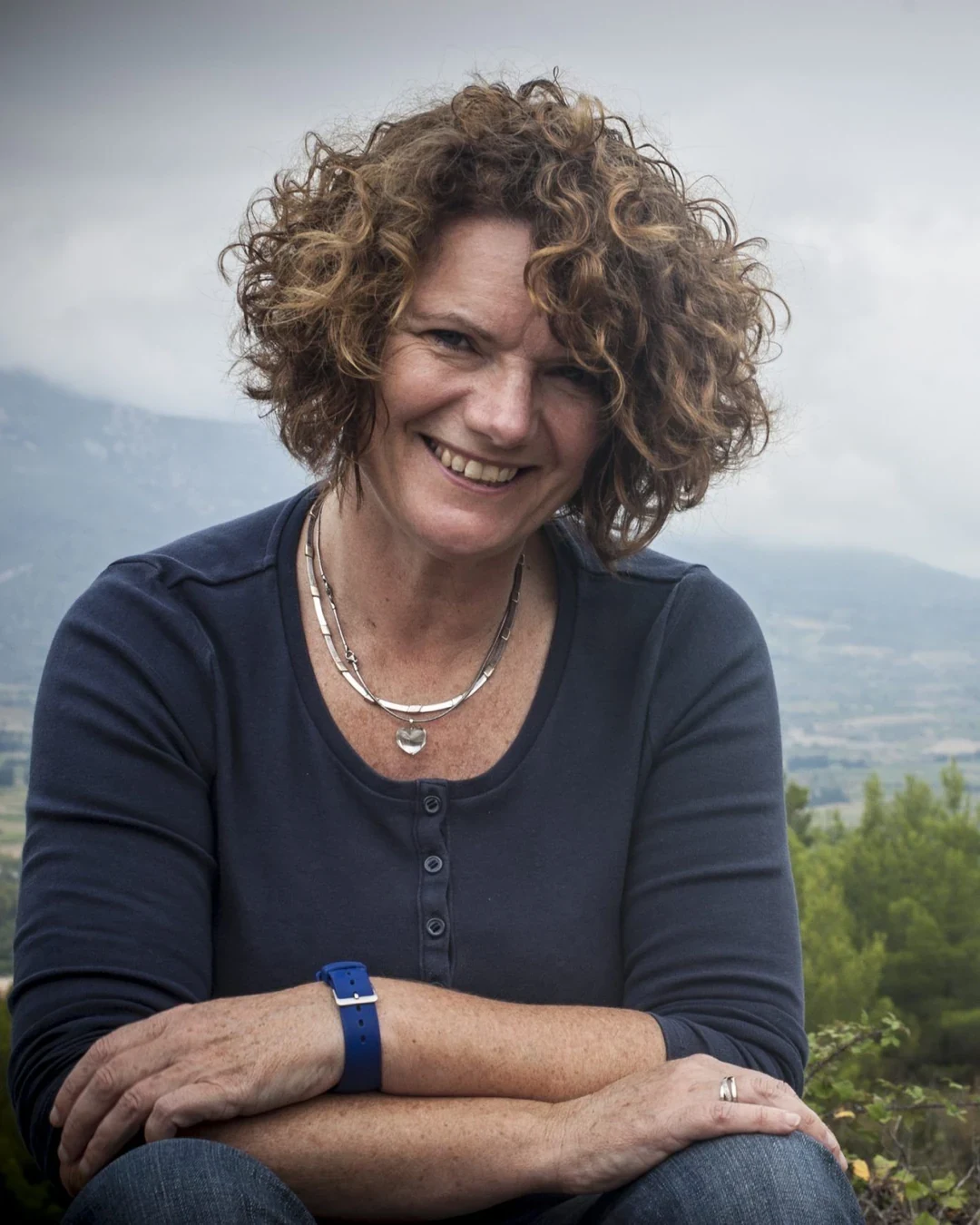
Katie Jones, winemaker at Domaine Jones in Tuchan, works old-vine parcels by hand and keeps each site separate in the cellar.
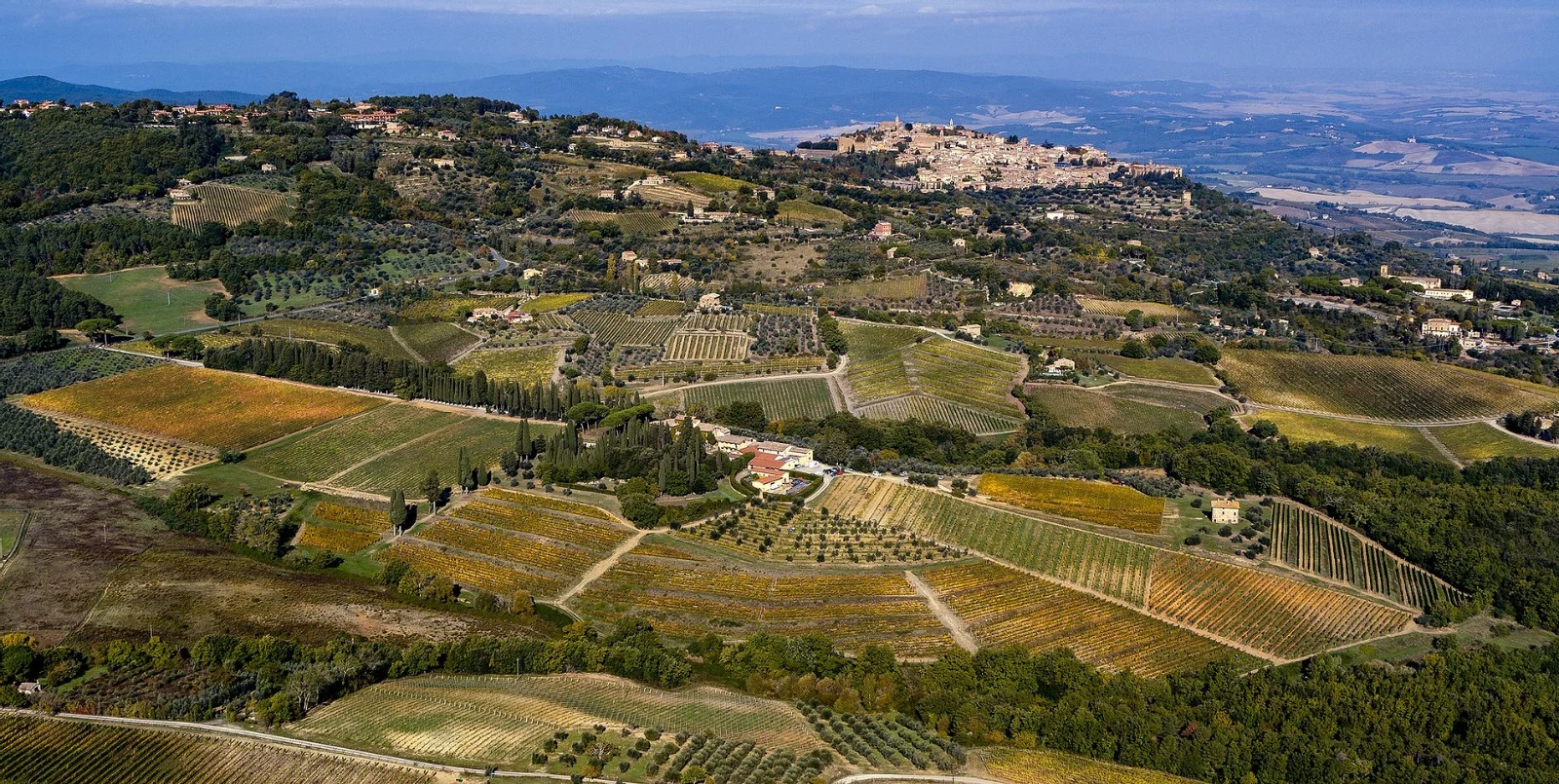
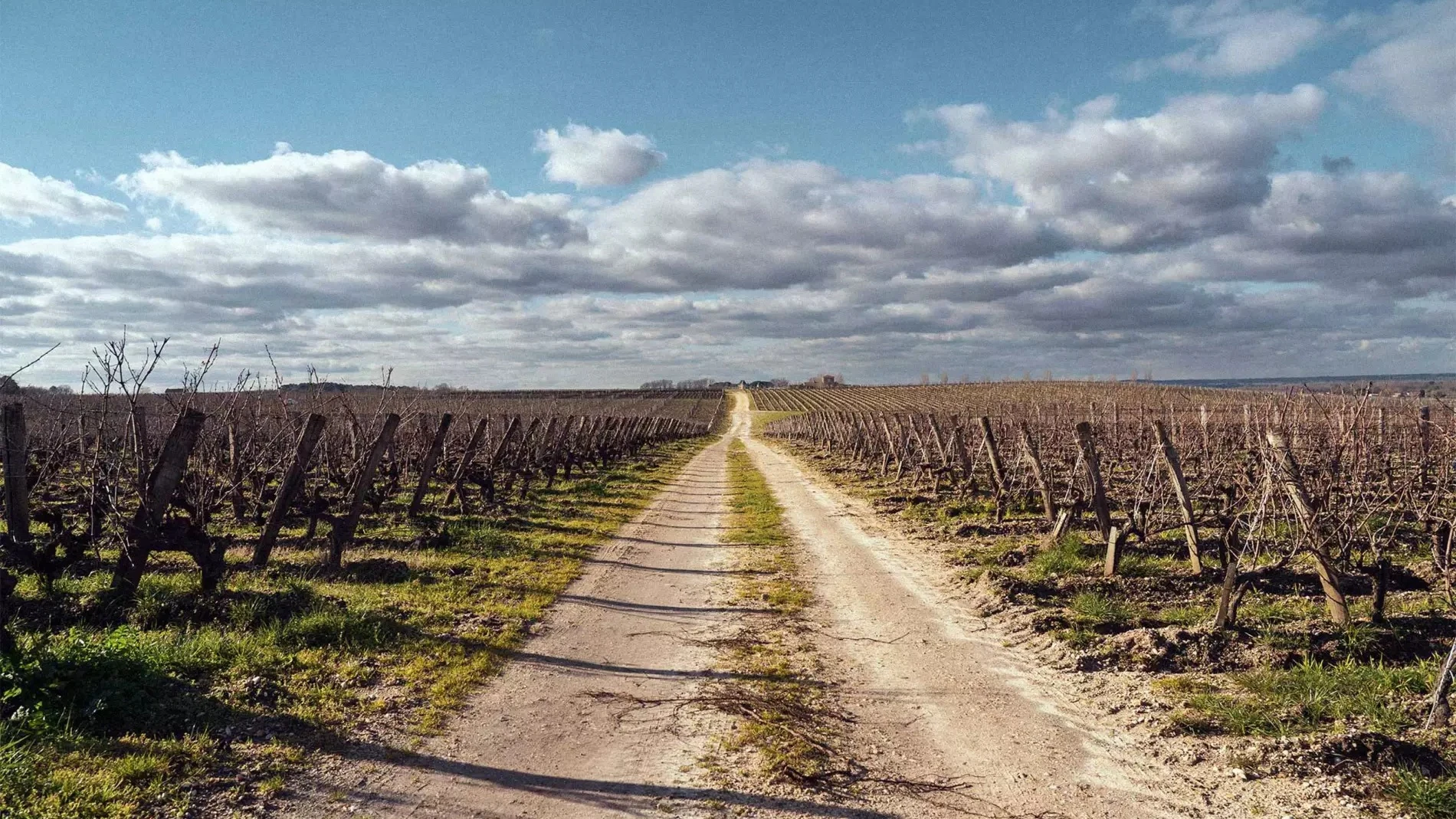
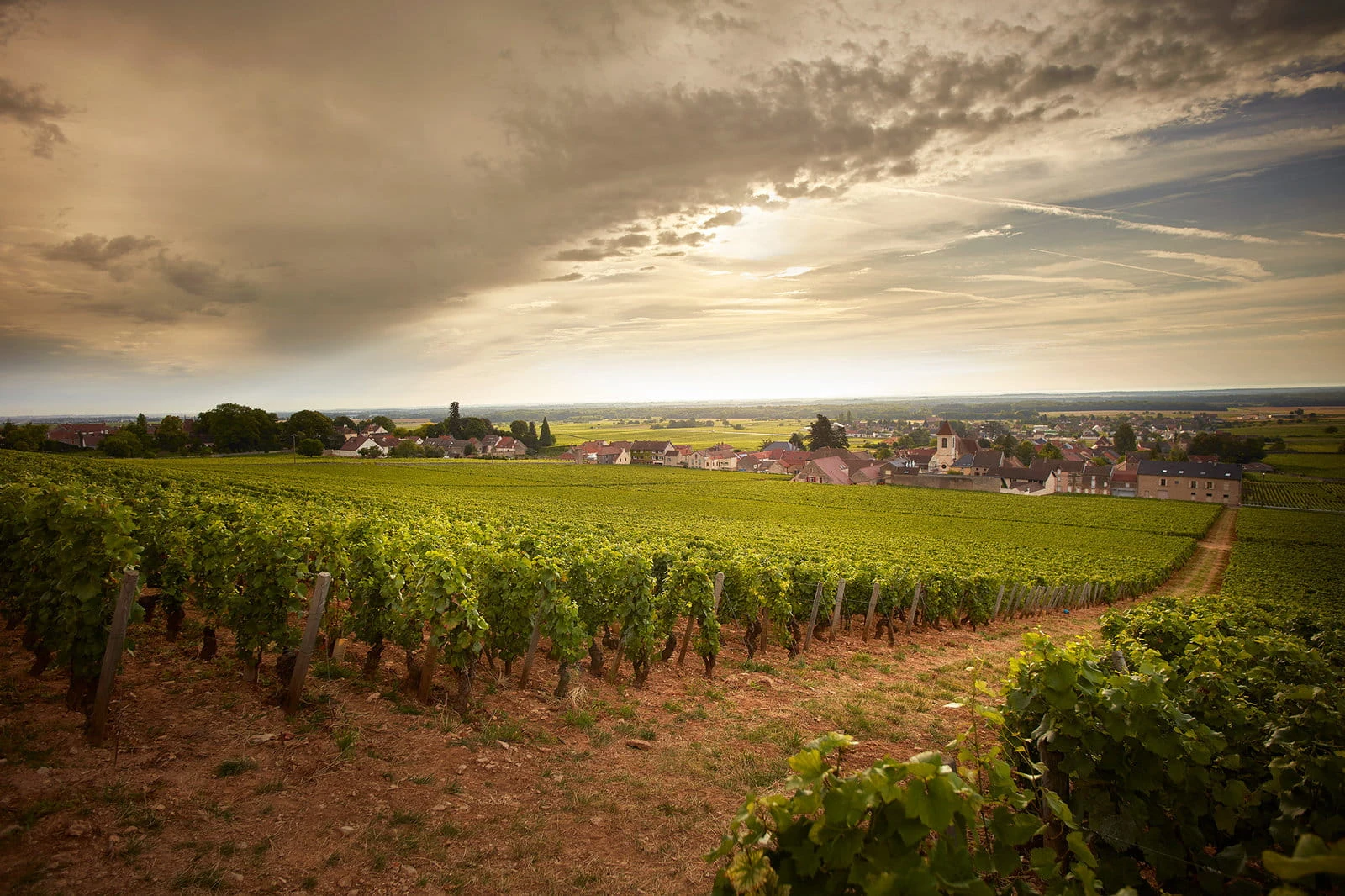
Hand-picked grapes cool overnight before pressing at La Gare, where Katie Jones works as winemaker at Domaine Jones in Tuchan. Her route to this cellar passed through cooperative work in the village, then the purchase of her first vineyard in 2009, before the estate took its present shape around small parcels and local varieties. The place was founded in 2008, but its bench is older than that date suggests. Jones works with vines that are mostly over 100 years old, including 120-year-old Carignan, on poor sloping ground where limestone and schist keep the yields low. The estate covers about 14 hectares, spread through remote parcels around Tuchan rather than gathered into a single convenient block. That distance matters. Most of the work, including harvest, happens by hand because the plots are small, steep, and difficult to reach. Jones has been clear about seeking vineyards no one else wants, the parcels too awkward or too exposed for easier farming. At Domaine Jones, that choice becomes method rather than romance: old Carignan, Grenache Noir, Lledoner Pelut, Syrah, Grenache Gris, Grenache Blanc, Macabeu, Muscat, and Carignan Gris, each held close enough to keep its origin legible.
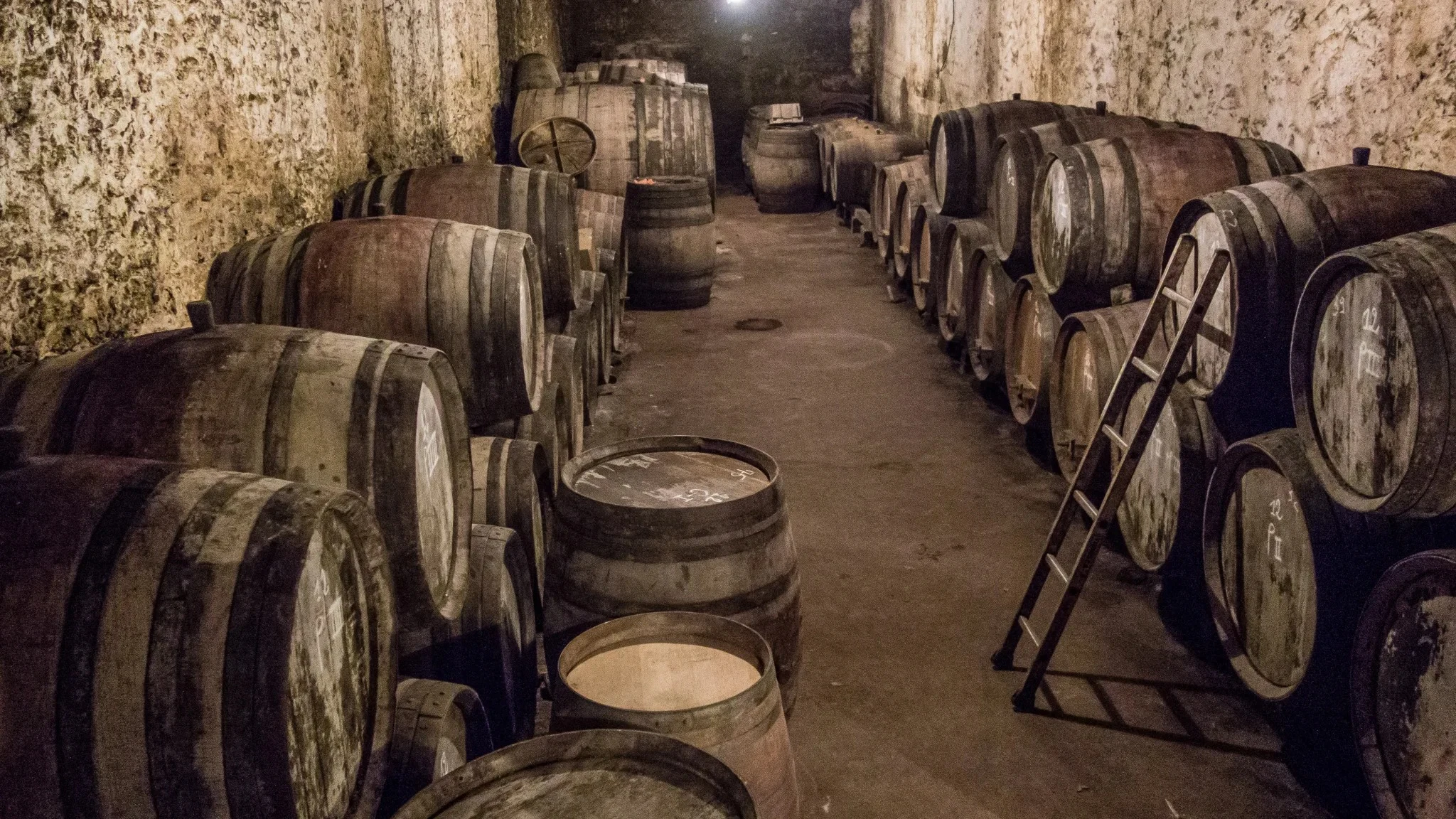
The cellar discipline at Domaine Jones starts before fermentation. Grapes arrive in small crates, cool overnight, then pass through a small pneumatic press at La Gare. Jones vinifies vineyard parcels separately, not as a gesture toward complexity but because she wants to know what each site has given her before any blend is made. For Les Parcelles Blanc, the juice stays cold in vat, with a long controlled fermentation lasting up to two weeks. Each white variety ferments separately; free-run juice goes into vat, while press juice goes into oak barrels. The blend comes later, bottled in the Spring. Fitou sits at the red center of the estate, built from local varieties that work together in this ground. Jones has described the idea plainly: “The idea with Fitou is to make a blend of the local red varieties that work so well together, and so I wanted to experiment by blending each of the white grape varieties together, and I’ve been very happy with the results.” Les Parcelles Blanc extends that thought into white wine, even though Fitou AOC itself permits only red grapes.
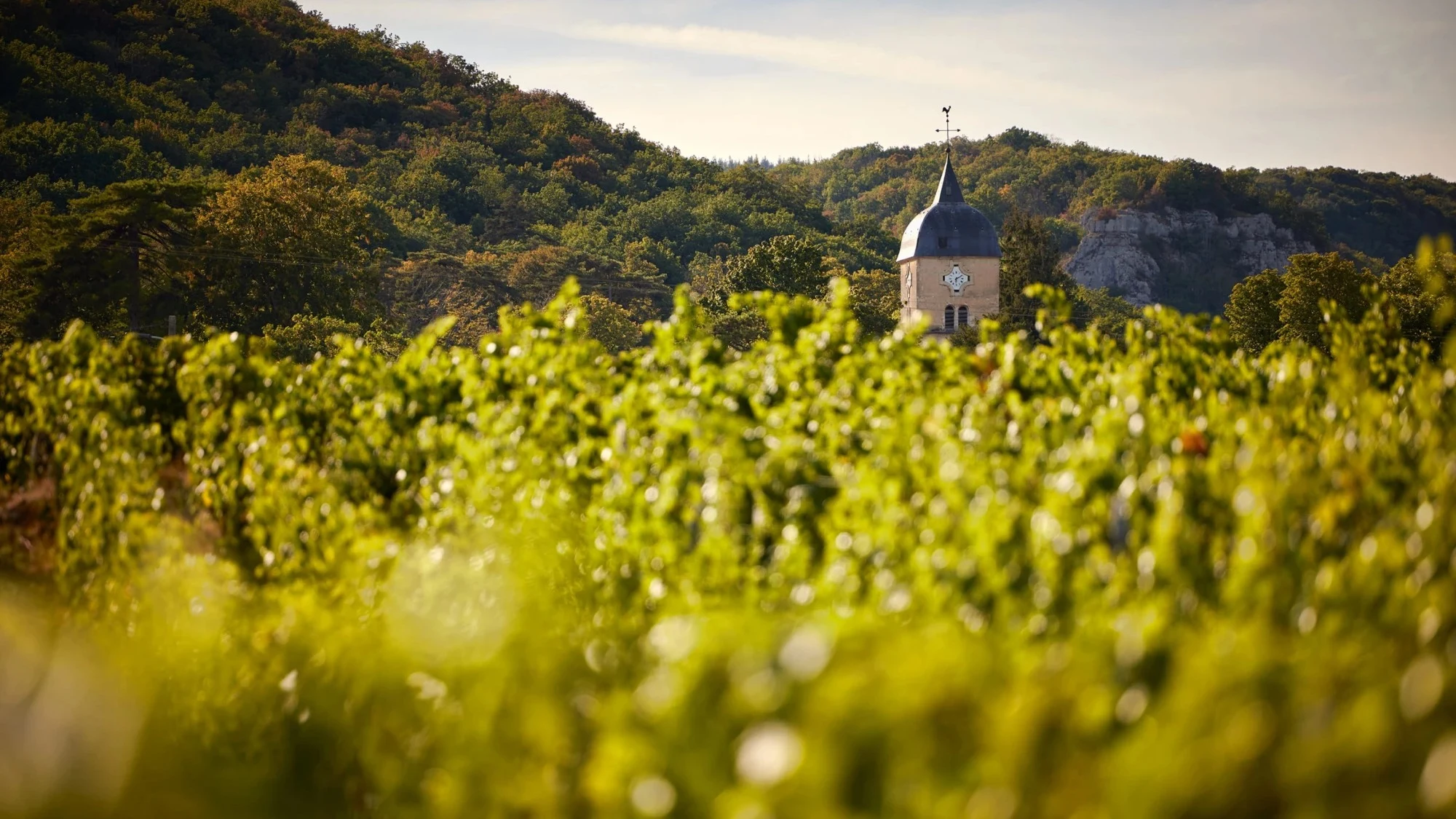
La Gare began as a 1905 train shed, once tied to the Tuchan Express steam train and its overnight accommodation before the line closed in 1935. Now the building gives Jones room to keep parcels apart, with the practical space a separate-vinification cellar needs. The setting is quiet: the village edge, the cellar, then the hills beyond it, where the vines sit on dry, exposed slopes. Around Tuchan, the Tramontane wind is part of the work, not background. The old parcels are adapted to that pressure and to water scarcity, their small quantities brought back to the cellar with little room for correction. In the tasting room, the wines read less like a range built for breadth than a set of decisions made parcel by parcel. Fitou gives the red line. Les Parcelles Blanc, Grenache Gris 2015, and Muscat Moelleux 2016 show the other registers in the cellar.
The estate’s next argument is already in bottle: Les Parcelles Blanc, Jones’s white answer to Fitou, made from local white varieties rather than permitted AOC red grapes. It keeps the same discipline as the reds, separate fermentations first, blending only after the components have spoken clearly. That is where Domaine Jones feels most itself, in the space between old Carignan and Les Parcelles Blanc.
Tuchan, Occitanie, Frankreich
.null