Domaine La Louviére
- 01CityMalvies, France

- Falstaff Winery - Listed · 2026
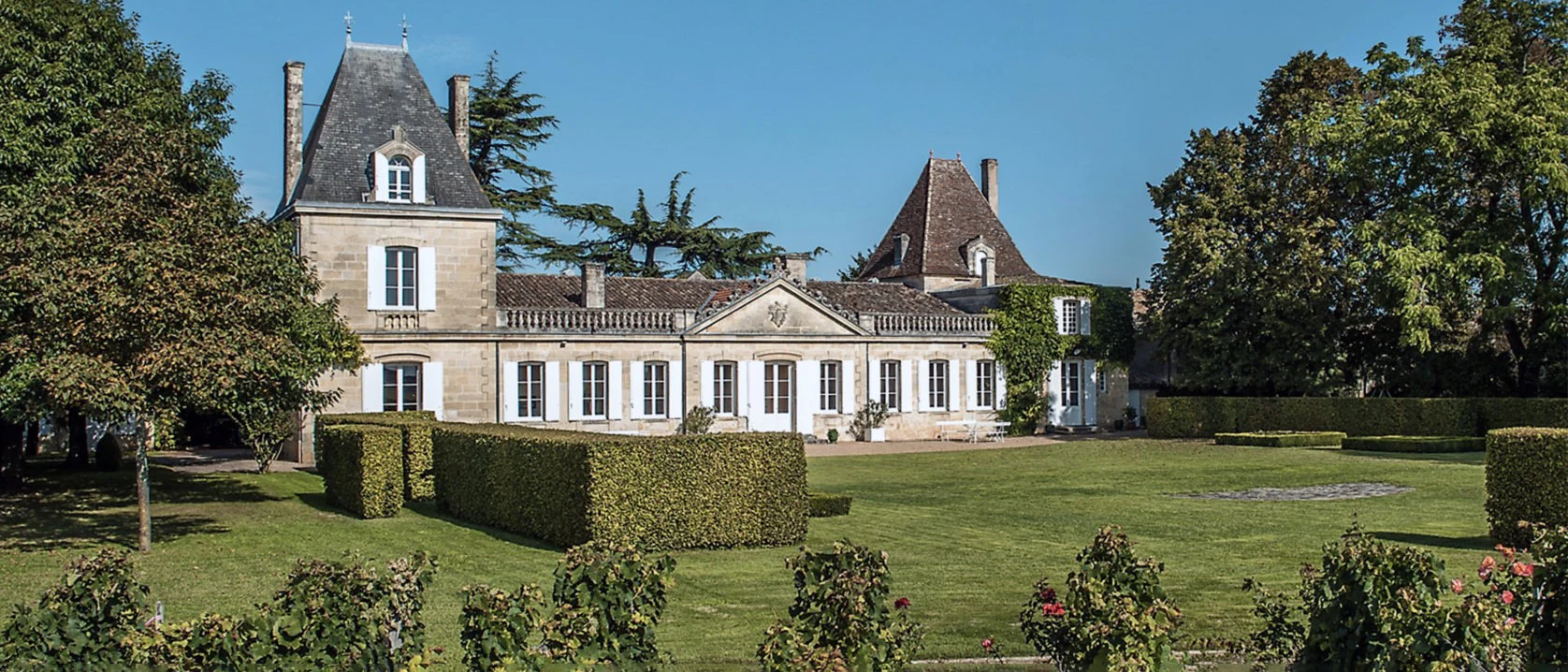
Approaching Domaine La Louviére in Malvies, the useful frame is a rural Languedoc wine-estate setting rather than a formal restaurant or urban tasting room. The picture is deliberately simple: vineyards in the Malepère hills, a focus on nature, and an organic, biodiversity-oriented philosophy that shapes how the estate presents itself to visitors. It is the kind of place to read first through its landscape and only then through the practical details of a visit.
The estate’s appeal rests on place. Domaine La Louviére is surrounded by vineyards, with a cellar/boutique and outdoor vineyard paths used for guided walks. For visitors planning time in Malvies, it reads as a countryside stop built around the landscape and the estate’s relationship to farming, biodiversity and the hills around it. That makes the experience less about spectacle and more about being in a working rural environment where vines, paths and open air form the main context.
Malepère seen through vineyard paths, not cellar performance
The strongest argument for Domaine La Louviére is the setting. Rather than relying on a heavily staged luxury format, the estate is best understood through its rural ambience: vineyard rows, outdoor paths, a cellar/boutique, and a nature-focused wine-estate identity in the Malepère hills. This is not a venue to approach with expectations shaped by a city wine bar or a polished restaurant room. Its strength is quieter and more place-based.
Vineyard paths matter because they make the visit about the land as much as the bottle. The confirmed experience includes outdoor vineyard paths used for guided walks, reflecting the estate’s organic and biodiversity-oriented philosophy. That gives the stop a grounded, slow-paced character for travellers who want to understand the surrounding countryside of Malvies. Walking through the estate setting also helps connect the idea of organic practice and biodiversity with something visible and immediate: vines in their local landscape, paths through the property, and the broader feel of the Malepère hills.
What can be said confidently is that Domaine La Louviére offers a rural wine-estate atmosphere, a cellar/boutique, and guided movement through vineyard paths in a natural setting. Those are the reliable foundations of the visit. They are also enough to define the tone: modest, outdoor-oriented, and rooted in the estate’s own countryside rather than in a heavily programmed hospitality concept.
Organic philosophy and a nature-focused estate setting
Domaine La Louviére’s confirmed identity is organic and biodiversity-oriented. The estate is presented through its relationship with nature, vineyards and the Malepère hills rather than through a documented menu, restaurant service, named chef, award record or specific production list. That distinction is important for planning, because it keeps expectations aligned with what is actually supported: a wine-estate visit framed by landscape, cellar/boutique and outdoor paths, not a broader dining destination with a published culinary identity.
For a premium itinerary, that makes Domaine La Louviére a countryside wine-estate stop rather than a claims-heavy destination. Its value lies in the setting: Malvies, surrounding vineyards, the cellar/boutique, and outdoor paths used for guided walks. In practical terms, the estate works well when treated as a pause in the landscape, a place where the appeal comes from rural quiet, the visual presence of the vines, and the estate’s stated orientation toward nature and biodiversity.
Travellers should treat any detailed claims about service formats, specific wines, grape varieties, tour durations, languages, shipping, payment methods or food pairings as unconfirmed unless they verify them directly with the estate before visiting. That cautious approach is especially useful here because the available picture is intentionally narrow: it supports the broad identity of the estate, but not a detailed checklist of services. The safest reading is therefore also the most respectful one: Domaine La Louviére is a nature-focused wine estate with confirmed vineyard paths, a cellar/boutique and a rural Malvies setting.
How to place it in a Malvies itinerary
In Malvies, Domaine La Louviére fits a slower day built around countryside movement and vineyard scenery. Its price category is listed as $$, and its atmosphere is rural, natural and tied to the Malepère hills. That makes it more suitable as a landscape-led stop than as the centrepiece of a dining plan. Visitors should allow the estate’s simplicity to guide the pace: arrive thinking in terms of vines, paths, a cellar/boutique and the surrounding countryside.
For planning, keep the focus on what is confirmed: a wine estate in Malvies, surrounded by vineyards, with a cellar/boutique and outdoor vineyard paths used for guided walks. Other dining or travel stops in Malvies can be considered separately, but Domaine La Louviére itself is best framed as the nature-focused estate anchor of the day. In that role, it adds a clear rural texture to an itinerary without needing extra claims attached to it: the draw is the estate’s setting, its organic and biodiversity-oriented identity, and the chance to experience Malepère through vineyard paths rather than through a more formal hospitality performance.
Questions
Frequently asked
How expensive is Domaine La Louviére?
Domaine La Louviére is listed at a price level of $$.
The field
How it compares
| Place | Notes | Awards |
|---|---|---|
| Domaine La Louviére | Malvies, $$ | · |
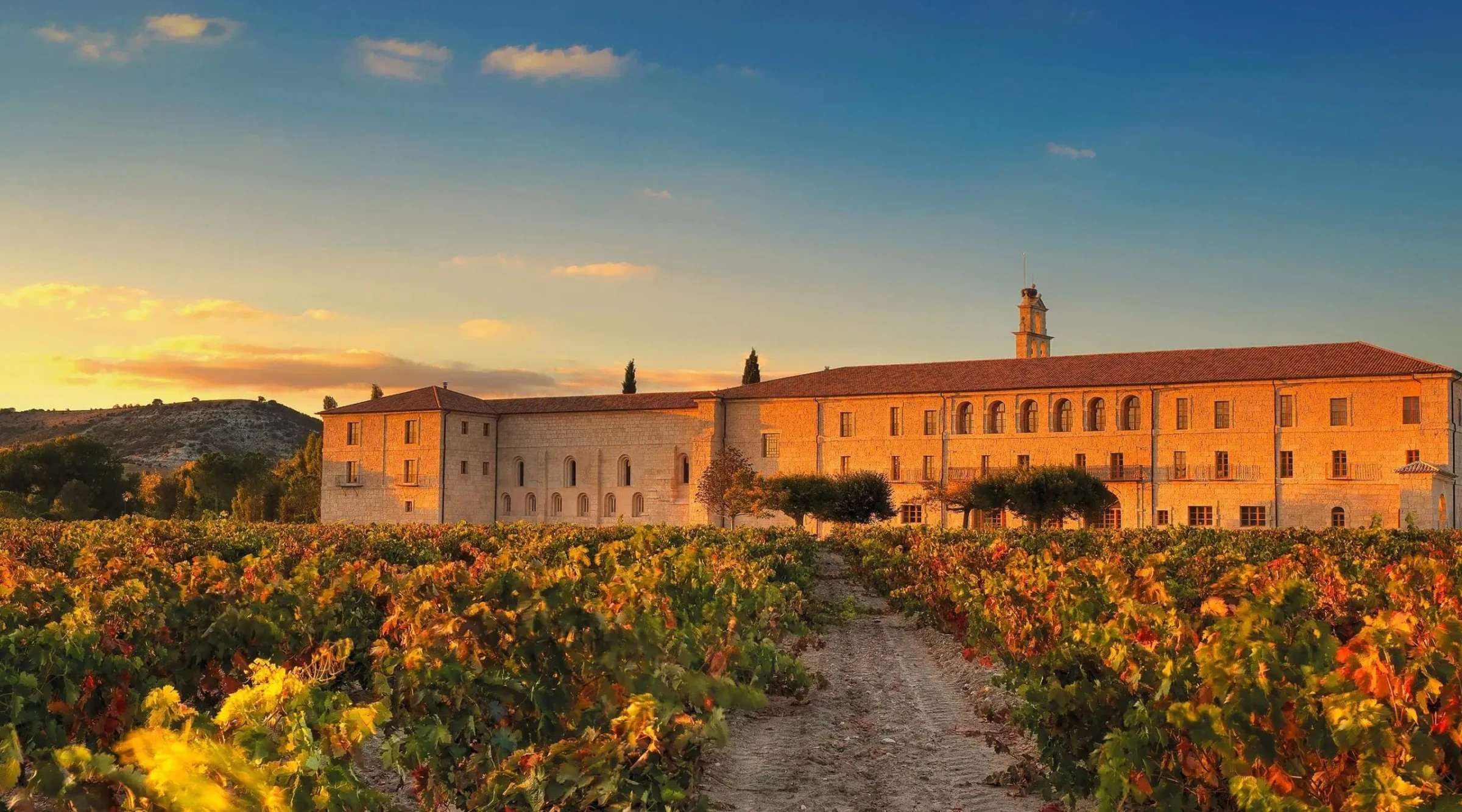
| Abadía Retuerta | Sardón de Duero | World's 50 Best |
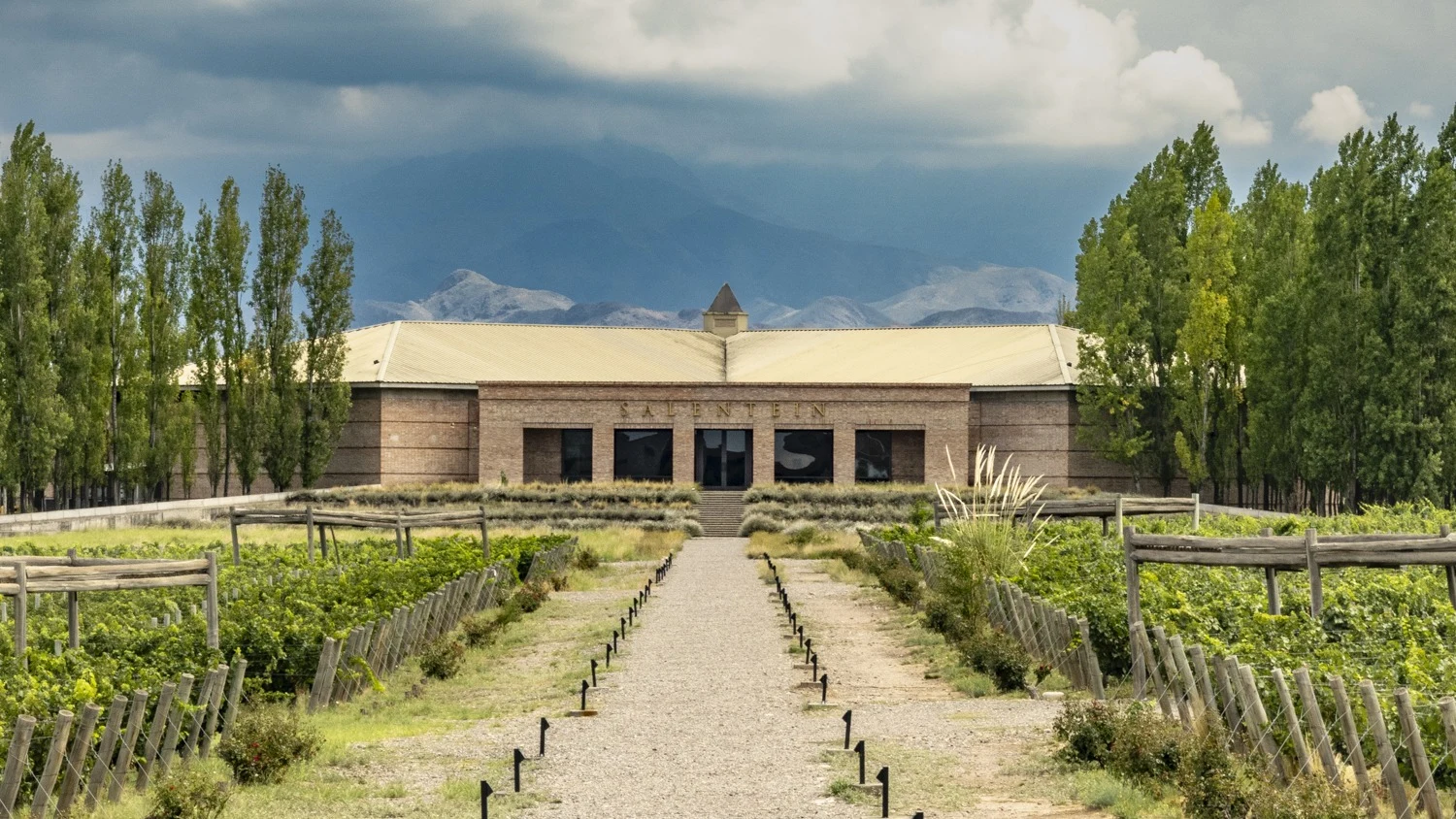
| Bodegas Salentein | Tunuyán | World's 50 Best |
| Famille Guilhem | Malvies | · |
| Jacques Selosse | Avize | · |
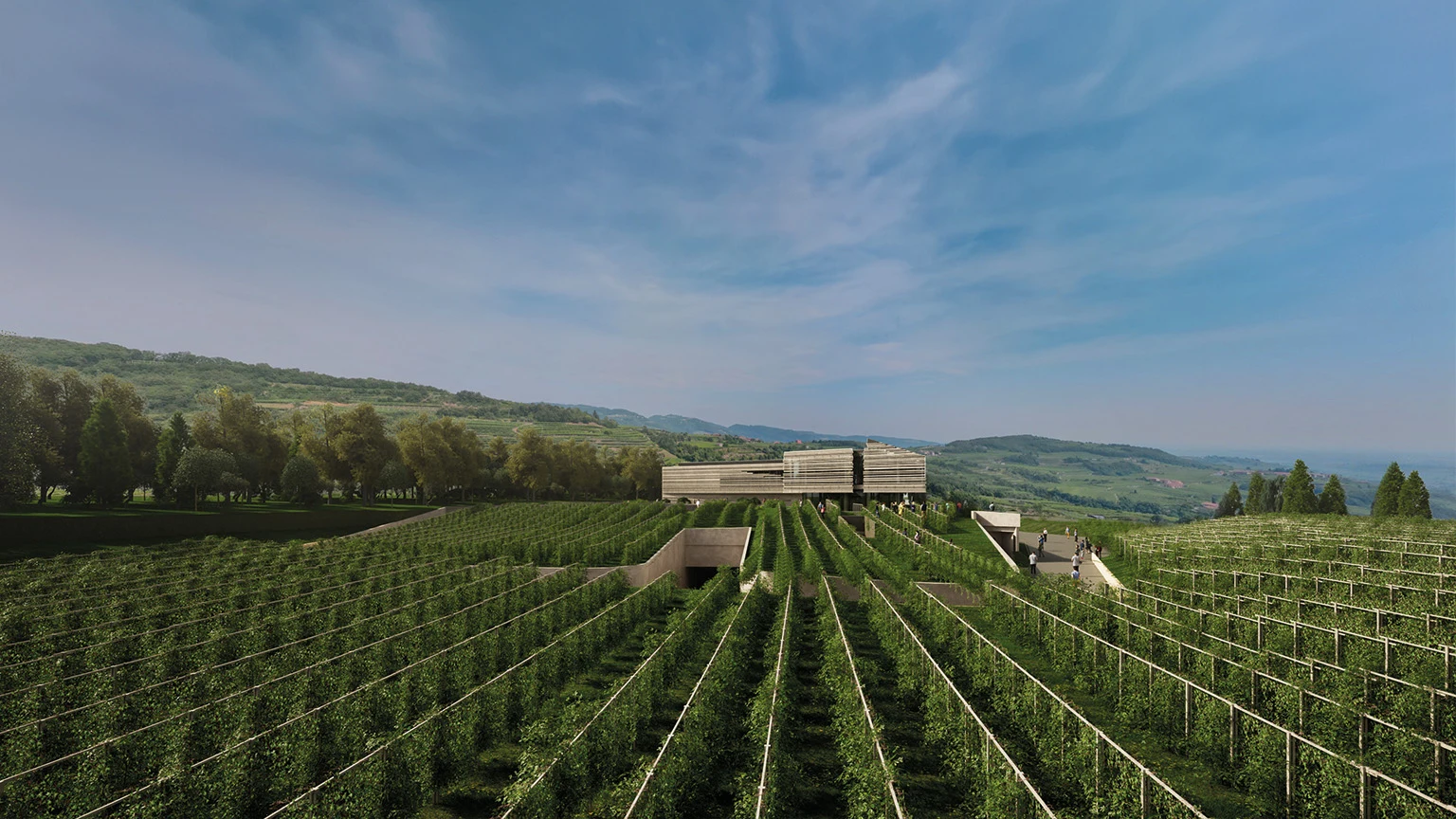
| Masi | Sant'Ambrogio di Valpolicella | · |
| Vieux Château Certan | Pomerol | · |