Native ferments in old foudres
- Falstaff Winery - Listed · 2026
Parcel to foudre in Uchizy
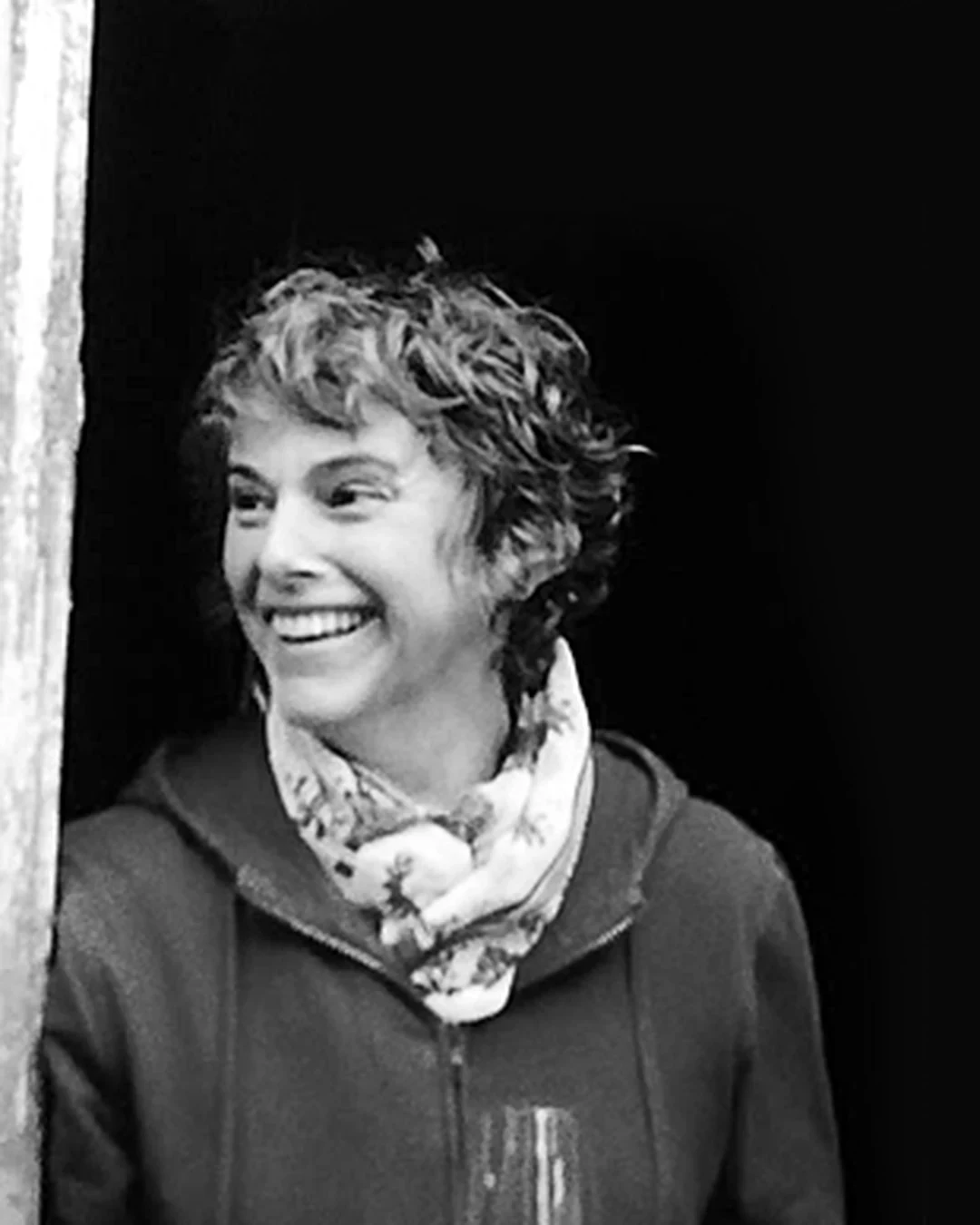
Chardonnay and Pinot Noir move from parcel to foudre under Maryse Chatelin, winemaker at Domaine Les Fauvettes in Uchizy. Her station is also an oenologist’s station, which changes the temperature of the work: the hand and the analysis stay close, not as opposing instincts, but as two readings of the same fruit. She has held the winemaker role here since 2012, inside a small family-run domaine founded in 1999 after a move from Paris to Uchizy in the early 1990s. The cellar does not read as a project built for spectacle. It reads as a fixed point for a few wines, each carrying a named grape or site rather than a broad estate gesture. De l’Aube à l’Aube follows Pinot Noir. L’Embellie comes from Chardonnay, with a parcel in Viré-Clessé attached to its present line. La Pluie et la rosée sets Pinot Noir toward rosé. The lineage published around Chatelin names no earlier house or formal apprenticeship, so the work here has to be read through the bottles: biodynamic farming, cellar restraint, and a habit of letting each cuvée stay narrow enough to be legible.
Old wood and living ferments
The method at Les Fauvettes is built around biodynamic farming, hand harvest, and spontaneous fermentation. The domaine works with Pinot Noir and Chardonnay, without chemical inputs in the vineyard, and the fruit goes into old foudres rather than new wood. Fermentation runs on indigenous yeasts from the vineyard and cellar; whole clusters are used, with a 10-day spontaneous fermentation period named in accounts of the work. The same vessels return to the same wine from year to year, preserving a cellar ecology that the domaine treats as part of the material, not a neutral container. De l’Aube à l’Aube, the Pinot Noir, is aged for 15 months in foudres; one cited vintage carried aging as long as 28 months between used wood and glass. The wines are not fined or filtered, and no sulfur is added at bottling. Production stays microscopic, less than 5,000 bottles in a fruitful year, which makes the discipline less a style than a practical condition. There is not enough wine for looseness.
A quiet domaine outside the village
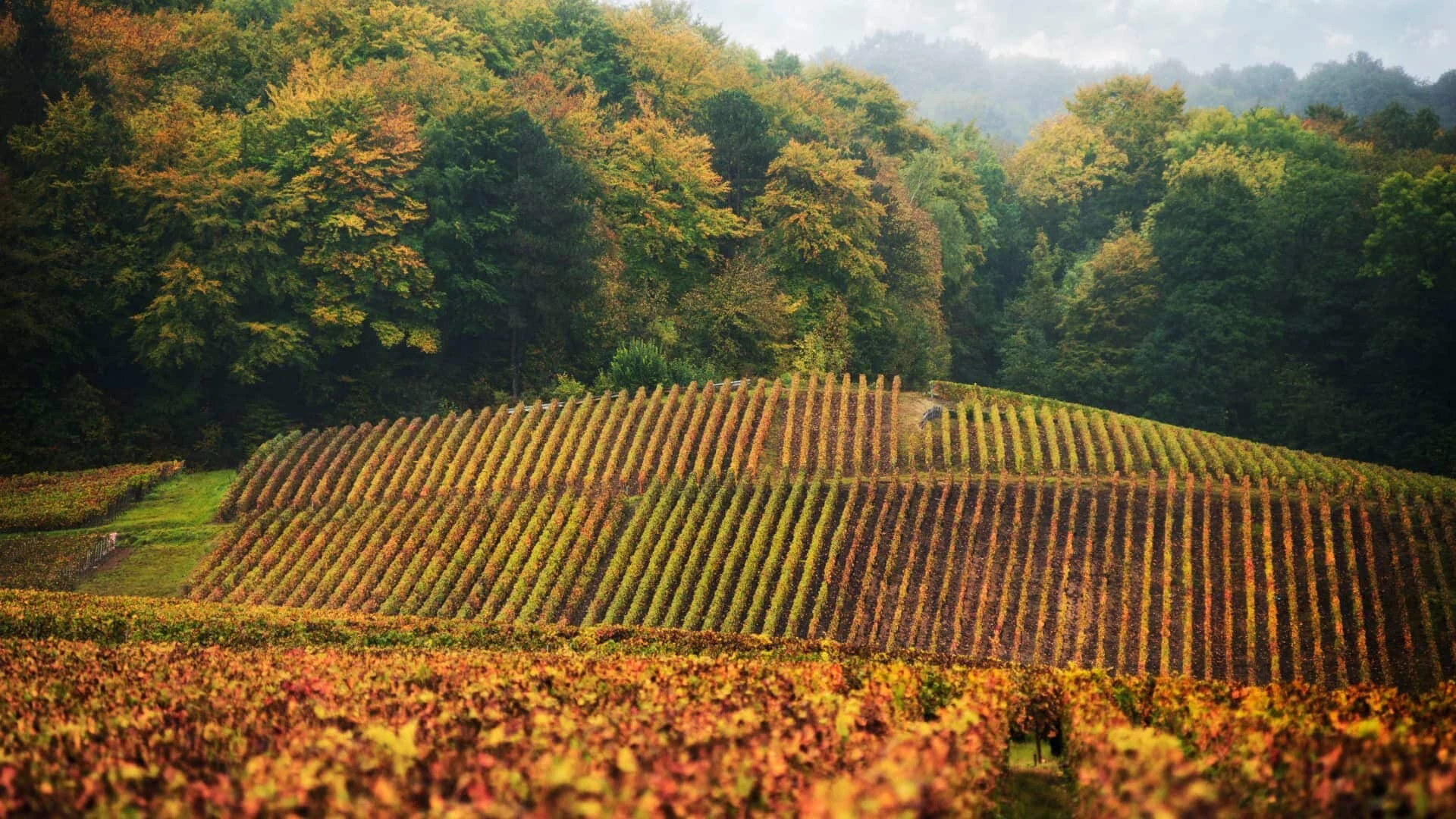
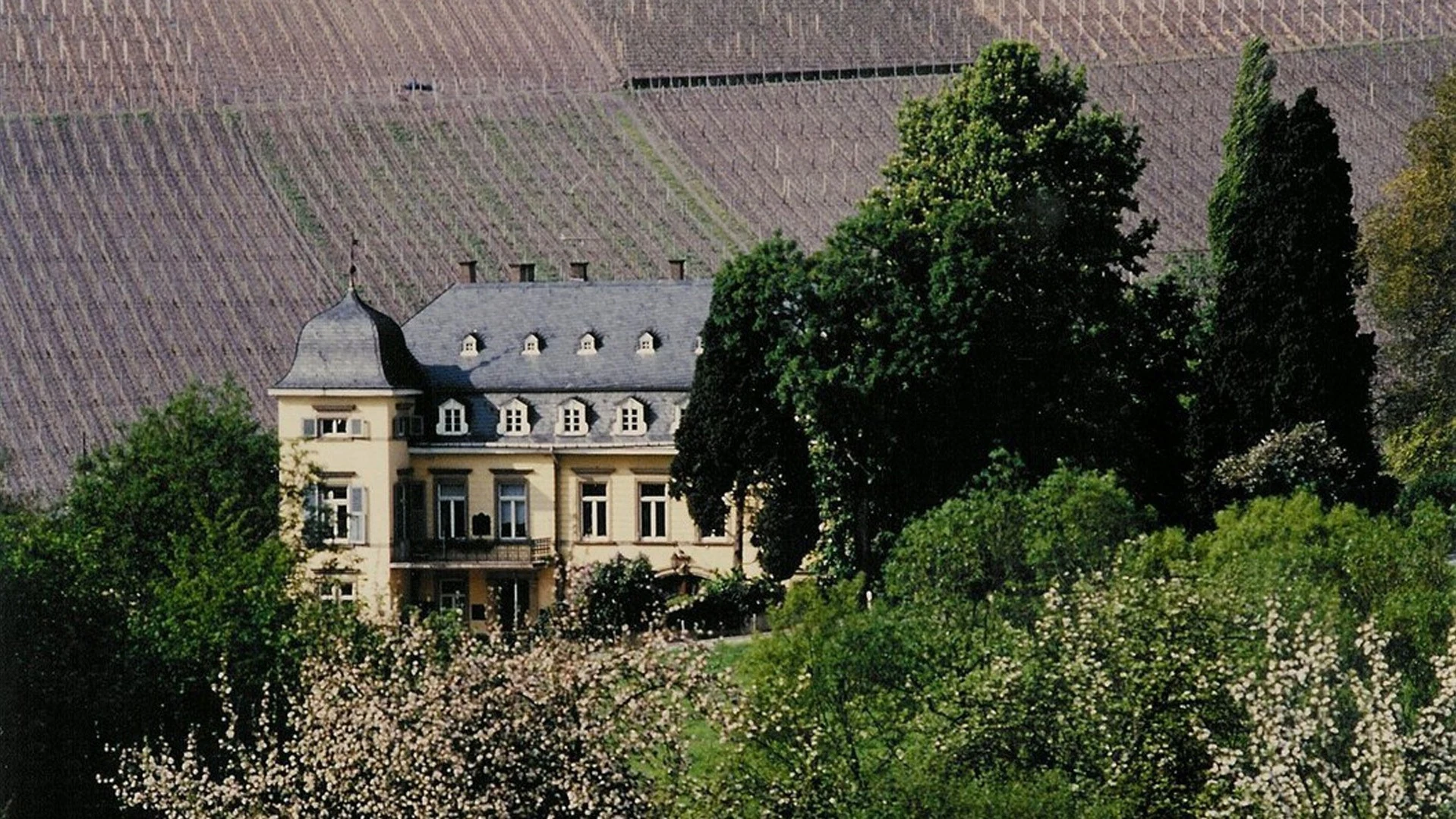
The estate sits outside Uchizy, in the Mâconnais, with clay and limestone under vines averaging 10 years old. Its distance from the village matters because the farming depends on separation: more room for biodiversity, fewer neighboring pressures, a quieter passage between soil and cellar. This is not a hospitality-heavy address, and the tasting room is not the center of the story. The vineyard, the cellar, and the old foudres carry more weight than any staged room could. The wines show precision, elegance, depth, and a lightly oxidative edge, with Pinot Noir, Chardonnay, old wood, native ferment, no filtration, and no sulfur at bottling. The close work remains in the names on the bottles, especially L’Embellie from Viré-Clessé.
Questions
Frequently asked
Who makes the wine at Domaine Les Fauvettes?
Maryse Chatelin makes the wines at Domaine Les Fauvettes and has held the winemaker role there since 2012.
What grapes and cuvées are made here?
The domaine works with Pinot Noir and Chardonnay. Named cuvées include De l’Aube à l’Aube, which follows Pinot Noir, L’Embellie, which comes from Chardonnay and includes a parcel in Viré-Clessé, and La Pluie et la rosée, which sets Pinot Noir toward rosé.
How are the wines made?
Domaine Les Fauvettes works with biodynamic farming, hand harvest, spontaneous fermentation and indigenous yeasts. The fruit goes into old foudres, whole clusters are used, the wines are not fined or filtered, and no sulfur is added at bottling.
What is the cellar style at Domaine Les Fauvettes?
The cellar is built around restraint rather than spectacle. The same vessels return to the same wine from year to year, and the work is described as keeping each cuvée narrow enough to remain legible.
Can you visit Domaine Les Fauvettes freely?
Visits are by appointment only.
The field
How it compares
| Place | Notes | Awards |
|---|---|---|
| Domaine Les Fauvettes | Uchizy, $$ | · |
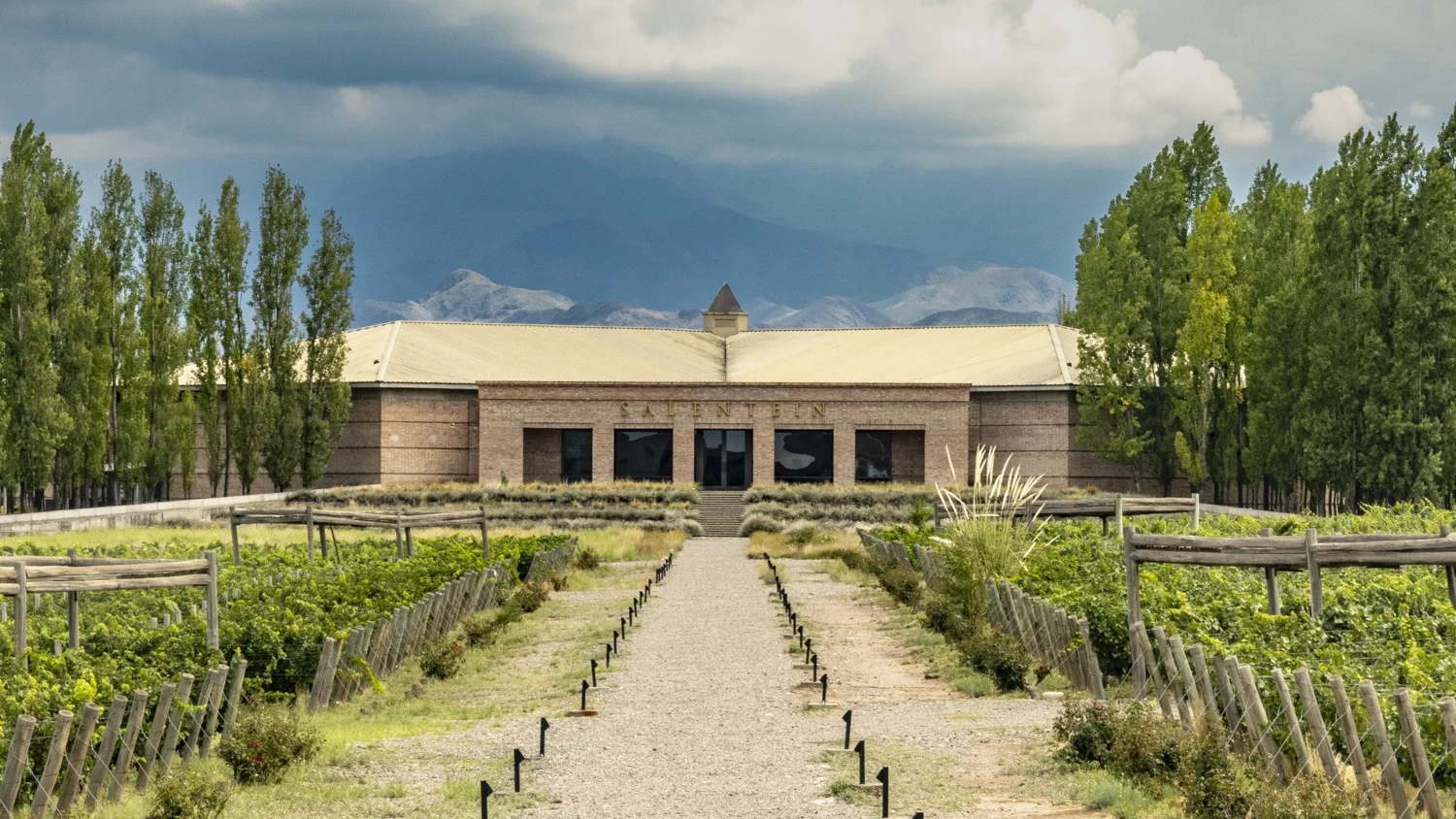
| Bodegas Salentein | Tunuyán | World's 50 Best |
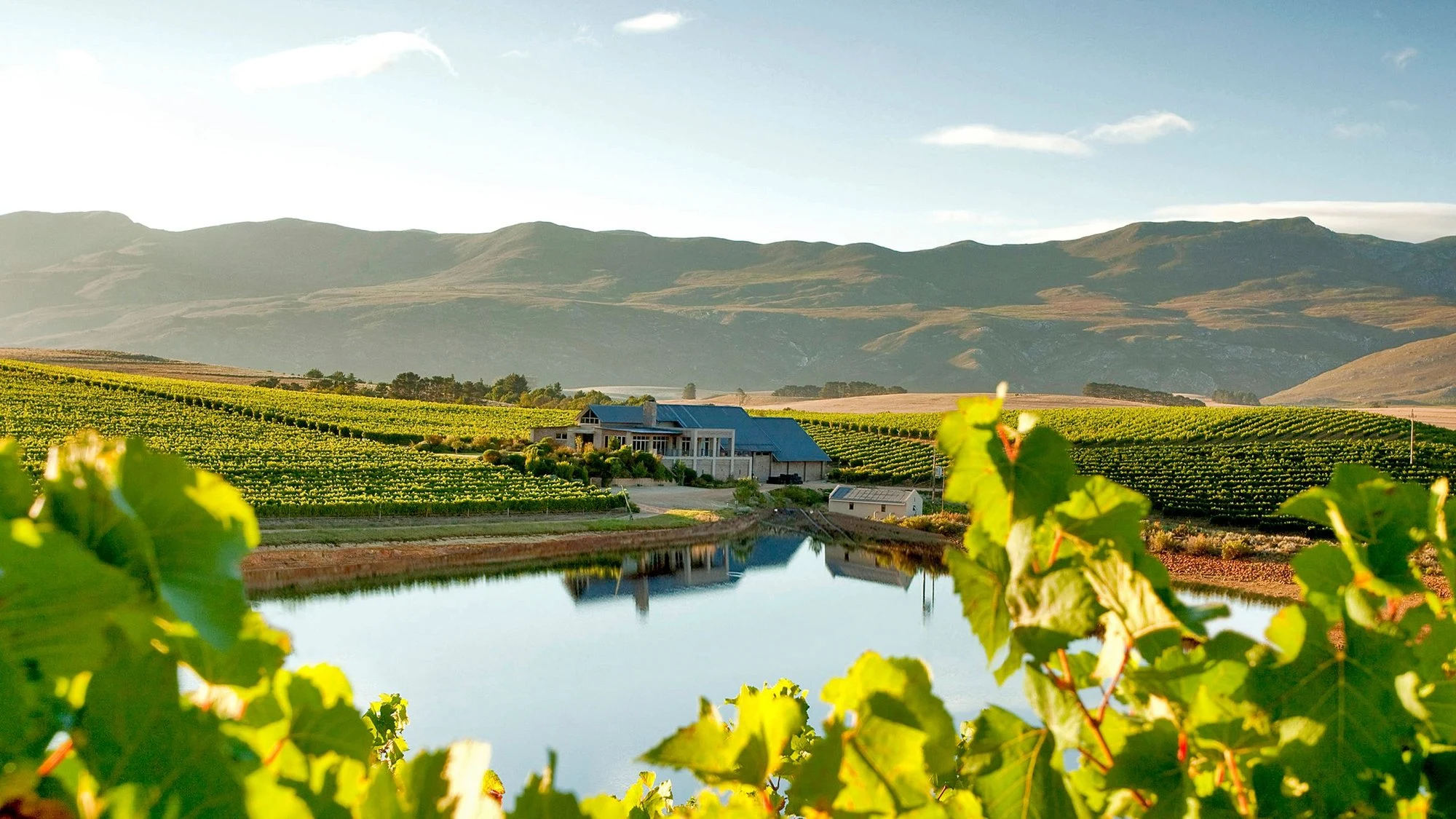
| Creation Wines | Hermanus | World's 50 Best |
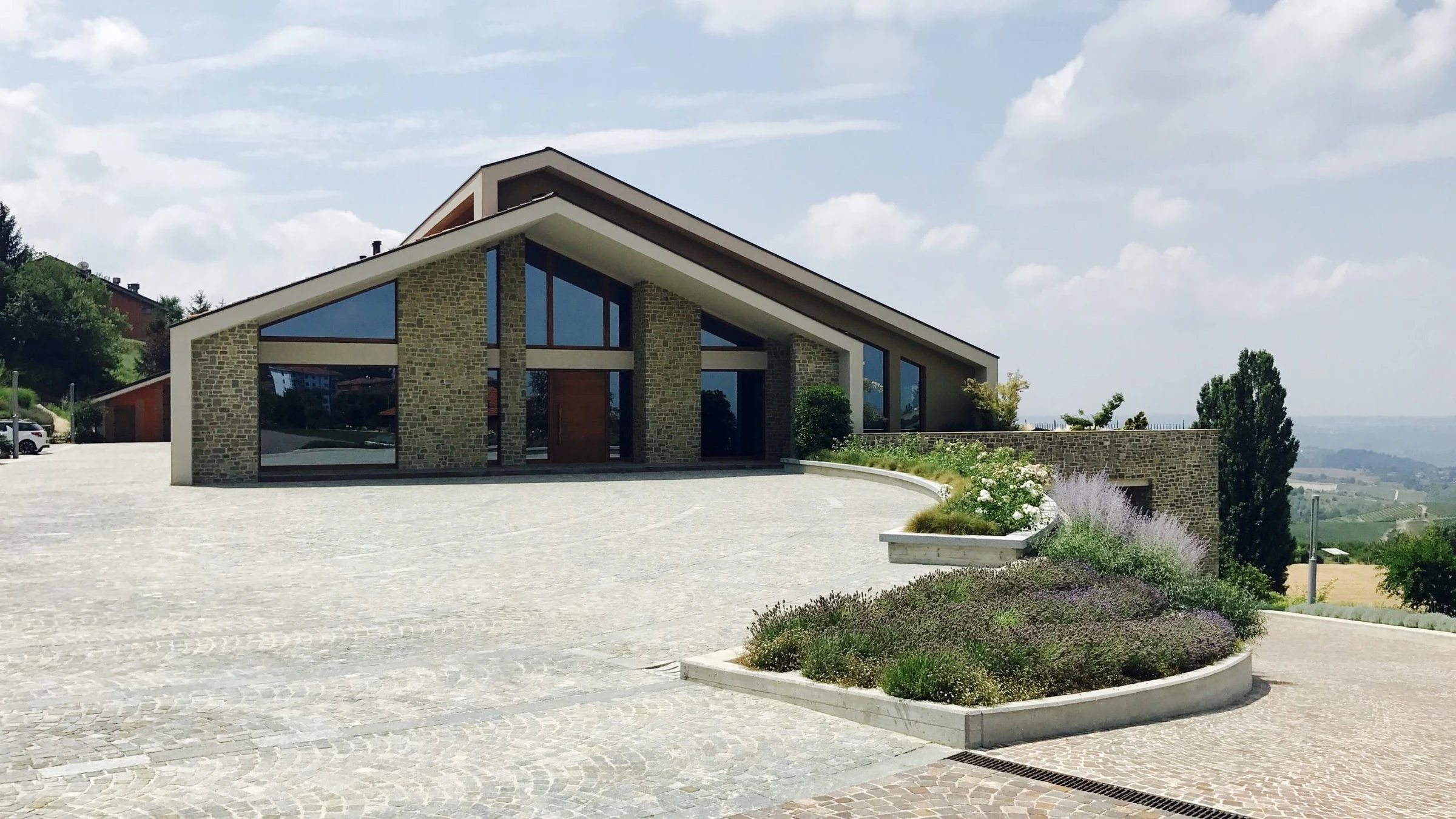
| Giacomo Conterno | Monforte d'Alba | · |
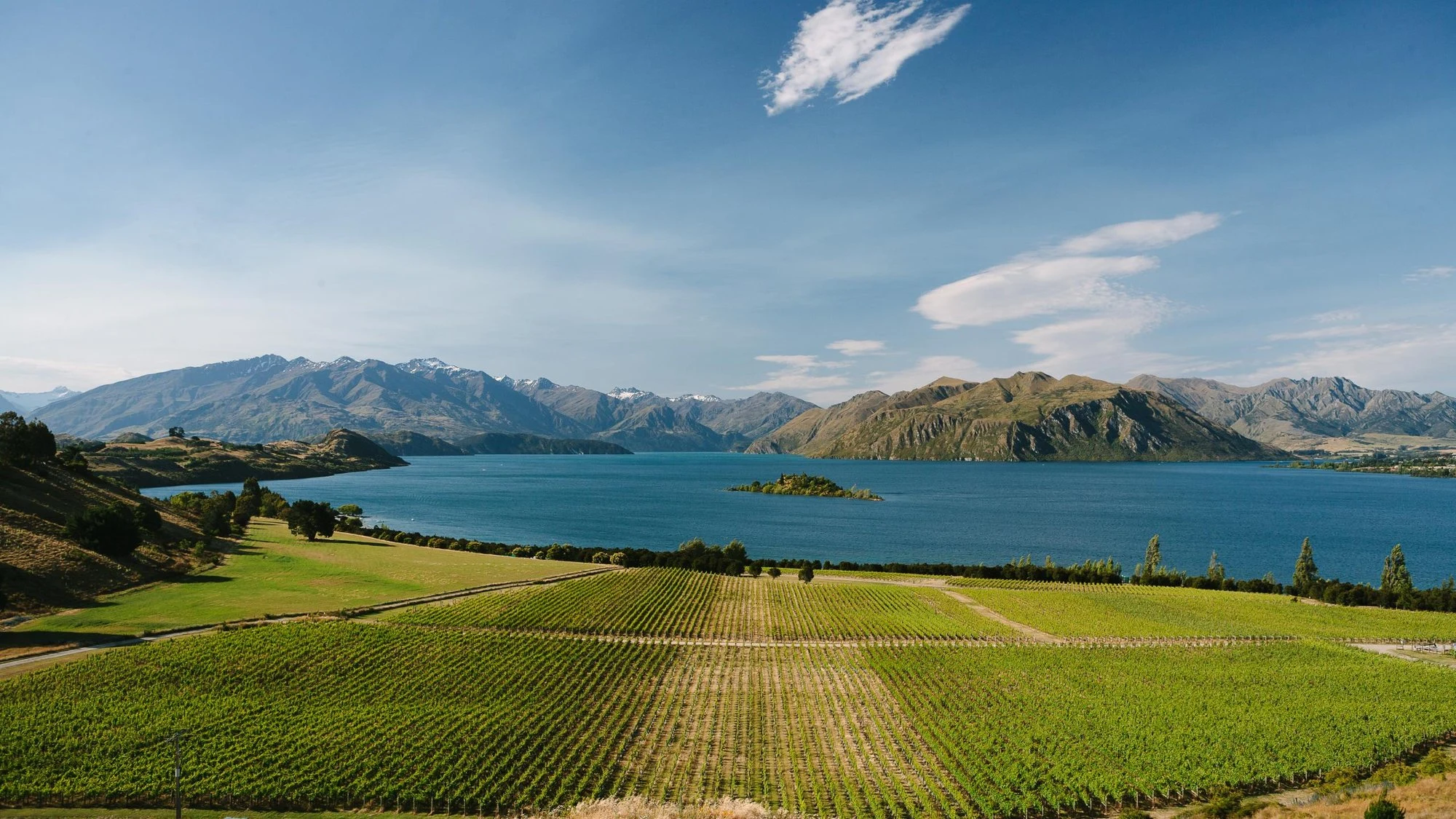
| Rippon Vineyard | Wānaka | World's 50 Best |
| Ruinart | Reims | World's 50 Best |
| Weingut Egon Müller | Wiltingen | · |