Louis‑Philippe Bovard, winemaker at Domaine Louis Bovard in Cully, works Lavaux terraces through Chasselas, foudre, and lees, patiently.
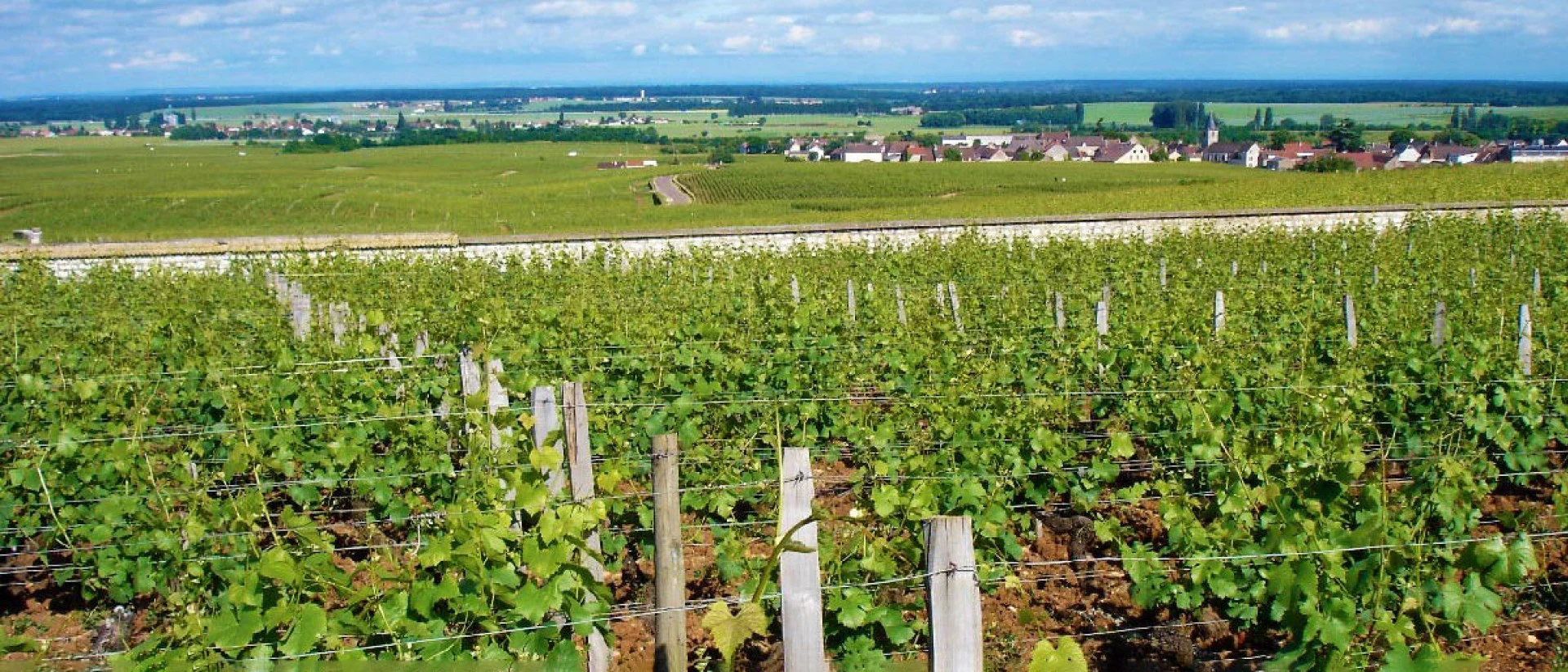
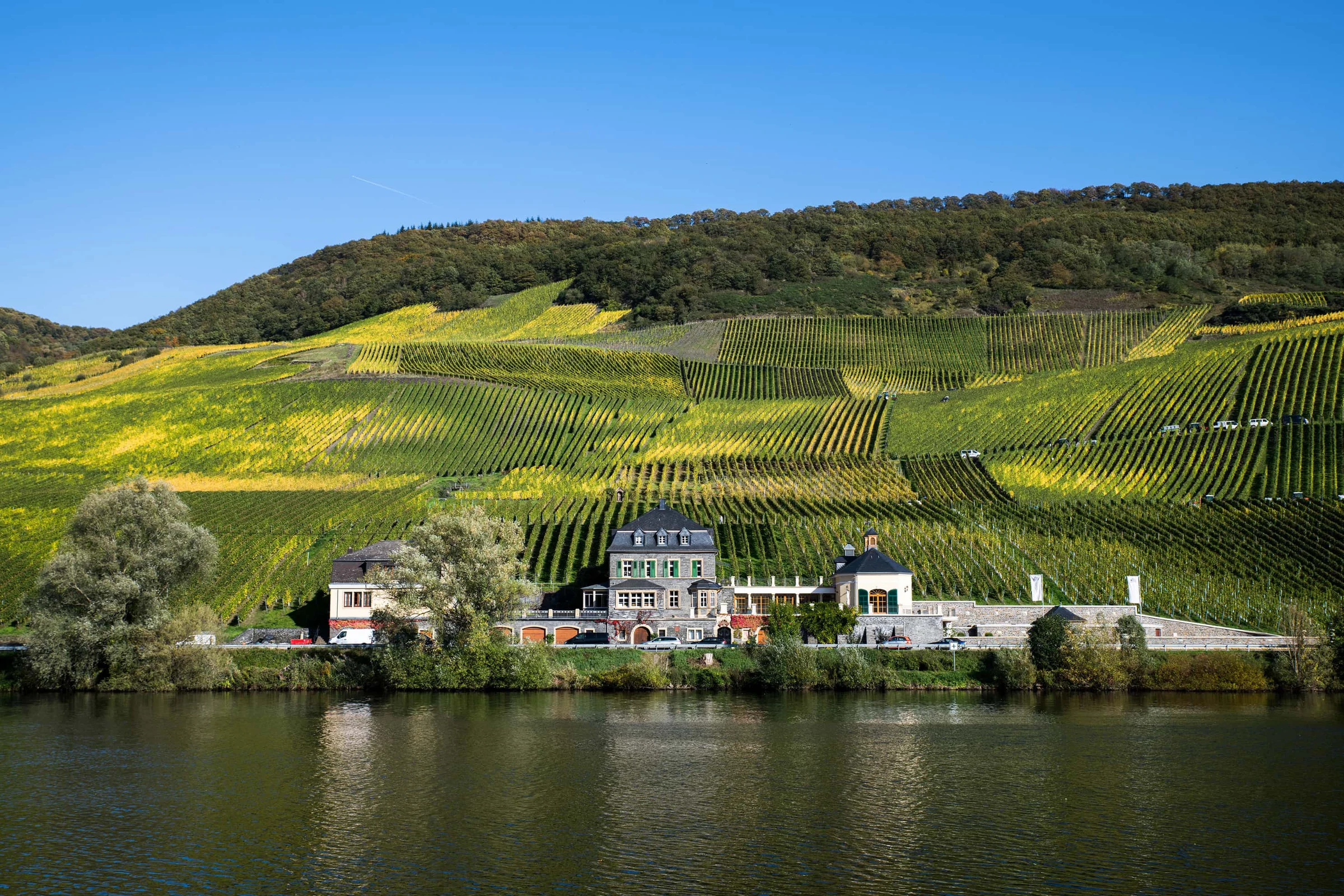
The first decision is parcel by parcel: Louis‑Philippe Bovard, winemaker at Domaine Louis Bovard in Cully, keeps five terroirs separate enough to speak. He has directed the family estate since 1983, working from a Lavaux address that reaches back to 1684 and to a winegrowing lineage he names without ornament: “I was born into a winegrowing family in Lavaux.” Before the domaine became his full public station, Bovard also served as director at the Office of Vaud Wines and at Comptoir Suisse, roles that placed Vaud wine in front of a wider public as much as they placed him behind a desk. At Cully, the work is more exacting and more exposed. The estate farms around 17 to 18 hectares in Lavaux AOC, with steep terraces above Lake Geneva and a house style built on Chasselas, then widened by Chenin Blanc, Sauvignon Blanc, Merlot, and Syrah. Bovard’s own definition keeps the romance disciplined: “Terroir means soil plus climate plus human work.” That last term matters here. The hand is not a flourish; it is the condition of the slope.
The cellar favors proportion over display. Most fermentations take place in 8,000-liter foudres, large wooden vats that give Chasselas room to move without turning oak into the subject. The wines are matured on fine lees, with gentle battonage, and the house avoids malolactic fermentation in the whites, a choice that keeps the line of the wine closer to fruit, mineral register, and the cool edge of the terrace. Bovard’s best-known Dézaley bottlings, including Médinette Dézaley Grand Cru AOC and Grande Cuvée Dézaley Grand Cru AOC, belong to that discipline: texture first, then ageability, then the name of the place. The estate also works beyond Chasselas, and Bovard is credited here with bringing Chenin Blanc, Sauvignon Blanc, and Syrah into a Lavaux conversation long centered on the local white grape. Around 30% of the vineyards follow biodynamic practice, while the broader estate works within an integrated and sustainable frame. Annual production is given only as a broad range, near 100,000 to 200,000 bottles, which suits the scale: large enough to carry Lavaux beyond the village, still tied to the family’s own terraces.
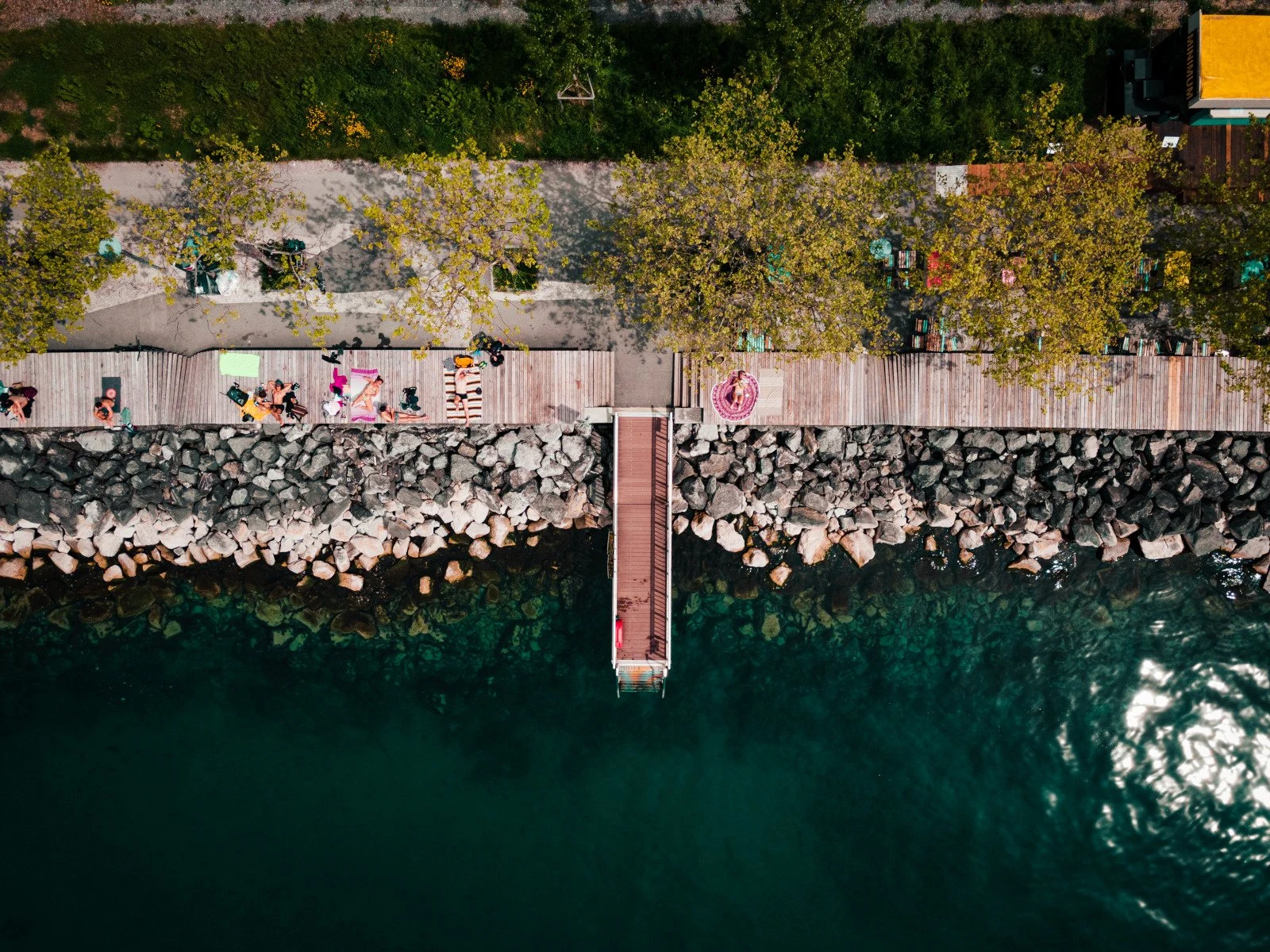
In Cully, the public face of the domaine gathers at the Maison Rose vinothèque in the village center, where the tasting room sits close to the lake and the vineyards rise behind it in stone-held steps. The quiet of the room is not incidental. Lavaux asks for a slower register because the work outside is physical: some terraces are narrow enough for a single row of vines, and the climb from wall to wall gives the wines their context before a glass is poured. The cellar, the vineyard, and the tasting room do not feel separate here. They are stations in the same method. A bottle of Médinette carries a label with a Bovard family portrait from the early 20th century, a small reminder that the domaine’s archive is not kept only in paper, but also in Chasselas.
Bovard’s work at Domaine Louis Bovard has helped frame Dézaley as a Grand Cru site for Chasselas, not by making the grape louder, but by asking it to hold more detail. His own language stays close to texture: “These are wines of delicacy, finesse, and softness. And they have unique aging potential.” The next measure is already in the cellar, in how Médinette Dézaley Grand Cru AOC carries Lavaux’s slope, lake light, and foudre time into one bottle.
Cully, Canton of Vaud, Schweiz
Lavaux / Cully village