- Falstaff Winery - Listed · 2026
Domaine Ludovic Engelvin is a small, hands-on artisan estate in Vic Le Fesq, set in the Languedoc garrigue. The appeal is not spectacle or a highly staged visitor format, but a rustic, intimate sense of place: an old 12th-century farm building, a low-intervention cellar, and an emphasis on purity rather than polish. It reads as the kind of estate where the surroundings, the working character of the cellar, and the restraint of the approach carry more weight than any elaborate hospitality narrative.
For broader trip planning around the village, use Domaine Ludovic Engelvin as a scenic, understated reference point and cross-check any practical details directly before you go. The known draw is clear enough, but the specifics of access, tasting structure, or visitor arrangements should be at the source rather than assumed from the estate’s general character.
A small Languedoc estate shaped by garrigue and restraint
Domaine Ludovic Engelvin is best understood as a quiet, artisan address rather than a large or showy regional destination. The setting places it in Vic Le Fesq, within the Languedoc garrigue, with a rustic character and a hidden-gem feel. That landscape context matters: the garrigue gives the estate a strong sense of southern French texture, while the small-scale presentation keeps the focus on place rather than performance.
The estate’s appeal rests on scale and atmosphere: hands-on work, an intimate rural mood, and a cellar described through low intervention and purity. These are broad but useful coordinates for understanding the domaine, especially for travelers who prefer places that feel grounded and unforced. Specific claims about vineyard size, grape varieties, production volumes, certifications, appellations, founding dates, or farming techniques are not confirmed here, so they should not be treated as established facts.
What can be said with confidence is that Domaine Ludovic Engelvin suits travelers looking for a scenic, understated estate experience in Vic Le Fesq, especially those drawn to places where the setting and cellar philosophy matter more than luxury presentation. Its character is less about a checklist of amenities and more about a coherent mood: rural, restrained, artisan, and closely tied to its Languedoc surroundings.
A low-intervention cellar with historical weight
The cellar is part of the domaine’s identity: rustic, low-intervention, and focused on purity rather than spectacle. That gives the estate a clear editorial profile without needing to overstate details about methods, additives, fermentation, bottling, or specific cuvées. In this context, low-intervention functions as a way of describing the spirit of the place: a preference for directness, modesty, and a less polished form of cellar culture.
The physical setting adds historical texture. The estate includes an old 12th-century farm building, and the surrounding Languedoc garrigue reinforces the impression of a rural, scenic, and intimate place rather than a polished hospitality stage. The building detail is important because it gives the domaine more than a purely functional identity; it places the experience in a setting with age, material character, and a visible sense of continuity.
For visitors comparing stops in and around Vic Le Fesq, Domaine Ludovic Engelvin stands out as a small, characterful estate where the draw is atmosphere, restraint, and a hands-on artisan sensibility. It is not presented here as a comprehensive visitor attraction, and that is part of its editorial shape: the interest lies in its quietness, its setting, and the cellar’s emphasis on purity.
How to place it in a wider French itinerary
As a stop in Vic Le Fesq, Domaine Ludovic Engelvin is a better fit for travelers who value rustic charm, quiet scenery, and low-intervention cellar culture than for those seeking a highly formal or entertainment-driven experience. Details such as visit format, parking, food service, group suitability, and booking requirements are not confirmed here. That makes advance checking especially important, particularly for anyone building a tight itinerary or relying on specific logistics.
Travelers building a wider route can use this stop as a contrast to larger or more formal destinations elsewhere. For other estate references, compare it with other places generically while keeping Domaine Ludovic Engelvin’s identity in focus: small scale, Languedoc garrigue, an old 12th-century farm building, and a rustic cellar culture. In an itinerary, it works well as a quieter, more grounded counterpoint, the sort of address that helps balance more structured or polished stops without needing to compete with them.
The editorial case for Domaine Ludovic Engelvin is direct: it is a scenic, intimate, hands-on artisan estate in Vic Le Fesq with a low-intervention cellar focused on purity rather than spectacle. The cost level is listed as $$, and the strongest hook is the combination of rustic setting, historical building, and quiet Languedoc character. Approach it with expectations shaped by restraint rather than display, and its appeal becomes much clearer.
Questions
Frequently asked
Who works at Domaine Ludovic Engelvin?
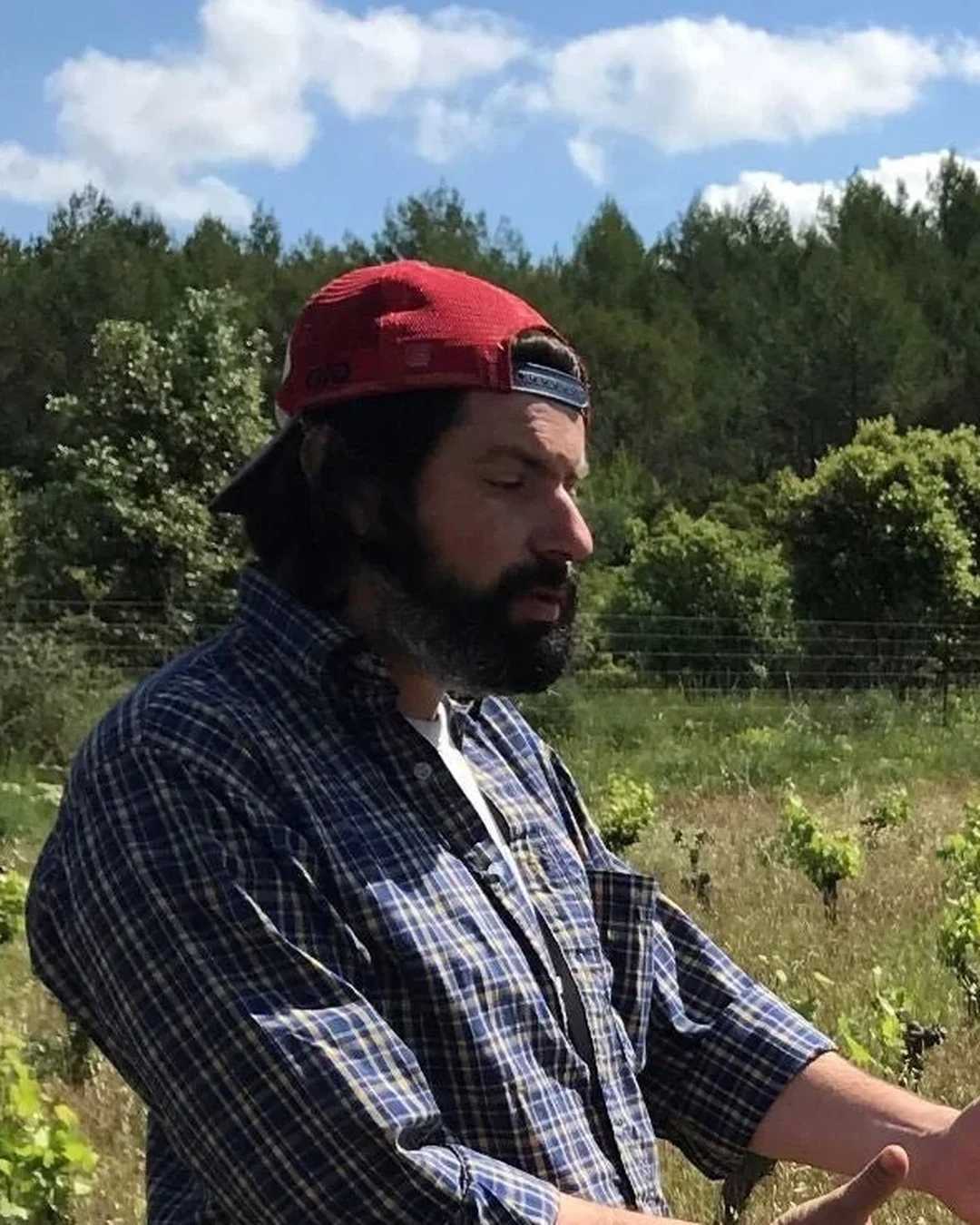
Made By profiles Ludovic Engelvin (Winemaker) at Domaine Ludovic Engelvin.
How expensive is Domaine Ludovic Engelvin?
Domaine Ludovic Engelvin is listed at a price level of $$.
The field
How it compares
| Place | Notes | Awards |
|---|---|---|
| Domaine Ludovic Engelvin | Vic-le-Fesq, $$ | · |
| Azienda Agricola Casanova di Neri di Giacomo Neri | Montalcino | World's 50 Best |
| BOND Winery | Napa | · |
| Craggy Range | Hastings | World's 50 Best |
| Creation Wines | Hermanus | World's 50 Best |
| Mission Hill Family Estate | West Kelowna | World's 50 Best |
| Valdicava | Montalcino | · |