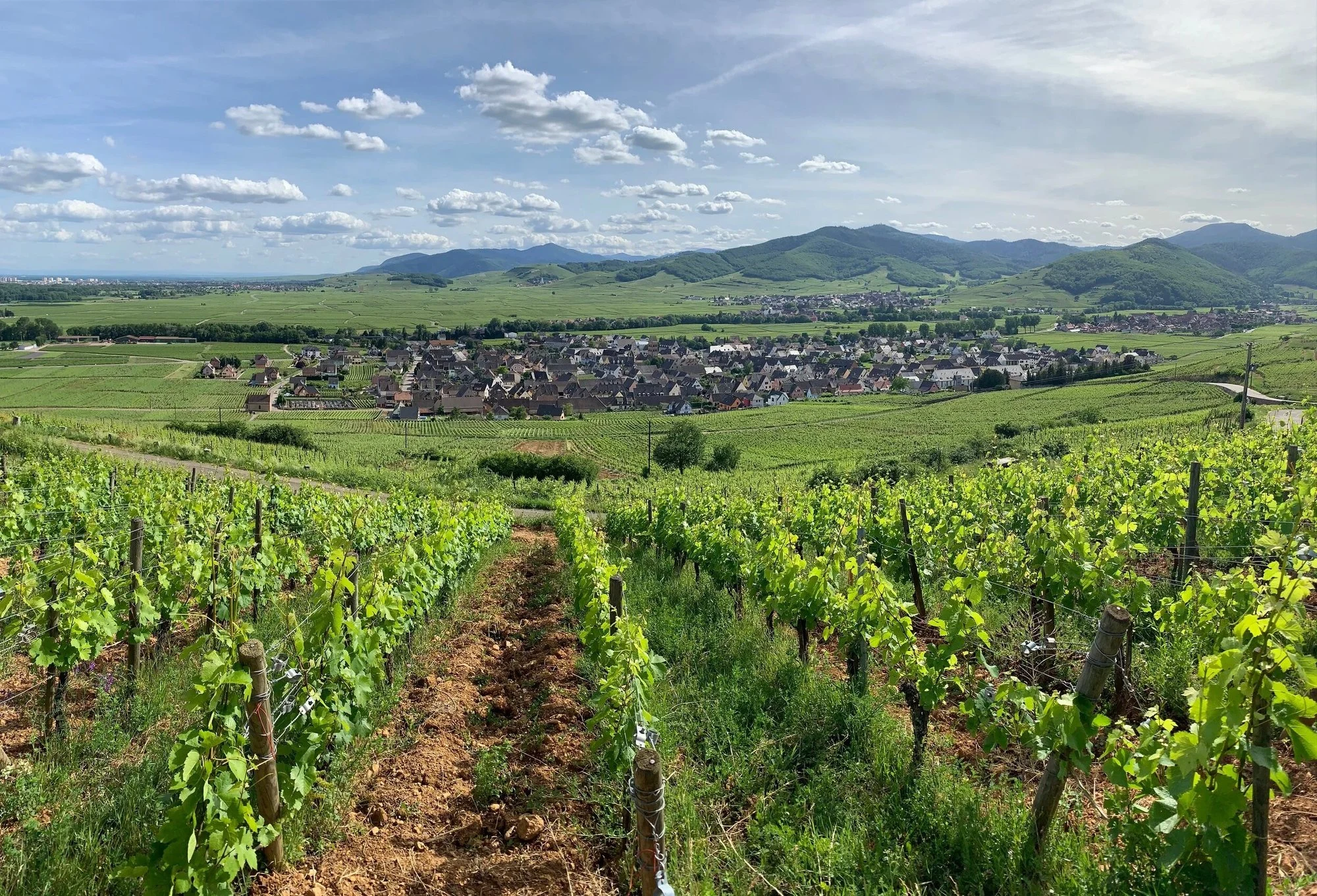
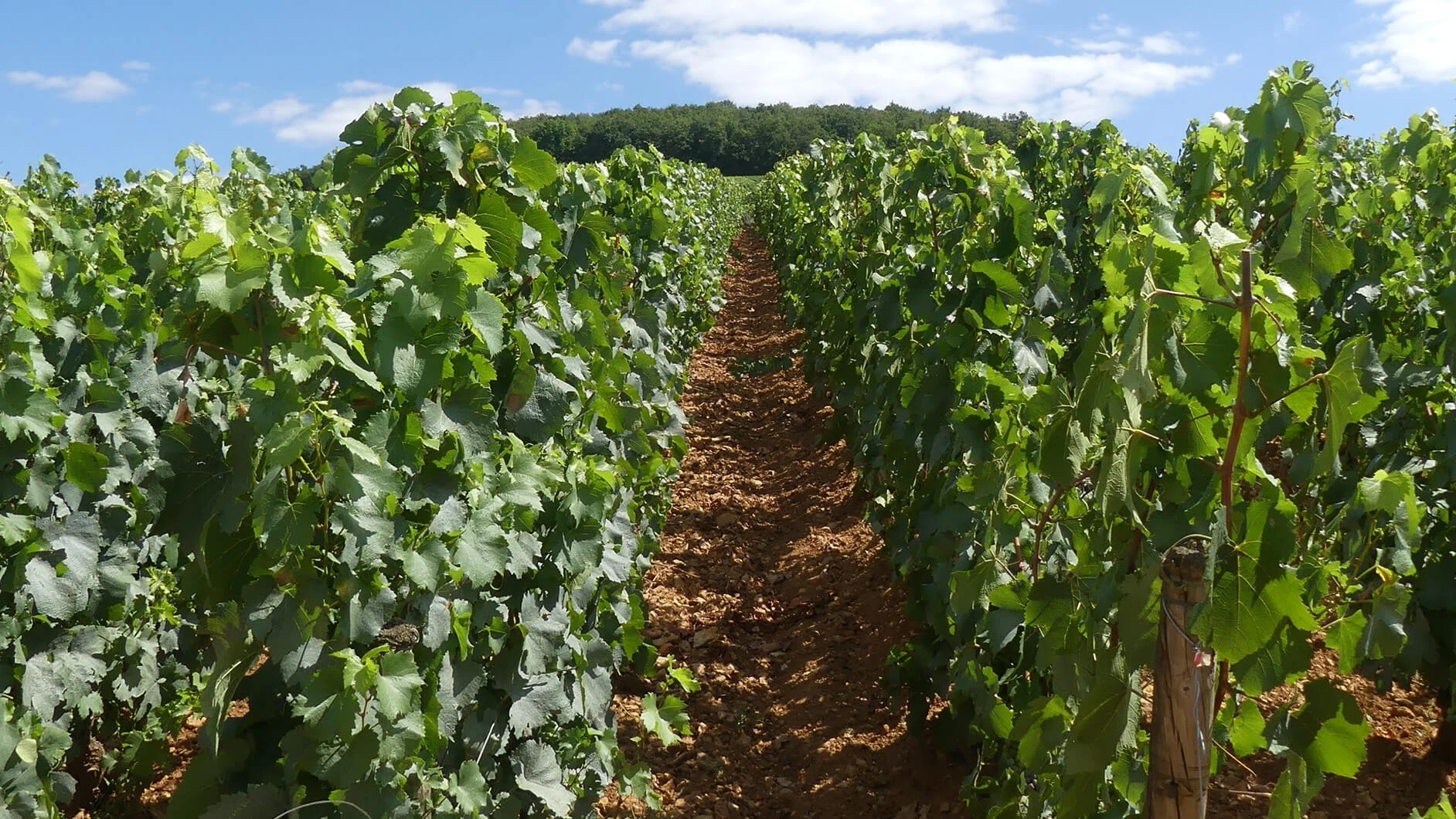
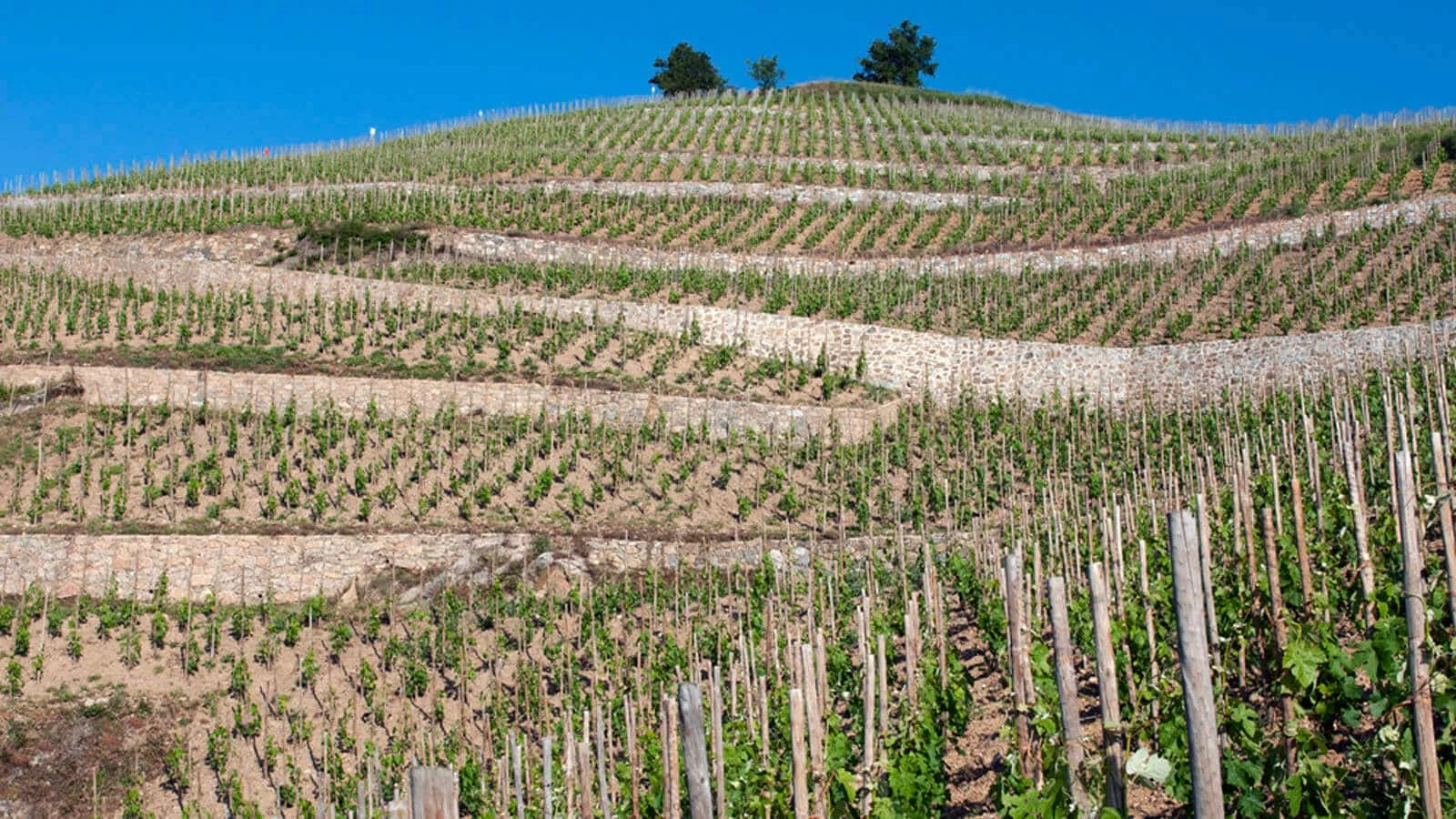
Domaine Marcel Deiss in Bergheim, Alsace is a biodynamic estate winery known for terroir-driven expressions like Altenberg de Bergheim Grand Cru 2018, Langenberg 2022 and a signature 13 cépages field blend. The estate practices complantation, co-planting all authorized Alsace varieties, to coax mineral precision from argileux marneux and decomposed limestone soils. Expect layered citrus, slate-driven minerality and tensile acidity in flights guided by an informed cellar team. Visiting guests encounter intimate tastings by appointment, estate-only bottlings and a philosophy that helped reshape Alsace AOC rules in 2005. Sensory notes lean citrus peel, wet stone, white florals and savoury spice, delivered with Old-World restraint and age-worthy structure.
The Route du Vin that threads through Bergheim is one of Alsace's most-travelled corridors, connecting cellar door to cellar door through a range of half-timbered villages and grand cru slopes. Most producers along it offer tastings that follow a familiar format: pour, sip, note the fruit, move on. Domaine Marcel Deiss, at number 15, does something differently. Visitors are asked not just to register flavour but to consider texture, weight, and the structural logic of what they are drinking. It is a tasting experience calibrated for people who want to understand wine rather than simply rate it.
Alsace built its modern identity around varietal labelling. You buy a Riesling, a Gewurztraminer, a Pinot Gris. The grape is the story, and the appellation system has largely codified that hierarchy. Deiss operates from a different premise: that a place, not a grape variety, is the primary unit of meaning in great wine. This is the terroir-first doctrine taken to its logical conclusion, and it puts the domaine in a philosophical argument with the mainstream Alsace model that has played out over decades in regulatory corridors as much as in the cellar.
That argument has real consequences in the glass. Wines here are often field blends, multiple varieties grown and harvested together on a single parcel, fermented together, and bottled as an expression of that specific piece of ground rather than as a portrait of any single grape. In a region where varietal purity is treated as a selling point, that choice is a deliberate provocation, and the tastings are partly an exercise in helping visitors hear what the domaine is saying.
The EP Club awarded Domaine Marcel Deiss a Pearl 1 Star Prestige in 2025, with the citation specifically noting that the tasting format asks visitors to move beyond flavour into the territory of mouth-feel and consistency. That framing matters. A great many tasting rooms offer guided pours with running commentary; relatively few ask visitors to engage with wine as a structural object rather than a flavour delivery mechanism. The Deiss approach belongs to a cohort of producer-led experiences, found more readily in Burgundy and parts of the Rhone than in Alsace, where the winemaking philosophy is the curriculum and the tasting is the lesson.
This is not a format suited to a quick stop between lunch and the next village. Visitors who arrive expecting to collect tasting notes and purchase a mixed case will find the experience somewhat at odds with their expectations. Those who come prepared to be challenged, and to spend genuine time with the wines, will get something closer to an education in what Alsace can produce when it abandons its own genre conventions.
Bergheim itself is one of the smaller, less commercially trafficked stops on the Alsace wine route, which gives it a different character from the larger centres at Riquewihr or Ribeauvillé to the south. The medieval ramparts are largely intact, foot traffic is lower, and the village has not been reshaped by wine tourism infrastructure to the same degree as its neighbours. That context suits a domaine whose approach resists easy commodification. The address at 15 Route du Vin places it squarely on the main axis, accessible rather than remote, but the experience inside runs counter to the efficient-tasting-room model that the route has largely standardised.
Alsace grand cru production is dominated by a handful of prominent houses and a longer tail of smaller domaines with varying levels of international recognition. The producers who have built sustained reputations outside France tend to share two characteristics: a clearly articulated philosophy that travels well in text, and wines that perform in blind comparative contexts against burgundy and German counterparts. Deiss has both, which explains why the domaine attracts visitors who arrive specifically for this experience rather than as incidental wine route tourists.
For comparison, producers elsewhere in France approaching similarly distinctive terroir-driven positions, including Château Bélair-Monange in Saint-Emilion or Château Clinet in Pomerol, operate inside appellations where the terroir argument is the accepted mainstream vocabulary. In Alsace, making that argument means swimming against a regulatory and marketing current, which lends the domaine a different kind of credibility: it has insisted on its position at a cost rather than because the system rewarded it.
Château Bastor-Lamontagne in Preignac, Château Branaire Ducru in St-Julien, and Château Cantemerle in Haut-Médoc.
Alsace has more cellar doors per kilometre of wine route than almost any other French region, and the quality of the tasting experience varies considerably. At one end of the spectrum, large cooperative operations offer efficient pours in well-designed spaces with multilingual staff. At the other, small family domaines receive visitors by appointment only, with the winemaker or a family member conducting sessions that can run two hours. Deiss sits in the latter category in terms of intellectual depth, even if its physical address on the main route makes it appear more accessible than a true appointment-only operation.
For visitors building an Alsace itinerary, nearby producers offer interesting points of comparison. Albert Boxler in Niedermorschwihr works with similarly serious intent in a different sub-regional context. Further afield, Chartreuse in Voiron offers a study in a producer whose product is inseparable from the philosophy behind it, a useful structural parallel. Locally, A. Batch Distillery in Bergheim represents a different tradition of small-scale Alsatian production worth understanding alongside the wine domaines.
Accendo Cellars in St. Helena and Château d'Arche in Sauternes represent producers where terroir and precision are similarly foregrounded. Château Boyd-Cantenac in Cantenac and Château d'Esclans in Courthézon extend the picture further, as does Aberlour in Aberlour for readers whose interest runs to spirits alongside wine. Château Batailley in Pauillac rounds out the comparison set for those focused on classified Bordeaux.
Domaine Marcel Deiss is located at 15 Route du Vin in Bergheim, directly on the main wine route through the village. Because the tasting format is substantive rather than cursory, visits work leading when scheduled as the primary activity of a half-day rather than as one stop among several. Bergheim is most accessible by car from Colmar, roughly 15 kilometres to the south, which serves as the practical base for most visitors to this stretch of Alsace. The wine route is seasonal in character, with the largest visitor volumes arriving between late spring and harvest in October. The domaine address is 15 Rte du Vin, 68750 Bergheim.
Domaine Marcel Deiss has received recognition including: Pearl 1 Star Prestige (2025); Wine tastings often require you to talk about flavour, but Domaine Marcel Deiss takes things further, asking you to consider the mouth-feel and consistency of i.
Domaine Marcel Deiss is located at 15 Rte du Vin, 68750 Bergheim, Bergheim.
Domaine Marcel Deiss built its reputation on lieu-dit and grand cru blends that prioritise place over grape variety, which inverts the standard Alsace model. Because the tasting format at 15 Route du Vin is designed to discuss texture and mouth-feel rather than varietal typicity, the house's grand cru expressions are the wines most discussed in that context. Specific current releases are best confirmed directly with the domaine before visiting.
Domaine Marcel Deiss is known for rejecting Alsace's varietal-labelling convention and bottling wines under place names rather than grape names, positioning terroir as the primary argument. The EP Club awarded the domaine a Pearl 1 Star Prestige in 2025, with the citation specifically noting that tastings ask visitors to consider mouth-feel and consistency rather than simply identifying flavour. That tasting format is as much the point as the wine itself.
Because the tasting format at Domaine Marcel Deiss is structured and substantive rather than walk-in casual, advance planning is advisable rather than optional. The domaine is located at 15 Route du Vin in Bergheim, a smaller stop on the Alsace wine route that sees less passing foot traffic than Riquewihr or Colmar, but the tasting itself has a following. Contact the domaine directly to confirm availability and booking requirements before making the trip.
15 Rte du Vin, 68750 Bergheim
Domaine Marcel Deiss
Domaine Faiveley
Domaine Henri Bourgeois
Moët & Chandon
Château de Berne
E. Guigal