Tom Lubbe, winemaker at Domaine Matassa in Montner, works old Catalan vines through organic farming and low-intervention cellar choices.
Tom Lubbe keeps the grapes in front as winemaker at Domaine Matassa in Montner, working Carignan, Mourvèdre, Grenache Gris, Macabeu, Muscat d'Alexandrie, Muscat Petits Grains, and Lladoner Pelut from Roussillon soils that do not flatter easy farming. His route to this bench ran through South Africa, Bordeaux, and then Calce, where he worked with Gérard Gauby at Domaine Gauby before establishing Matassa in 2003. The estate began with a domestic scale that still shadows the method: the first vintage was made in a living room, before the work moved into the old Gauby cellar in 2004. Lubbe founded the domaine with Nathalie Gauby and Sam Harrop, and the line of the place has stayed close to Northern Catalunya, old parcels, and varieties that carry local memory without needing translation. At Matassa, Tom Lubbe is not presented as a consultant passing through. He is founder, owner, and winemaker, with cellar decisions held near the estate and the farming. His own wording is plain: “Real wine is taking additives out of the equation and putting grapes to the front.” That sentence gives the house its discipline.
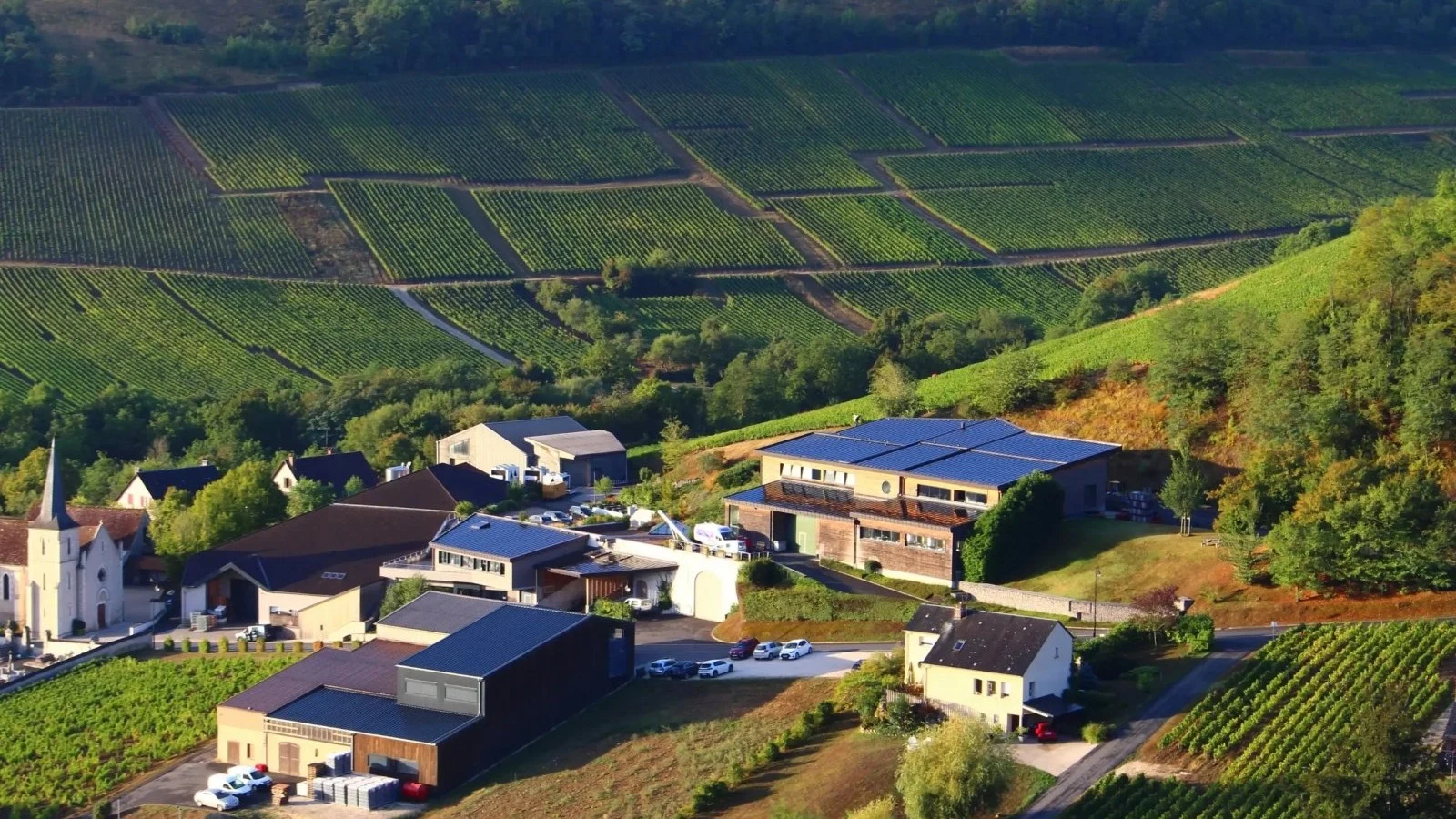
The work begins across 20 hectares of certified organic vineyards, with vine ages running from 30 to 115 years. The parcels sit around Calce and Montner in the Agly valley, on schist, marl, black slate, and black marl, with old vines often carrying co-planted material rather than a single clean varietal line. Lubbe has worked with biodynamic preparations since the beginning in 2003, though the estate now places more weight on cover crops and the life of the soil than on a rigid system. Yields in some newer areas are described in the 25/30 hl/ha range, still held low enough to keep the fruit in tension. In the cellar, the method follows the same subtractive logic. Indigenous yeasts, low intervention, and the refusal of chemical aids in the vines shape wines that move across white, red, orange, and sparkling registers. Matassa Blanc Brutal Orange 2024, Alexandria, and El Carner 2024 sit within that vocabulary: Catalan varieties, hard soils, and the hand of a winemaker who spent time tasting wines from granite, schist, and gneiss before deciding how direct pressing could speak.
The room at Domaine Matassa has the feel of a working estate rather than a staged tasting room. The noise is low. The attention is outside first, in the vineyard rows and the soil cover, then inside, where cellar choices stay close to the fruit rather than covering it with recipe. Montner gives the address, but the gravity of the work pulls toward the wider Roussillon, especially Calce and the old Catalan material planted there. The place is small in scale and firm in character, with no need to soften its edges. Black slate, black marl, and schist are not scenery here. They are part of the method. The estate holds Matassa in the parcels, the cover crops, and the bottles that carry Muscat d'Alexandrie beside Lladoner Pelut.
Montner, Occitanie, Frankreich
Montner