Old vines, indigenous yeasts
- Falstaff Winery - Listed · 2026
Since 2002 at one cellar
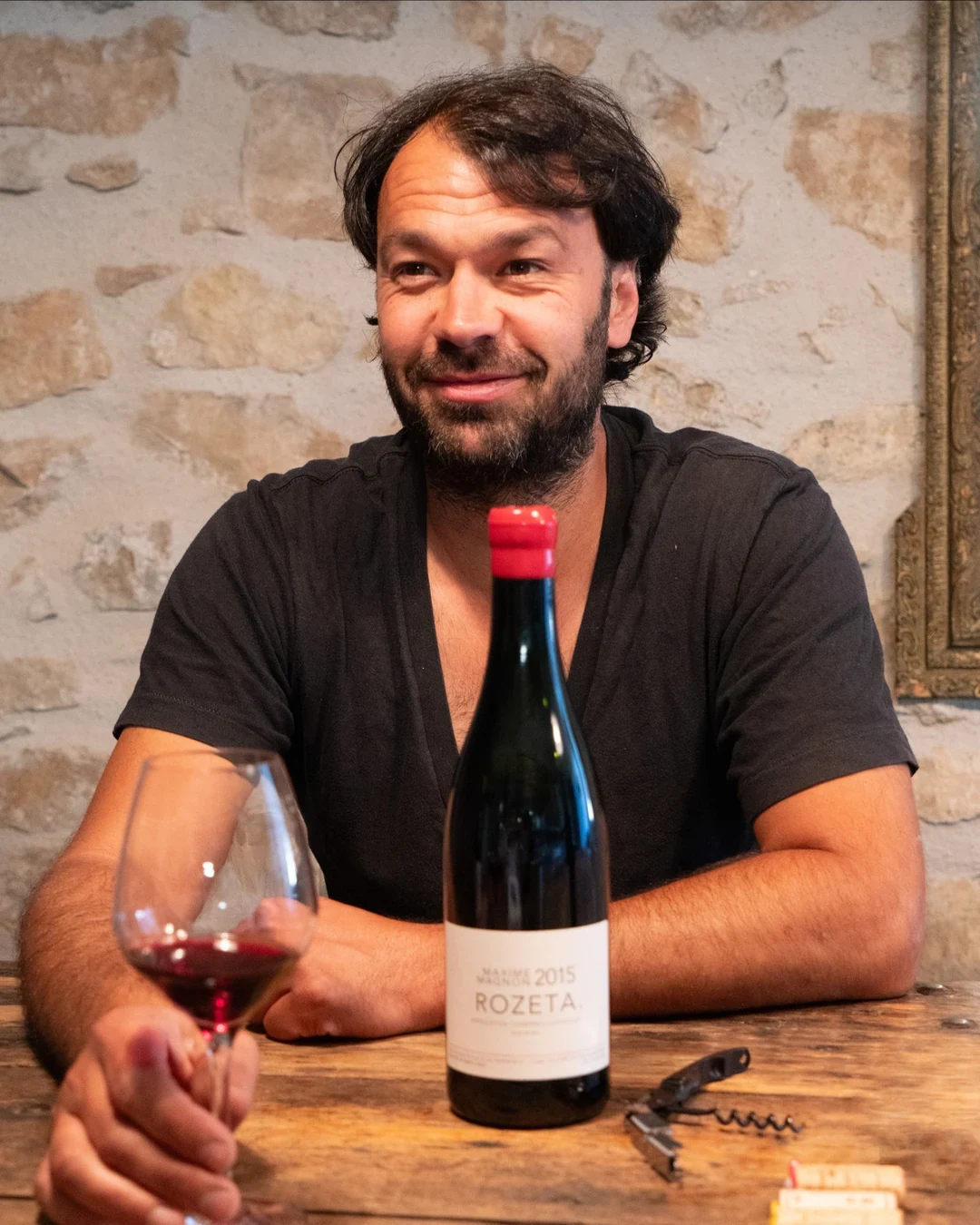
Since 2002, the cellar work has stayed attached to the same high country. Maxime Magnon, winemaker at Domaine Maxime Magnon in Villeneuve Les Corbieres, carries that station with the patience of a maker who came through apprenticeship before he put his own name on the door. He came south from Burgundy after training under Philippe Valette in the Mâconnais and Thierry Allemand in the Rhône, two formative names in low-intervention wine, then settled among the Hautes Corbières rather than a more legible address. The move was not a performance of escape. It gave him old vines, altitude, schist, clay, limestone, and a landscape between Villeneuve-les-Corbières, Durban, and Cascastel that asks for close work before it offers anything back.
The estate began in 2002, and Magnon remains in post. That continuity matters here because the wines read less like a seasonal adjustment than a long conversation with parcels that had been left outside the region’s industrial habits. Burgundy gave him one grammar, Valette and Allemand another; in the Corbières, he has had to translate both through Carignan, Grenache, Cinsault, Macabeu, Syrah, and the dry pressure of garrigue.
Old vines, animals, indigenous yeasts
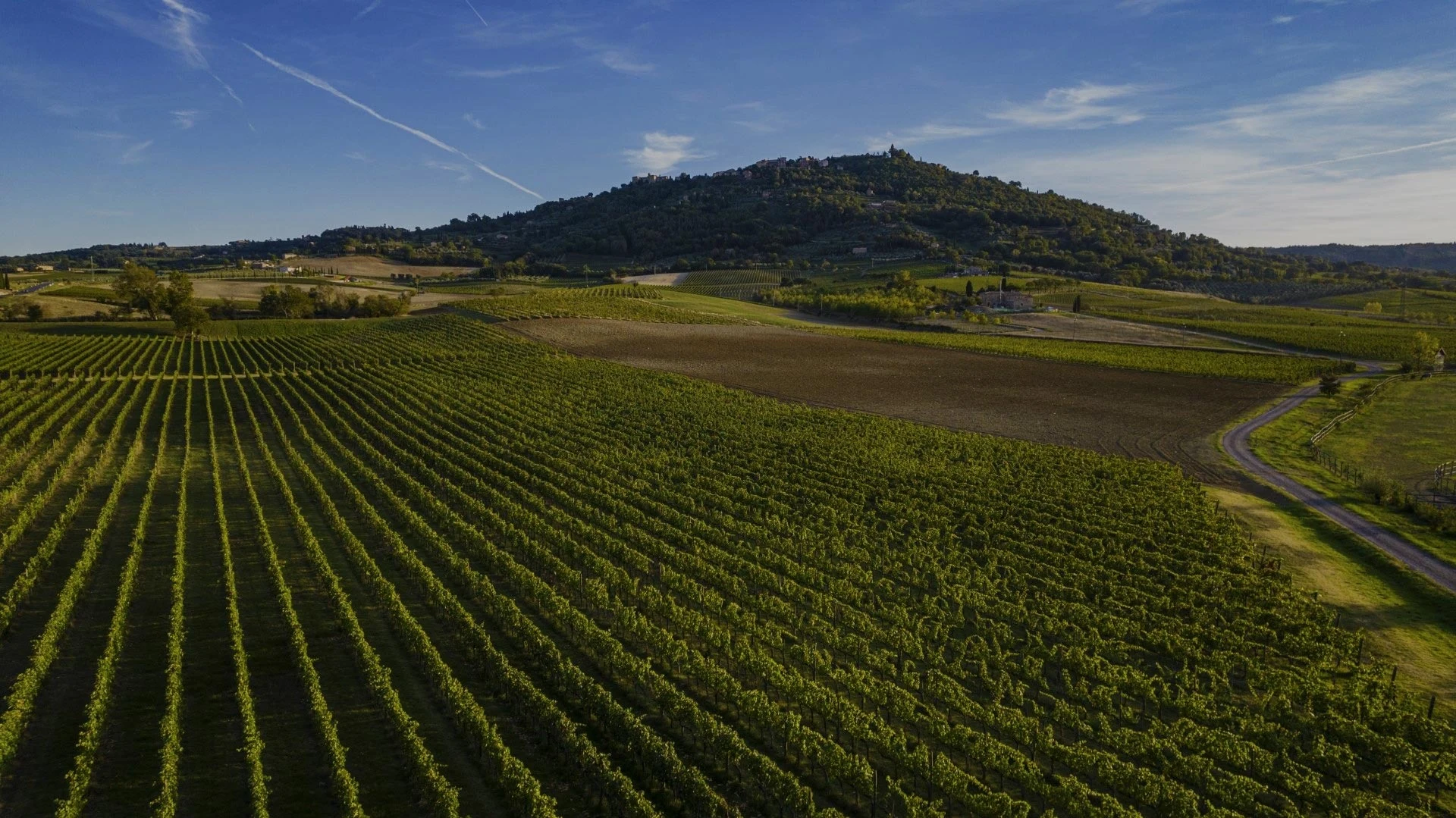
The domaine works on a small estate of roughly 14–15.5 hectares, farmed organically and shaped by biodynamic practice. Certification is cited from 2007. Magnon works by hand and with a chenillard, the small tracked tractor suited to steep ground, and avoids synthetic treatments. In winter, sheep and Jersey cows move through the vines, grazing where autumn tillage would risk erosion and returning the old mixed-farm rhythm to slopes that had narrowed toward viticulture alone.
The cellar follows the same restraint. Fruit is estate-grown, harvested by hand in small crates, then fermented with indigenous yeasts rather than commercial starters. Some cuvées take whole clusters. Reds age in foudres and old barriques, then are bottled without fining or filtration; whites may see gentle filtration for stability. Sulfur stays low. The method is not built to erase the place: clay gives depth, schist brings freshness, limestone pulls the finish toward salinity. La Bégou, Métisse, Rozeta, Campagnès, and La Démarrante form the names most closely associated with Magnon’s hand.
The cellar in the Hautes Corbières
The room around the work is rural rather than staged. This is not a polished visitor-center estate; the point is the vineyard, the cellar, and the bench-side decisions that connect them. The setting is remote, mountainous, and quiet, with high-altitude parcels held in a wild garrigue environment where stone, scrub, and wind set the pace. The tasting room, when the wines reach it, follows the cellar rather than the other way around.
In that frame, freshness becomes a structural choice, not a decorative one. The reds are not pushed toward weight for its own sake, and the whites keep their line through texture and salt. If the estate has a signature, it sits in that discipline: fruit with lift, tannin without force, and the patient return to old-vine Carignan in Campagnès.
Questions
Frequently asked
Who makes the wine at Domaine Maxime Magnon?
Maxime Magnon makes the wine and remains in post at the domaine he started in 2002. He came to the Hautes Corbières after training in Burgundy and in the Rhône.
What is Domaine Maxime Magnon known for?
The domaine is known for old vines, low-intervention cellar work, and wines made from grapes including Carignan, Grenache, Cinsault, Macabeu, and Syrah.
How is the vineyard farmed?
The estate is farmed organically and shaped by biodynamic practice. Sheep and Jersey cows move through the vines in winter, and the work is done by hand and with a chenillard on steep ground.
Do visits need to be booked in advance?
Visits are by appointment only.
The field
How it compares
| Place | Notes | Awards |
|---|---|---|
| Domaine Maxime Magnon | Hautes Corbières, $$$ | · |
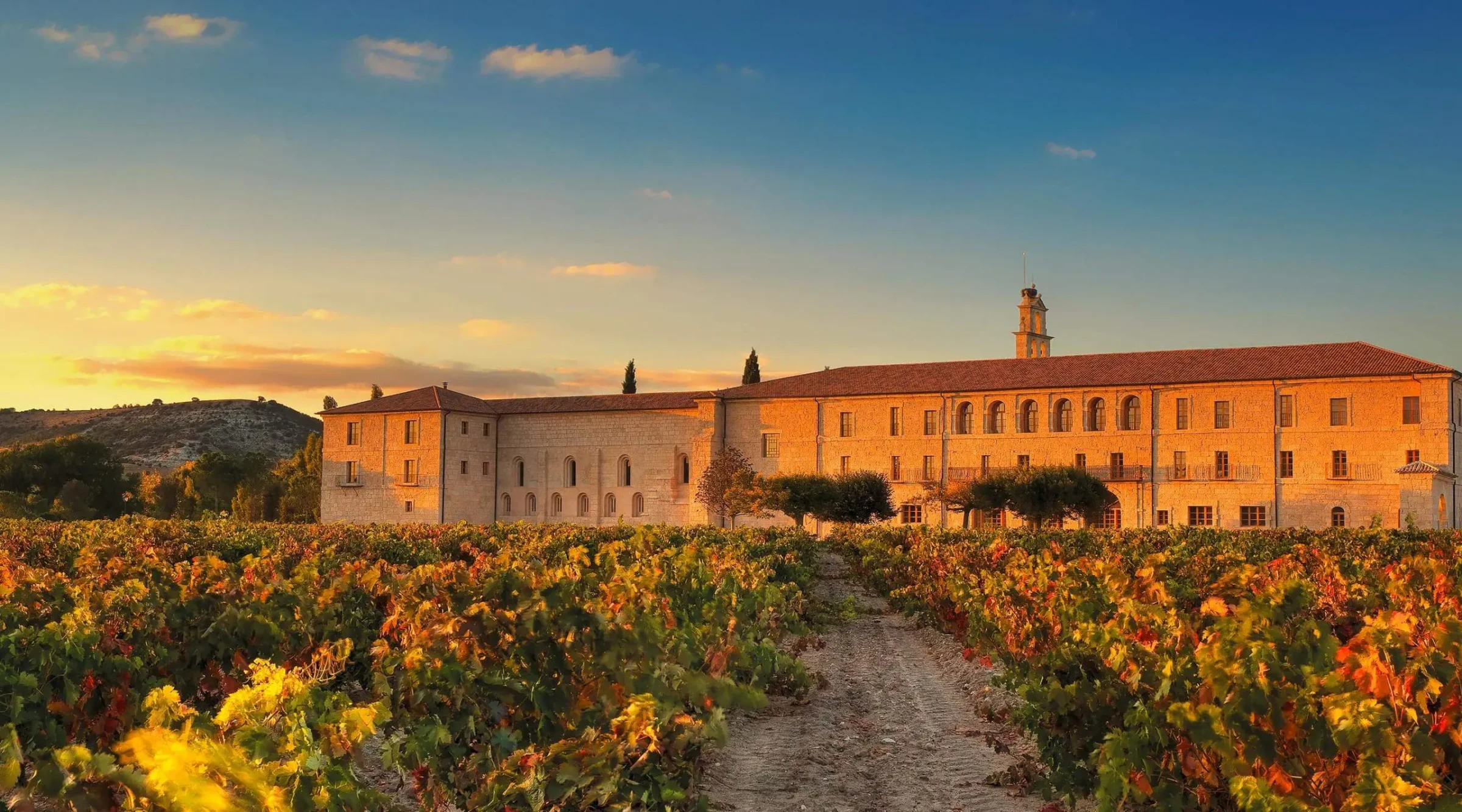
| Abadía Retuerta | Sardón de Duero | World's 50 Best |
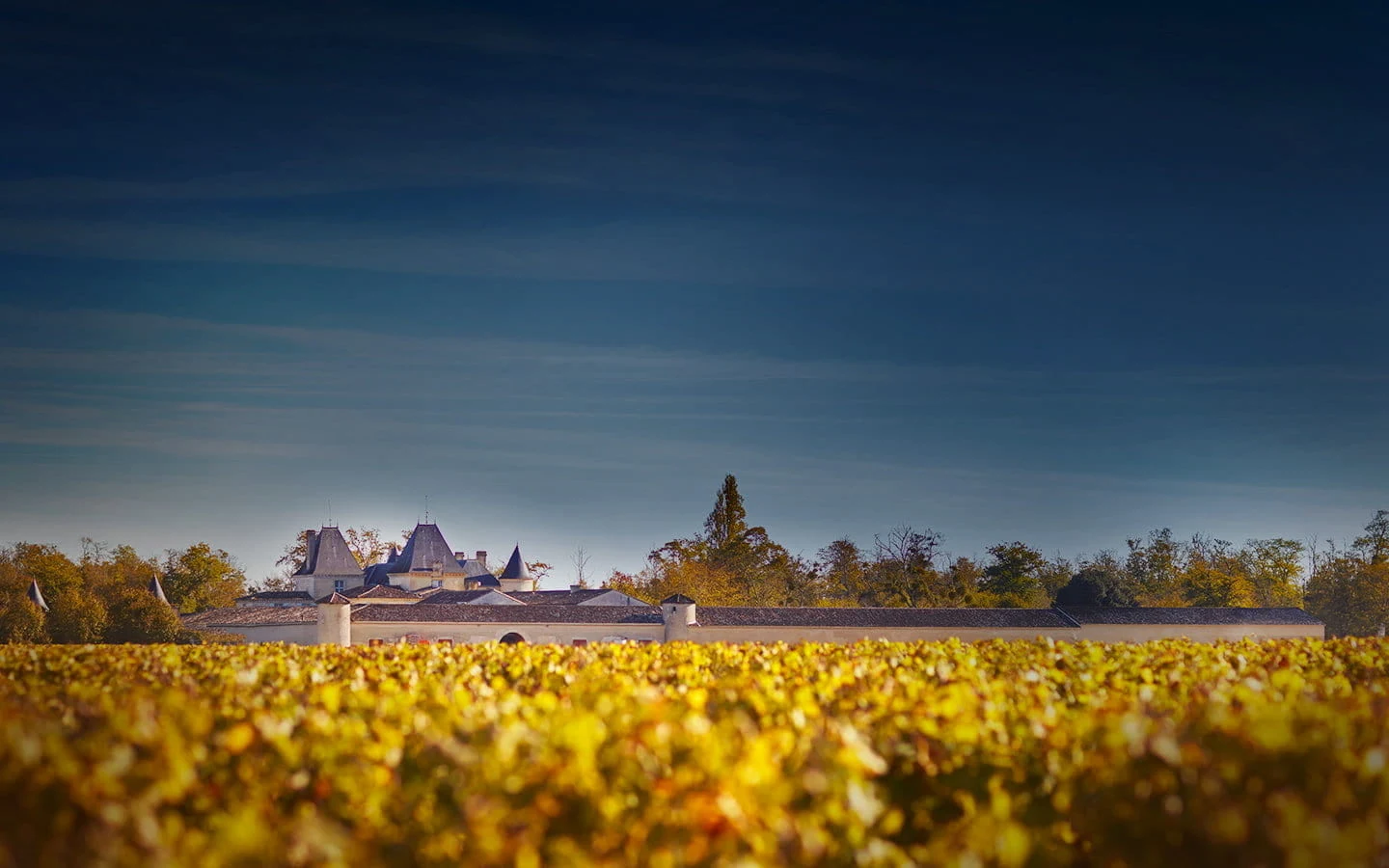
| Château Suduiraut | Preignac | · |
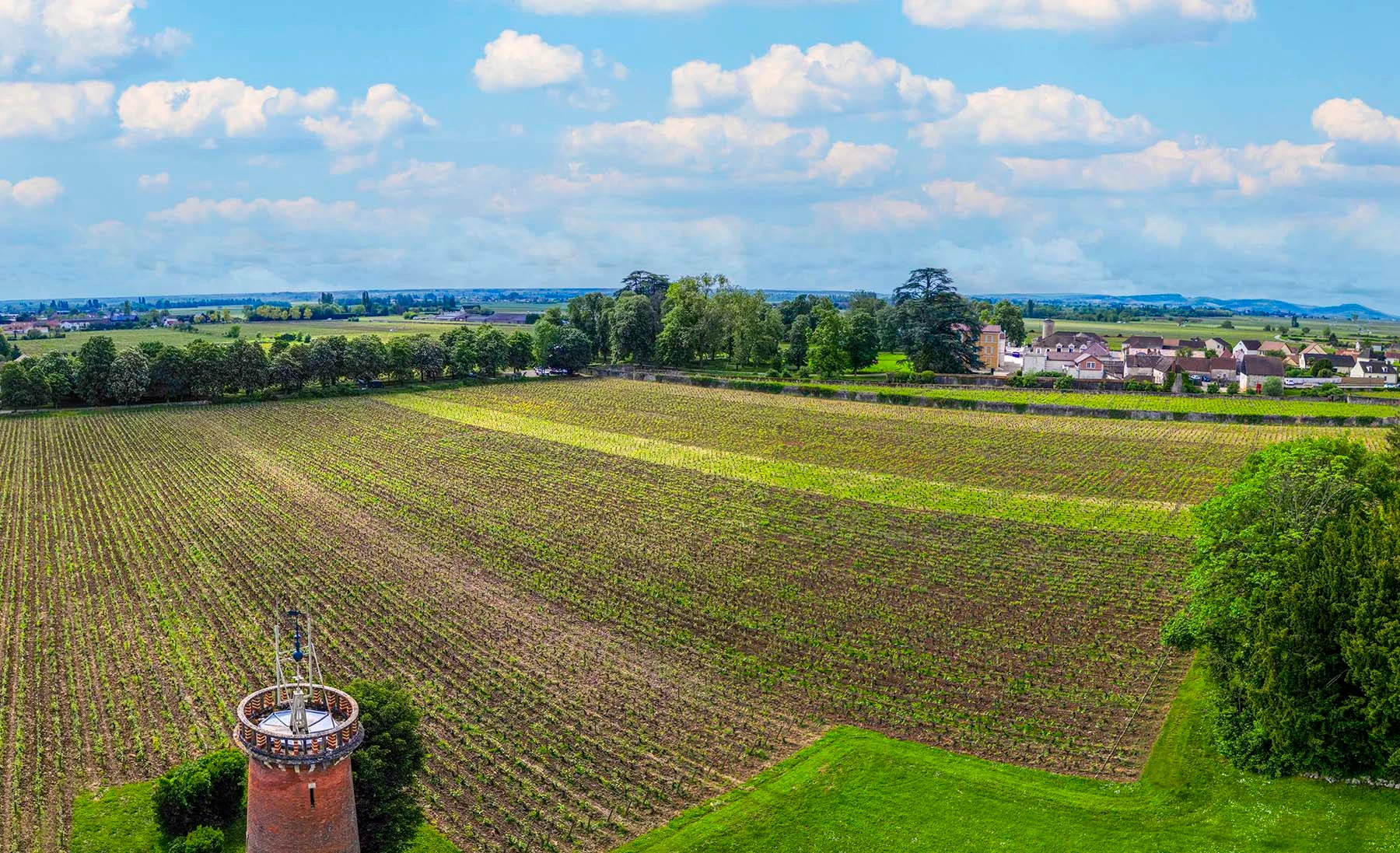
| Domaine Arnaud Ente | Meursault | · |
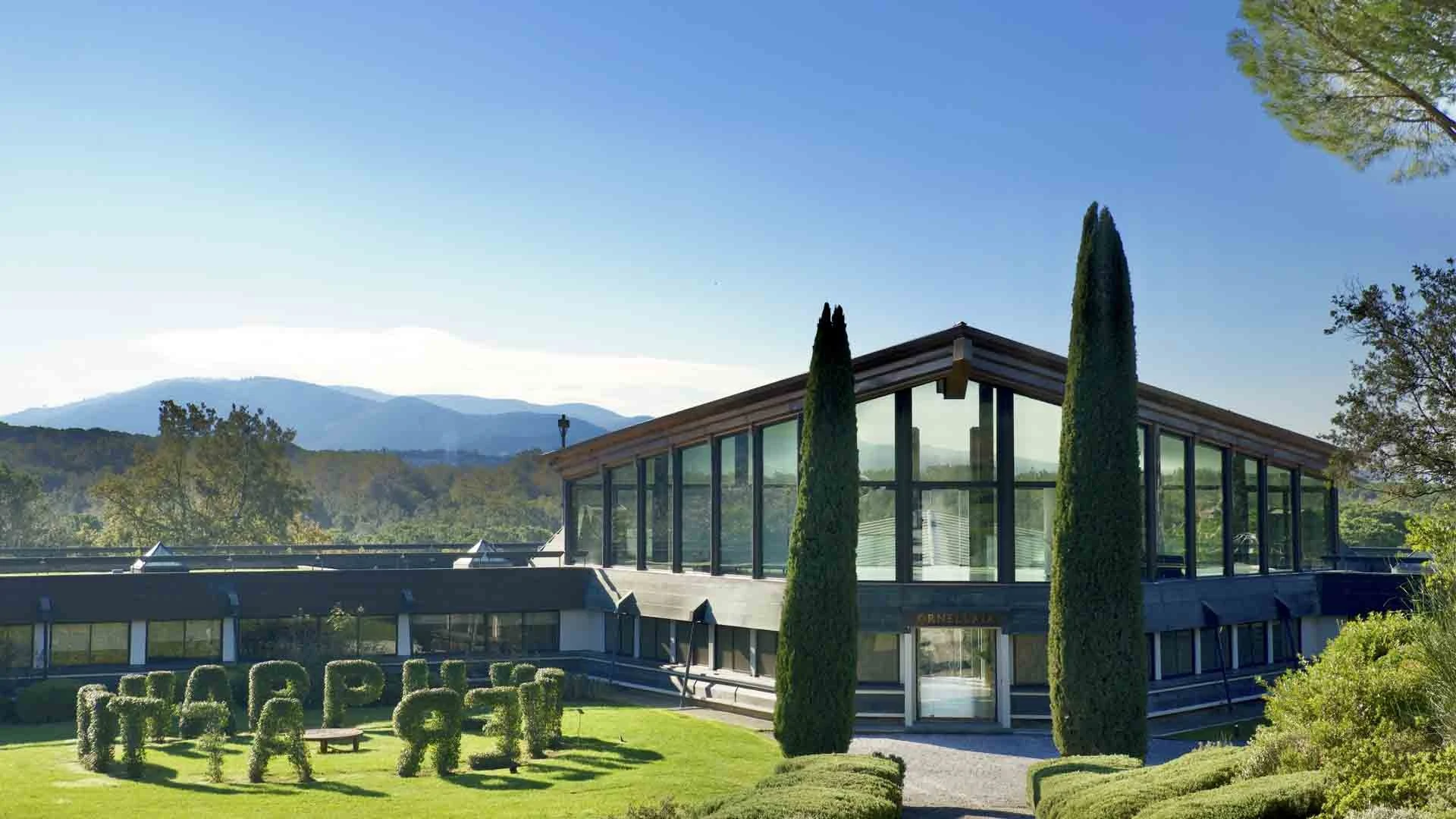
| Ornellaia | Castagneto Carducci | · |
| Valdicava | Montalcino | · |
| Weingut Egon Müller | Wiltingen | · |