- Falstaff Winery - Listed · 2026
Villié-Morgon does not need a flashy visitor-center experience to make its point. At Domaine Mee Godard, the appeal is quieter: a small, artisanal Beaujolais estate focused on Morgon crus, with private tastings that feel reserved, intimate, and closely tied to the wines themselves. The sense of arrival is less about being entertained and more about entering a compact, purposeful world where the estate’s identity is carried by the glass rather than by a layer of performance around it.
The profile here is intentionally narrow. Domaine Mee Godard is best understood as a Morgon-focused stop for drinkers who want a calm, serious encounter with Beaujolais rather than a broad hospitality program. The estate’s tone mirrors the wines as described: delicate yet structured, quietly elegant rather than showy. That narrowness is part of the value. It gives the visit a clear editorial shape and helps set expectations before you arrive: this is a place for attention, not for checking off a long list of experiences.
Morgon through restraint
The useful way to understand Domaine Mee Godard is through focus and restraint. The domaine is associated with Morgon crus, and the experience is framed around wines that balance delicacy with structure. Rather than leaning on spectacle, the visit is about paying attention to what is in the glass. In that sense, the restraint is not emptiness; it is a way of making the wines feel central, allowing texture, balance, and quiet definition to matter more than external drama.
What can be said with confidence is that this is a small Beaujolais estate in Villié-Morgon, and its identity is tied to Morgon rather than to a generic tasting-room model. That distinction matters for planning. A generic tasting room can often feel interchangeable, while a Morgon-centered estate visit is more specific, more closely anchored to one cru, and more rewarding for visitors who are interested in the character of that place.
That makes Domaine Mee Godard a strong fit for travelers who already care about cru Beaujolais, or who want a quieter introduction to Morgon through a private tasting format. The draw is not excess; it is concentration, intimacy, and a restrained sense of place. If Beaujolais is sometimes approached casually, this is a reminder that it can also be encountered with seriousness and poise, without losing the delicacy that makes the region appealing.
A private tasting format for people who want focus, not spectacle
The experience is private, reserved, and low-key. It is better suited to visitors who want a focused tasting at a small estate than to those looking for a large-scale visitor attraction or a broad food-and-wine program. The atmosphere is quiet, intimate, and quietly elegant without feeling flashy. That kind of format tends to reward guests who are comfortable with a slower rhythm, where the conversation and the wines do the work instead of a heavily produced hospitality setting.
The focus is direct: Domaine Mee Godard is a Beaujolais estate centered on Morgon crus. That is the editorial reason to come here. The visit is for people interested in how Morgon can be delicate without feeling slight, and structured without becoming heavy-handed. Those two ideas sit at the center of the experience: delicacy gives the wines lift and finesse, while structure gives them shape and seriousness. The point is not to overwhelm, but to show how those qualities can coexist in a restrained Beaujolais frame.
Plan the stop with the same restraint the domaine projects. Treat it as a focused wine visit in Villié-Morgon, and avoid expecting the amenities of a larger hospitality complex unless you have confirmed them in advance. The better mindset is to arrive for a concise, attentive encounter with the estate’s Morgon identity, rather than to expect a wide set of add-ons. In practical terms, that means letting the tasting stand on its own merits and giving it enough space in the day to feel unhurried.
How to place it within a Villié-Morgon wine itinerary
Domaine Mee Godard fits a Villié-Morgon itinerary built around cru Beaujolais rather than broad regional sampling. Readers mapping the wider area can use the local winery index for context: Our full Villié-Morgon wineries guide. For adjacent planning, keep the city’s other rails close: Our full Villié-Morgon restaurants guide, Our full Villié-Morgon hotels guide, Our full Villié-Morgon bars guide, and Our full Villié-Morgon experiences guide. The key is to think of the domaine as a precise stop within that larger map, not as a catch-all destination trying to cover every part of a visitor’s day.
For a broader plan, pair Domaine Mee Godard with other unnamed Villié-Morgon dining or lodging options as needed, keeping the focus on a quiet Morgon-centered visit rather than a crowded tasting itinerary. It will make the most sense in a day that leaves room for calm transitions, thoughtful tasting, and a clear emphasis on cru Beaujolais. If the rest of the schedule becomes too busy, the particular appeal of this small, restrained estate can be lost; give it the quieter frame it ask for.
Questions
Frequently asked
Who works at Domaine Mee Godard?
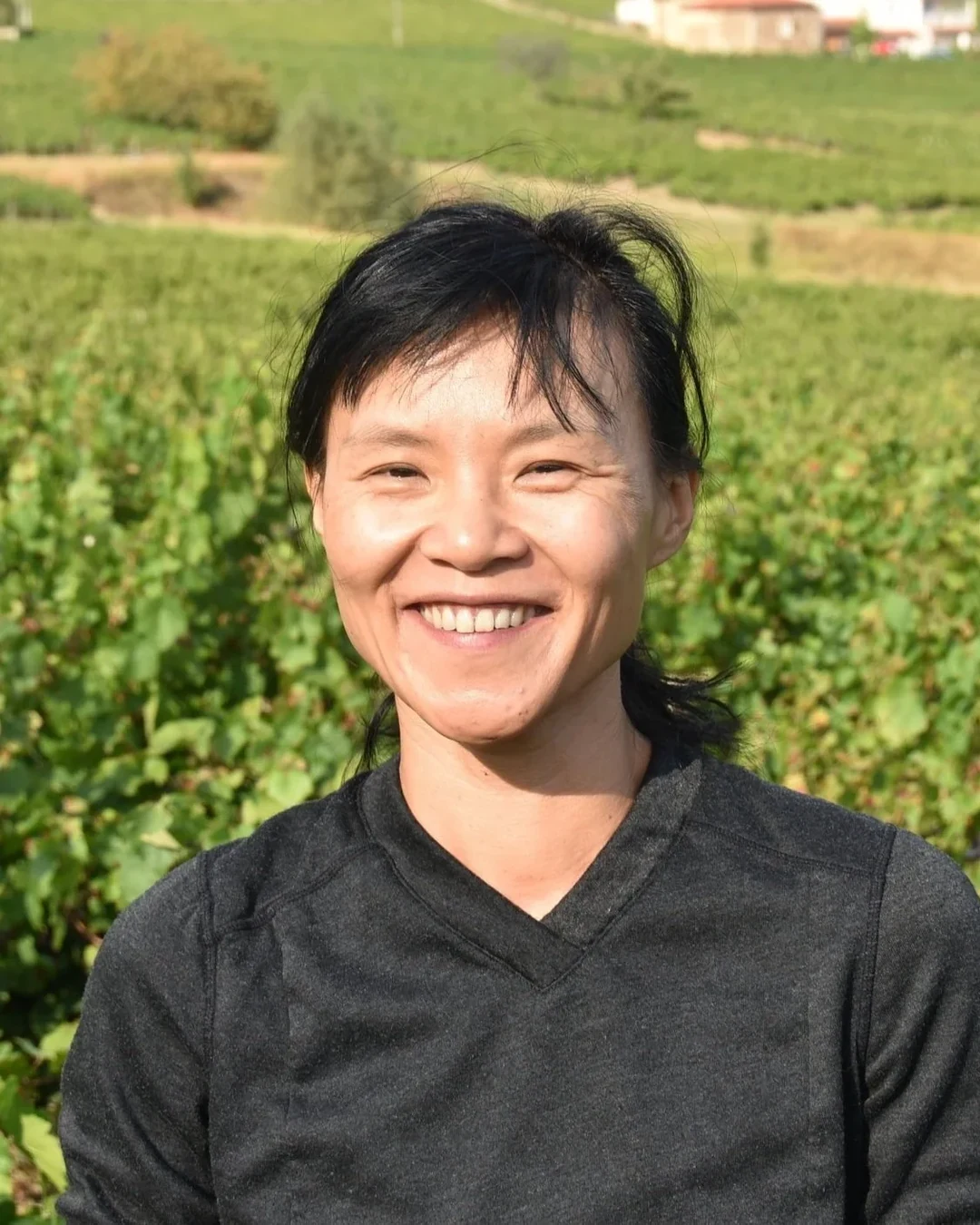
Made By profiles Mee Godard (Winemaker) at Domaine Mee Godard.
How expensive is Domaine Mee Godard?
Domaine Mee Godard is listed at a price level of $$$.
The field
How it compares
| Place | Notes |
|---|---|
| Domaine Mee Godard | Morgon, $$$ |
| Domaine Chamonard | Villié-Morgon |
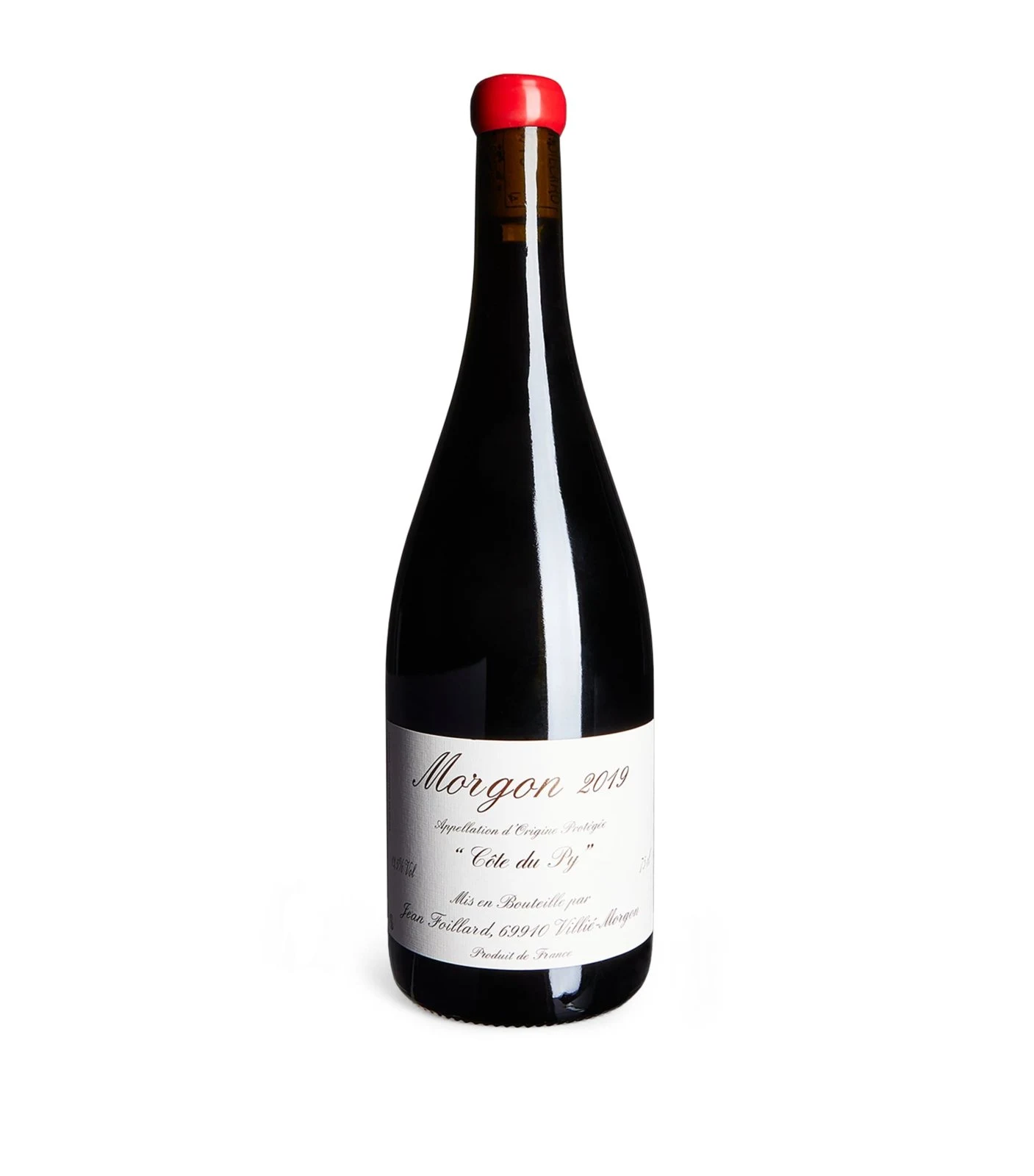
| Domaine Jean Foillard | Villié-Morgon |
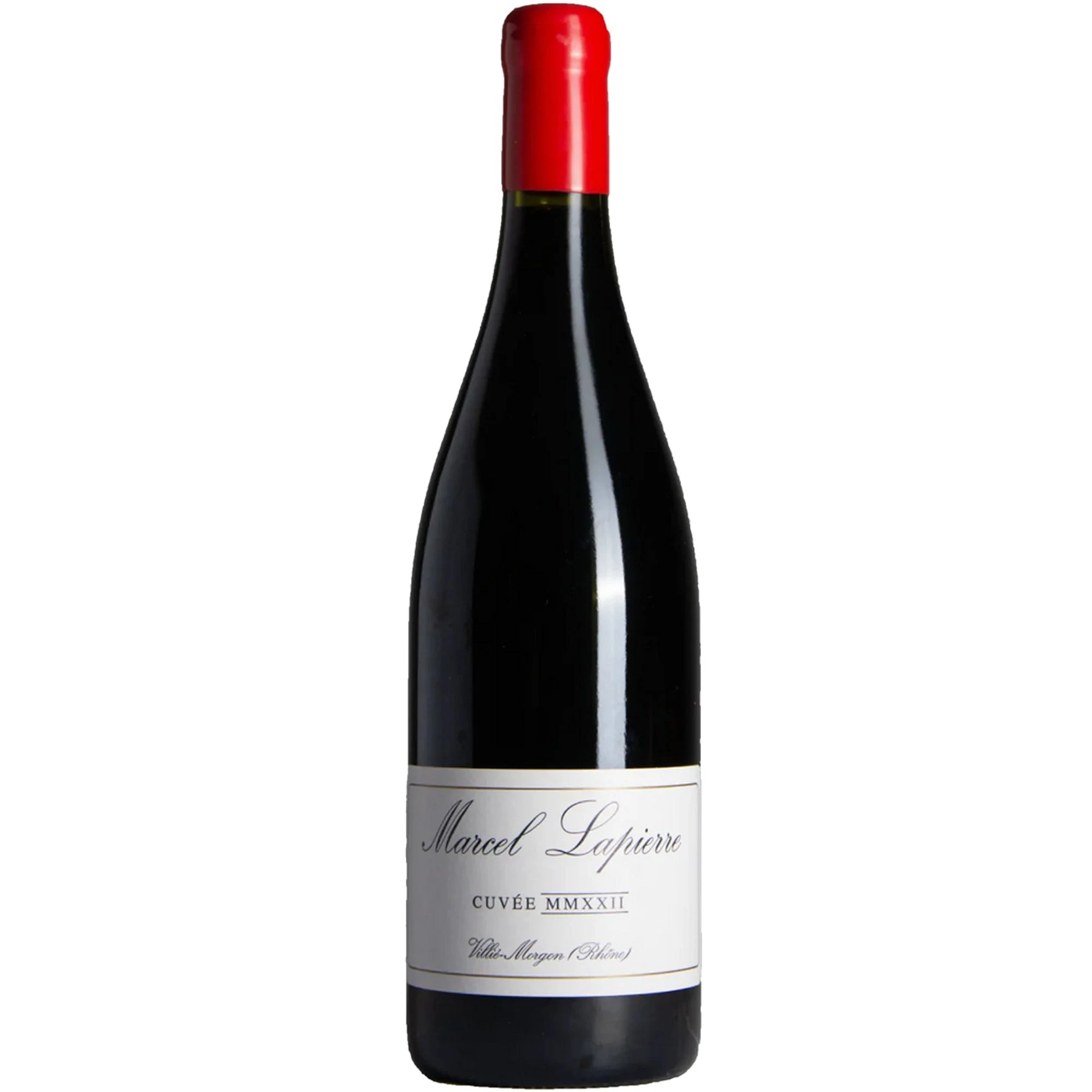
| Domaine Marcel Lapierre | Villié-Morgon |
| Georges Descombes | Villié-Morgon |
| Louis Claude Desvignes | Villié-Morgon |
| M. Lapierre | Villié-Morgon |