Domaine Michel Magnien
- 01CityMorey-Saint-Denis, France
- Falstaff Winery - Listed · 2026
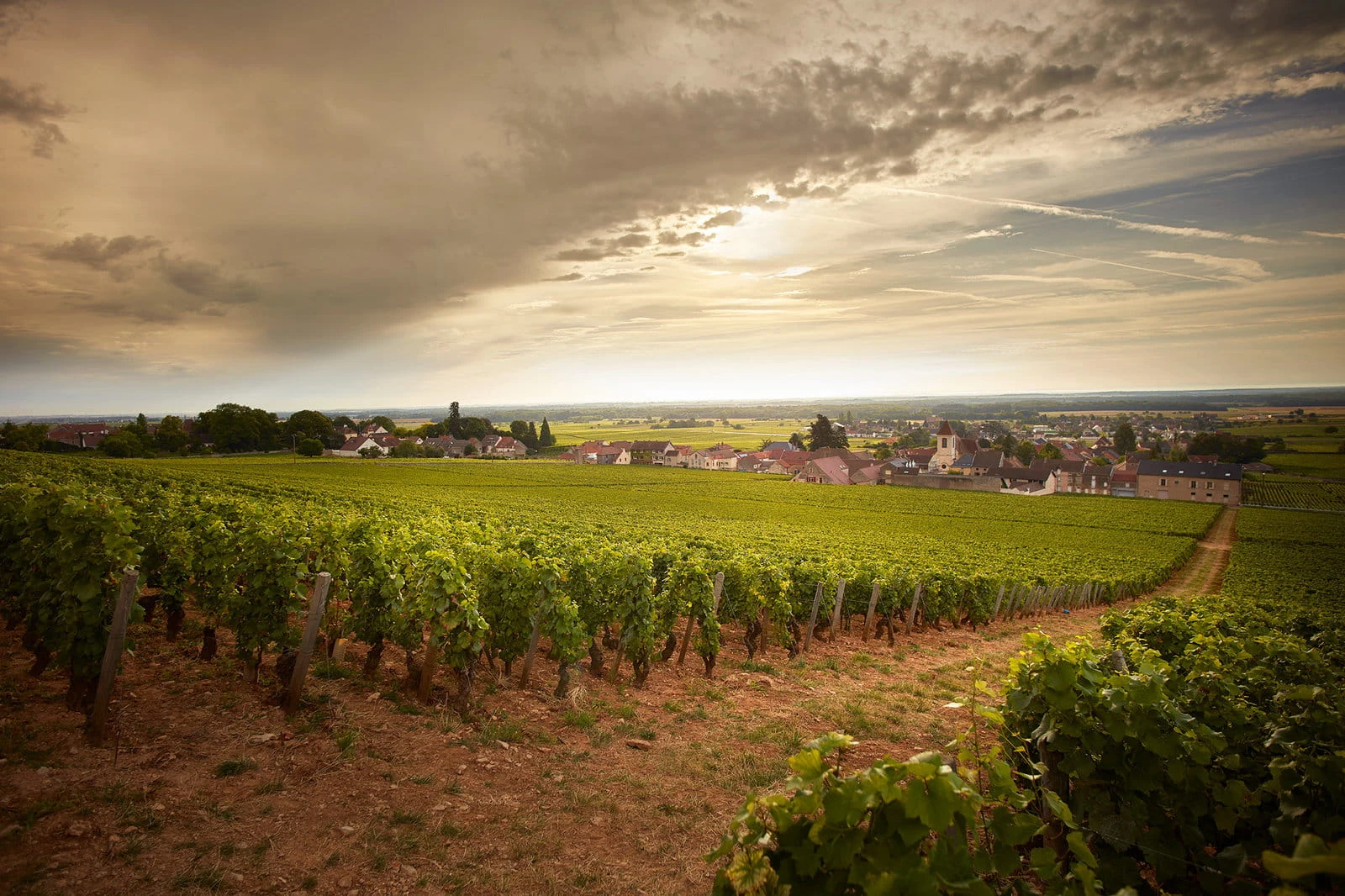
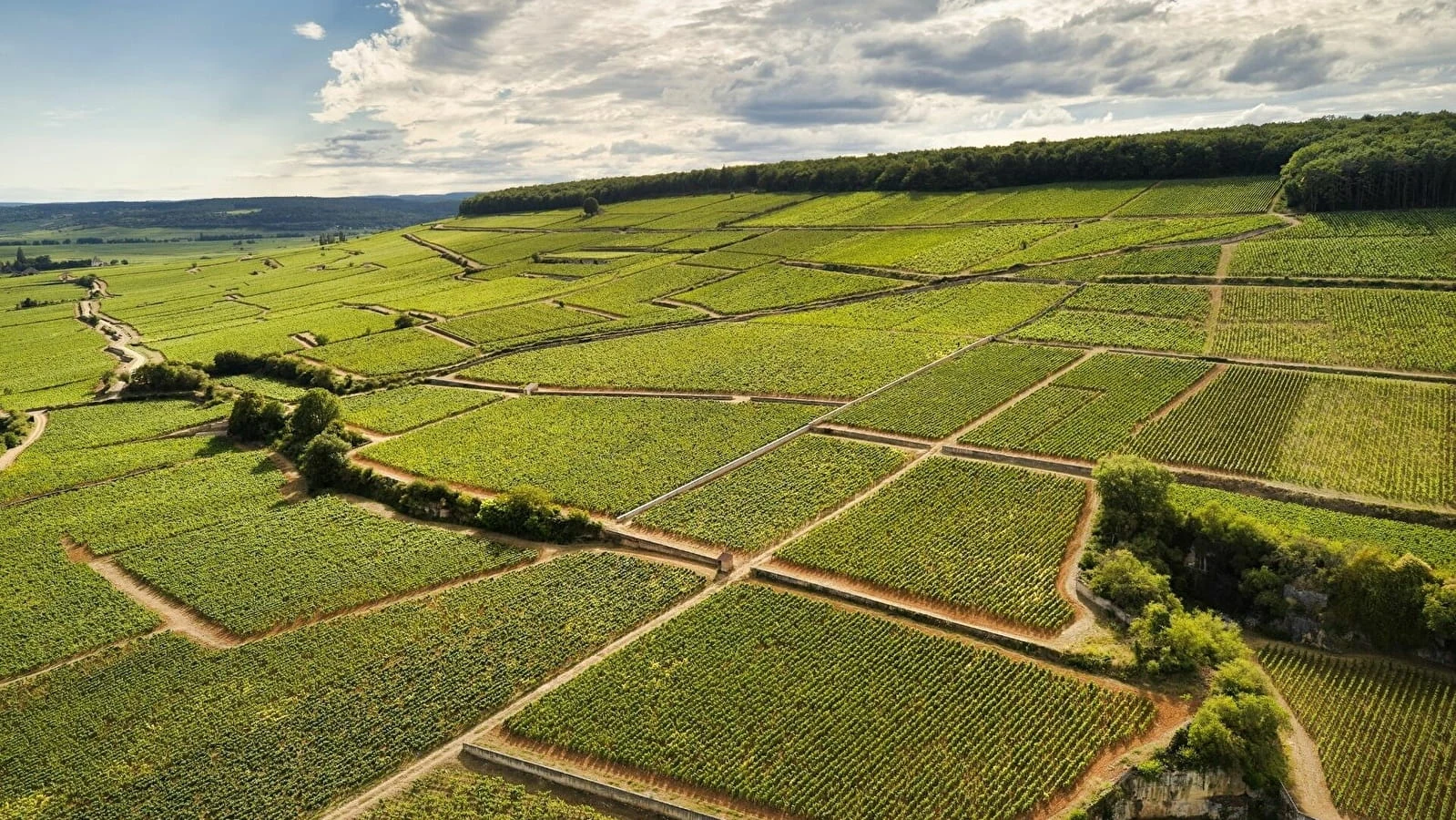
Morey-Saint-Denis does not announce itself with spectacle. In that Burgundy setting, Domaine Michel Magnien is best understood as a traditional family domaine with a modern, terroir-driven philosophy. The picture is focused rather than broad: Pinot Noir, biodynamic farming, and an approach to aging that emphasizes used oak and clay jars rather than overt cellar polish. The appeal here is not built around grand gestures or a heavily staged visitor narrative, but around a quieter set of ideas: farming first, fruit character second, and cellar work that appears designed to support rather than dominate what the wine is trying to say.
Morey-Saint-Denis through Pinot Noir
Domaine Michel Magnien is presented around the elegance of Pinot Noir and the purity of fruit. It is a serious Burgundy context in which farming, fruit character, and site expression matter. In this frame, Pinot Noir is not treated as a generic red wine category, but as the lens through which the domaine’s identity is read. The grape’s delicacy makes that especially important: when the stated ambition is elegance and purity, every choice in the chain, from vineyard practice to aging vessel, becomes part of the message.
Because the data is limited, this guide does not assert specific vineyard holdings, parcel names, production figures, tasting formats, appointment rules, or service details. What can be stated clearly is that the domaine’s identity is tied to Morey-Saint-Denis, Pinot Noir, biodynamic farming, and a restrained aging philosophy. That narrower factual base is still enough to form a useful impression, provided it is read carefully. Rather than filling in the gaps with assumptions, the more accurate approach is to understand Domaine Michel Magnien through the points that are confirmed: place, grape, farming method, and a cellar language that avoids overtly showy oak influence.
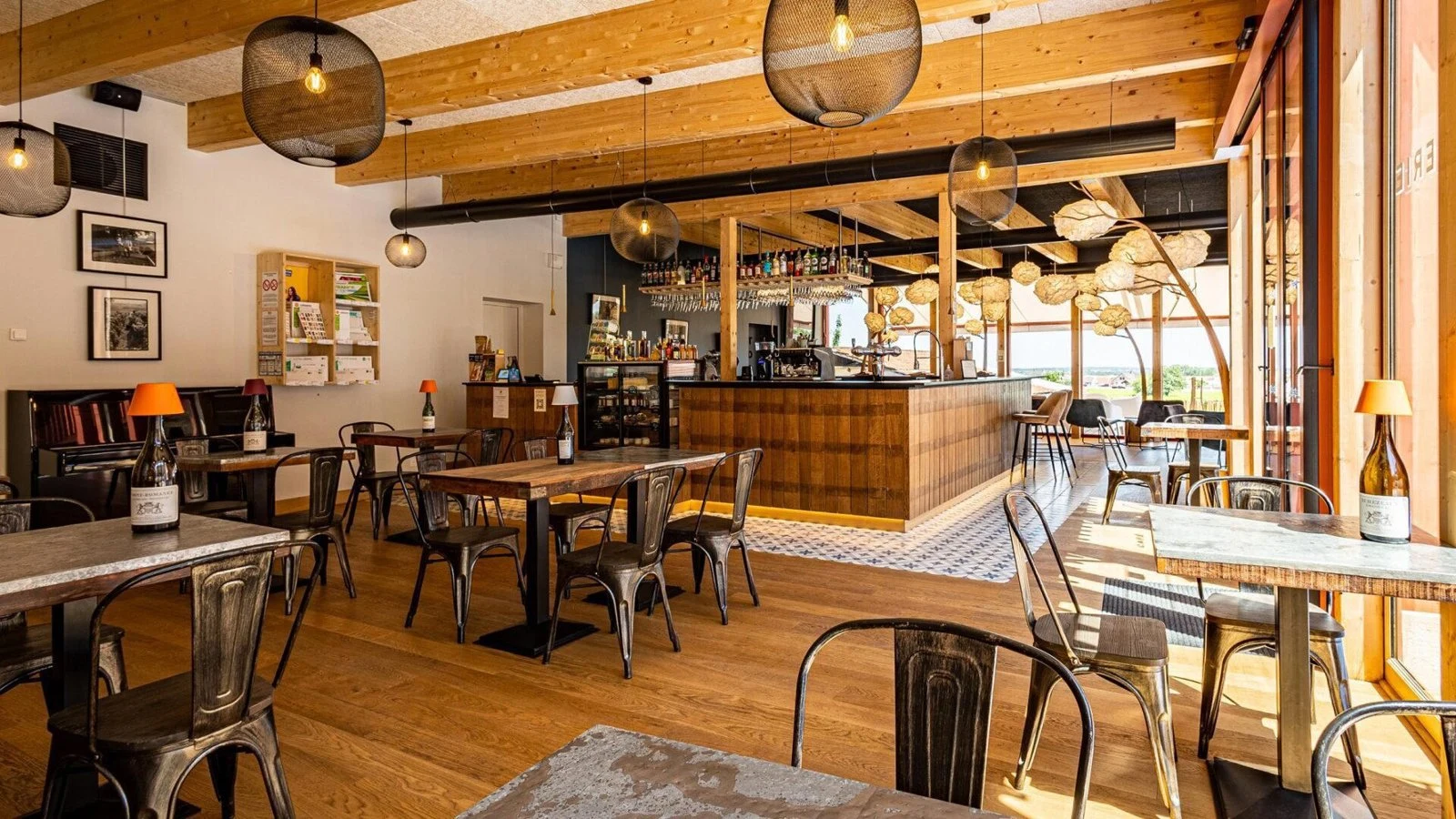
The atmosphere should be read as serious and wine-focused rather than entertainment-led. For travelers building a Morey-Saint-Denis itinerary, Domaine Michel Magnien is a useful reference point for a Burgundy domaine experience centered on terroir and Pinot Noir. It suits the kind of visitor who is less interested in spectacle and more interested in how a domaine presents a coherent philosophy. The value of the stop, in editorial terms, is its clarity: it sits within the village, speaks through Pinot Noir, and is framed by an emphasis on purity, restraint, and site expression.
Clay jars, used oak, and the retreat from cellar flavor
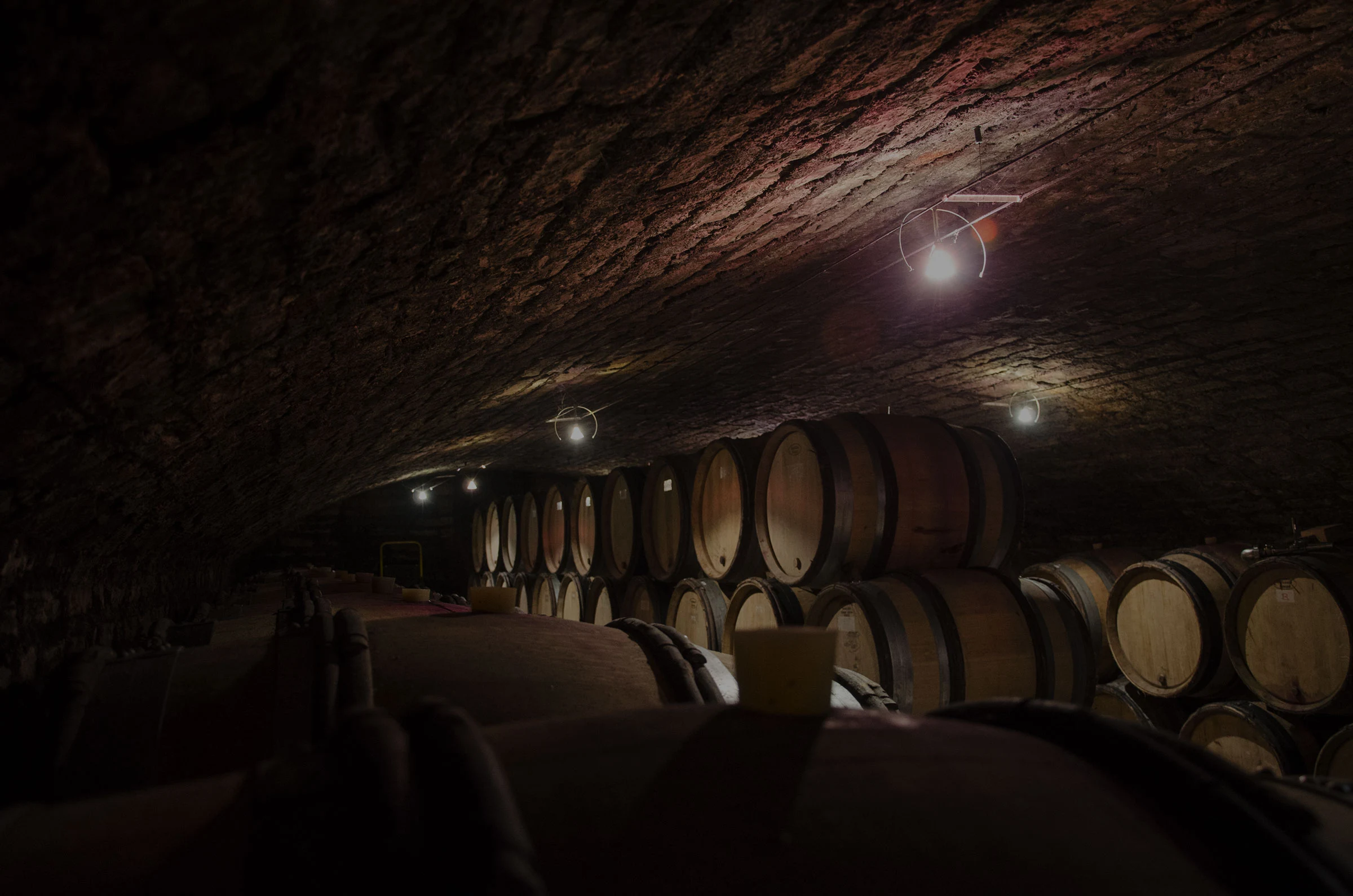
The most concrete stylistic detail in the public record is the domaine’s use of biodynamic farming together with aging in used oak and clay jars. That matters because it points toward a philosophy of clarity: less emphasis on new-wood flavor, more emphasis on fruit purity and the expression of place. Used oak, by definition, suggests a softer cellar imprint than a program designed around strong new-wood character, while clay jars point to a different kind of vessel choice, one that aligns with the broader idea of letting fruit and terroir remain in the foreground.
In Burgundy terms, this is a meaningful distinction. Pinot Noir can be easily marked by cellar choices, so a restrained aging approach supports the domaine’s stated focus on elegance and terroir. The point is not that the cellar disappears entirely, but that its role is presented as measured. In a region where nuance carries weight, the retreat from obvious cellar flavor can be central to how a wine communicates. For a domaine described through purity of fruit, biodynamic farming, used oak, and clay jars, the through-line is consistency rather than display.
The result is a concise but coherent profile: a Burgundy family domaine in Morey-Saint-Denis with a modern, biodynamic, terroir-led approach and a serious atmosphere for drinkers who care about Pinot Noir. The combination of tradition and modernity is important here. The family-domaine setting gives the address a classical Burgundy outline, while the biodynamic and vessel choices give it a contemporary interpretive edge. Nothing in the available record requires exaggeration; the essential identity is already strong enough when kept precise.
How to read the visit in Burgundy terms
This is best approached as a serious wine-focused stop in Morey-Saint-Denis. The price is $80 per person. Beyond that, specific claims about reservations, walk-ins, tasting duration, private appointments, vineyard tours, food service, or other visit mechanics are not confirmed in the available data and should be checked directly before planning. That caution is part of reading the domaine responsibly. The confirmed material supports a clear stylistic and geographic understanding, but it does not support detailed logistical promises. Travelers should therefore separate the editorial picture of the domaine from the practical details they still need to verify.
For readers comparing options in the village, keep the emphasis on Domaine Michel Magnien itself and on other Morey-Saint-Denis dining or wine experiences generically. The grounded reason to pay attention here is the domaine’s combination of Pinot Noir, biodynamic farming, used oak, clay jars, and a traditional Burgundy family-domaine setting. Those elements create a specific kind of appeal: not necessarily broad or casual, but focused and instructive. It is the sort of address that makes most sense when placed among other Burgundy stops where terroir, farming, and winemaking choices are part of the point.
Within a broader Burgundy itinerary, Domaine Michel Magnien works as a focused Morey-Saint-Denis reference point: serious in tone, terroir-driven in philosophy, and centered on the elegance and purity of Pinot Noir. Its profile is compact, but not thin. For a traveler trying to understand the village through a wine lens, the domaine offers a disciplined example of how Burgundy can be framed without ornament: place, grape, farming, and aging choices, all pointing back toward clarity rather than spectacle.
Questions
Frequently asked
How expensive is Domaine Michel Magnien?
Domaine Michel Magnien is listed at a price level of $$$$.
The field
How it compares
| Place | Notes |
|---|---|
| Domaine Michel Magnien | Morey-Saint-Denis, $$$$ |
| Domaine des Lambrays | Morey-Saint-Denis |
| Domaine du Clos de Tart | Morey-Saint-Denis |
| Domaine Dujac | Morey-Saint-Denis |
| Domaine Hubert Lignier | Morey-Saint-Denis |
| Domaine Ponsot | Morey-Saint-Denis |
| Domaine Taupenot-Merme | Morey-Saint-Denis |