Domaine Myléne Bru
- 01CitySaint Pargoire, France
Garrigue wine from terraced parcels
- Falstaff Winery - Listed · 2026
The hand that keeps the garrigue close
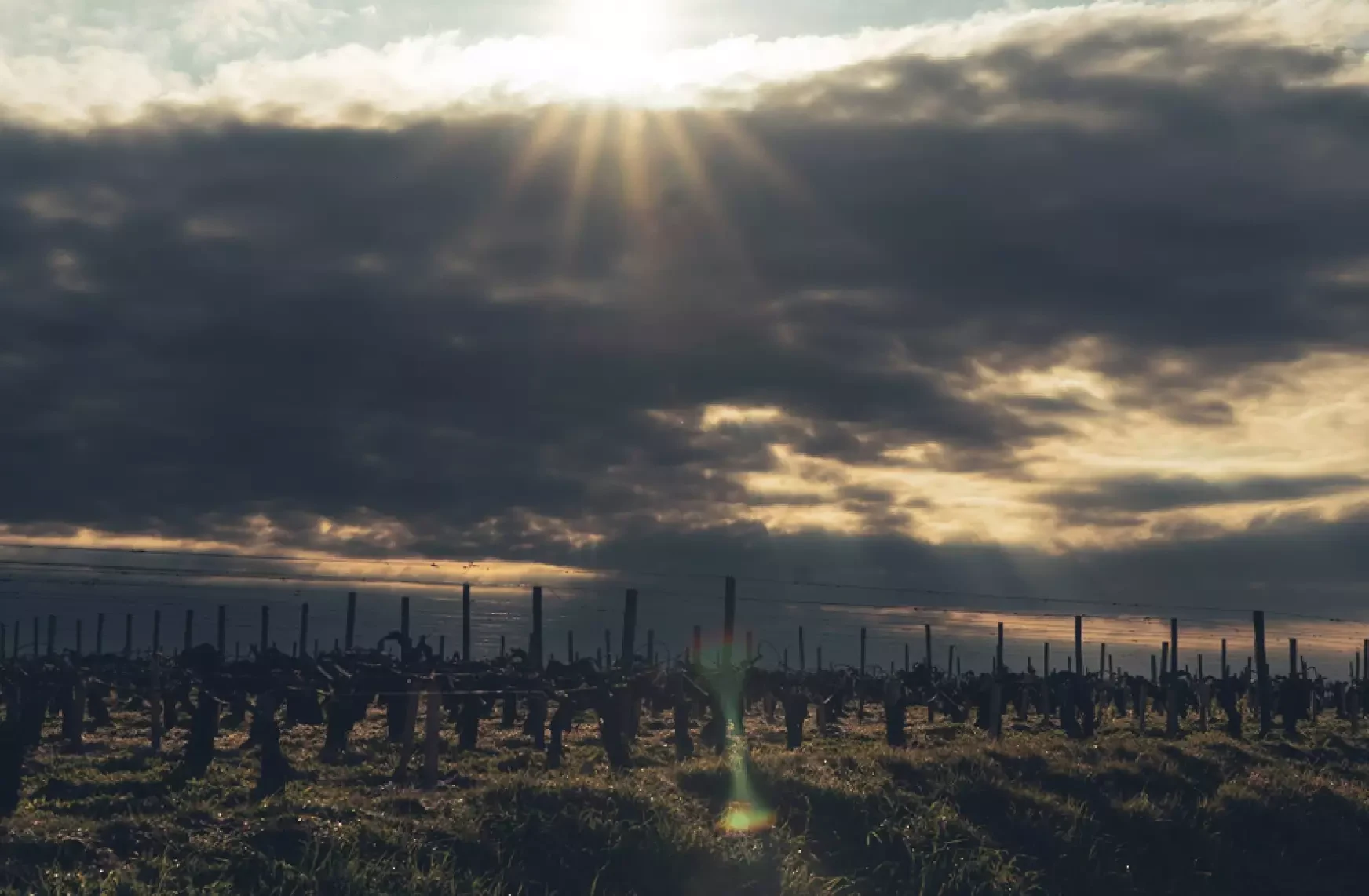
Mylène Bru works the vines herself as Winemaker at Domaine Myléne Bru in Saint Pargoire, where the parcels sit north of Sète and the cellar begins in the scrub. Her language for the work is plain: “When people talk about natural wine, are they talking about nature? Natural wine is above all made from nature.” That is not a tasting note. It is a method, and it places the wine before the cellar, in limestone, oak, wild herbs, weather and the pressure of the Mediterranean hillside.
Mylène Bru founded the estate in 2008 after a connection to these vines became the center of her practice. The holding remains small, about 5 hectares spread over 15 terraced parcels at about 183 m altitude, close to Saint-Pargoire in the Hérault countryside. She has called the result “garrigue wine,” and the phrase matters because it refuses polish as a first principle. The wines carry the dry hillsides, the resilient growth around the rows and the herbs that mark the local air.
Fifteen parcels under natural pressure
The program at Domaine Myléne Bru is built on low-intervention farming and cellar work, with biodynamic agriculture named as part of the estate’s practice. Bru keeps the fruit estate-grown, tends the vines without synthetic inputs and lets native yeasts take the work forward in the cellar. The point is not to erase the hand. It is to keep the hand from speaking louder than the site.
Carignan sits at the center of the estate’s identity, with Chasselas, Grenache and Cinsault also named among the varieties associated with the domaine. The wines are released as Vin de France, across still red, still white, rosé and pétillant naturel, rather than being forced into a narrower regional frame. Monts et Merveilles, Cartouche, Far Ouest, Rita and Zingara form the named repertoire, each carrying Bru’s preference for wines that read from the ground up. Production is modest, around 10,000 bottles per year, which suits a farm where scale would change the discipline.
The cellar after the hillside
The estate does not present itself as a formal house separated from its fields. The vineyard, the cellar and the tasting room belong to the same rural register: terraced land, quiet movement, the smell of Mediterranean scrub, and a working place where the visitor reads the wine through the parcels before reading it through glass. North of the port town of Sète, the elevation and the maritime influence give the site its particular tension, warm and dry, but not flat.
In the cellar, neutral vessels and old barrels keep oak from taking the lead. Fermentation follows the fruit rather than a recipe of correction; extraction stays in service of color, texture and the herbal line that the garrigue gives. That restraint is the house style. It leaves room for Carignan, limestone and scrubland to remain audible in Monts et Merveilles.
Questions
Frequently asked
Who is behind Domaine Myléne Bru?
Mylène Bru is the winemaker at Domaine Myléne Bru in Saint-Pargoire, and she founded the estate in 2008. She works the vines herself and keeps the domaine small.
What kind of wines does the domaine make?
The estate makes low-intervention Vin de France wines in still red, still white, rosé and pétillant naturel forms. Carignan sits at the center of the domaine’s identity, alongside Chasselas, Grenache and Cinsault.
What is the house style at Domaine Myléne Bru?
The wines are built around the garrigue, with limestone, wild herbs, weather and the Mediterranean hillside shaping the work. Native yeasts are used in the cellar, and neutral vessels and old barrels keep oak from leading.
How does visiting work?
Visits are by appointment only. The property has on-site parking.
The field
How it compares
| Place | Notes | Awards |
|---|---|---|
| Domaine Myléne Bru | $$ | · |
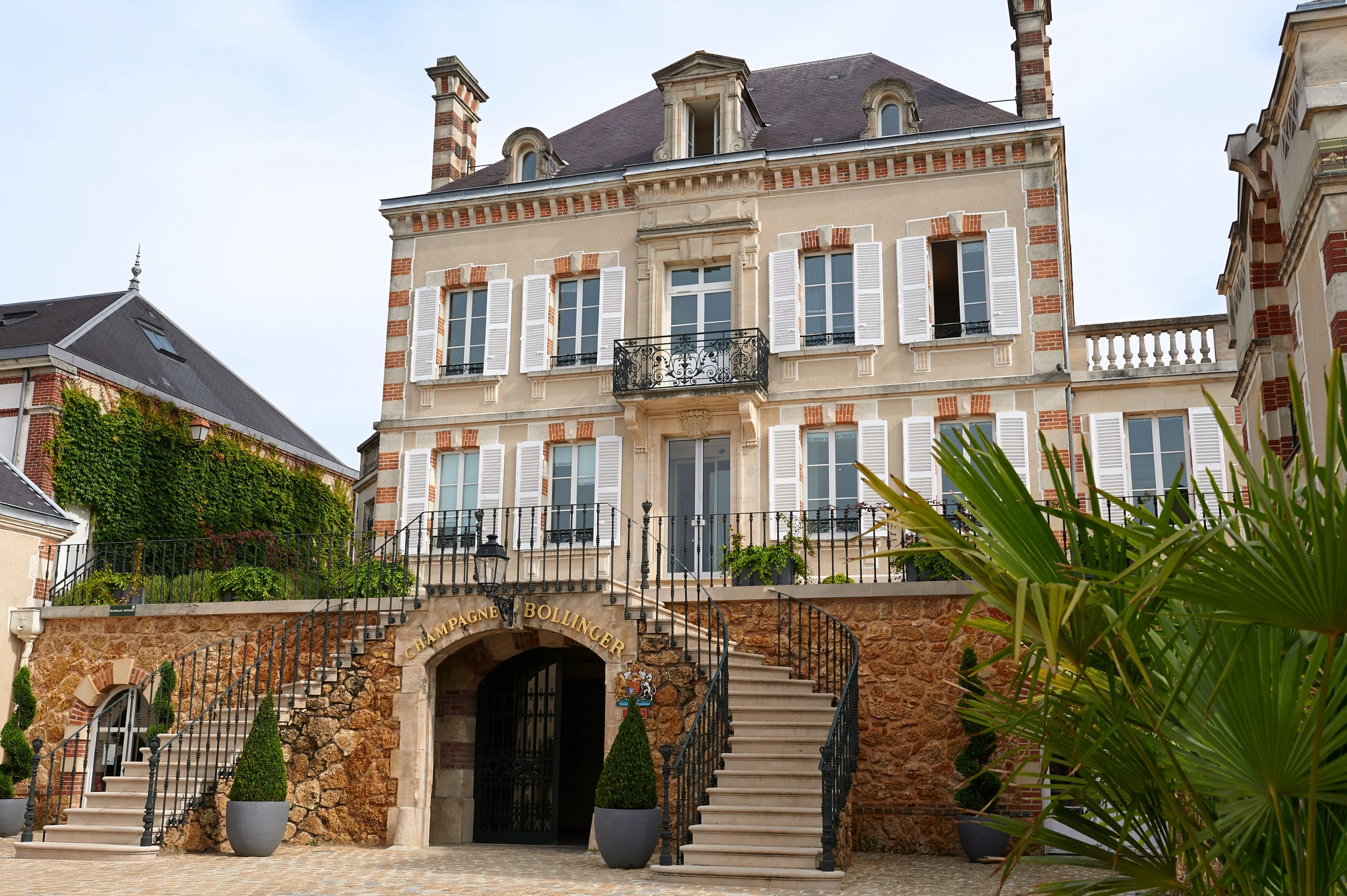
| Bollinger | Aÿ | World's 50 Best |
| Château Haut-Blanville | Saint Pargoire | · |
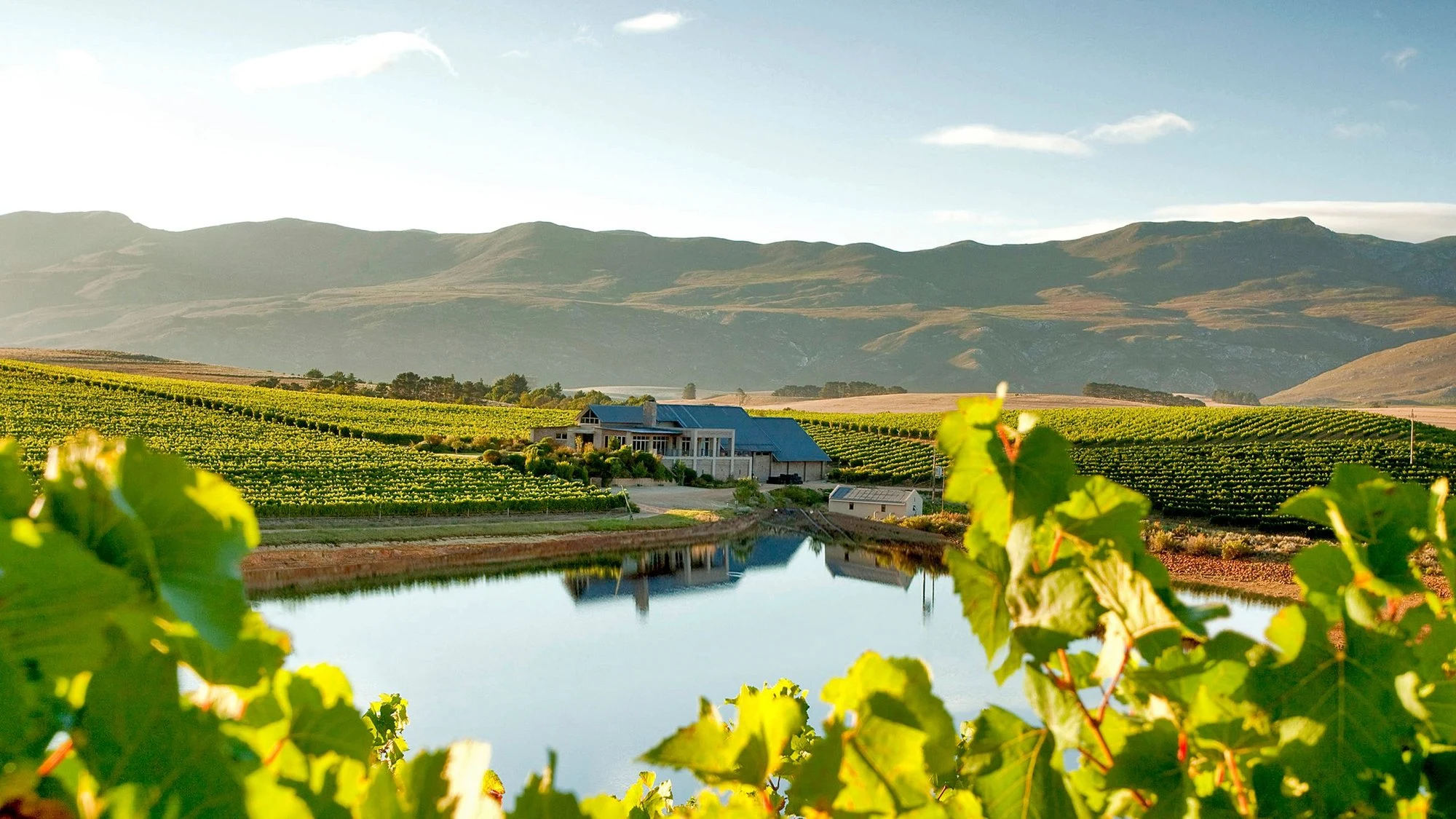
| Creation Wines | Hermanus | World's 50 Best |
| Domaine Georges Mugneret-Gibourg | Vosne-Romanée | · |
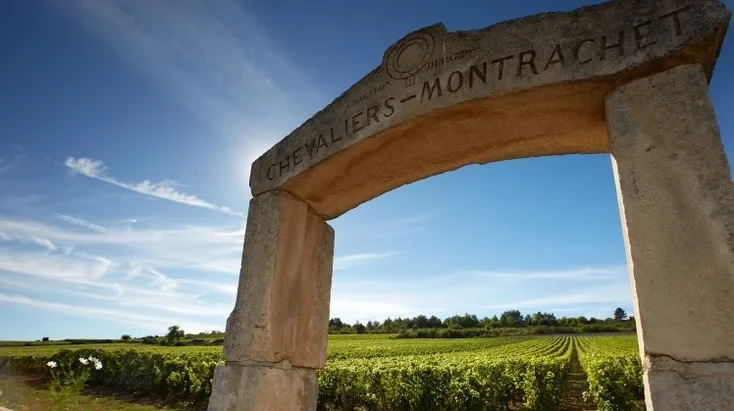
| Domaine Leflaive | Puligny-Montrachet | · |
| Domaines Barons de Rothschild (Lafite) | Bordeaux | · |