- Falstaff Winery - Listed · 2026
Domaine Nicole Lamarche is a historic Burgundy family estate in Vosne-Romanée, best understood through the language of place rather than through spectacle. The picture is concise but clear: this is a classic, terroir-focused domaine whose wines are described as elegant, ethereal and finely chiselled, shaped by meticulous organic viticulture and traditional élevage under wood.
That makes the estate a useful reference point for travellers who want to think seriously about Burgundy rather than simply collect a name. Vosne-Romanée is one of the villages where small distinctions matter: the way a wine carries texture, perfume, structure and restraint can say as much as any broad label. With Domaine Nicole Lamarche, the grounded description points toward a domaine whose identity is rooted in careful farming, family continuity and a quiet expression of Burgundy character.
A classic Vosne-Romanée domaine with a terroir-focused atmosphere
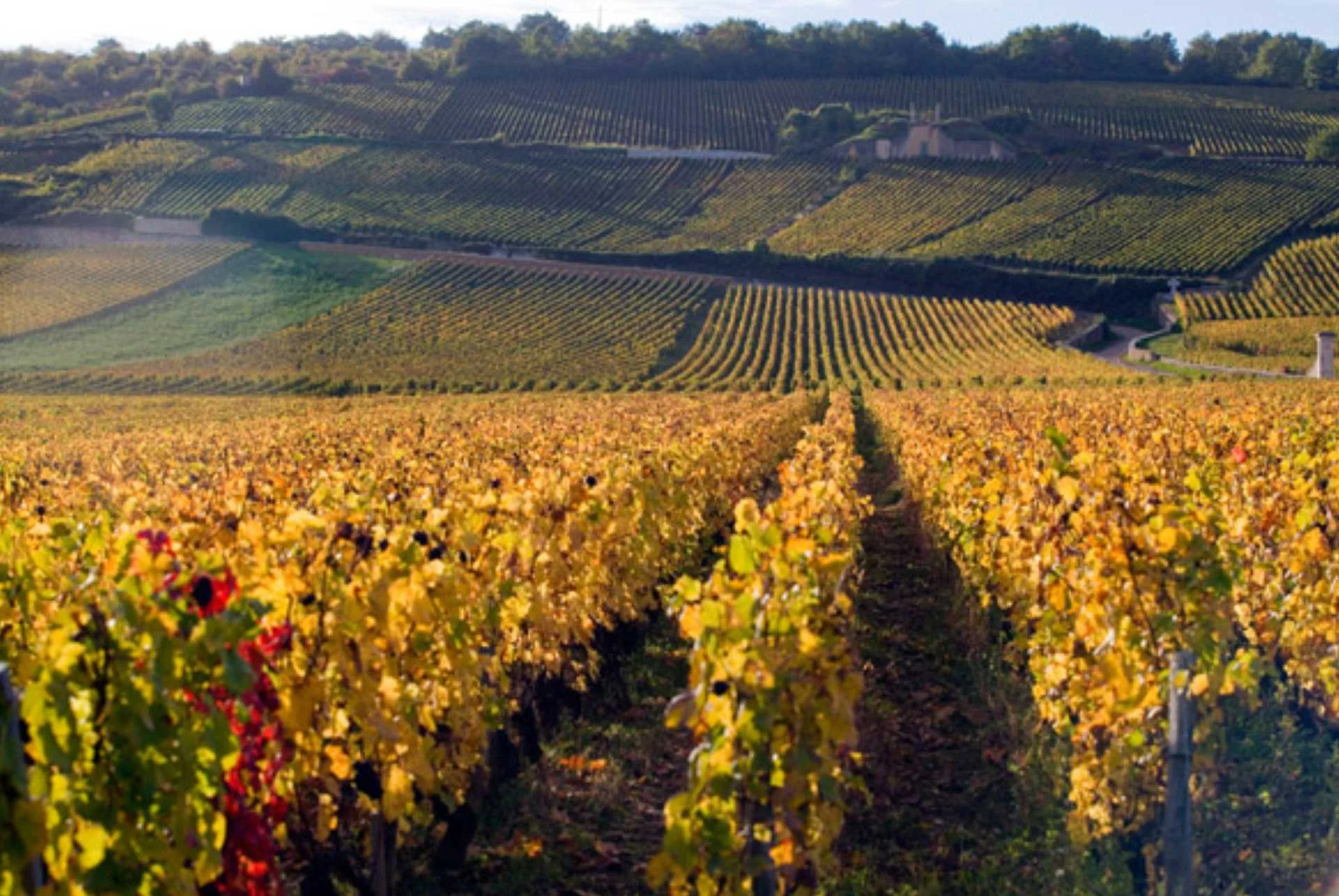
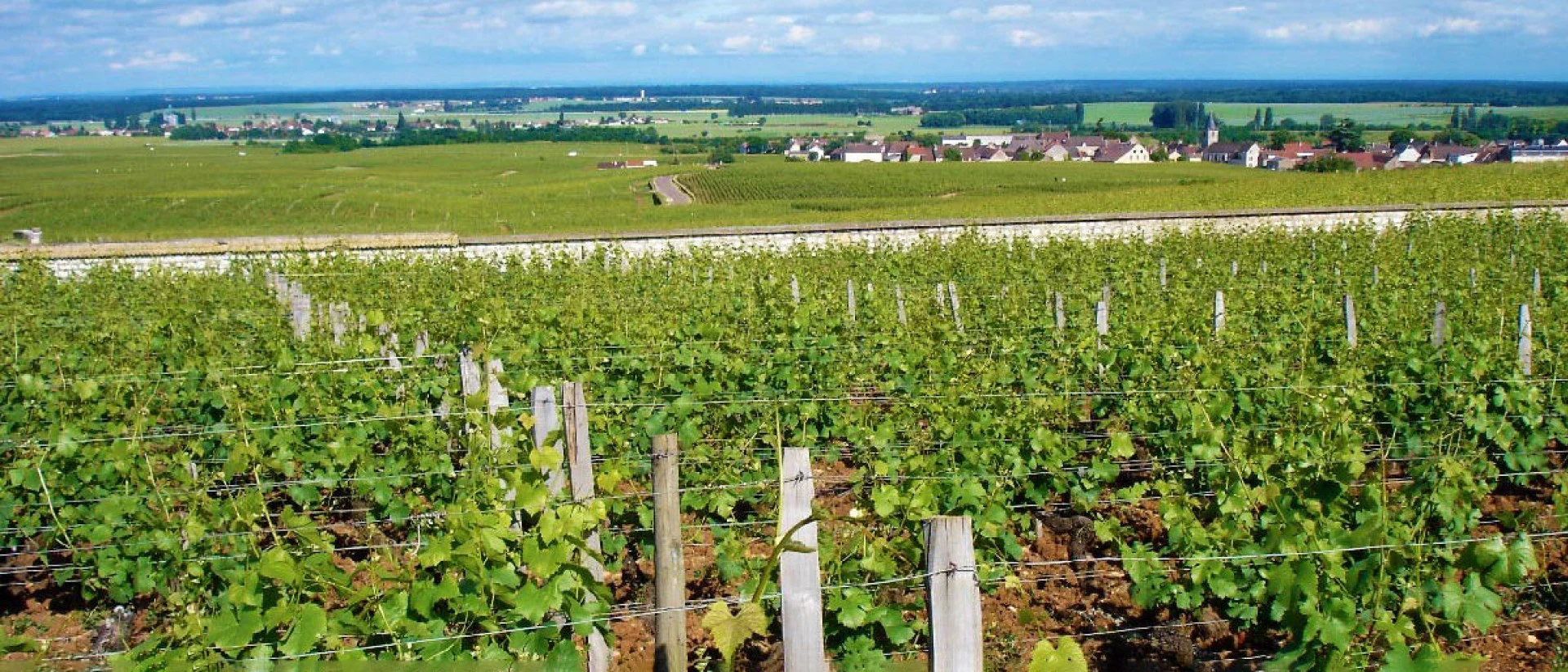
The atmosphere associated with Domaine Nicole Lamarche is classic rather than theatrical. It is described as a historic family estate in Vosne-Romanée, and that framing matters. Burgundy estates are often experienced through continuity: inherited parcels, seasonal work, patient élevage and an attention to nuance that may not announce itself immediately. Here, the language emphasizes a terroir-focused setting, which means the domaine should be read through its relationship to land and wine style rather than through hospitality features that are not confirmed.
The most reliable way to position the estate is as a Burgundy address for people interested in precision and restraint. The wines are described as elegant, ethereal and finely chiselled. Those words suggest a register of delicacy and definition rather than power for its own sake. They also fit a broader Vosne-Romanée expectation, where Pinot Noir is often discussed in terms of perfume, texture and detailed structure.
For planning purposes, the price level is listed as $$$$. That does not define the full experience, but it does set expectations. This is a premium Burgundy domaine in a village where reputation, scarcity and terroir all shape demand. Visitors and collectors should therefore approach it as a serious wine address rather than a casual low-cost stop.
Organic viticulture and traditional élevage under wood
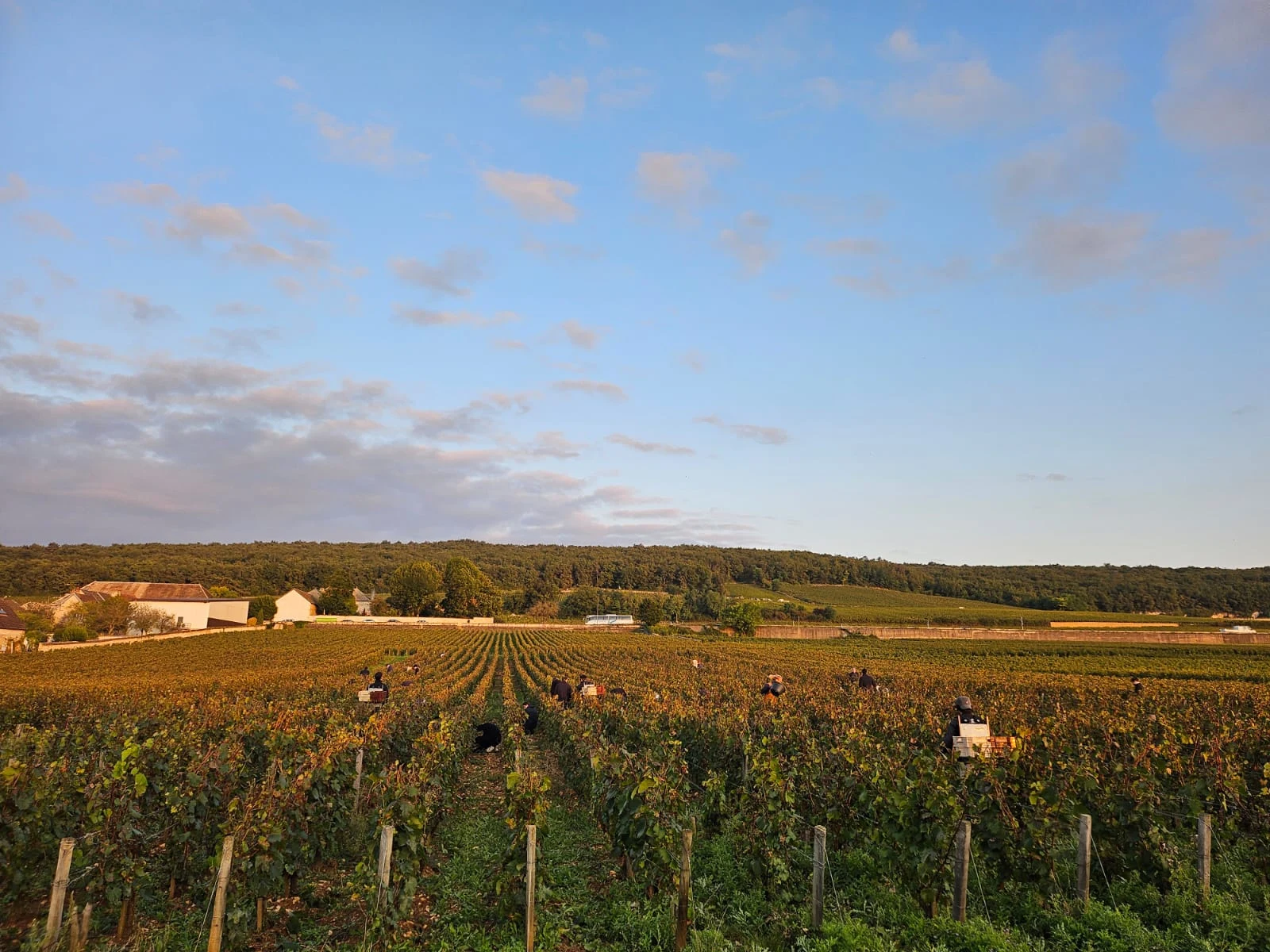
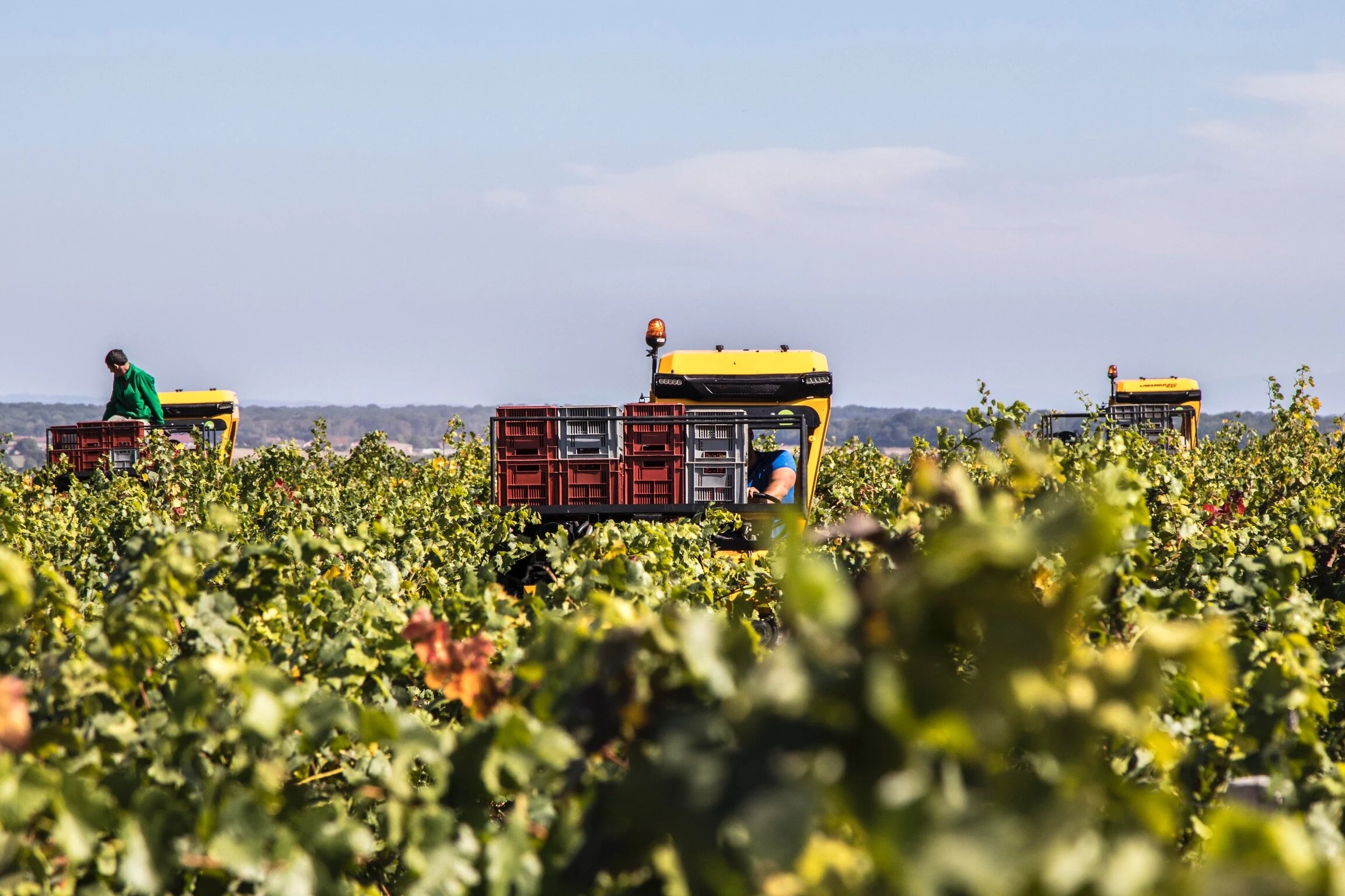
The production language is important because it gives substance to the domaine’s reputation. Domaine Nicole Lamarche is associated with meticulous organic viticulture. In Burgundy, that phrase carries practical meaning: vineyard work is central to the final expression of the wine, and organic farming places particular emphasis on soil health, vine balance and careful seasonal observation.
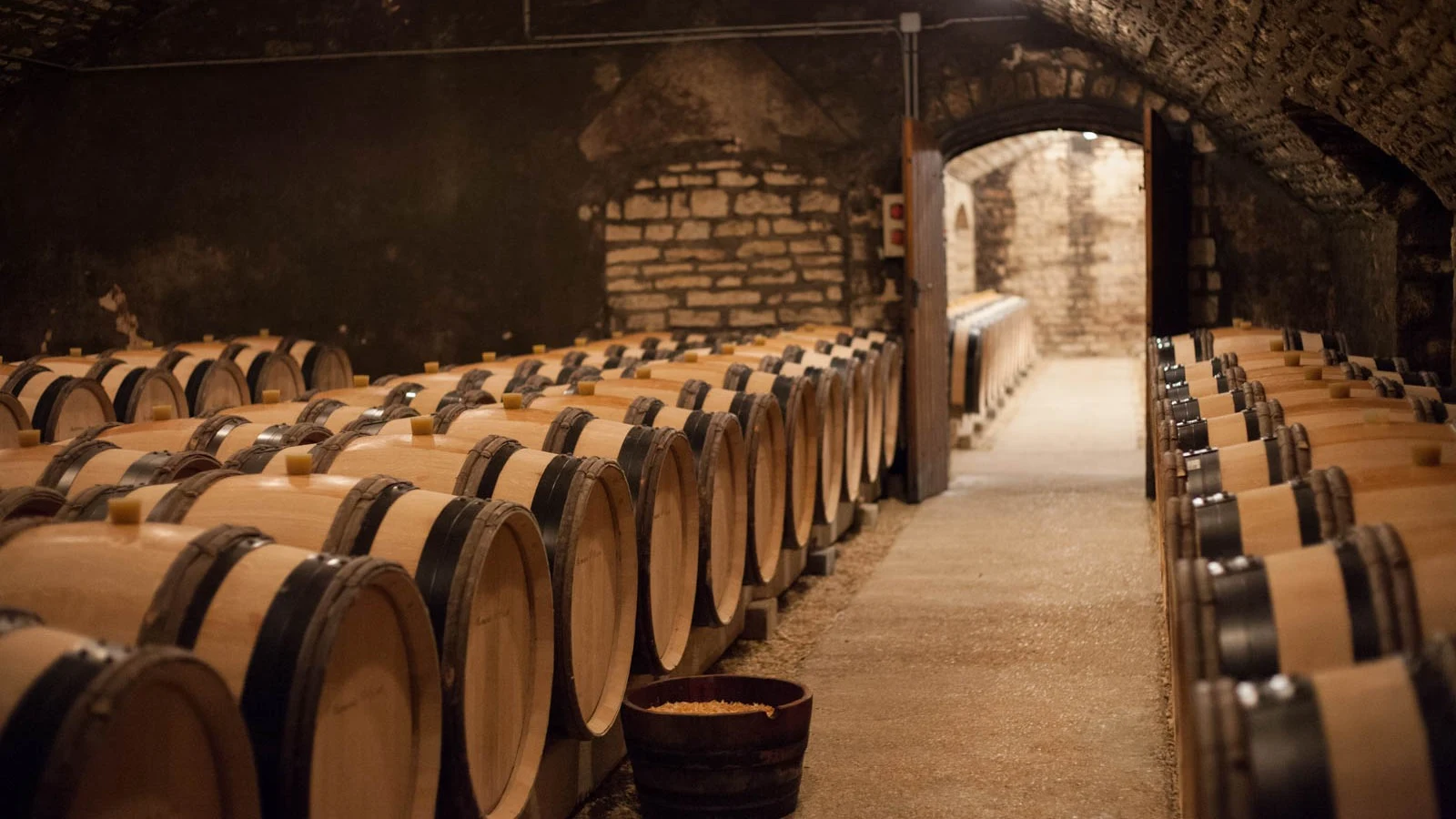
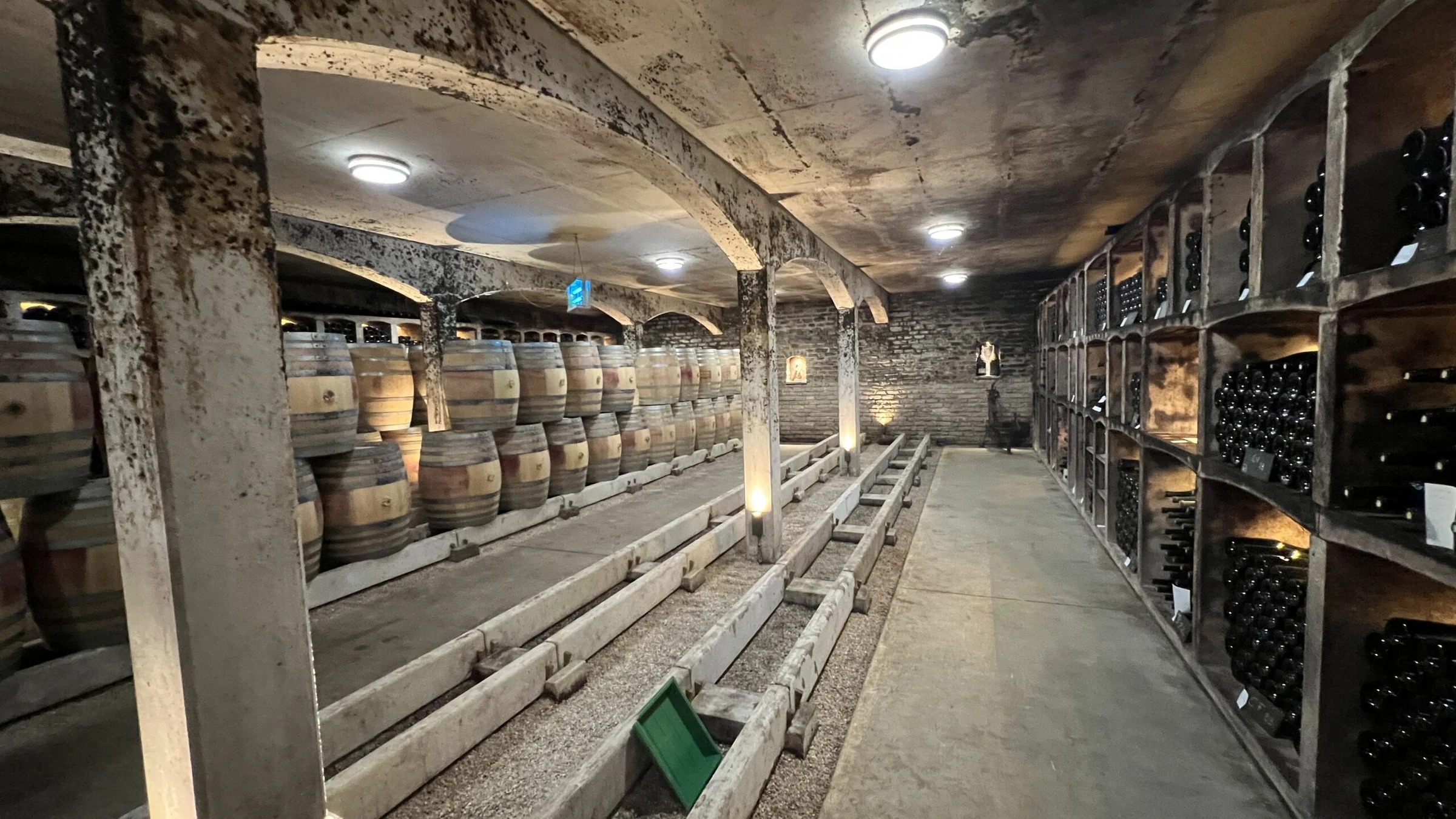
The cellar description is similarly restrained. The wines are shaped through traditional élevage under wood. That does not need to be overstated with barrel percentages, ageing lengths or technical details. The grounded point is that wood élevage is part of the traditional frame, supporting structure and development while keeping the focus on terroir. The combination of organic viticulture and classic élevage helps explain why the wines are characterized as elegant and finely chiselled rather than broad or heavily stylized.
This is also where the estate’s historic-family identity becomes relevant. A family domaine in Vosne-Romanée is not only a producer of bottles; it is part of a landscape where continuity matters. What can be said confidently is that Domaine Nicole Lamarche belongs to the Burgundy tradition of estate-based winegrowing, with a classic atmosphere and a clear emphasis on terroir.
How to place it within a wider wine trip
Domaine Nicole Lamarche is best placed within a Vosne-Romanée itinerary as a serious Burgundy reference point. Because practical details are limited, planning should remain flexible and should be checked through the domaine’s own current channels before making arrangements. The confirmed information supports a premium, terroir-led profile, but it does not confirm public opening hours, tasting structure, group format, food service, accessibility details or appointment rules.
That uncertainty is useful to acknowledge. Many wine pages overreach by turning a respected domaine into a complete visitor blueprint. Here, the honest approach is narrower: treat Domaine Nicole Lamarche as a historic Vosne-Romanée estate known for elegant, ethereal and finely chiselled wines, rooted in organic viticulture and traditional élevage under wood. If you are comparing it with other dining or wine options in Vosne-Romanée, keep the comparison thematic: atmosphere, sense of place, price level and the degree to which the experience is focused on Burgundy terroir.
For travellers, the strongest reason to keep Domaine Nicole Lamarche on a short list is not an invented service detail or an unsupported accolade. It is the combination of place, family-estate character, organic vineyard work and classic élevage. In a village where nuance carries unusual weight, that is enough to make the domaine a meaningful point of reference.
Questions
Frequently asked
Who works at Domaine Nicole Lamarche?
Made By profiles Nicole Lamarche (Winemaker) at Domaine Nicole Lamarche.
How expensive is Domaine Nicole Lamarche?
Domaine Nicole Lamarche is listed at a price level of $$$$.
The field
How it compares
| Place | Notes |
|---|---|
| Domaine Nicole Lamarche | Vosne-Romanée, $$$$ |
| Domaine Arnoux-Lachaux | Vosne-Romanée |
| Domaine de la Romanée-Conti | Vosne-Romanée |
| Domaine du Comte Liger-Belair | Vosne-Romanée |
| Domaine Georges Mugneret-Gibourg | Vosne-Romanée |
| Domaine Leroy | Vosne-Romanée |
| Domaine Méo-Camuzet | Vosne-Romanée |