Pascal Treichler makes 0/0 natural wine at Domaine Pascal Treichler in Dossenheim, working vines by hand on volcanic and limestone soils.
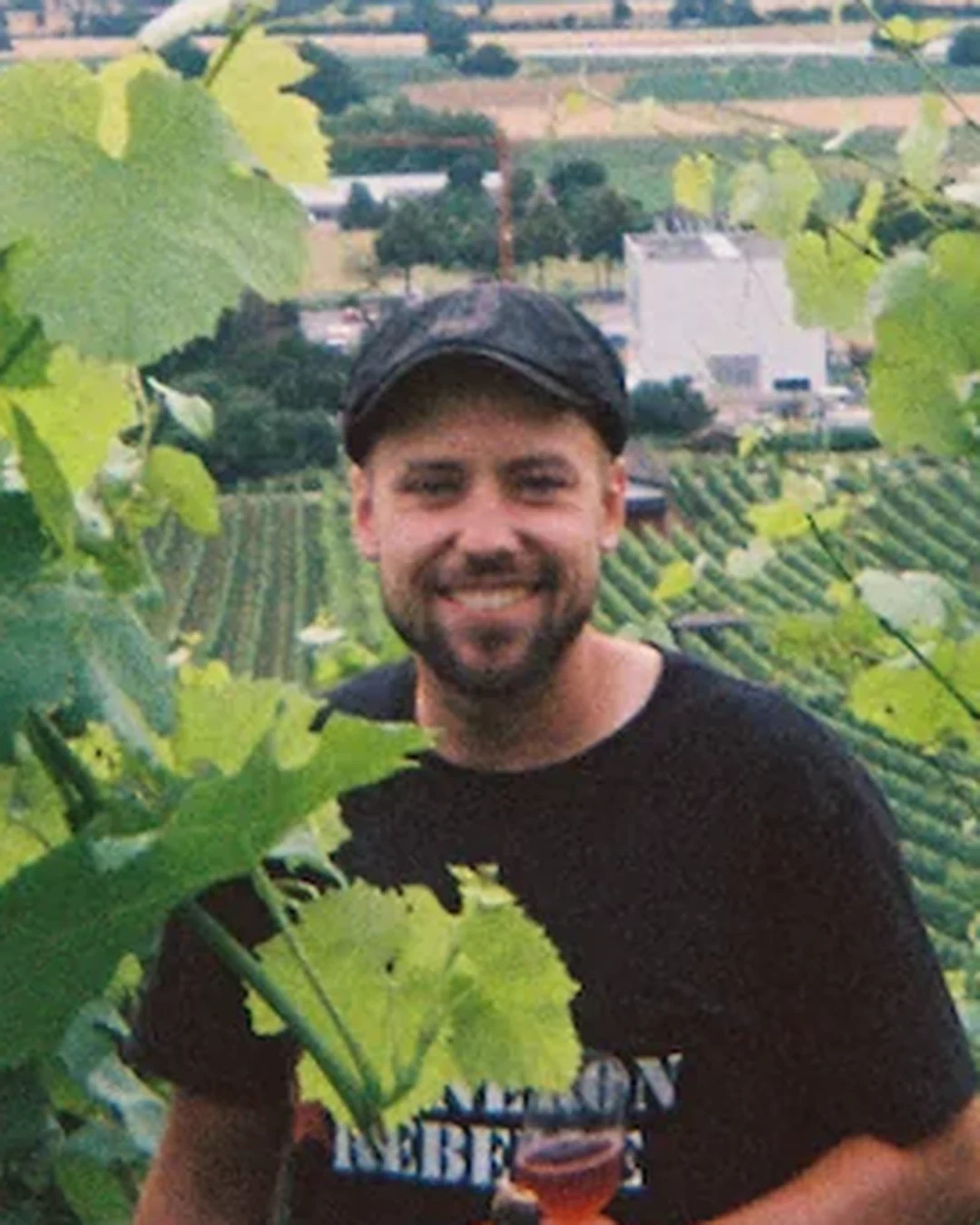
The soil stays closed under Pascal Treichler, winemaker at Domaine Pascal Treichler in Dossenheim, Germany, where he works the vines by hand. He puts the rule plainly: "Herbicides are not used and the soil is never opened." That sentence carries much of the domaine’s discipline. Treichler began with his first vineyard on Schriesheimer land in 2021, the same year the estate began, and his work here follows an apprenticeship path shaped by earlier time in beer brewing and cider making. The line between those crafts is fermentation, not fashion. At this small estate on the Badische Bergstraße, north of Heidelberg, he farms 2.5 hectares himself, a scale that keeps the method close to the body. The predecessor is not a named house or inherited cellar in the published account. The lineage sits instead in the choice of the long way: no herbicides, no opened soil, hand work in the vines, and a cellar built around restraint rather than correction. Treichler’s own description is equally spare: "I try to interact with the vine as naturally as possible and respond to its needs."
The wines are made as 0/0 natural wines, with zero added sulfites and zero additives. That decision narrows the margin for error before the grapes reach the cellar. Riesling, Pinot Noir, Sylvaner, Blauer Elbling, and Souvignier Gris all have to arrive with enough clarity from the vineyard to carry fermentation without a technical safety net. The domaine works organically and biodynamically, with vines on volcanic and limestone soils, and the vineyard labor is largely by hand and horse. In the cellar, the program stays minimal: spontaneous fermentation, no added yeasts or enzymes, no filtration, and no additive work to polish the wine after the fact. Treichler’s brewing and cider background matters here because both disciplines train attention on living fermentations, pressure, timing, and the small signs that tell a maker when to intervene and when to leave the vessel alone. The portfolio moves across still white, still red, sparkling, orange wine, and pét nat, yet the method remains constant. The house is not chasing uniformity. It asks each lot to keep its own edge.
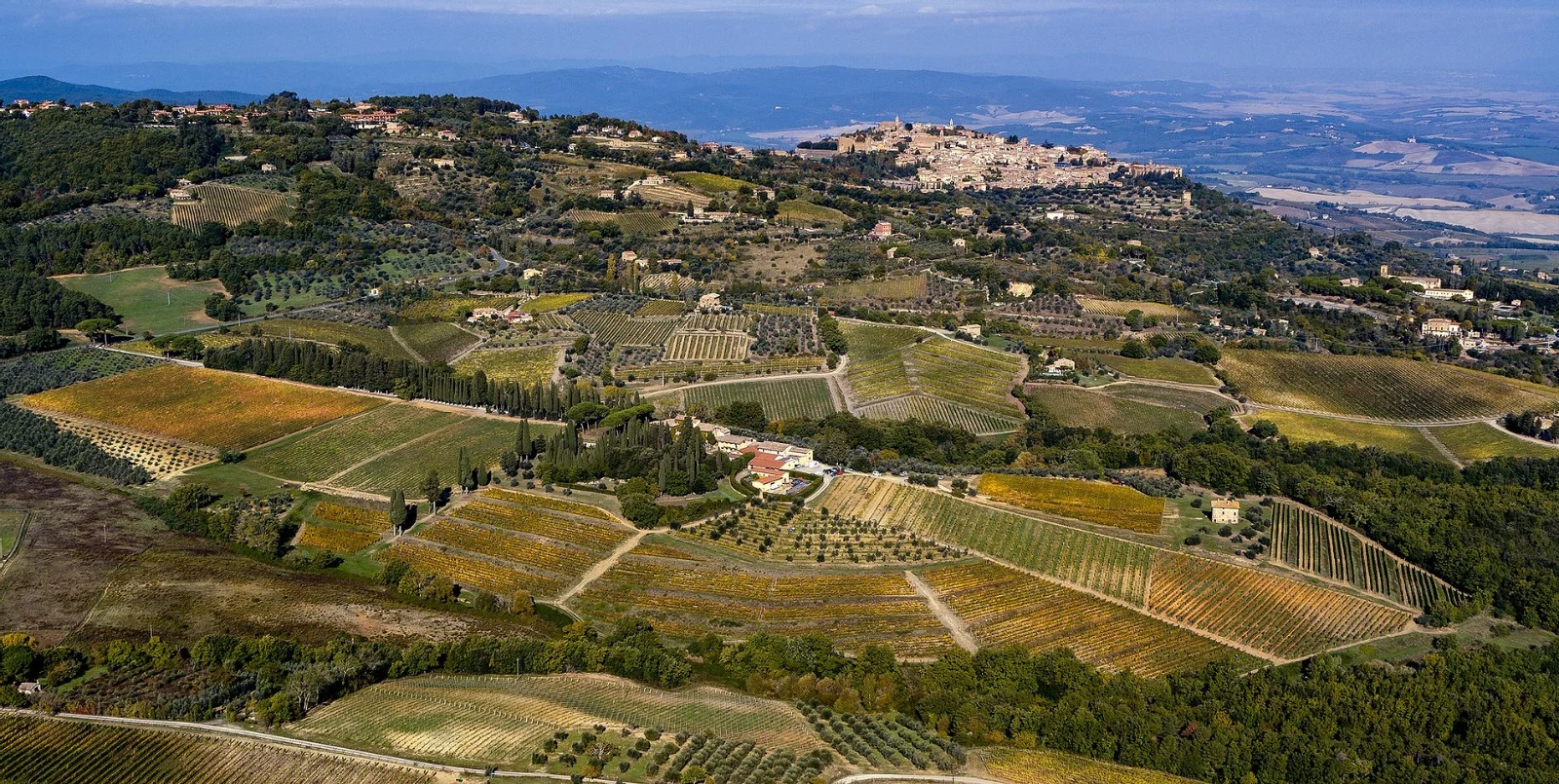
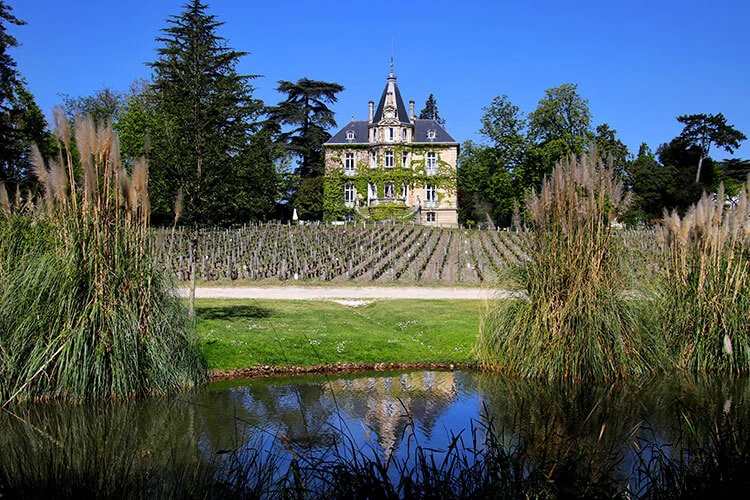
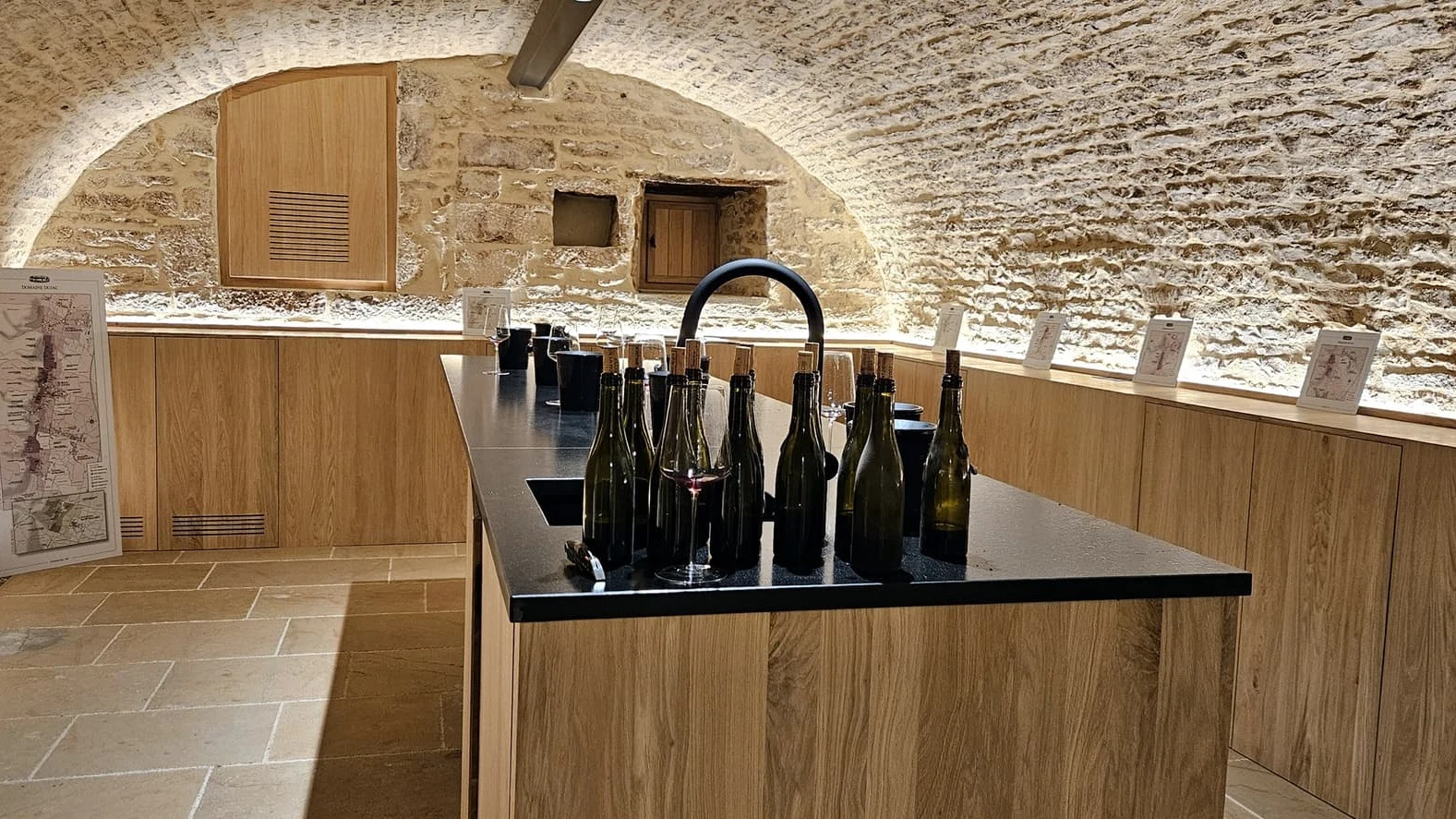
The place feels closer to a farm station than a polished tasting room. The vineyards and orchards sit on the slopes of the Badische Bergstraße, with the Odenwald forest and the Rhine Valley shaping the wider climate around them. Work here begins outside, where the rows carry the pressure of hand labor, horse work, and soils that shift between volcanic and limestone ground. The cellar follows that same register. It is quiet, practical, and built for minimal intervention rather than spectacle. A visitor meeting the wines by appointment encounters the estate through the vineyard first, because that is where most of the decisions have already happened. The room is intimate, but the scale is not the point. The point is that Treichler can still keep the whole method within reach of his own hands.
Domaine Pascal Treichler belongs to a younger German natural-wine movement that treats subtraction as a serious craft decision. The estate’s certifications include Demeter, Biodyvin, Nature et progrès, and Les vins S.A.I.N.S, each one pointing back to farming rather than cellar cosmetics. Its next releases are not described through announced cuvées or production figures; they will be legible first in the same materials Treichler already works with, especially Blauer Elbling and Souvignier Gris.
Dossenheim, Baden, Baden-Wuerttemberg, Deutschland
Badische Bergstraße