Domaine Paul Autard
- 01CityCourthézon, France
- Falstaff Winery - Listed · 2026
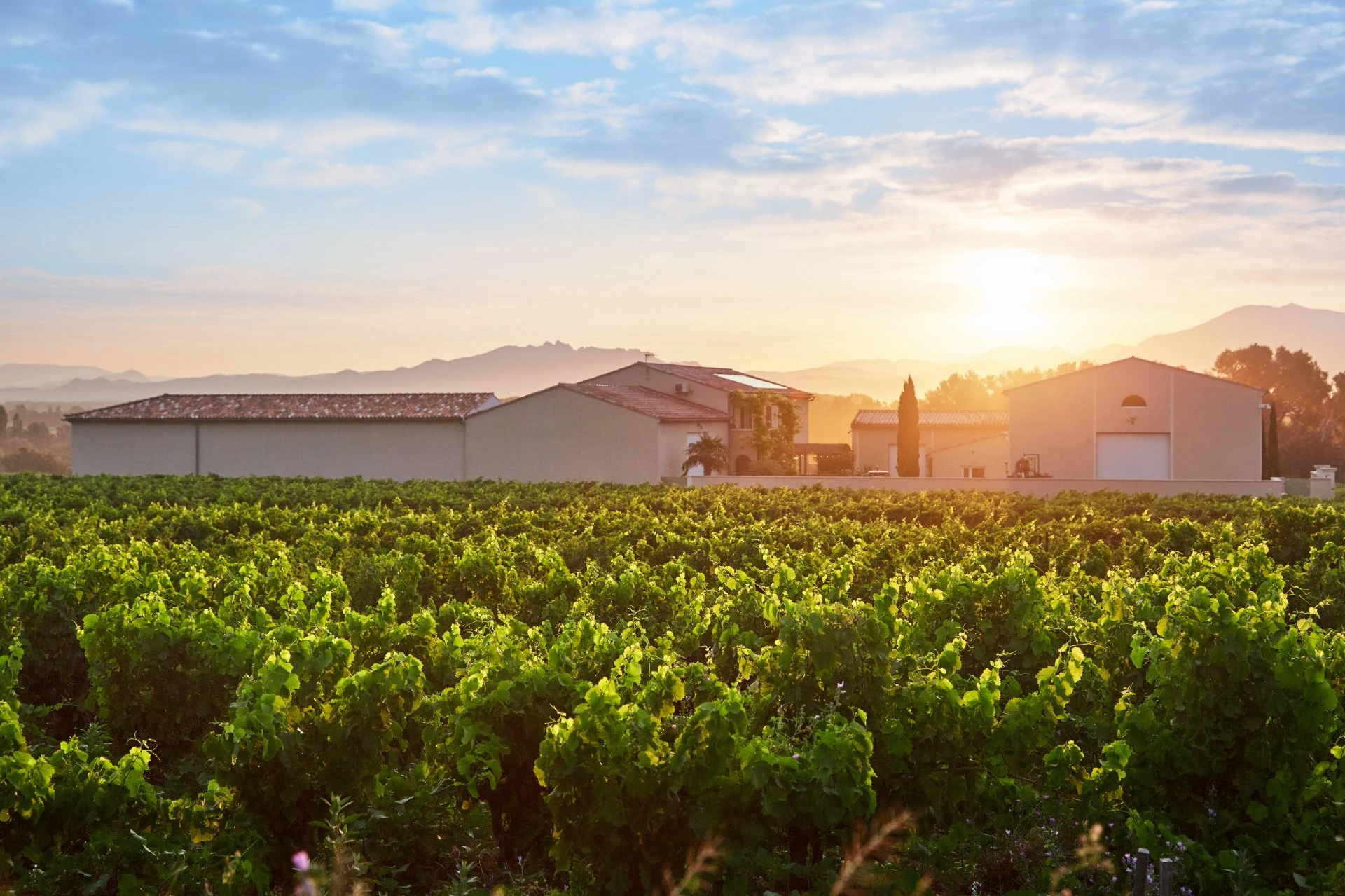
Courthézon’s wine country does not need to announce itself with grand architecture. The appeal of Domaine Paul Autard is quieter: a family-run Châteauneuf-du-Pape estate with a traditional Rhône feel, old-vine vineyards, and a tasting environment that is more about the wines than about design theatrics. For travelers who want a polished spectacle, that restraint may feel understated. For travelers who want the estate to speak through place, soil and cellar context, it is the point.
The picture here is deliberately focused. Domaine Paul Autard is best understood as a serious but welcoming wine stop in Courthézon, not as a restaurant, bar or lifestyle destination. The draw is the estate itself: old vines rooted in the textures associated with Châteauneuf-du-Pape, including galets roulés and clay-limestone soils, and a direct cellar and shop that keep the visit anchored in wine rather than performance.
Galets roulés, clay-limestone and old vines set the tone
Châteauneuf-du-Pape is often associated with galets roulés, the rounded stones that have become one of the region’s most recognizable vineyard images. At Domaine Paul Autard, that context is part of the story, along with clay-limestone soils and old-vine vineyards. Those details matter because they explain why the estate is not simply a generic cellar-door stop. The tasting has a clear agricultural frame: Rhône tradition, vineyard material and the character of a family-run estate in Courthézon.
That does not mean every technical detail should be assumed. This guide does not verify a specific vineyard size, grape list, production volume, founding year, winemaking recipe, cellar-vessel program or named cuvée structure. Visitors should approach Domaine Paul Autard for the confirmed essentials: Châteauneuf-du-Pape identity, old-vine vineyards, galets roulés and clay-limestone context, and a cellar and shop where tastings are described as serious yet welcoming.
In practical editorial terms, the estate sits in a useful middle ground. It is not framed as a luxury design project, and it is not presented here as a casual drinking room detached from the land. The tone is traditional and Rhône-focused. That makes Domaine Paul Autard a good fit for travelers who care about the place behind the bottle and who prefer a direct estate experience over a heavily staged visitor format.
A cellar language closer to Rhône tradition than design theatre
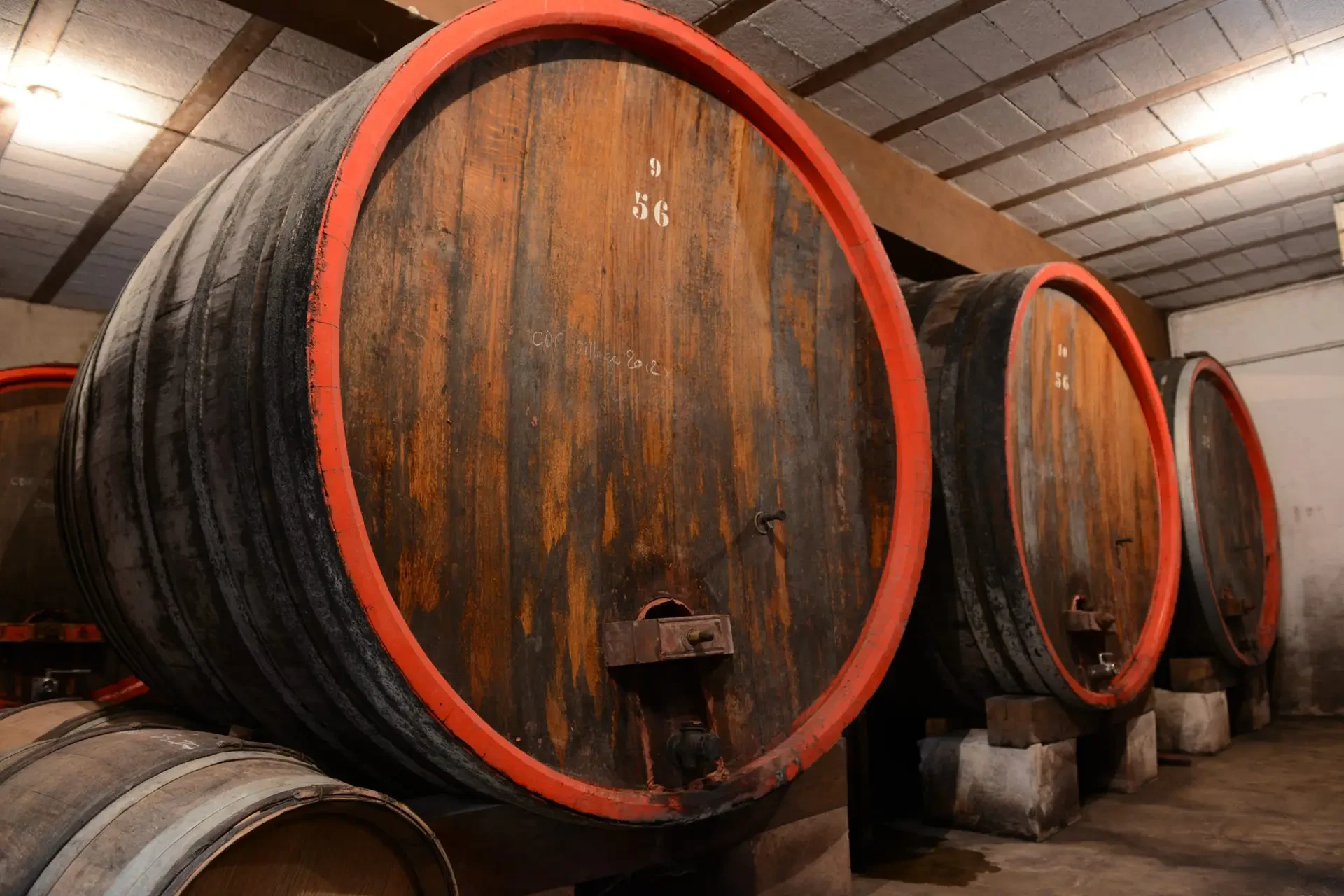
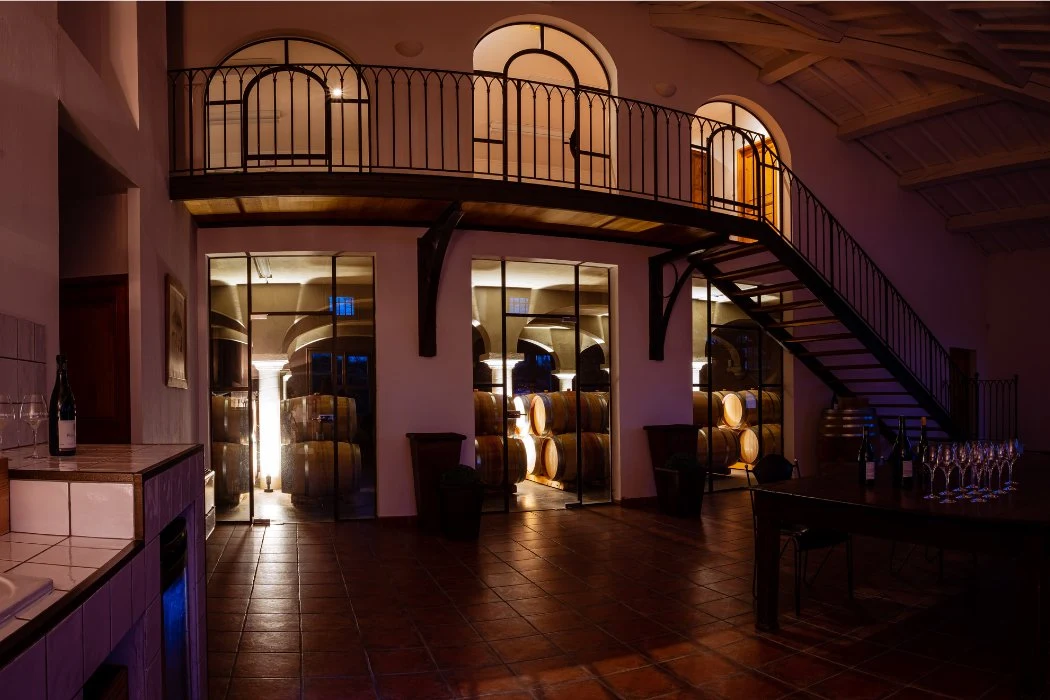
The strongest confirmed distinction at Domaine Paul Autard is stylistic rather than decorative. The estate is described as having a direct cellar and shop, with tastings focused on serious wine discussion while remaining welcoming. That is a valuable combination in a famous appellation: enough substance for visitors who want to understand the estate, but without turning the visit into a formalized show.
What can be said with confidence is narrower and more useful: this is a family-run Châteauneuf-du-Pape estate in Courthézon, rooted in traditional Rhône character, old vines, galets roulés and clay-limestone soils.
The price level is listed as $$, which places the venue in a moderate bracket. That should not be read as a promise about the cost of any particular tasting, bottle or visit format. It is simply the price indicator available for Domaine Paul Autard.
Who should make time for the visit
Domaine Paul Autard is well suited to visitors who want Châteauneuf-du-Pape in a grounded, estate-led register. The appeal is not a long list of amenities; it is the combination of family continuity, Rhône tradition and vineyard context. If your ideal wine visit involves old-vine discussion, the feel of a working cellar and a shop focused on the estate’s wines, this is the right kind of address to consider in Courthézon.
It is also a useful stop for travelers who prefer a tasting that feels connected to farming rather than interior design. The description emphasizes galets roulés, clay-limestone soils and a traditional Rhône feel, all of which point back to the vineyard. That makes the estate especially relevant for visitors comparing how Châteauneuf-du-Pape expresses place across different producers, even when the visit itself remains simple and direct.
For planning, keep the assumptions modest. Do not build an itinerary around claims about lunch, food service, outdoor seating, tour length, group capacity, languages, awards or specific opening patterns. Treat Domaine Paul Autard as a Courthézon wine estate where the reliable appeal is a serious yet welcoming tasting context at a family-run Châteauneuf-du-Pape domaine. Other dining in Courthézon can be planned separately and generically around the rest of the day.
The cleanest way to position Domaine Paul Autard is as a traditional Rhône stop with a practical cellar-and-shop feel. It is not presented here as the flashiest address in the region, and that is precisely why it may matter to the right visitor. For those who value old vines, recognizable Châteauneuf-du-Pape terrain and a family-run estate atmosphere, it offers a grounded Courthézon reference point.
Questions
Frequently asked
How expensive is Domaine Paul Autard?
Domaine Paul Autard is listed at a price level of $$.
The field
How it compares
| Place | Notes |
|---|---|
| Domaine Paul Autard | Courthézon, $$ |
| Caves Jamet | Courthézon |
| Cellier des Princes | Courthézon |
| Château d'Esclans | Courthézon |
| Domaine de la Janasse | Courthézon |
| Domaine des Saumades | Courthézon |
| Le Jas des Papes | Courthézon |