Jean-Claude Mas, winemaker at Domaine Paul Mas in Montagnac, crafts Languedoc wines through blending, sustainable vineyards, and rural luxury.
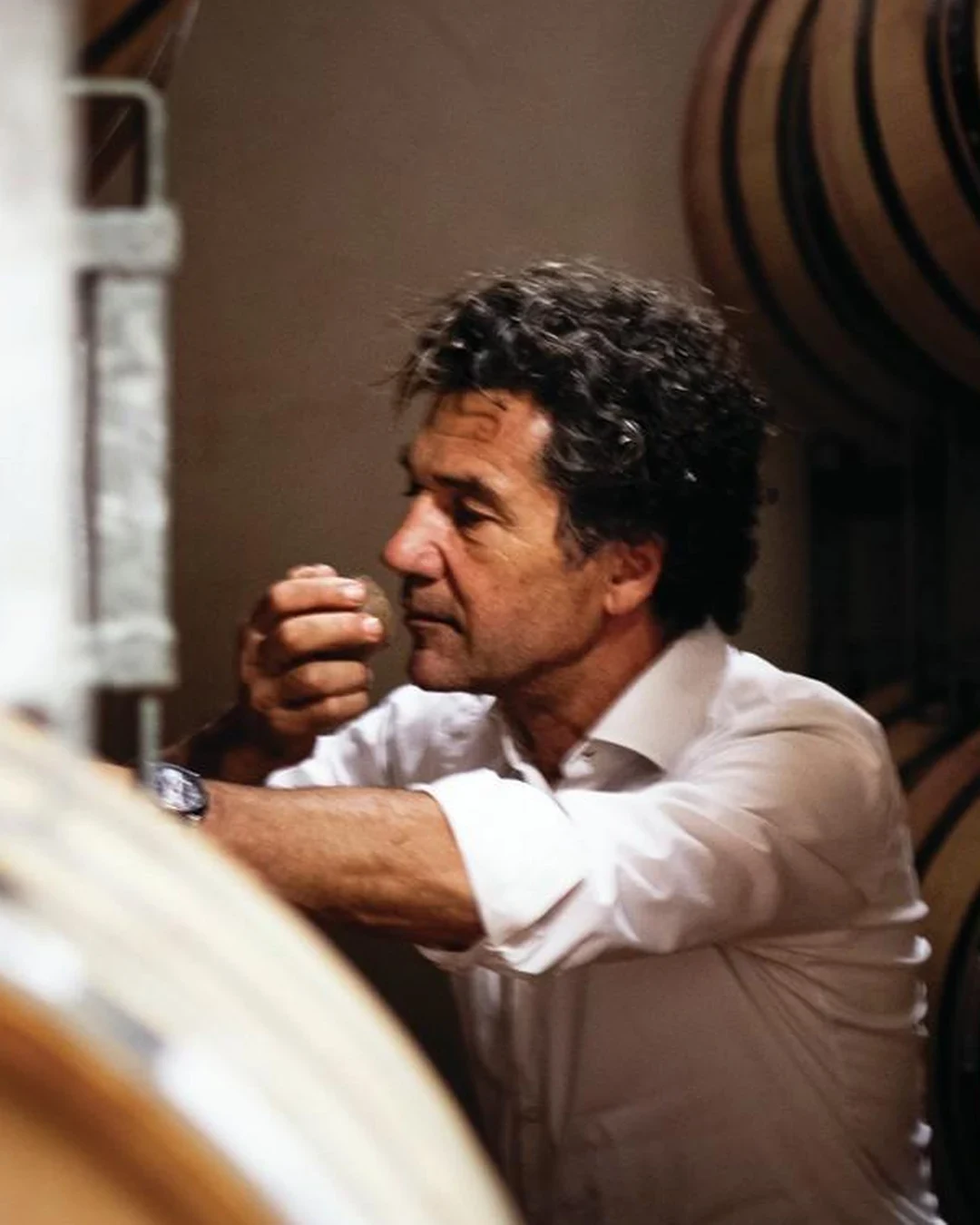
The first blends taught the family wine its shape before the labels traveled. Jean-Claude Mas, winemaker at Domaine Paul Mas in Montagnac, still works from that premise: a bottle has to carry origin, finish, and feeling without losing its rural ground. His route into the cellar did not begin as a straight apprenticeship at the bench. Work in car and moto races gave him an early sense of pace and movement; Bordeaux, from 1990 to 1993, gave him another rhythm in the trade. At Nicole Estate, he made the first blends of the family’s first bottled wines, tying the act of blending to the family line rather than treating it as a technical afterthought.
Since 2000, Mas has led Les Domaines Paul Mas as founder and Executive Manager, naming the estate for his father, Paul Mas, and building its modern identity from Montagnac outward. The family root reaches further back, to the acquisition of 22 acres of vines in 1892 near Montagnac. That line matters here because scale has not replaced the house’s preferred language of place: Pézenas, the lower valley of the Hérault, Mediterranean light, and the consumer’s view of the bottle all sit inside Mas’s brief. He calls it “Le Luxe Rural,” a phrase he defines as rural roots held with an exacting finish. The work is large, but the discipline begins in the blend.
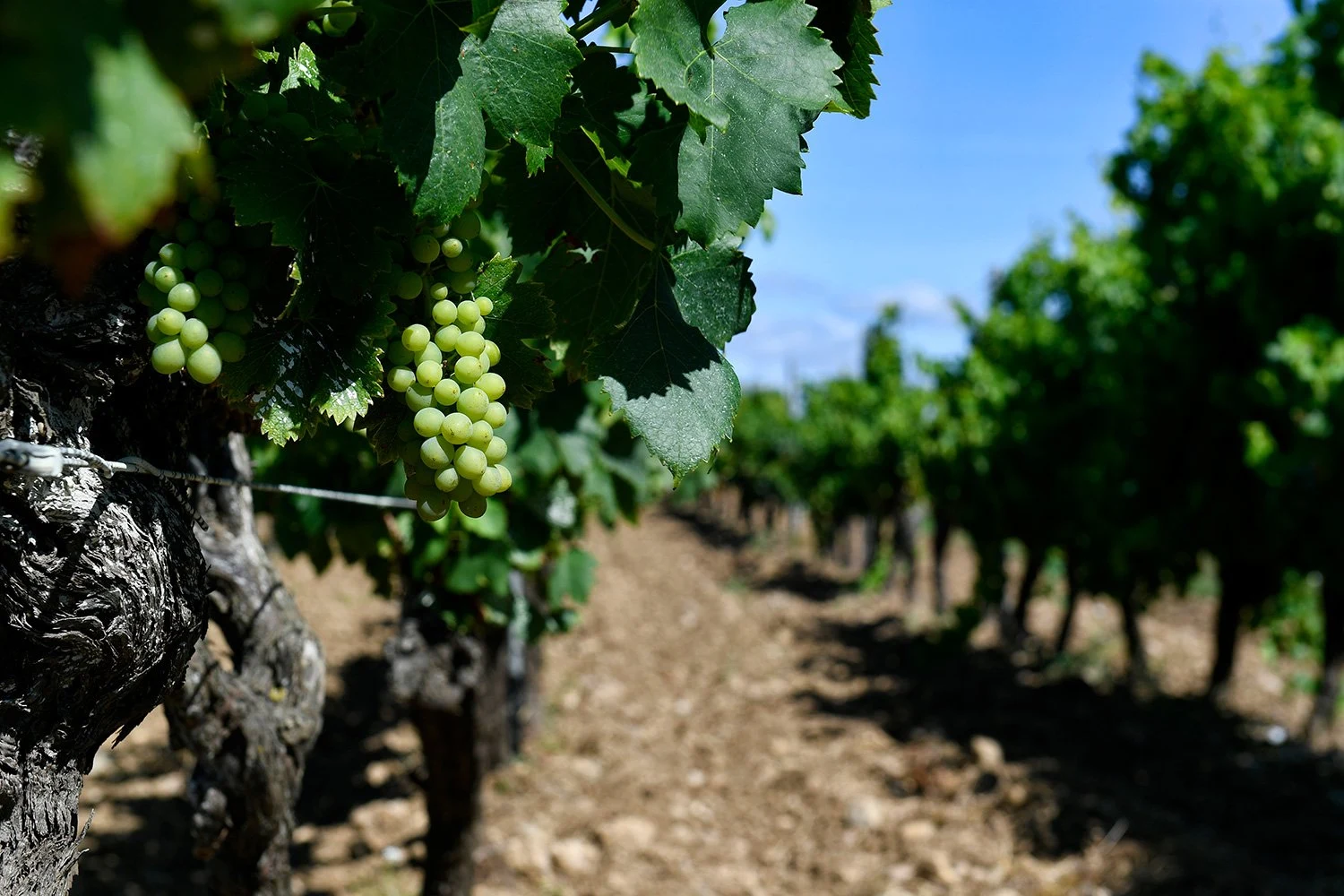
Domaine Paul Mas works within the Pays d’Oc IGP orbit, with Carignan, Syrah, Grenache, Merlot, Chardonnay, and Sauvignon Blanc among the varieties in the range. The wider group controls roughly 750 hectares of vineyards, with 20% certified organic, and the house’s production philosophy is sustainable. Other accounts of the estate describe more than 900 hectares under control, including 160 hectares at the original Château Paul Mas and 36 hectares at Mas des Tannes. The important point is not smallness. It is the attempt to keep a clear hand across a Languedoc program built at a regional scale.
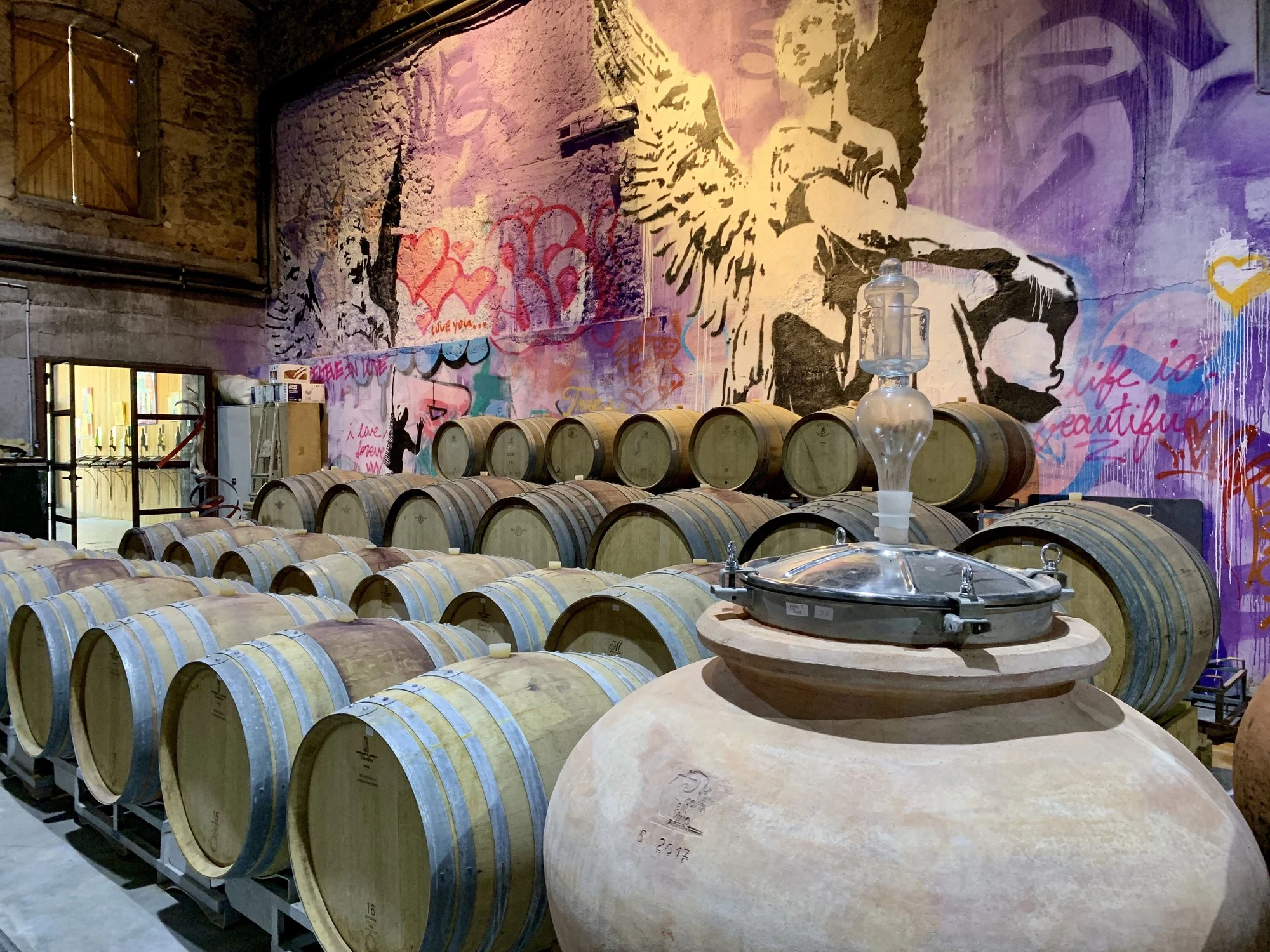
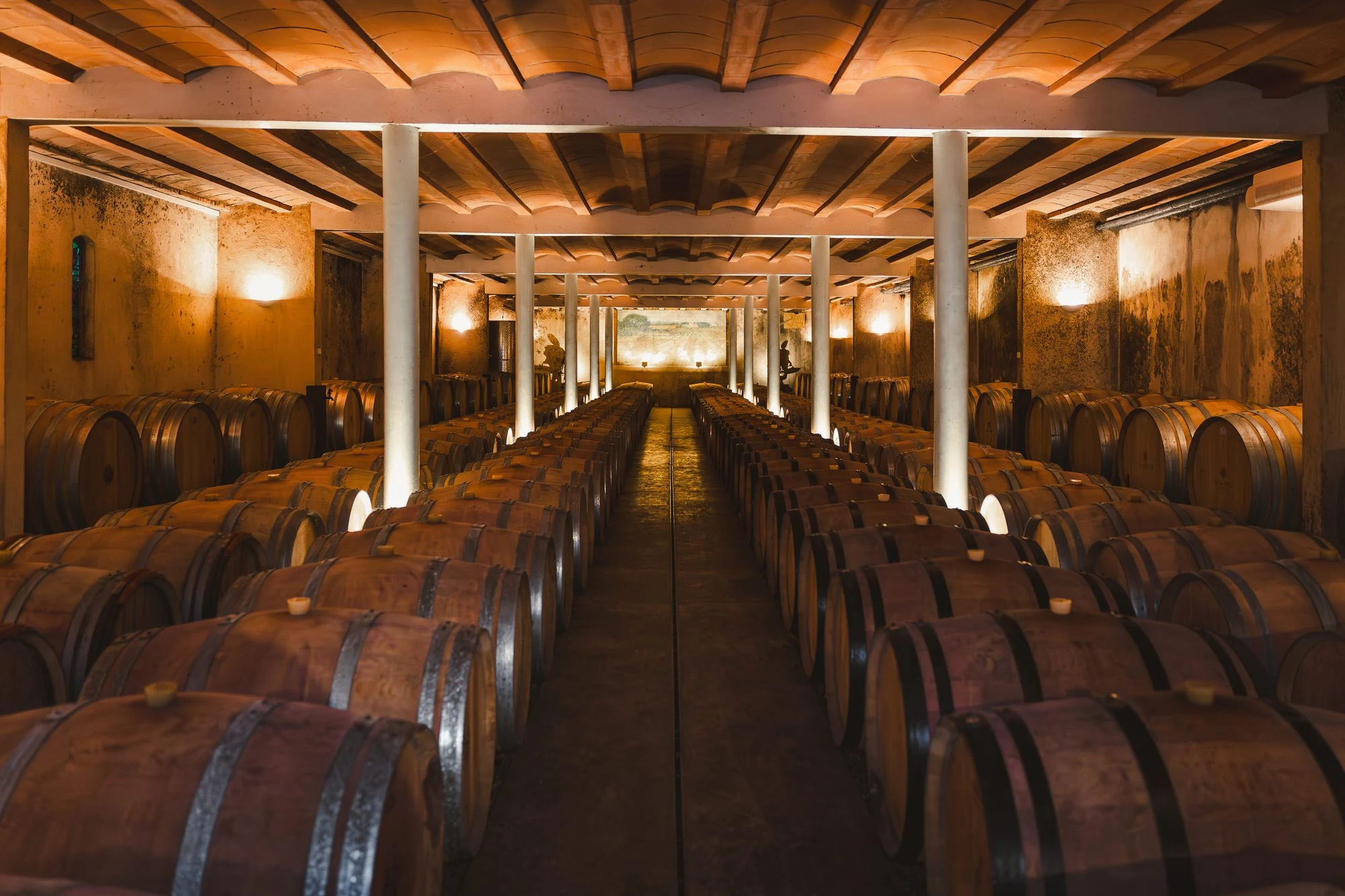
The cellar changes its method by cuvée. Château Paul Mas 2006 is described through matter, fleshiness, freshness, torrefaction, and black fruit, which points to a red made for structure as well as approach. Vinus 2006, the second wine, sits closer to strawberry and cherry, with a finish kept away from heat. Those two bottles show the range of the house’s pass: one wine carries weight and oak-inflected depth, another keeps fruit nearer the front of the glass. Arrogant Frog and Paul Mas Prima Perla Blanquette St Hilaire sit elsewhere in the same identity, with names meant to travel while still leading back to the estate.
The estate stands on the Route de Villeveyrac outside Montagnac, between Pézenas and Montpellier, about 10 km from the Mediterranean coast. The setting gives the cellar its working frame: broad vineyards, a modern estate complex, and the memory of older agriculture on land once associated with the sheepfold of the Cistercian abbey of Valmagne. The room is polished rather than theatrical. Conversation can hold its place while tastings, cellar work, and the hospitality program move around it.
Côté Mas gives the estate its public table, but the place still reads first as a vineyard and cellar complex rather than a restaurant with vines attached. The tasting room and caveau sit inside Jean-Claude Mas’s idea of relaxed rural luxury, where the finish is clean and the countryside remains visible. At Mas des Tannes, the estate hosts over 200 species of bees, a small but concrete sign of the biodiversity the group wants around its vines. Montagnac, in the Hérault valley, is where those bees at Mas des Tannes are.
Montagnac, Languedoc, Occitanie, Frankreich
Montagnac