
- Falstaff Winery - Listed · 2026
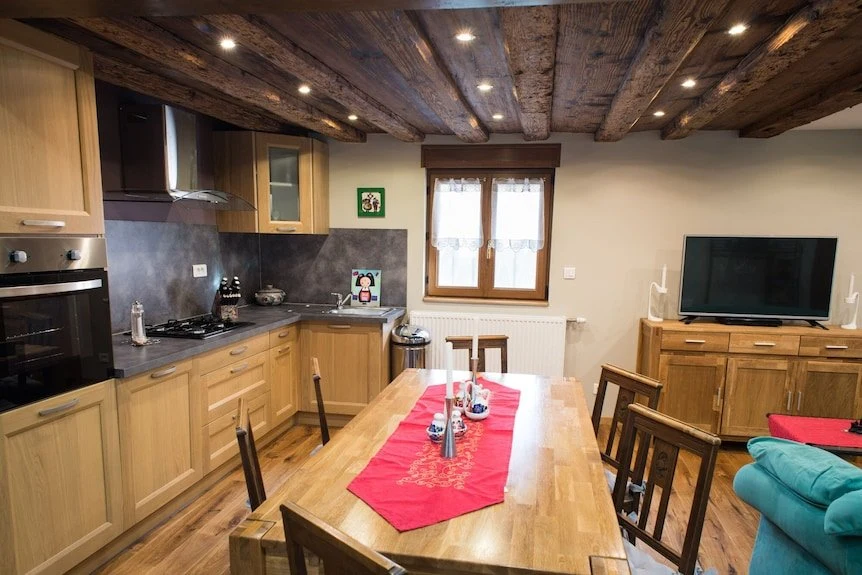
Wettolsheim has the quiet confidence of an Alsatian wine village, with Domaine Saint-Remy fitting naturally into that setting as a family-run estate. The picture is of a scenic, modern, and cozy place where the emphasis is on warm hospitality, terroir, and the meeting point between ancestral tradition and contemporary organic and biodynamic winemaking. Nothing in the description needs to be inflated to make the appeal clear: this is a venue whose value lies in the feeling of being rooted in place, and in the way a family estate can make local wine culture feel personal rather than remote.
For visitors, the appeal is less about spectacle than atmosphere. Domaine Saint-Remy is best understood as a convivial Alsatian estate with a modern cellar and a generous welcome, where the experience is framed around place, tradition, and a thoughtful approach to wine. It is the sort of stop that reads best when approached with curiosity rather than a checklist, allowing the setting, the hospitality, and the estate’s terroir-minded outlook to carry the visit.
Alsace through terroir, tradition, and contemporary winemaking
The strongest editorial case here is not luxury or scale, but the estate’s balance of old and new. Domaine Saint-Remy is described as family-run and rooted in Alsatian tradition, while also being associated with contemporary organic and biodynamic winemaking. That combination is important because it gives the visit a clear identity: it is not presented as a generic cellar door, but as an Alsace estate where heritage and present-day wine thinking are meant to sit side by side.
The tasting atmosphere is terroir-focused and convivial. In practical terms, that means the visit should appeal to travellers who want a grounded wine stop in Wettolsheim rather than a highly staged experience. The character points to warmth, generosity, and a modern cellar setting. It suggests a visit where the setting is part of the substance, and where the sense of welcome matters as much as any formal explanation of the wines.
Because the confirmed information is intentionally limited, it is best not to treat Domaine Saint-Remy as a checklist of specific wines, awards, or tasting formats. The reliable draw is broader: an Alsatian family estate where organic and biodynamic winemaking are part of a contemporary expression of local tradition. That restraint actually helps define the recommendation. The reason to go is not a single named feature, but the overall alignment of place, hospitality, terroir, and an approach to winemaking that connects the ancestral and the modern.
A tasting atmosphere built around hospitality
Domaine Saint-Remy’s strengths are its warm and generous hospitality, cozy feel, scenic setting, and modern cellar. Those details make it a strong fit for visitors who value atmosphere and conversation as much as the glass itself. The setting is not described as grand or theatrical, and that is part of its charm. Its appeal is quieter: a welcoming estate environment where visitors can feel the continuity between the village, the cellar, and the family-run character of the place.
The estate’s identity is also tied to a terroir-focused approach. Rather than making claims about exact parcels, grape varieties, cellar techniques, or visit lengths, the most accurate description is that Domaine Saint-Remy presents Alsace through a family estate lens, with tradition and modern organic and biodynamic winemaking held together in the same experience. For travellers, that framing is useful because it sets expectations clearly. This is a place to consider for the feel of Alsace, for a sense of rooted winemaking culture, and for a visit shaped by hospitality rather than performance.
For broader planning in Wettolsheim, build the wine day around the village rather than treating it as a single stop. Other dining, wine, and travel options in Wettolsheim can be considered generically alongside Domaine Saint-Remy, depending on the rest of the itinerary. The estate works especially well as part of a slower plan, where the goal is not to rush between destinations but to let the village setting and the tasting atmosphere inform the rhythm of the day.
Where this Alsace visit fits in a wider wine itinerary
Domaine Saint-Remy is a good fit for travellers who want a compact, hospitable Alsace stop in Wettolsheim with a clear sense of place. The price is $18 per person, and the setting is described as scenic, modern, and cozy. Those details make the proposition direct: a reasonably framed visit centred on family hospitality, a modern cellar environment, and the estate’s connection to terroir.
Within a wider Alsace itinerary, the estate’s role is direct: it offers a family-run, terroir-focused tasting atmosphere shaped by ancestral tradition and contemporary organic and biodynamic winemaking. That is enough to recommend it honestly without adding claims about awards, named wines, exact services, or specific visit formats. For the right traveller, the pleasure is in that clarity. Domaine Saint-Remy represents a calm, grounded way to encounter Alsace wine culture in Wettolsheim, with the warmth of a family estate and the perspective of modern organic and biodynamic winemaking carrying the experience.
Questions
Frequently asked
Who works at Domaine Saint-Remy?
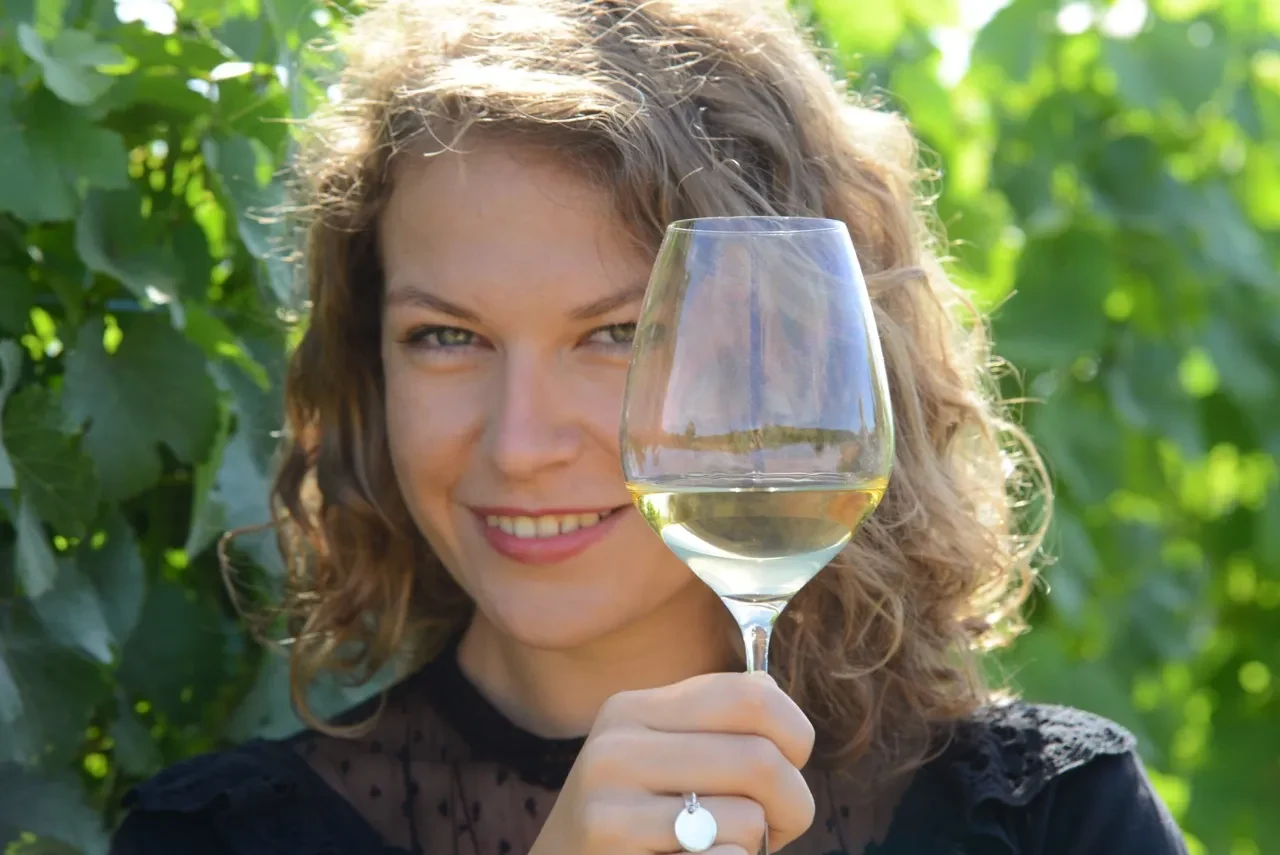
Made By profiles Corinne Ehrhart (Winemaker), Florian Ehrhart (Winemaker) and Margot Ehrhart (Winemaker) at Domaine Saint-Remy.
How expensive is Domaine Saint-Remy?
Domaine Saint-Remy is listed at a price level of $$.
The field
How it compares
| Place | Notes | Awards |
|---|---|---|
| Domaine Saint-Remy | Wettolsheim, $$ | · |
| André Stentz | Wettolsheim | · |
| BOND Winery | Napa | · |
| Château Cos d'Estournel | Saint-Estèphe | World's 50 Best |
| Domaine Albert Mann | Wettolsheim | · |
| Domaine Barmès-Buecher | Wettolsheim | · |
| Schloss Johannisberg | Geisenheim-Johannisberg | World's 50 Best |